
1. Introduction to the Keto Diet and Chia Seeds in Energy Support

The ketogenic, or keto, diet is a high-fat, moderate-protein, and very-low-carbohydrate dietary pattern designed to induce a metabolic state called ketosis. In ketosis, the body shifts from primarily using glucose for fuel to utilizing ketone bodies, which are produced from the breakdown of fats. This metabolic adaptation is the core mechanism behind the diet's proposed effects on energy and weight management.
For individuals adhering to this strict macronutrient framework, maintaining consistent energy levels can be a challenge, especially during the initial adaptation phase, often termed the "keto flu." This is where strategic food choices become critical. Chia seeds (Salvia hispanica L.) have emerged as a notable functional food within ketogenic protocols due to their unique nutritional profile that aligns with the diet's principles while offering potential energy-support benefits.
The Nutritional Synergy for Energy
Chia seeds are compatible with keto due to their high fiber and fat content coupled with very low net carbohydrates. Their specific contributions to energy metabolism include:
- High Soluble Fiber: The gel-forming fiber in chia seeds slows digestion, which can help modulate blood glucose levels and provide a steady, prolonged release of energy, mitigating energy crashes.
- Quality Fats: Rich in alpha-linolenic acid (ALA), an omega-3 fatty acid, chia seeds contribute to the dietary fat intake required for ketosis and support cellular membrane health, which is fundamental for energy production.
- Micronutrient Density: They provide minerals like magnesium and manganese, which are cofactors for enzymes involved in the mitochondrial production of adenosine triphosphate (ATP), the body's primary energy currency.
Clinical Perspective: While the mechanistic rationale is sound, direct, high-quality evidence from long-term randomized controlled trials specifically on chia seeds for energy enhancement in keto dieters is limited. Most evidence is extrapolated from studies on their general metabolic benefits, such as improved satiety and glycemic control. The observed energy support is likely indirect, stemming from improved metabolic stability rather than a direct stimulant effect.
It is important to approach this dietary strategy with caution. Individuals with a history of pancreatitis, severe liver disease, gallbladder issues, or disordered eating should consult a healthcare provider before initiating a ketogenic diet. Furthermore, due to their high fiber content, introducing chia seeds should be done gradually with adequate hydration to prevent gastrointestinal discomfort.
The following recipes are designed to leverage this nutritional synergy, offering practical, keto-compliant ways to incorporate chia seeds to support metabolic and energy homeostasis.
2. Evidence and Mechanisms for Energy Enhancement with Keto and Chia Seeds
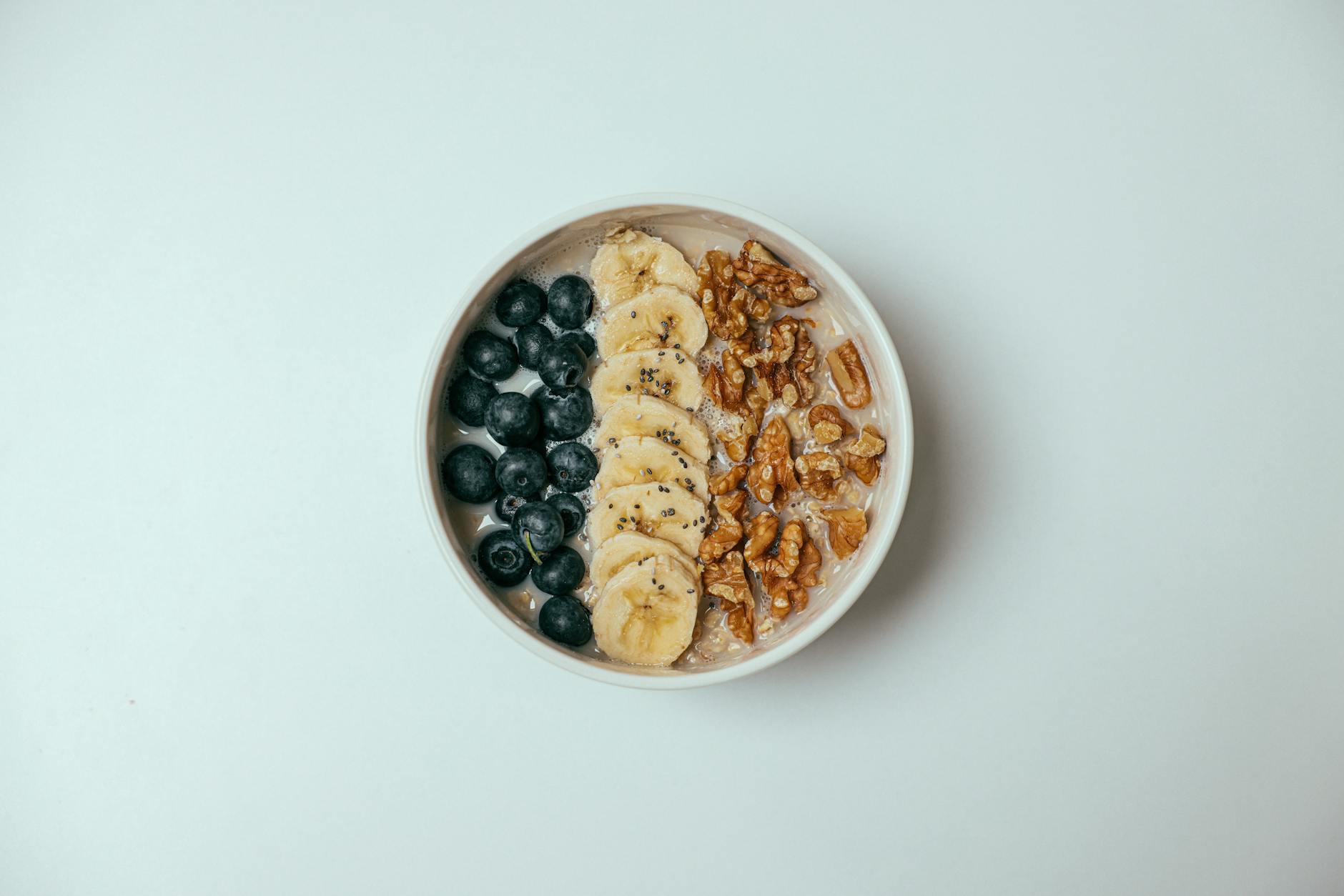
The reported energy enhancement from a ketogenic diet and the inclusion of chia seeds is supported by distinct but complementary physiological mechanisms. Understanding these mechanisms provides a rational basis for the recipes in this article, while also highlighting important clinical considerations.
Ketogenic Diet and Metabolic Fuel Switching
The primary energy mechanism of a well-formulated ketogenic diet is the shift from glucose to ketone bodies as a primary fuel source for the brain and other tissues. This metabolic adaptation, known as nutritional ketosis, typically occurs after several days of restricting carbohydrates to approximately 20-50 grams per day.
- Stable Fuel Supply: Ketones provide a steady, efficient energy substrate, potentially reducing the energy "spikes and crashes" associated with high-glycemic carbohydrates.
- Neurocognitive Effects: Some studies and anecdotal reports suggest improved mental clarity and reduced brain fog in ketosis, though high-quality, long-term trials are limited. The evidence is stronger for its use in managing drug-resistant epilepsy.
- Considerations: The initial transition phase ("keto flu") can involve fatigue, headaches, and irritability as the body adapts. Sustained energy benefits are most consistently reported by individuals who have become "keto-adapted," a process that can take weeks.
Chia Seeds as a Supportive Functional Food
Chia seeds align with ketogenic principles due to their high fiber and fat content with very low net carbohydrates. Their potential to support energy levels is indirect but valuable.
- Soluble Fiber and Satiety: The soluble fiber (mucilage) forms a gel, slowing gastric emptying. This promotes sustained satiety and can help stabilize post-meal blood glucose levels, preventing energy dips.
- Hydration and Electrolyte Support: This gel-forming property also aids in fluid retention, which can support hydration status—a critical factor for energy, especially during the initial diuretic phase of keto.
- Nutrient Density: Chia seeds provide minerals like magnesium and potassium, electrolytes often depleted on a ketogenic diet and essential for neuromuscular function and energy production.
Clinical Perspective: While the mechanisms are plausible, individual responses vary significantly. The ketogenic diet is a potent metabolic intervention, not merely a dietary pattern. Individuals with pancreatic, liver, kidney, or gallbladder conditions, those with a history of eating disorders, or anyone on medication for diabetes or hypertension should consult a physician before starting. The addition of chia seeds is generally safe but should be introduced gradually to avoid gastrointestinal discomfort and with ample fluid intake.
In summary, the energy support stems from ketosis providing an alternative cerebral fuel and chia seeds contributing to metabolic stability, hydration, and micronutrient sufficiency within the dietary framework. The evidence for sustained energy in healthy, adapted individuals is supported by physiological principles, though more rigorous long-term research in general populations is warranted.
3. Risks and Populations to Avoid Keto-friendly Chia Seed Recipes
While chia seeds are a nutrient-dense food and keto-friendly recipes can be a valuable part of a well-formulated ketogenic diet, certain risks and individual health conditions warrant caution. A clinically responsible approach requires identifying populations for whom these recipes may be inappropriate or require significant modification.
Primary Medical Contraindications and Cautions
The following individuals should exercise extreme caution or avoid keto-friendly chia seed recipes without explicit medical clearance:
- Individuals with Dysphagia or Swallowing Difficulties: When mixed with liquid, chia seeds form a thick gel. This poses a significant aspiration risk for those with impaired swallowing mechanisms, such as the elderly, post-stroke patients, or individuals with neurological conditions.
- Those with a History of Bowel Obstruction or Severe Constipation: Although chia seeds are often promoted for fiber, their high soluble fiber content can absorb significant water. In individuals with pre-existing motility issues or inadequate fluid intake, this can exacerbate constipation and, in rare cases, contribute to obstruction.
- Patients with Kidney Disease: Many keto recipes are high in protein and minerals. Chia seeds contain notable amounts of phosphorus and potassium. For individuals with chronic kidney disease (CKD) who must restrict these electrolytes, consuming chia seeds regularly can contribute to dangerous mineral accumulation (hyperkalemia, hyperphosphatemia).
- Individuals on Blood-Thinning Medications (Anticoagulants): Chia seeds are a source of alpha-linolenic acid (ALA), an omega-3 fatty acid with mild antiplatelet effects. While the evidence for a clinically significant interaction is limited, the theoretical risk of increased bleeding when combined with drugs like warfarin or aspirin warrants discussion with a prescribing physician.
Clinical Insight: From a dietary management perspective, the ketogenic diet itself is a medical intervention for conditions like epilepsy. Its initiation and maintenance require careful monitoring. Adding high-fiber, high-fat foods like chia seeds alters the macronutrient profile and gastrointestinal environment. For patients using keto therapeutically, any recipe modification should be reviewed by their clinical dietitian or neurologist to ensure it doesn't compromise ketosis or medication efficacy.
Considerations for Specific Diets and Conditions
Beyond strict contraindications, several populations should proceed with informed caution:
- Those New to a Ketogenic Diet: Rapidly increasing fiber intake while the body adapts to ketosis can lead to significant gastrointestinal distress, including bloating, gas, and cramping. Introduce chia seeds gradually.
- Individuals with Diverticular Disease: Traditional medical advice often warned against seeds for those with diverticulosis. Current evidence suggests seeds are not harmful, but if an individual has a history of seed-related diverticulitis flares, they should follow their gastroenterologist's specific guidance.
- People with Food Allergies: Although rare, allergic reactions to chia seeds have been documented. Those with known allergies to mustard seeds or sesame seeds may be at higher risk due to potential cross-reactivity.
In summary, while generally safe for the majority, keto-friendly chia seed recipes are not universally appropriate. The strongest evidence for caution exists for individuals with swallowing disorders, advanced kidney disease, or bowel obstructions. For others, the risks are often manageable with proper hydration, gradual introduction, and professional consultation. Anyone with a chronic medical condition or taking regular medication should discuss dietary changes with their healthcare provider.
4. Practical Takeaways for Incorporating Keto-friendly Chia Seed Recipes
Successfully integrating keto-friendly chia seed recipes into your dietary regimen requires a strategic approach that prioritizes metabolic goals, nutritional balance, and personal tolerance. The following practical takeaways are designed to help you apply the preceding recipes effectively and safely.
Strategic Integration for Sustained Energy
Chia seeds are a source of soluble fiber, which can support stable blood glucose levels—a key objective in ketogenic diets for maintaining energy. To leverage this:
- Time Your Consumption: Consider consuming chia-based meals or snacks during periods where energy dips are common, such as mid-afternoon. The combination of fat, protein, and fiber promotes satiety and a gradual release of energy.
- Monitor Macros Diligently: While chia seeds are low in net carbs, they still contain carbohydrates. Accurately account for their fiber and net carb content within your daily ketogenic limits to avoid unintentionally exceeding your carbohydrate threshold.
- Prioritize Hydration: Chia seeds absorb 10-12 times their weight in liquid. Ensure adequate fluid intake throughout the day to support digestive comfort and prevent potential issues like constipation or bloating.
Clinical Considerations and Cautions
The evidence for chia seeds supporting glycemic control and satiety is promising but primarily from short-to-medium term studies. Their role within a ketogenic diet for specific therapeutic outcomes requires more rigorous, long-term research.
Certain individuals should exercise caution or consult a healthcare provider before regular consumption:
- Those with a history of dysphagia or significant gastrointestinal strictures, as dry chia seeds can pose a risk of obstruction if not consumed properly pre-hydrated.
- Individuals on medication for blood pressure or blood thinning, as chia seeds may have mild hypotensive and antiplatelet effects.
- People with a history of eating disorders or those for whom meticulous food tracking may be psychologically detrimental.
Expert Insight: From a clinical perspective, chia seeds are a functional food, not a mandatory supplement. Their value in a ketogenic diet lies in their utility as a versatile, nutrient-dense ingredient that can improve dietary adherence by adding variety and texture. However, they are not a metabolic "key" to ketosis. The primary drivers of successful ketosis remain an overall adequate protein intake, severe carbohydrate restriction, and management of total energy balance. Always tailor incorporation to your individual digestive tolerance and health objectives.
In practice, start with one serving per day to assess tolerance. Use the recipes as templates, adjusting non-caloric sweeteners and fat sources to suit your preferences and metabolic needs. This measured, evidence-informed approach allows you to explore the potential benefits of chia seeds while maintaining the fundamental principles of your ketogenic protocol.
5. Safety Considerations and When to Consult a Healthcare Professional
While chia seeds are a nutrient-dense, low-carbohydrate food suitable for a ketogenic diet, integrating them into your regimen requires awareness of individual health contexts. A clinically responsible approach prioritizes safety and personalization over blanket recommendations.
Key Safety Considerations
Chia seeds are generally well-tolerated, but specific physiological effects warrant caution:
- Digestive Adaptation: Their high soluble fiber content (about 10 grams per ounce) can cause bloating, gas, or constipation if intake is increased rapidly. It is essential to start with a small serving (e.g., one tablespoon) and increase gradually while ensuring adequate fluid intake.
- Blood Thinning and Blood Pressure: Preliminary in vitro and animal studies suggest omega-3 fatty acids (ALA) in chia may have mild antiplatelet effects. The clinical significance in humans is not well-established, but individuals on anticoagulant therapy (e.g., warfarin, apixaban) or with bleeding disorders should discuss regular chia consumption with their physician.
- Potential for Gastrointestinal Obstruction: Dry chia seeds absorb many times their weight in liquid. Consuming them dry, especially in large quantities without sufficient accompanying fluid, poses a rare but serious risk of esophageal or intestinal blockage. Always consume chia seeds that have been pre-soaked or thoroughly mixed into a wet food like yogurt or pudding.
Clinical Insight: From a metabolic standpoint, the ketogenic diet itself is a significant intervention. Clinicians monitor patients for "keto flu" symptoms, electrolyte imbalances, and potential impacts on lipid profiles and kidney function. Adding high-fiber foods like chia seeds can help with satiety and mineral intake but does not mitigate the need for comprehensive monitoring of the diet's overall effects.
Who Should Consult a Healthcare Professional First?
You are strongly advised to seek personalized medical guidance before making dietary changes if you have:
- Diagnosed Digestive Disorders: Such as inflammatory bowel disease (IBD), diverticulitis, or a history of bowel obstructions.
- Kidney Disease: Chia seeds are high in phosphorus. Impaired kidneys may have difficulty excreting excess phosphorus, potentially leading to hyperphosphatemia.
- Dysphagia or Swallowing Difficulties: Due to the texture and expansion risk of chia gels.
- Pregnancy or Lactation: While nutrient-dense, significant dietary shifts like initiating a ketogenic diet during pregnancy require close medical supervision.
- Polypharmacy: Especially if taking medications for diabetes (due to potential additive blood sugar-lowering effects), hypertension, or blood thinners, as discussed.
- A History of Eating Disorders: The restrictive nature of ketogenic dieting can be triggering and requires management by a specialized care team.
In summary, chia seeds can be a beneficial component of a ketogenic diet, but they are not a universal supplement. The most evidence-based safety practice is to introduce them slowly, prepare them correctly, and engage a healthcare professional to navigate any pre-existing health conditions or medications.
6. Questions & Expert Insights
Can chia seeds on a keto diet really help with energy, or is it just a trend?
The potential energy benefit is rooted in their nutritional composition, but it's not a direct stimulant effect. Chia seeds are high in soluble fiber, which slows digestion and can help stabilize blood glucose levels, potentially preventing the energy crashes associated with high-carb meals. Their high content of alpha-linolenic acid (an omega-3 fatty acid) and minerals like magnesium supports mitochondrial function and cellular energy production. On a ketogenic diet, where carbohydrate intake is severely restricted, the high fiber content (about 10 grams per ounce) is particularly valuable for digestive health and sustained nutrient absorption. However, the evidence for a dramatic, direct boost in energy from chia seeds alone is limited and largely observational. The effect is likely subtle and supportive, working best as part of a well-formulated ketogenic diet that maintains nutritional adequacy and electrolyte balance.
What are the main risks or side effects of consuming chia seeds, especially on keto?
While generally safe, chia seeds pose specific risks that require caution. The most immediate risk is gastrointestinal distress, including bloating, gas, and constipation, particularly if consumed in large quantities without adequate fluid intake. Their high fiber content can absorb 10-12 times their weight in water. On a ketogenic diet, which can have a natural diuretic effect, dehydration is a heightened concern; failing to drink plenty of water with chia seeds can lead to severe constipation or even esophageal impaction. Furthermore, individuals with a history of swallowing difficulties, certain gastrointestinal disorders like Crohn's disease or diverticulitis, or those on specific medications (like blood thinners or drugs for diabetes or high blood pressure) should consult a doctor before regular consumption, as chia seeds can affect absorption and drug efficacy.
Who should avoid or be extremely cautious with a keto diet featuring chia seeds?
Several populations should avoid this approach or undertake it only under strict medical supervision. This includes individuals with pancreatic insufficiency, gallbladder disease, or a history of disordered eating, as the high fat content can exacerbate symptoms. Those with chronic kidney disease must be cautious due to the potential for altered mineral balance (like potassium and phosphorus) from both keto and chia seeds. Pregnant or breastfeeding women should not initiate a ketogenic diet without explicit guidance from their obstetrician, as the safety of nutritional ketosis during these periods is not well-established. People with type 1 diabetes or type 2 diabetes on insulin or sulfonylureas risk dangerous hypoglycemia without careful medication adjustment. For these groups, the addition of chia seeds does not mitigate the fundamental risks of the dietary pattern itself.
When should I talk to my doctor about dietary changes like this, and what should I bring to the appointment?
Consult a physician or a registered dietitian before starting a ketogenic diet if you have any chronic health condition, take regular medications, or are over the age of 65. This is non-negotiable for individuals with diabetes, heart, kidney, or liver disease. Prepare for the conversation by bringing a clear list of all current medications and supplements, a typical day of eating on your proposed plan (including portion sizes of chia seeds, fats, and proteins), and your specific health goals. Be ready to discuss your understanding of potential side effects like the "keto flu," electrolyte management, and long-term sustainability. Ask direct questions about necessary baseline blood work (e.g., lipid panel, renal function, HbA1c) and a schedule for follow-up monitoring to assess the diet's impact on your metabolic health.
7. In-site article recommendations
8. External article recommendations
9. External resources
The links below point to reputable medical and evidence-based resources that can be used for further reading. Always interpret them in the context of your own situation and your clinician’s advice.
-
mayoclinic mayoclinic.orgketo-friendly recipes – Mayo Clinic (search)
-
wikipedia wikipedia.orgketo-friendly recipes – Wikipedia (search)
-
healthline healthline.comketo-friendly recipes – Healthline (search)
These external resources are maintained by third-party organisations. Their content does not represent the editorial position of this site and is provided solely to support readers in accessing additional professional information.