
1. Introduction to Turmeric and Keto in Inflammation Management
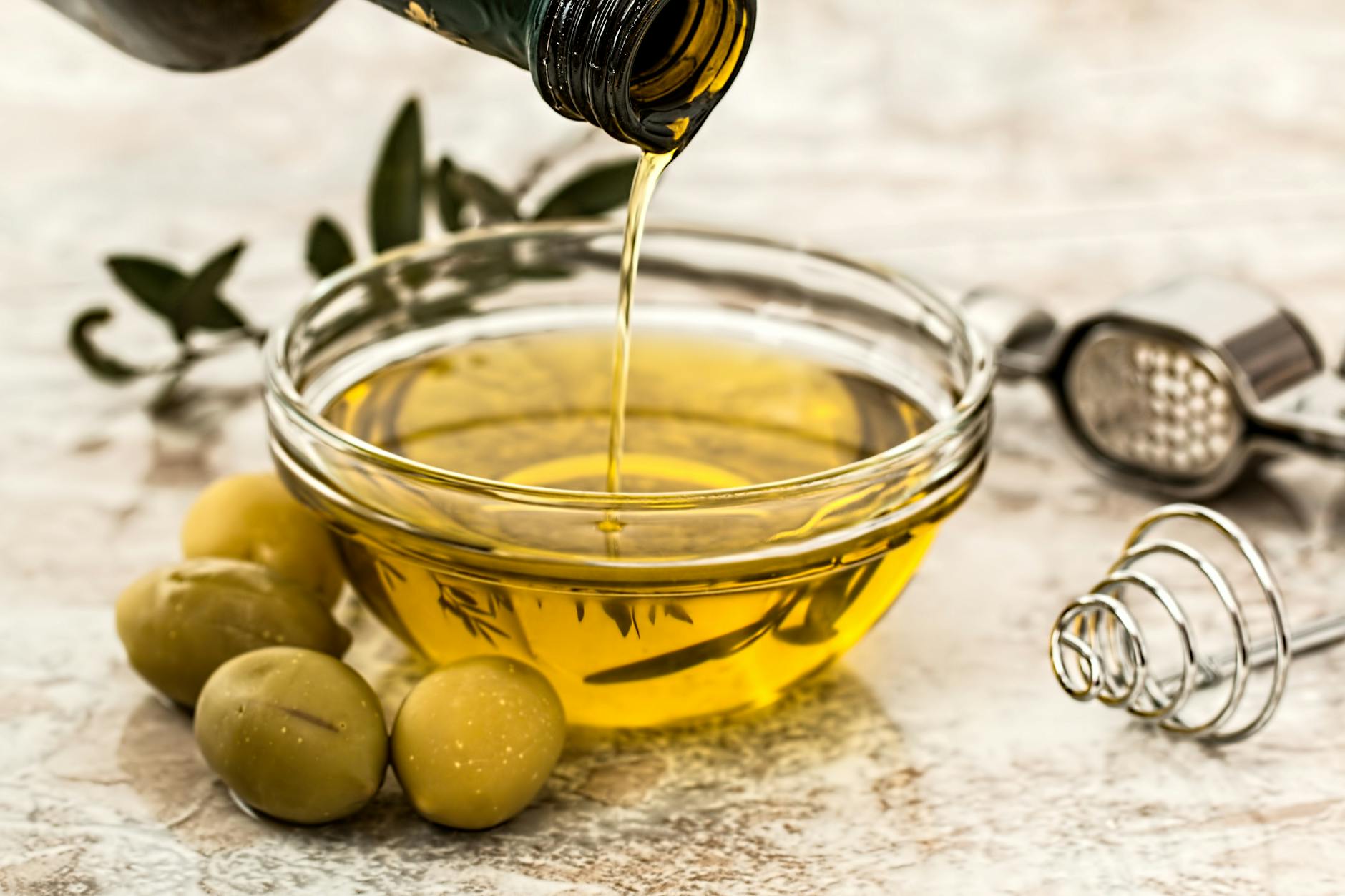
Chronic, low-grade inflammation is a recognized underlying factor in numerous metabolic and autoimmune conditions. Dietary strategies that modulate inflammatory pathways are therefore a significant focus of clinical nutrition. Two such approaches—the ketogenic diet and the use of turmeric—have garnered substantial scientific interest for their potential anti-inflammatory effects. This chapter explores the foundational evidence for each and how they may be combined in a practical culinary context.
The Ketogenic Diet and Inflammation
The ketogenic diet is a very low-carbohydrate, high-fat dietary pattern that induces a state of nutritional ketosis. Its proposed anti-inflammatory mechanisms are supported by a growing body of research, though the evidence varies in strength:
- Stronger Evidence: Ketosis leads to the production of beta-hydroxybutyrate (BHB), a ketone body that has been shown in preclinical and some human studies to directly inhibit the NLRP3 inflammasome, a key driver of systemic inflammation.
- Mixed/Preliminary Evidence: While some clinical trials show reductions in inflammatory markers like CRP and IL-6 in specific populations (e.g., individuals with obesity or type 2 diabetes), results are not universal. Long-term effects and applicability across all health states require more extensive study.
Turmeric and Curcumin
Turmeric, a golden spice, contains the bioactive polyphenol curcumin. Its anti-inflammatory properties are among the most researched in nutritional science.
- Stronger Evidence: Numerous systematic reviews and meta-analyses conclude that curcumin supplementation can significantly reduce markers of inflammation, such as CRP and TNF-α, particularly in contexts like metabolic syndrome and arthritis.
- Key Limitation: Curcumin has very poor bioavailability on its own. Its absorption is dramatically enhanced when consumed with fat and piperine (a compound in black pepper), a synergy that aligns perfectly with a high-fat ketogenic diet.
Clinical Perspective: It is crucial to view both keto and turmeric as dietary components within a broader management plan, not as standalone cures. The combination is theoretically promising due to complementary mechanisms—ketosis addressing cellular inflammatory pathways and curcumin targeting cytokine signaling. However, high-quality trials specifically on this combination are lacking.
Integrating turmeric into keto-friendly recipes is a practical strategy to potentially amplify anti-inflammatory benefits while adhering to macronutrient goals. The following chapters provide recipes designed to maximize curcumin absorption through the inclusion of healthy fats.
Who Should Exercise Caution: Individuals with gallbladder disease, those on anticoagulant/antiplatelet medications, or with a history of disordered eating should consult a physician or registered dietitian before significantly altering their diet or adding high-dose curcumin. Pregnant or breastfeeding women should seek medical advice regarding turmeric consumption.
2. Scientific Evidence and Mechanisms of Action
Turmeric, and specifically its primary bioactive polyphenol curcumin, has been the subject of extensive preclinical and clinical research for its potential anti-inflammatory effects. The scientific interest stems from its ability to modulate several key molecular pathways involved in the inflammatory response.
Mechanisms of Action
Curcumin's proposed anti-inflammatory activity is pleiotropic, meaning it acts on multiple targets. The most well-documented mechanism is the inhibition of the nuclear factor-kappa B (NF-κB) signaling pathway. NF-κB is a primary regulator of the expression of pro-inflammatory cytokines, such as tumor necrosis factor-alpha (TNF-α) and interleukins (e.g., IL-1, IL-6). By downregulating this pathway, curcumin may reduce the production of these inflammatory mediators. It also influences other enzymes and transcription factors, including cyclooxygenase-2 (COX-2) and inducible nitric oxide synthase (iNOS).
Strength of the Evidence
The evidence supporting turmeric's use is tiered and requires careful interpretation:
- Preclinical & In Vitro Evidence: Laboratory and animal studies are robust and consistently demonstrate potent anti-inflammatory and antioxidant effects. This forms the strong mechanistic foundation for human research.
- Human Clinical Evidence: Data from human trials is more mixed but promising. Systematic reviews and meta-analyses suggest curcumin supplementation can be beneficial for conditions like osteoarthritis, metabolic syndrome, and certain inflammatory skin conditions, often showing a reduction in systemic inflammatory markers like C-reactive protein (CRP).
- Key Limitations: Many studies are relatively short-term, use varied formulations (often with piperine from black pepper to enhance bioavailability), and involve specific patient groups. Evidence for its efficacy in the general healthy population for "inflammation control" is less definitive.
Clinical Perspective: From a clinical standpoint, curcumin is generally regarded as a supportive nutraceutical with a good safety profile at recommended doses. However, it is not a replacement for first-line anti-inflammatory medications in acute or severe inflammatory diseases. Its role is often considered adjunctive, potentially helping to modulate low-grade, chronic inflammation associated with various lifestyle-related conditions.
Cautions and Contraindications: Individuals with gallbladder disease, bile duct obstruction, or those on anticoagulant/antiplatelet drugs (e.g., warfarin, clopidogrel) should exercise caution, as curcumin may have choleretic and mild antiplatelet effects. Those with iron deficiency should also be aware it can chelate dietary iron. Consultation with a physician is advised before starting any new supplement regimen, particularly for those with pre-existing medical conditions or who are pregnant or breastfeeding.
3. Risks, Contraindications, and Populations to Avoid

While turmeric is generally recognized as safe for culinary use, its concentrated consumption in therapeutic doses, especially within a ketogenic dietary framework, warrants a careful, individualized risk assessment. The combination of a high-fat, low-carbohydrate diet and a potent bioactive compound like curcumin (turmeric's primary active component) can present specific challenges for certain populations.
Primary Medical Contraindications
Individuals with the following conditions should exercise extreme caution and consult a healthcare provider before significantly increasing turmeric intake or starting a ketogenic diet:
- Gallbladder Disease or Bile Duct Obstruction: Turmeric stimulates bile production, which can exacerbate pain or complications in individuals with gallstones or related disorders.
- Bleeding Disorders or Upcoming Surgery: Curcumin has demonstrated antiplatelet (blood-thinning) effects in laboratory and some animal studies. While evidence in humans is more limited, it may potentiate the effects of anticoagulant medications (e.g., warfarin, clopidogrel, aspirin) and increase bleeding risk.
- Iron Deficiency Anemia: Some research suggests curcumin may chelate iron and inhibit its absorption from the diet, which could worsen existing deficiencies.
- Kidney Disease: The high-fat nature of a strict keto diet can place metabolic stress on compromised kidneys. Furthermore, turmeric contains oxalates, which in very high supplemental doses may contribute to kidney stone formation in susceptible individuals.
Clinical Insight: The interaction between turmeric/curcumin and pharmaceuticals is a key concern. It can interfere with drug metabolism by inhibiting certain cytochrome P450 enzymes, potentially altering the efficacy and toxicity of common medications, including some chemotherapy drugs, statins, and antidepressants. Always review your full medication and supplement list with a doctor or pharmacist.
Specific Populations Requiring Guidance
- Pregnant and Breastfeeding Women: Culinary amounts of turmeric are considered safe, but therapeutic doses are not recommended due to insufficient safety data. The ketogenic diet is also not typically advised during pregnancy without strict medical supervision.
- Individuals with Gastrointestinal Sensitivities: High-fat meals can trigger symptoms in conditions like pancreatitis or gastroparesis. In some, high doses of turmeric may cause gastrointestinal upset, including nausea or diarrhea.
- Those with a History of Eating Disorders: The restrictive nature of the ketogenic diet can sometimes trigger or exacerbate disordered eating patterns.
- People with Diabetes on Medication: Both keto and curcumin can lower blood glucose levels. Combining them with insulin or hypoglycemic drugs requires careful monitoring to avoid dangerous hypoglycemia.
The evidence for turmeric's anti-inflammatory benefits is promising but derived from a mix of preclinical studies and clinical trials of varying quality. It should not replace conventional anti-inflammatory therapies prescribed for chronic conditions like rheumatoid arthritis. A prudent approach is to introduce dietary turmeric gradually, within the context of a balanced keto plan, and to seek personalized medical advice to navigate these potential risks safely.
4. Practical Applications and Recipe Integration Tips

Successfully integrating turmeric into a ketogenic diet requires a strategic approach to maximize potential anti-inflammatory benefits while adhering to macronutrient goals. The primary active compound, curcumin, has poor bioavailability on its own. Pairing turmeric with a source of fat and black pepper (which contains piperine) can significantly enhance absorption, a synergy that aligns perfectly with the high-fat nature of keto.
When adapting recipes, consider turmeric as both a flavor agent and a functional ingredient. Its earthy, slightly bitter notes pair well with:
- Fatty Bases: Coconut milk, ghee, avocado oil, and full-fat dairy (if tolerated) are excellent carriers.
- Proteins: It complements the flavors of chicken, lamb, and fatty fish like salmon.
- Low-Carb Vegetables: Cauliflower, spinach, and broccoli can effectively absorb turmeric-infused sauces and spices.
For practical use, you can create a versatile "golden paste" or simply add ground turmeric directly to cooking fats at the beginning of sautéing to "bloom" the spice, which may help release its compounds.
Clinical Perspective: While preclinical and some clinical studies suggest anti-inflammatory properties for curcumin, evidence for its effects within the specific context of a ketogenic diet is limited. The anti-inflammatory benefits observed in keto are likely multifactorial, stemming from reduced insulin spikes and ketone production itself. View turmeric as a supportive, evidence-informed addition, not a standalone solution.
It is crucial to maintain dietary balance. Do not compromise the nutritional adequacy of your keto plan by over-focusing on a single ingredient. Ensure you are meeting your electrolyte, fiber, and micronutrient needs through a variety of whole foods.
Important Cautions: Individuals with gallbladder disease, bile duct obstruction, or those on anticoagulant/antiplatelet medications (e.g., warfarin, clopidogrel) should consult a physician before significantly increasing turmeric/curcumin intake, as it may theoretically affect bile flow and platelet aggregation. Those with iron deficiency should be aware that high doses may interfere with iron absorption. As with any dietary change, pregnant or breastfeeding individuals and those with chronic kidney disease or liver conditions should seek professional guidance first.
5. Safety Protocols and When to Consult Healthcare Providers
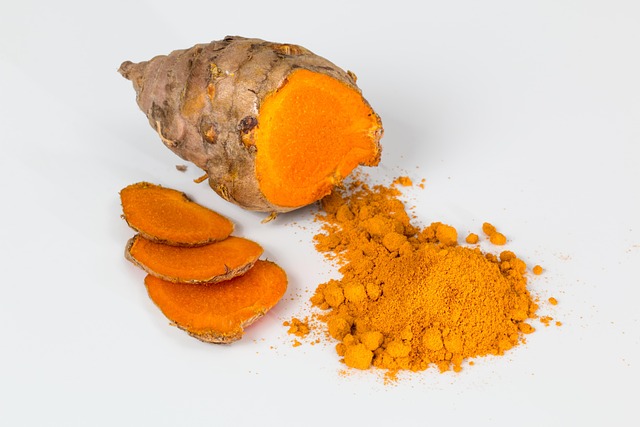
While incorporating turmeric into a ketogenic diet can be a strategic approach to managing inflammation, it is not without potential risks. A responsible protocol requires understanding the limitations of the evidence and recognizing individual contraindications. The anti-inflammatory effects of curcumin, the primary active compound in turmeric, are supported by a substantial body of preclinical and some clinical research. However, evidence for its efficacy in specific disease states varies, and it should be viewed as a complementary strategy, not a replacement for conventional medical therapy.
Key Safety Considerations
Before making significant dietary changes, consider the following safety protocols:
- Medication Interactions: Curcumin may interact with anticoagulants (e.g., warfarin), antiplatelet drugs, and certain chemotherapy agents, potentially increasing the risk of bleeding or altering drug efficacy.
- Gastrointestinal Effects: High doses of turmeric, especially in supplement form, can cause gastrointestinal upset, including nausea, diarrhea, or acid reflux in some individuals.
- Gallbladder and Kidney Health: Turmeric may stimulate bile production. Individuals with bile duct obstruction, gallstones, or a history of kidney stones should exercise caution.
- Keto Adaptation: The initial phase of a ketogenic diet ("keto flu") can involve fatigue, headache, and electrolyte imbalances. Ensuring adequate hydration and sodium, potassium, and magnesium intake is crucial.
Clinical Insight: In practice, clinicians are most concerned about the supplement-drug interactions. Patients often do not report over-the-counter supplements or dietary "superfoods" as part of their medication list. It is essential for patients to provide their healthcare provider with a complete list of all substances they are consuming, including culinary spices used in therapeutic quantities.
When to Consult a Healthcare Provider
You should consult a physician or a registered dietitian before proceeding if you fall into any of the following categories:
- You have a diagnosed medical condition, particularly liver disease, gallbladder disease, bleeding disorders, or diabetes (as keto significantly alters blood sugar management).
- You are pregnant, breastfeeding, or trying to conceive.
- You are taking any prescription medications, especially blood thinners, diabetes medications, or drugs for hypertension.
- You have a history of disordered eating or find restrictive diets triggering.
- You plan to use high-dose turmeric supplements (typically > 500mg of curcuminoids daily) rather than culinary amounts in food.
Adopting any dietary intervention for therapeutic purposes should be done under informed guidance. A healthcare professional can help you integrate these strategies safely, monitor for adverse effects, and ensure they align with your overall health management plan.
6. Questions & Expert Insights
Can a keto diet with turmeric completely eliminate my chronic inflammation?
While a ketogenic diet and turmeric both have anti-inflammatory properties, it is not clinically accurate to claim they can "completely eliminate" chronic inflammation. Chronic inflammation is a complex, multi-factorial process often linked to underlying conditions like autoimmune diseases, metabolic syndrome, or persistent pain disorders. High-quality evidence, including systematic reviews, shows that curcumin (the active compound in turmeric) can modestly reduce markers of inflammation like CRP and TNF-α, and a ketogenic diet may lower inflammatory cytokines. However, these effects are typically adjunctive and supportive, not curative. The goal of integrating these dietary strategies should be symptom management and risk reduction alongside, not in place of, conventional medical care. Expecting complete resolution from diet alone can lead to disappointment and delay in seeking necessary treatment.
What are the main risks or side effects of combining a keto diet with high turmeric intake?
This combination presents several important considerations. The ketogenic diet can cause initial "keto flu" (fatigue, headache), electrolyte imbalances, and, long-term, may increase the risk of kidney stones, dyslipidemia, or nutrient deficiencies if not carefully managed. Turmeric/curcumin supplements, particularly in doses exceeding those found in food, can act as a mild blood thinner, potentially increasing bleeding risk, especially when combined with anticoagulant drugs like warfarin or aspirin. High doses may also cause gastrointestinal upset. Crucially, certain individuals should exercise extreme caution or avoid this approach altogether: those with gallbladder disease, bile duct obstruction, or a history of kidney stones; individuals on diabetes medication (due to risk of hypoglycemia from keto); and anyone with a bleeding disorder or scheduled for surgery. Pregnant or breastfeeding women should avoid therapeutic curcumin supplementation due to insufficient safety data.
When should I talk to my doctor about using diet to manage inflammation, and what should I bring to the appointment?
You should consult a physician or a registered dietitian before starting a significant dietary change like keto, especially if you have any pre-existing health conditions or take medications. This is non-negotiable if you have diabetes, kidney, liver, or heart disease. Schedule a specific appointment to discuss your plan. Come prepared with: 1) A list of all your medications and supplements, including dosages, 2) Your most recent relevant lab results (e.g., lipid panel, HbA1c, kidney function tests), 3) A clear description of your inflammation-related symptoms (location, severity, triggers), and 4) A sample meal plan of the keto-turmeric recipes you intend to follow. This allows your doctor to assess drug-nutrient interactions, establish baseline metrics, and provide personalized adjustments to ensure safety and efficacy.
Is the anti-inflammatory effect from turmeric in food as strong as from supplements?
No, the anti-inflammatory effect from dietary turmeric is generally less potent than from standardized curcumin supplements, but it also carries far fewer risks. The curcumin content in turmeric powder is typically only about 2-5% by weight, and its bioavailability from food is poor due to rapid metabolism. Supplements often use formulations with piperine (from black pepper) or lipids to enhance absorption, leading to significantly higher blood levels of curcuminoids. Most clinical trials demonstrating measurable anti-inflammatory effects use these high-bioavailability supplements at doses of 500-2000 mg daily—an amount nearly impossible to consume through food alone. Therefore, using turmeric in cooking provides a safe, low-dose, culinary-level exposure with potential gentle benefits. For therapeutic aims, supplements may be considered, but their use should be guided by a healthcare professional who can evaluate the need, dose, and potential interactions.
7. In-site article recommendations
8. External article recommendations
9. External resources
The links below point to reputable medical and evidence-based resources that can be used for further reading. Always interpret them in the context of your own situation and your clinician’s advice.
-
wikipedia wikipedia.orgturmeric – Wikipedia (search)
-
healthline healthline.comturmeric – Healthline (search)
-
mayoclinic mayoclinic.orgturmeric – Mayo Clinic (search)
These external resources are maintained by third-party organisations. Their content does not represent the editorial position of this site and is provided solely to support readers in accessing additional professional information.