
1. Introduction to Protein and Digestive Comfort

Protein is a fundamental macronutrient essential for building and repairing tissues, synthesizing hormones and enzymes, and supporting immune function. Its role in promoting satiety is well-established; protein triggers the release of gut hormones like peptide YY and GLP-1, which signal fullness to the brain. This can help regulate appetite and reduce overall calorie intake, a principle supported by numerous clinical trials.
However, for many individuals, increasing protein intake can lead to digestive discomfort, including bloating, gas, and a feeling of heaviness. This is often not a sign that protein is "bad," but rather an indication of how it is sourced, prepared, and combined with other foods.
Common digestive challenges with protein include:
- Fiber and FODMAP Content: Many plant-based proteins (beans, lentils) are high in fermentable fibers and oligosaccharides, which can cause gas and bloating in sensitive individuals, particularly those with irritable bowel syndrome (IBS).
- Fat Content: Protein sources like fatty cuts of meat or full-fat dairy are often high in fat, which slows gastric emptying and can contribute to post-meal discomfort.
- Preparation Methods: Heavy frying or rich sauces can add digestive burden, while simpler cooking methods like grilling, baking, or steaming are often better tolerated.
- Eating Pace and Portion Size: Consuming a large protein portion quickly can overwhelm digestive capacity, leading to bloating.
Clinical Insight: From a gastroenterological perspective, digestive tolerance is highly individual. A food that causes bloating in one person may be well-tolerated by another. The goal is not to eliminate protein but to identify high-quality sources and preparation methods that align with your digestive physiology. For individuals with underlying conditions like kidney disease, a significant increase in protein intake requires medical supervision.
The following recipes are designed to leverage protein's satiating power while minimizing factors that commonly trigger bloating. They prioritize lean and easily digestible protein sources, thoughtful food combinations, and cooking techniques that support digestive ease.
Who should exercise caution: Individuals with diagnosed kidney impairment, certain metabolic disorders, or a history of eating disorders should consult a physician or registered dietitian before making significant dietary changes. Those with known food intolerances (e.g., lactose, gluten) or conditions like IBS should adapt ingredient choices accordingly.
2. Evidence on Satiety and Bloating Prevention Mechanisms
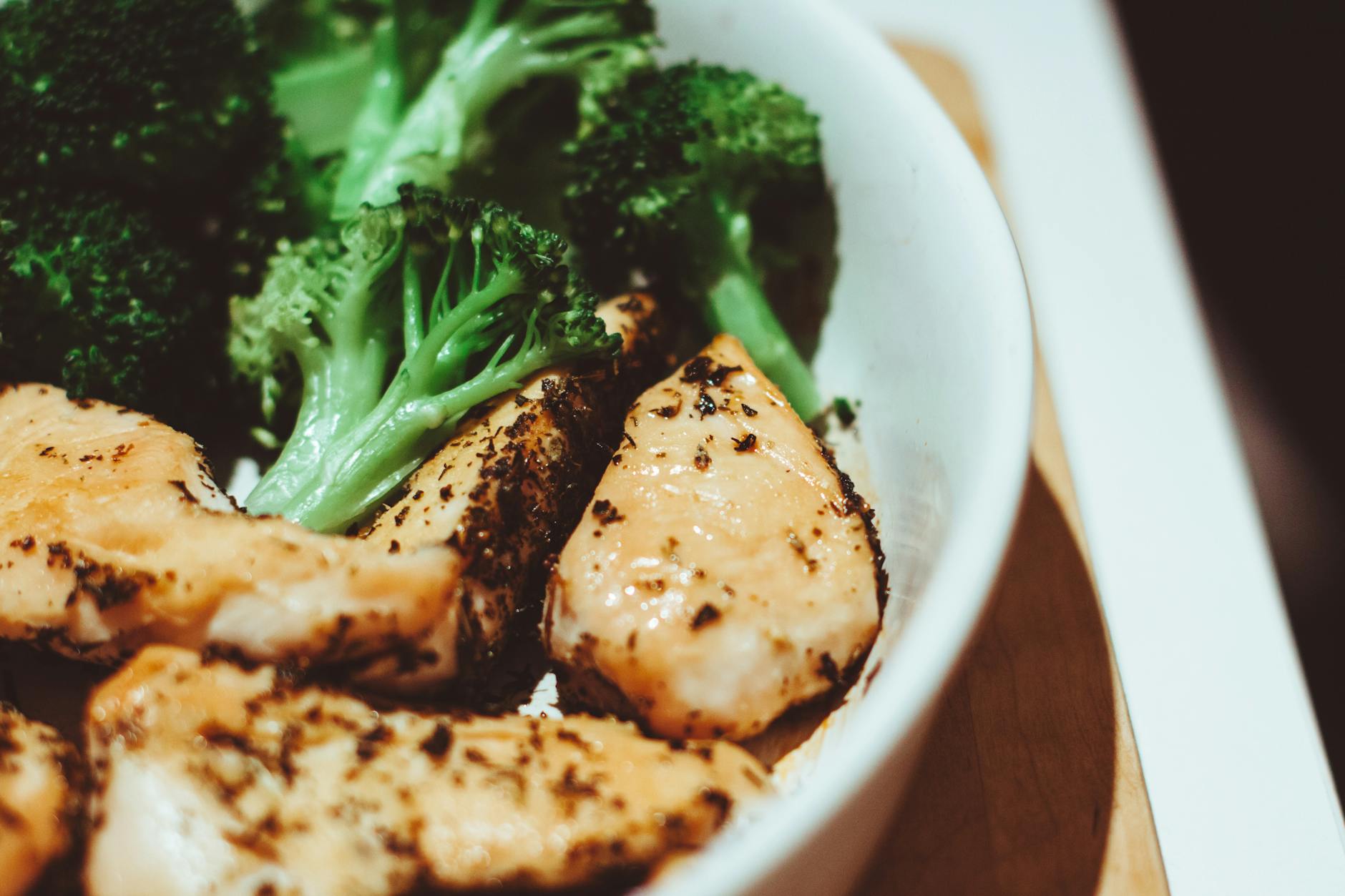
The satiating power of protein is one of the most robust findings in nutritional science. The mechanisms are well-supported by evidence and involve multiple physiological pathways working in concert.
Mechanisms of Satiety
Protein promotes fullness through several key actions:
- Hormonal Modulation: Protein intake significantly increases the release of satiety hormones like peptide YY (PYY) and glucagon-like peptide-1 (GLP-1) from the gut, while reducing levels of the hunger hormone ghrelin. This effect is more pronounced than with carbohydrates or fats.
- Thermic Effect of Food (TEF): Protein has the highest TEF, meaning the body expends more energy to digest, absorb, and metabolize it. This process generates heat and contributes to a prolonged feeling of fullness post-meal.
- Slower Gastric Emptying: Protein slows the rate at which food leaves the stomach, leading to a more sustained release of nutrients into the small intestine and a prolonged signal of fullness.
Preventing Digestive Discomfort
While protein is satiating, certain sources and preparations can cause bloating. The goal is to select and prepare proteins to minimize this. Evidence for prevention strategies is strong for some aspects and more observational for others.
- Protein Source Selection: High-quality, easily digestible proteins like eggs, poultry, fish, and lean meats are generally well-tolerated. Plant-based proteins from lentils or beans contain fermentable oligosaccharides (FODMAPs) that can cause gas and bloating in sensitive individuals.
- Preparation Methods: Soaking and thoroughly cooking legumes, as well as using fermented dairy (e.g., Greek yogurt), can reduce compounds that contribute to gas production.
- Meal Composition: Combining protein with adequate fiber from non-gassy sources (e.g., spinach, zucchini) and sufficient fluids supports smooth digestion. However, very high-fiber meals combined with high protein can overwhelm some digestive systems.
Clinical Perspective: The evidence for protein's role in satiety is strong. For bloating prevention, the evidence is more nuanced and individual. Patients with underlying conditions like irritable bowel syndrome (IBS), small intestinal bacterial overgrowth (SIBO), or kidney impairment should tailor protein sources and amounts under medical or dietitian guidance. A sudden, large increase in dietary protein can cause digestive distress even in healthy individuals; gradual introduction is advised.
In summary, leveraging protein for sustained fullness involves understanding its hormonal and metabolic effects, while preventing bloating requires mindful selection of protein type and attention to overall meal context.
3. Risks and Contraindications for Specific Populations
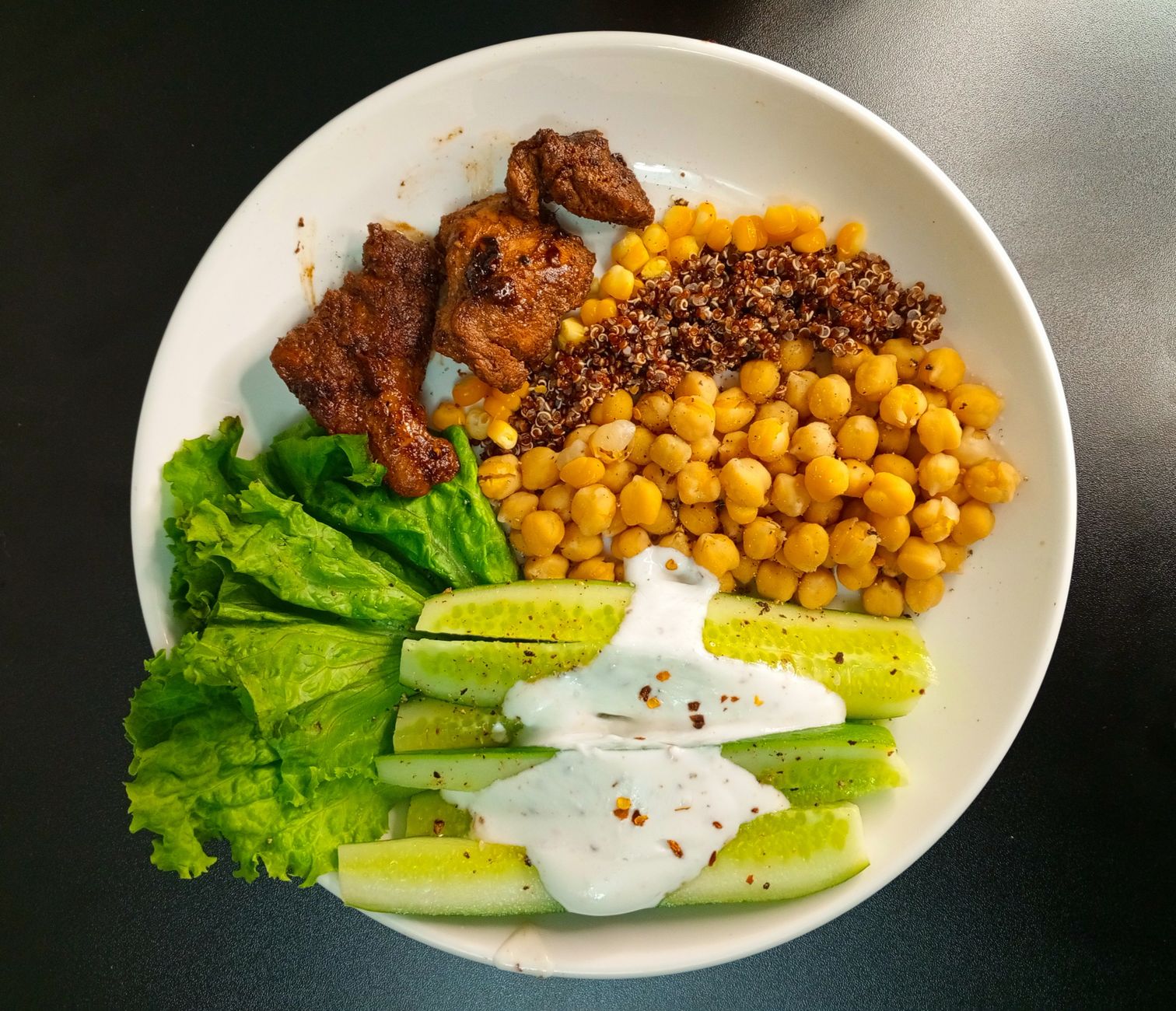
While protein-rich meals can be a cornerstone of a satiating diet, their suitability is not universal. A one-size-fits-all approach can pose risks for individuals with specific health conditions. It is clinically responsible to identify who should exercise caution or seek tailored medical advice before significantly increasing dietary protein.
Individuals with Impaired Kidney Function
This is the most critical contraindication. The kidneys are responsible for filtering the waste products of protein metabolism. For individuals with diagnosed chronic kidney disease (CKD) or significantly reduced kidney function, a high-protein intake can accelerate the decline of renal function. Anyone with known kidney issues must consult their nephrologist or primary care physician to determine a safe, individualized protein target.
People with Certain Liver Conditions
In advanced liver disease, such as cirrhosis, the liver's ability to process protein and ammonia is compromised. A sudden, significant increase in protein can precipitate or worsen hepatic encephalopathy, a serious neuropsychiatric complication. Medical supervision is essential for dietary planning in this population.
Those with a History of Eating Disorders
Prescriptive dietary frameworks, even those focused on health, can be triggering for individuals in recovery from eating disorders like anorexia nervosa, bulimia nervosa, or orthorexia. The emphasis on specific macronutrients and "rules" around food can reinforce disordered patterns. A registered dietitian specializing in eating disorders should be involved in any nutritional changes.
Considerations for Digestive Sensitivities
Many high-protein ingredients, while nutritious, are common triggers for digestive discomfort. Key considerations include:
- Legumes (beans, lentils): Contain FODMAPs (fermentable oligosaccharides) that can cause significant bloating and gas in individuals with irritable bowel syndrome (IBS) or sensitive guts.
- Dairy-based proteins (whey, casein): Can cause issues for those with lactose intolerance or a dairy protein sensitivity, leading to bloating, cramping, and diarrhea.
- Cruciferous vegetables (broccoli, kale): Often paired with protein sources, these are also high in FODMAPs and fiber that may exacerbate bloating in some individuals.
Clinical Insight: The principle of "start low and go slow" is paramount when introducing new protein sources, especially plant-based ones like legumes. Soaking beans, using digestive aids like Beano® (alpha-galactosidase), or opting for lower-FODMAP options (e.g., firm tofu, tempeh) can improve tolerance. However, persistent or severe gastrointestinal symptoms warrant evaluation by a gastroenterologist to rule out underlying conditions like small intestinal bacterial overgrowth (SIBO) or inflammatory bowel disease (IBD).
Finally, individuals on multiple medications or with complex metabolic disorders (e.g., phenylketonuria, certain urea cycle disorders) require highly specialized diets. The overarching recommendation is clear: if you have a pre-existing medical condition or experience adverse symptoms, discussing dietary changes with a qualified healthcare provider is a necessary first step.
4. Practical Clinical Takeaways for Protein Integration
Integrating protein strategically into your diet can support satiety and metabolic health, but a nuanced, evidence-based approach is essential for long-term success and safety. The goal is to enhance nutritional quality without causing digestive discomfort or unintended consequences.
Strong evidence supports the role of adequate protein in promoting fullness (satiety) and preserving lean muscle mass, particularly during weight management. However, the optimal amount and source are highly individual. A general guideline supported by research is to aim for 20-30 grams of high-quality protein per meal to maximally stimulate muscle protein synthesis and satiety signals. Distributing intake evenly across meals is often more effective for appetite control than consuming a large portion in one sitting.
Consider these practical, clinically-informed strategies for integration:
- Prioritize Digestibility: If you have a sensitive gut, start with lean animal proteins or protein powders (e.g., whey isolate, hydrolyzed collagen) which are generally low in fermentable compounds. Introduce plant-based proteins like lentils or chickpeas gradually in small, well-cooked portions to assess tolerance.
- Synergistic Pairing: Combine your protein source with a source of fiber (e.g., steamed greens, avocado) and a healthy fat (e.g., olive oil, nuts). This trio slows gastric emptying, stabilizes blood glucose, and prolongs satiety more effectively than protein alone.
- Mindful Preparation: Cooking methods matter. Grilling, baking, poaching, or steaming are preferable to heavy frying, which can add fats that delay stomach emptying and cause discomfort for some individuals.
- Hydration and Timing: Ensure adequate fluid intake throughout the day, but avoid consuming very large volumes of liquid immediately before or during meals, as this can dilute digestive enzymes and potentially contribute to bloating.
It is crucial to acknowledge the limitations of general advice. Individual protein needs vary dramatically based on age, activity level, kidney function, and health status. The evidence for specific "anti-bloating" recipes is largely anecdotal; what works is highly individual.
Who should exercise caution or consult a healthcare provider? Individuals with known chronic kidney disease (CKD) must not increase protein intake without medical supervision. Those with liver disease, certain metabolic disorders, or a history of eating disorders should also seek personalized guidance. Anyone experiencing persistent bloating, pain, or changes in bowel habits should be evaluated by a physician to rule out underlying conditions like IBS, SIBO, or food intolerances.
5. Safety Considerations and Indications for Medical Consultation
While increasing protein intake through whole foods can be a beneficial strategy for satiety and metabolic health, it is not universally appropriate. A responsible approach requires understanding individual health contexts and potential risks. The following considerations are essential for safe dietary modification.
Who Should Exercise Caution or Seek Medical Advice
Certain individuals should consult a physician or a registered dietitian before significantly altering their protein intake, particularly with the recipes suggested in this article. This is not an exhaustive list, but key groups include:
- Individuals with Chronic Kidney Disease (CKD): High protein intake can increase glomerular filtration rate and may accelerate the progression of kidney damage in those with established CKD. A nephrologist should guide protein recommendations.
- Those with Liver Disease: Impaired liver function can affect protein metabolism and ammonia clearance. Protein intake must be carefully managed under medical supervision.
- People with Specific Gastrointestinal Disorders: While the recipes aim to minimize bloating, individuals with conditions like Irritable Bowel Syndrome (IBS), Small Intestinal Bacterial Overgrowth (SIBO), or inflammatory bowel disease (IBD) may react differently to ingredients like legumes, cruciferous vegetables, or certain fibers. A tailored plan is necessary.
- Individuals on Multiple Medications (Polypharmacy): Dietary changes can interact with drug metabolism or efficacy. This is particularly relevant for medications affecting kidney function or nutrient absorption.
- Those with a History of or Active Eating Disorders: Focusing on macronutrient composition can sometimes trigger disordered eating patterns. Professional guidance from a mental health specialist and dietitian is crucial.
Clinical Perspective: In practice, we assess renal function (via eGFR and albuminuria) and hepatic panel before recommending high-protein diets. The evidence for high protein being harmful to healthy kidneys is limited, but the precaution for those with pre-existing impairment is strong and non-negotiable. Furthermore, "high protein" is relative; individual needs vary by age, activity level, and health status. A blanket recommendation is rarely appropriate.
Understanding the Evidence and Limitations
The satiating effect of protein is supported by robust physiological evidence involving hormones like peptide YY and GLP-1. However, claims about specific foods or recipes preventing bloating are based more on clinical observation and elimination principles than on large-scale, long-term trials. What works for one person may not for another due to unique gut microbiota and sensitivities.
If you experience persistent digestive discomfort, unintended weight loss, changes in urination, or fatigue after dietary changes, discontinue the approach and consult a healthcare provider. These could be signs of an underlying condition requiring diagnosis.
Ultimately, these recipes are tools for general wellness. They are not a substitute for medical advice, diagnosis, or treatment. Integrating them into your lifestyle should be a deliberate, monitored process, especially if you have any pre-existing health conditions.
6. Questions & Expert Insights
Can a high-protein diet really help with satiety and weight management?
Yes, the evidence for protein's role in promoting satiety is robust. Protein has a higher thermic effect of food (TEF) than carbohydrates or fats, meaning your body uses more energy to digest it. More importantly, protein influences key satiety hormones like ghrelin (which stimulates hunger) and peptide YY (which promotes feelings of fullness). Studies consistently show that higher-protein meals lead to greater feelings of fullness and reduced subsequent calorie intake. For weight management, this can be a useful tool to help create a sustainable calorie deficit without constant hunger. However, it is not a magic solution; overall calorie balance, diet quality, and physical activity remain the foundational pillars of long-term weight management.
What are the potential risks or side effects of increasing my protein intake, and who should be cautious?
While generally safe for healthy individuals, a significant and sudden increase in protein can pose risks for some. The most common immediate side effect is digestive discomfort, including bloating or constipation, often due to a concurrent low fiber intake or inadequate hydration. More serious concerns involve individuals with pre-existing kidney disease, as a high protein load can exacerbate renal strain. Those with liver disease or certain metabolic disorders (like phenylketonuria) also require medical supervision. Furthermore, very high-protein diets that severely restrict other food groups can lead to nutrient deficiencies and may be unsustainable or trigger disordered eating patterns in susceptible individuals.
How can I avoid the bloating that sometimes comes with protein shakes or bars?
Bloating from protein supplements is often linked to specific ingredients, not protein itself. Common culprits include:
- Artificial Sweeteners: Sugar alcohols like sorbitol, maltitol, and xylitol are poorly absorbed and can ferment in the gut, causing gas and bloating.
- Thickeners & Gums: Additives like xanthan gum or carrageenan can irritate some digestive systems.
- Lactose: Whey protein concentrate contains lactose, which can cause issues for those with intolerance.
When should I talk to a doctor or dietitian about changing my protein intake, and what should I bring to that appointment?
Consult a healthcare professional before making major dietary changes if you have any chronic health condition, especially kidney or liver disease, are pregnant or breastfeeding, take multiple medications, or have a history of an eating disorder. For a productive conversation, come prepared with specific information. Bring a list of your current medications and supplements, a brief summary of your typical daily diet (a 3-day food log is ideal), and your specific goals (e.g., "I want to feel fuller between meals to manage my weight" or "I'm increasing protein for muscle recovery after exercise"). This allows your provider to give personalized, safe advice that considers your complete health picture, rather than generic recommendations.
7. In-site article recommendations
8. External article recommendations
9. External resources
The links below point to reputable medical and evidence-based resources that can be used for further reading. Always interpret them in the context of your own situation and your clinician’s advice.
-
examine examine.comprotein-packed recipes – Examine.com (search)
-
mayoclinic mayoclinic.orgprotein-packed recipes – Mayo Clinic (search)
-
wikipedia wikipedia.orgprotein-packed recipes – Wikipedia (search)
These external resources are maintained by third-party organisations. Their content does not represent the editorial position of this site and is provided solely to support readers in accessing additional professional information.