
1. Post-Exercise Recovery: The Role of Protein
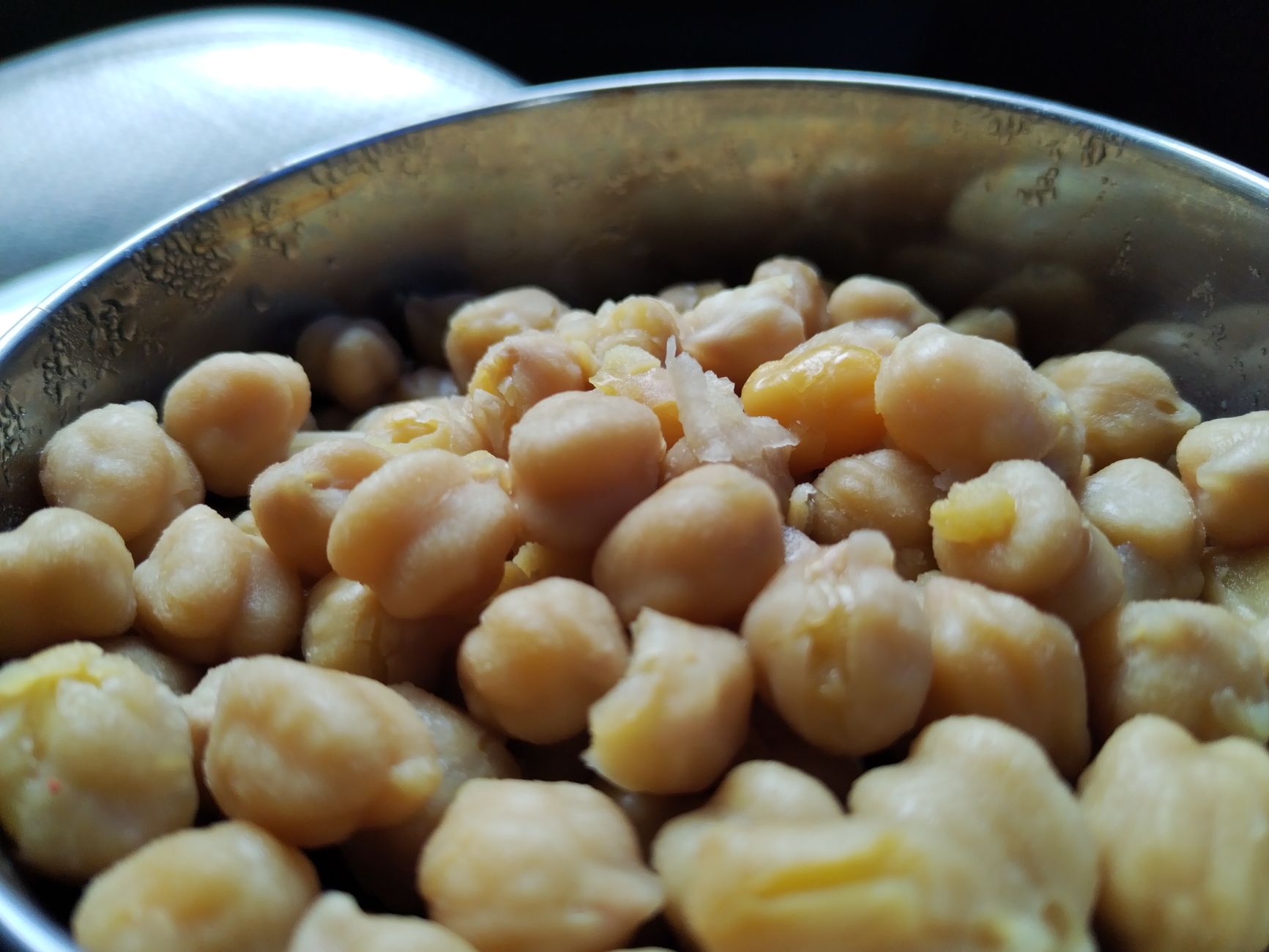
Following physical activity, the body enters a critical recovery phase where nutritional support is paramount. Consuming protein post-exercise is a well-established strategy to facilitate muscle repair and adaptation. The primary mechanisms are the stimulation of muscle protein synthesis (MPS) and the attenuation of muscle protein breakdown, creating a net positive protein balance.
The evidence for post-exercise protein intake is robust, particularly for resistance and endurance training. Key considerations include:
- Timing: The "anabolic window" is more flexible than once thought. Consuming protein within a few hours (e.g., 0-3 hours) post-exercise is beneficial, but daily total protein intake is ultimately more critical.
- Dose: For most individuals, a dose of 20-40 grams of high-quality protein is sufficient to maximally stimulate MPS after a training session.
- Type: Proteins containing all essential amino acids, particularly leucine, are most effective. Sources like whey, eggs, dairy, soy, and lean meats are excellent choices.
While the benefits for muscle hypertrophy and strength recovery are strongly supported, evidence for reducing muscle soreness (DOMS) is more mixed. Protein aids in structural repair, but its direct impact on soreness perception is less clear and may be influenced by other factors like overall diet and training load.
Clinical Insight: From a practical standpoint, the post-exercise meal should be viewed as an opportunity to contribute to the day's protein distribution. Spreading intake evenly across meals (e.g., 0.4-0.55 g/kg per meal) appears more effective for MPS than skewing intake heavily toward one meal. For the general active population, focusing on a whole-food source of protein alongside carbohydrates and fluids is a sound, evidence-based approach to recovery nutrition.
Certain individuals should exercise caution or seek tailored advice. Those with pre-existing kidney disease should not increase protein intake without medical supervision. Individuals with specific metabolic disorders, a history of eating disorders, or those on highly restrictive diets should consult a registered dietitian or physician to ensure their nutritional strategy supports both recovery and overall health.
2. Evidence-Based Mechanisms of Protein in Recovery

Consuming adequate protein after exercise is a cornerstone of sports nutrition, supported by a robust body of evidence. Its role in recovery is not singular but operates through several interconnected physiological mechanisms.
Primary Mechanisms: Muscle Protein Synthesis (MPS)
The most well-established function is the stimulation of Muscle Protein Synthesis (MPS). Exercise, particularly resistance training, creates micro-tears in muscle fibers. To repair and adapt, the body requires amino acids—the building blocks of protein.
- Leucine Trigger: The branched-chain amino acid leucine acts as a key metabolic signal. Its presence in sufficient concentration (a "leucine threshold") is critical for initiating the MPS process.
- Net Protein Balance: Recovery occurs when MPS exceeds Muscle Protein Breakdown (MPB). Post-exercise protein intake creates a positive net protein balance, shifting the body from a catabolic (breaking down) to an anabolic (building up) state.
Supporting Roles in Recovery
Beyond direct muscle repair, protein contributes to other recovery pathways:
- Immune Function: Intense exercise can temporarily suppress immune function. Amino acids are essential for producing antibodies and immune cells, supporting the body's defense system during the vulnerable post-workout period.
- Enzyme and Hormone Synthesis: Protein provides the substrates for synthesizing enzymes that fuel metabolism and hormones involved in the repair process.
- Hydration and Glycogen Replenishment: While carbohydrates are primary for glycogen restoration, co-ingesting protein with carbohydrates may enhance glycogen resynthesis rates and improve fluid retention compared to carbohydrates alone.
Clinical Insight: The evidence for protein stimulating MPS is strong and consistent. The potential synergistic effect with carbohydrates on glycogen is supported, but the practical benefit for most recreational athletes is more nuanced and may be most relevant during periods of very high training frequency with limited recovery time. The overall recovery picture always involves sleep, hydration, and total energy intake.
Considerations and Cautions: While generally safe, individuals with pre-existing kidney disease should not increase protein intake without consulting a nephrologist. Those with liver disease or certain metabolic disorders should also seek personalized medical advice. For the general population, distributing protein intake evenly across meals, including a post-exercise serving of 20-40 grams, is a well-supported strategy.
3. Risks and Contraindications for High-Protein Diets

While the recipes in this article are designed to support recovery, it is crucial to contextualize them within a balanced diet. A sustained, very high-protein intake—typically defined as exceeding 2.0 grams per kilogram of body weight daily—is not necessary or advisable for most people and carries potential risks for specific populations.
Established Risks for Specific Medical Conditions
Individuals with pre-existing kidney disease must exercise extreme caution. High protein intake increases glomerular filtration rate and metabolic workload on the kidneys, which can accelerate the progression of chronic kidney disease (CKD). For those with compromised kidney function, a protein-restricted diet is often a cornerstone of medical management.
Similarly, people with certain liver conditions, such as advanced cirrhosis, may be unable to metabolize protein efficiently, leading to a dangerous buildup of ammonia in the blood (hepatic encephalopathy). In these cases, protein intake must be carefully managed under medical supervision.
Areas of Concern and Mixed Evidence
For individuals with healthy kidneys, the long-term risks of high-protein diets are less clear. Some concerns often cited include:
- Bone Health: Early hypotheses suggested that high protein, especially from animal sources, might increase calcium excretion and weaken bones. However, more recent and robust evidence indicates that adequate protein is vital for bone density and strength, particularly in older adults. The relationship is complex and likely influenced by overall calcium and fruit/vegetable intake.
- Cardiovascular Risk: The impact depends heavily on the protein source and the overall dietary pattern. A diet high in red and processed meats is associated with increased cardiovascular risk, whereas replacing these with plant-based proteins (legumes, nuts) or fish is associated with benefit.
- Nutrient Deficiencies: An overly restrictive focus on protein can crowd out other essential food groups, leading to inadequate fiber, vitamins, and phytonutrients, which are critical for long-term health.
Clinical Perspective: In practice, we rarely see issues from protein in isolation among healthy individuals. The problem typically arises from an imbalanced overall diet or from inappropriate use of high-protein regimens by those with undiagnosed renal impairment. A sudden, drastic increase in protein can also cause digestive discomfort, such as bloating or constipation, if fluid and fiber intake are not adjusted accordingly.
Who Should Seek Medical Advice First?
Consulting a physician or a registered dietitian before significantly increasing protein intake is strongly recommended for:
- Individuals with known kidney or liver disease.
- Those with a history of gout or kidney stones.
- People managing complex metabolic conditions like diabetes.
- Anyone taking multiple medications, as diet changes can affect their metabolism.
- Individuals with a history of or current eating disorders.
For the general healthy population, incorporating protein-rich meals post-exercise is safe and beneficial. The key is to view these recipes as components of a varied diet, not as a prescription for excessive daily protein consumption.
4. Practical Tips for Protein-Rich Post-Exercise Meals

Optimising your post-exercise nutrition involves more than simply consuming protein. The timing, quality, and composition of your meal significantly influence muscle protein synthesis (MPS), glycogen replenishment, and overall recovery. The following evidence-based principles can help you structure your post-workout meals effectively.
Key Principles for Recovery Meals
Current sports nutrition guidelines, supported by a robust body of research, suggest the following actionable strategies:
- Timing and Protein Dose: Consuming 20-40 grams of high-quality protein within 2 hours after exercise is strongly supported for maximising MPS. This "anabolic window" is most critical for those training in a fasted state or performing multiple daily sessions.
- Protein Quality Matters: Prioritise complete protein sources containing all essential amino acids, with a particular focus on leucine. Leucine is a key trigger for MPS. Excellent sources include whey, eggs, lean meats, fish, dairy, soy, and quinoa.
- Combine with Carbohydrates: While protein is crucial for repair, carbohydrates are essential for replenishing muscle glycogen. Including a moderate portion of complex carbs (e.g., sweet potato, brown rice, oats) helps restore energy stores and can create a more favourable hormonal environment for recovery.
- Don't Neglect Hydration and Micronutrients: Replacing fluids lost through sweat is fundamental. Additionally, incorporating whole foods rich in antioxidants (berries, leafy greens) and minerals like magnesium (nuts, seeds) may help manage exercise-induced oxidative stress, though evidence for direct performance benefits is more mixed.
Clinical Insight: The 20-40g protein recommendation is a general guideline. Individual needs vary based on body mass, age, and training intensity. Older adults may require a higher per-meal protein dose to overcome anabolic resistance. For most recreational athletes, spreading protein intake evenly across 3-4 meals daily is as important as the post-workout meal alone.
Practical Application and Cautions
Apply these tips by planning simple meals that integrate a protein source, a complex carb, and vegetables. For example, grilled chicken with quinoa and roasted broccoli, or a smoothie with Greek yogurt, berries, and a spoonful of oats.
Who should exercise caution? Individuals with pre-existing kidney disease should not increase protein intake without consulting their nephrologist. Those with liver conditions or specific metabolic disorders should also seek personalised medical advice. While generally safe, very high-protein diets over extended periods lack long-term safety data for the general population.
Ultimately, consistency with a balanced diet tailored to your energy expenditure is more impactful than obsessing over a single meal. For personalised planning, especially with specific health conditions or performance goals, consulting a registered dietitian or sports nutritionist is recommended.
5. When to Consult a Healthcare Professional

While a balanced diet rich in protein is a foundational pillar of post-exercise recovery, it is not a substitute for professional medical advice. Certain health conditions, physiological states, and unexpected symptoms necessitate consultation with a physician or registered dietitian before making significant dietary changes.
You should consider seeking professional guidance in the following scenarios:
- Pre-existing Kidney or Liver Conditions: High-protein diets can increase the glomerular filtration rate and urea production, placing additional strain on compromised kidneys. Individuals with chronic kidney disease (CKD) or advanced liver disease require individually tailored protein prescriptions.
- Metabolic Disorders: For those with diabetes, gout, or certain inborn errors of metabolism (e.g., phenylketonuria), the type and timing of protein intake must be carefully managed alongside medication and overall metabolic control.
- History of Disordered Eating: A focus on "optimal" nutrition and rigid dietary patterns can trigger or exacerbate conditions like anorexia nervosa, bulimia, or orthorexia. A healthcare team can help develop a healthy relationship with food.
- Unexplained or Persistent Symptoms: If you experience ongoing fatigue, muscle weakness that does not improve with rest and nutrition, severe or persistent muscle soreness (rhabdomyolysis is a medical emergency), or gastrointestinal distress (e.g., bloating, pain) after consuming protein-rich foods, a medical evaluation is crucial to rule out underlying issues.
- Polypharmacy or Specific Medications: Certain medications, such as some ACE inhibitors, antibiotics, or drugs for osteoporosis, can interact with dietary components or require specific nutrient timing. A pharmacist or doctor can review potential interactions.
Clinical Insight: From a clinical perspective, the question is rarely "is protein good?" but rather "what is the appropriate dose, source, and distribution for this individual?" Factors like age, lean body mass, exercise modality (endurance vs. resistance), and overall energy intake are critical. A registered dietitian can perform a nutritional assessment to translate general guidelines into a personalized, effective, and safe eating plan that supports your recovery and overall health goals.
In summary, while the evidence strongly supports the role of dietary protein in muscle protein synthesis and recovery, its application is not one-size-fits-all. Proactively consulting a healthcare professional ensures that nutritional strategies support your physiology safely and effectively, turning general advice into personalized care.
6. Questions & Expert Insights
Is there an ideal amount of protein to eat after a workout?
Research suggests a practical target is 20-40 grams of high-quality protein consumed within a few hours post-exercise to maximize muscle protein synthesis (MPS). This range effectively stimulates MPS for most individuals, with diminishing returns beyond approximately 40 grams per meal. The exact amount can be personalized based on body size, age, and training intensity. For example, a larger athlete doing heavy resistance training may benefit from the higher end of the range. It's important to view this as part of your total daily protein intake, which is a more critical factor for long-term recovery and adaptation than precise nutrient timing alone. While timing can be optimized, consistently meeting daily needs (often 1.2-2.0 g/kg of body weight for active individuals) is foundational.
Are plant-based protein sources as effective as animal-based ones for recovery?
They can be, but strategic combination is often key. Animal proteins (whey, eggs, dairy, meat) are "complete," meaning they contain all essential amino acids in sufficient ratios, including a high leucine content, which is a primary trigger for MPS. Many individual plant proteins (like beans or rice) are lower in one or more essential amino acids. However, by consuming a variety of plant sources throughout the day—such as pairing legumes with grains or seeds—you can achieve a complete amino acid profile. For a single post-workout meal, using a combination like lentils and quinoa or opting for higher-quality plant proteins like soy, pea, or hemp can be effective. The evidence indicates that total protein and leucine intake are the primary drivers, not the source itself, provided amino acid needs are met.
Who should be cautious with high-protein post-workout meals, and what are potential risks?
Individuals with pre-existing kidney disease should not increase protein intake without explicit guidance from their nephrologist, as excess protein can exacerbate kidney strain. Those with significant liver disease or certain metabolic disorders (e.g., phenylketonuria) also require medical supervision. For generally healthy people, very high protein intakes (chronically exceeding 2 g/kg/day) may cause digestive discomfort, dehydration, or displace other vital nutrients from fruits, vegetables, and whole grains. There is no strong evidence that high protein harms healthy kidneys, but it is not risk-free for all. Anyone with a history of disordered eating should approach focused meal timing with care, as it can inadvertently reinforce rigid patterns.
When should I talk to a doctor or dietitian about my post-exercise nutrition?
Consult a healthcare professional if you have a chronic medical condition (kidney, liver, cardiac disease, diabetes), are pregnant or breastfeeding, take medications that affect metabolism, or are considering drastic dietary changes. It's also advisable if you're not seeing expected recovery or performance gains despite consistent effort. Before your appointment, prepare a 3-day food log, details of your training regimen, and any specific symptoms (e.g., persistent fatigue, gastrointestinal issues, muscle cramps). This data helps the provider move beyond general advice to personalized guidance. A registered dietitian (RD/RDN) specializing in sports nutrition can offer nuanced meal planning that aligns with your health status and fitness goals, ensuring your approach is both effective and safe.
7. In-site article recommendations
8. External article recommendations
9. External resources
The links below point to reputable medical and evidence-based resources that can be used for further reading. Always interpret them in the context of your own situation and your clinician’s advice.
-
healthline healthline.comprotein-rich recipes – Healthline (search)
-
mayoclinic mayoclinic.orgprotein-rich recipes – Mayo Clinic (search)
-
drugs drugs.comprotein-rich recipes – Drugs.com (search)
These external resources are maintained by third-party organisations. Their content does not represent the editorial position of this site and is provided solely to support readers in accessing additional professional information.