
1. Introduction to Detoxification and Dietary Support

In clinical and physiological terms, "detoxification" refers to the body's intrinsic, continuous processes for neutralizing and eliminating metabolic waste products, environmental toxins, and exogenous compounds. These processes are primarily managed by the liver, kidneys, gastrointestinal tract, skin, and lungs. The goal of dietary support is not to "cleanse" an otherwise inert system, but to provide the essential nutrients required for these endogenous pathways to function optimally.
The concept of using specific foods or beverages to "detox" is popular, but the evidence is nuanced. While no single food can magically purge toxins, a consistent pattern of nutrient-dense eating is strongly associated with supporting the body's natural detoxification capacity. The scientific rationale centers on providing:
- Antioxidants and Phytonutrients: Compounds like glutathione precursors, flavonoids, and sulfur-containing molecules can support Phase I and Phase II liver detoxification enzymes and combat oxidative stress generated during metabolic processes.
- Dietary Fiber: Adequate soluble and insoluble fiber promotes regular bowel movements, which is a primary route for the excretion of waste and toxins that have been processed by the liver and released into the bile.
- Hydration: Sufficient fluid intake is critical for kidney filtration and the urinary excretion of water-soluble metabolites.
It is crucial to distinguish between evidence-based nutritional support and commercial "detox" programs. High-quality evidence supports the general health benefits of a diet rich in fruits, vegetables, and whole foods. However, claims that specific smoothie formulas directly accelerate detoxification beyond supporting baseline physiology often rely on preliminary studies, anecdotal reports, or mechanistic data from cell and animal models.
Clinical Perspective: From a medical standpoint, a well-formulated smoothie can be a practical vehicle for increasing intake of vitamins, minerals, and antioxidants that are foundational to health. The focus should be on dietary adequacy and supporting the organs that perform detoxification daily, rather than on short-term, restrictive "cleanses" which can be counterproductive and lack rigorous scientific validation for their specific claims.
Individuals with certain health conditions should exercise particular caution and consult a physician or registered dietitian before making significant dietary changes, including the regular use of nutrient-concentrated smoothies. This includes those with:
- Kidney disease or impaired renal function, due to potential potassium or oxalate load.
- Diabetes or severe insulin resistance, due to the impact of fruit sugars on blood glucose.
- Active gastrointestinal disorders (e.g., IBD, IBS).
- A history of eating disorders.
This chapter provides a foundation for understanding how dietary choices, including the smoothie formulas discussed later, can be framed within a responsible, evidence-informed approach to supporting the body's inherent physiological functions.
2. Evidence-Based Mechanisms of Detox-Supportive Nutrients
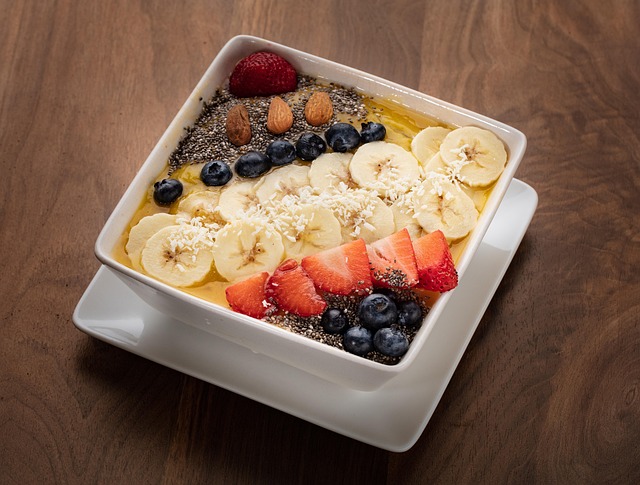
The term "detoxification" in a clinical context refers to the body's intrinsic, multi-stage biochemical processes for neutralizing and eliminating potentially harmful substances. These processes occur primarily in the liver, kidneys, gut, and lymphatic system. Certain nutrients play well-documented, supportive roles in these pathways by acting as cofactors, antioxidants, or phase II enzyme inducers.
The evidence for nutrient support is strongest for the liver's two-phase detoxification system. In Phase I, cytochrome P450 enzymes modify toxins, often creating reactive intermediates. Nutrients like B-vitamins (riboflavin, niacin) act as essential cofactors for these enzymes.
In Phase II, conjugation pathways (like glucuronidation, sulfation, and glutathione conjugation) make these intermediates water-soluble for excretion. Key nutrients here include:
- Sulfur-containing compounds (from cruciferous vegetables like broccoli): Compounds like sulforaphane are potent inducers of Phase II enzymes, a mechanism supported by numerous cell and animal studies.
- Glutathione precursors (found in whey protein, asparagus, avocado): The amino acids cysteine, glycine, and glutamate are building blocks for glutathione, the body's master antioxidant and a primary Phase II conjugator.
- Flavonoids (from berries, citrus): Certain flavonoids can modulate both Phase I and Phase II enzyme activity, though the effects are complex and compound-specific.
Other mechanisms include supporting elimination. Dietary fiber (from chia seeds, leafy greens) binds to waste products and bile acids in the gut, promoting regular excretion and reducing enterohepatic recirculation of toxins. Potassium and magnesium (abundant in bananas and spinach) support kidney filtration and overall cellular function.
Clinical Perspective: It is crucial to frame this support as "optimizing innate function" rather than an external "cleanse." The human body is continuously detoxifying. The goal of nutritional support is to ensure these systems have the requisite cofactors and antioxidants to function efficiently and without excessive oxidative stress from Phase I activity. High-dose supplementation of isolated "detox" nutrients is rarely necessary and can be counterproductive or harmful.
The evidence for these mechanistic roles is robust in preclinical models, but direct translation to measurable "detox" outcomes in healthy humans is more complex. Large-scale, long-term human trials are limited. Individuals with pre-existing liver or kidney disease, those on medication (which can interact with cytochrome P450 enzymes), or pregnant individuals should consult a physician before making significant dietary changes aimed at modulating detoxification pathways.
3. Risks and Populations to Exercise Caution

While incorporating nutrient-dense smoothies can be a positive dietary choice, the concept of "accelerated detoxification" requires a cautious and evidence-based perspective. The human body possesses highly efficient, endogenous detoxification systems primarily involving the liver, kidneys, gastrointestinal tract, and skin. The evidence supporting the claim that specific food combinations can significantly accelerate these processes beyond their normal capacity is limited and often preliminary.
It is crucial to understand that no single food or drink can substitute for the body's innate physiological functions. Potential risks are not inherent to the smoothies themselves but often arise from how they are integrated into one's lifestyle or from pre-existing health conditions.
Key Populations for Whom Caution is Advised
Certain individuals should consult a healthcare professional, such as a physician or registered dietitian, before making significant dietary changes, including the regular use of "detox" smoothies.
- Individuals with Kidney Disease: Smoothies high in potassium (e.g., from spinach, bananas) or oxalates (e.g., from spinach, beet greens) can pose risks for those with compromised kidney function, potentially leading to dangerous electrolyte imbalances or kidney stone formation.
- Individuals with Diabetes or Prediabetes: Even smoothies made from whole fruits can concentrate natural sugars and lead to rapid spikes in blood glucose, especially if fiber content is low. Careful carbohydrate counting and monitoring are essential.
- Those on Specific Medications: High doses of vitamin K from leafy greens can interfere with blood-thinning medications like warfarin. Certain ingredients (e.g., grapefruit, high-dose turmeric) may also interact with prescription drugs by affecting liver metabolism.
- People with Gastrointestinal Disorders: For individuals with conditions like irritable bowel syndrome (IBS), Crohn's disease, or ulcerative colitis, high-fiber or high-FODMAP ingredients common in smoothies (e.g., certain fruits, cruciferous vegetables) can exacerbate symptoms like bloating, gas, and abdominal pain.
- Individuals with a History of Eating Disorders: Framing foods around "detoxification" or "cleansing" can reinforce harmful, restrictive eating patterns and should be avoided.
Clinical Perspective: From a medical standpoint, the term "detox" is often a misnomer in nutritional contexts. A balanced, whole-food diet supports the body's natural detoxification pathways—there is no strong clinical evidence for the need to "accelerate" them in healthy individuals. The primary risk lies in the potential for these regimens to displace balanced meals, leading to nutrient deficiencies, or in the exacerbation of underlying chronic conditions. Any dietary approach that promises rapid, systemic cleansing should be viewed with skepticism.
For the general healthy population, these smoothies are likely safe when consumed as part of a varied diet. However, they are not a substitute for medical treatment, and their benefits should not be overstated. If you have any chronic health condition or take regular medication, a discussion with your doctor is a prudent first step.
4. Practical Guidelines for Incorporating Smoothies

To integrate smoothies into your routine effectively and safely, a measured, evidence-based approach is essential. The goal is to use them as a nutrient-dense supplement to a balanced diet, not as a total replacement for whole foods or a method for extreme cleansing.
Integration and Timing
For most individuals, consuming one smoothie per day is a sustainable practice. Optimal timing depends on your goals:
- As a Meal Replacement: A smoothie can serve as a convenient breakfast or lunch. To qualify as a balanced meal, it must contain adequate protein (e.g., Greek yogurt, protein powder, nut butter), healthy fats (avocado, chia seeds), and fiber from whole fruits and vegetables.
- As a Snack: A smaller, less calorie-dense smoothie can help manage hunger between meals. Focus on vegetables and a modest amount of fruit to avoid excessive sugar intake.
There is limited high-quality evidence to support specific "detox" timing protocols (e.g., consuming only smoothies for multiple days). Such restrictive practices can lead to nutrient deficiencies, low energy, and disrupt normal metabolic function.
Key Considerations for Safety and Efficacy
- Prioritize Whole Ingredients: Use whole fruits and vegetables over juices to retain beneficial fiber, which supports satiety and healthy digestion.
- Mind the Sugar: Even natural sugars from fruit can impact blood glucose. Balance sweet fruits with leafy greens, healthy fats, and protein to blunt the glycemic response.
- Hydration is Fundamental: Smoothies contribute to fluid intake, but they should not replace plain water, which is crucial for all physiological detoxification pathways, primarily via the kidneys and liver.
- Listen to Your Body: Introduce new ingredients gradually. Some high-fiber components or specific greens (like raw kale in large quantities) may cause digestive discomfort in sensitive individuals.
Clinical Perspective: From a medical standpoint, the body's detoxification systems (liver, kidneys, gastrointestinal tract, skin) are highly efficient and self-regulating. The value of a nutrient-rich smoothie lies in reducing the intake of processed foods and increasing antioxidants, vitamins, and minerals that support these organs' inherent functions. It is not a "cleanse" but a form of nutritional support.
Who Should Exercise Caution?
Consult with a physician or a registered dietitian before significantly altering your diet if you have:
- Kidney disease, particularly if advised to monitor potassium or phosphorus intake.
- Diabetes or prediabetes, to manage carbohydrate and sugar content effectively.
- A history of eating disorders, as focusing on "cleansing" can trigger unhealthy patterns.
- Certain gastrointestinal conditions (e.g., IBS, IBD) where high-FODMAP ingredients may exacerbate symptoms.
- Are pregnant, breastfeeding, or on medications that interact with specific foods (e.g., blood thinners and vitamin K-rich greens).
Ultimately, the most practical guideline is consistency. A well-constructed smoothie consumed regularly as part of a varied, whole-foods diet is a more sustainable and physiologically sound strategy than any short-term, restrictive protocol.
5. Safety Considerations and Professional Consultation

While incorporating nutrient-dense smoothies can be a supportive component of a healthy diet, it is essential to approach any dietary change, including those framed as "detoxification," with clinical caution. The concept of "detox" is often poorly defined in popular wellness culture and is not a recognized medical term for most individuals with healthy, functioning liver and kidneys, which are the body's primary and highly efficient detoxification organs.
Before integrating new formulas, consider the following key safety points:
- Underlying Health Conditions: Individuals with kidney disease must be extremely cautious with high-potassium ingredients like spinach, bananas, and avocados. Those with diabetes should carefully account for the carbohydrate and sugar content of fruits and juices to avoid blood glucose spikes.
- Medication Interactions: High-vitamin K foods (e.g., kale, spinach) can interfere with blood-thinning medications like warfarin. Certain herbs or high-dose supplements sometimes added to smoothies may also interact with prescription drugs.
- Digestive Sensitivity: A sudden, high intake of fiber from greens, seeds, and fruits can cause significant bloating, gas, or abdominal discomfort for some individuals.
- Nutritional Balance: Replacing meals consistently with smoothies can lead to inadequate intake of essential nutrients like protein, healthy fats, and certain minerals if the formulas are not carefully constructed.
Clinical Perspective: From a medical standpoint, there is limited high-quality evidence that specific smoothie formulas "accelerate" detoxification beyond supporting general nutrition. The perceived benefits often stem from increased hydration, reduced intake of processed foods, and higher consumption of vitamins and antioxidants. It is more accurate to view these blends as a method to increase fruit and vegetable intake, not as a therapeutic detox protocol.
It is strongly recommended to consult with a healthcare professional—such as a primary care physician, registered dietitian, or a relevant specialist—before making significant dietary changes, especially if you:
- Have any chronic health condition (e.g., diabetes, kidney, liver, or heart disease).
- Are pregnant or breastfeeding.
- Are taking any prescription medications.
- Have a history of eating disorders or are undergoing significant weight management.
A professional can provide personalized advice, ensure nutritional adequacy, and help you avoid potential risks, turning a well-intentioned dietary addition into a safe and sustainable practice.
6. Questions & Expert Insights
What does "detoxification" actually mean in a medical context, and can a smoothie really do it?
In clinical terms, detoxification refers to the body's innate, continuous processes—primarily in the liver and kidneys—that neutralize and eliminate metabolic waste, environmental toxins, and drugs. A smoothie cannot perform these biochemical functions. The term "detox" in popular wellness often implies a short-term cleanse to remove toxins, a concept not supported by mainstream medicine. The value of nutrient-dense smoothies lies in supporting the organs that handle detoxification. Ingredients like cruciferous vegetables (e.g., kale, broccoli) contain compounds like sulforaphane that may upregulate the body's own Phase II detoxification enzymes. However, this is a supportive, not a replacement, role. The evidence for specific "detox" formulas is often preliminary, based on cell or animal studies, and not conclusive in humans. Think of these smoothies as a way to increase intake of supportive nutrients, not as a standalone detox protocol.
Who should be cautious or avoid high-intensity "detox" smoothie regimens?
Several groups should exercise significant caution. Individuals with kidney disease, especially those on potassium or fluid restrictions, must avoid smoothies high in potassium (e.g., from spinach, bananas) and large fluid volumes. Those with diabetes need to monitor carbohydrate and sugar content closely, even from natural sources like fruit, to prevent blood sugar spikes. People with a history of eating disorders should avoid any regimen framed as a "cleanse" or "detox," as it can trigger disordered patterns. Individuals on blood thinners (e.g., warfarin) need to maintain consistent vitamin K intake; suddenly consuming large amounts of leafy greens can interfere with medication efficacy. Anyone with known food allergies or sensitivities to common smoothie ingredients (e.g., nuts, seeds, soy) must modify formulas accordingly. For most people, incorporating one nutrient-rich smoothie into a balanced diet is low-risk, but restrictive or replacement regimens carry higher potential for harm.
When should I talk to my doctor before starting a new dietary routine like this, and what should I discuss?
Consult a physician or a registered dietitian if you have any chronic health condition (kidney, liver, heart disease, diabetes), are pregnant or breastfeeding, take prescription medications, or are considering replacing meals with smoothies. Before your appointment, prepare a list of the key ingredients you plan to use regularly. Bring a list of all your current medications and supplements. Specifically ask: "Could any ingredients in these smoothies interact with my medications or affect my condition? Are there any nutrient levels (like potassium, vitamin K, or sugar) I need to monitor given my health status?" This allows for a personalized risk assessment. A doctor can't comment on a vague "detox plan," but they can provide crucial guidance on specific dietary components relative to your unique medical profile.
How long should I follow a "detox" smoothie plan, and what are realistic expectations for results?
There is no evidence-based optimal duration for a "detox" plan, as the premise itself is not medically defined. A more sustainable and clinically sound approach is to integrate a single nutrient-dense smoothie as a regular component of a balanced diet, not as a short-term, restrictive protocol. Realistic expectations include potentially improved hydration, increased intake of vitamins, minerals, and fiber, which may support overall digestive regularity and energy levels. You are unlikely to experience "flushes of toxins," dramatic weight loss, or a cure for chronic conditions. Any regimen that severely restricts calories or entire food groups is unsustainable and can lead to nutrient deficiencies, fatigue, and a negative relationship with food. The goal should be long-term dietary patterns, not short-term extremes. The limitations of the evidence are significant; many purported benefits are extrapolated from isolated nutrient studies, not from the complex whole-food smoothie consumed in real life.
7. In-site article recommendations
8. External article recommendations
9. External resources
The links below point to reputable medical and evidence-based resources that can be used for further reading. Always interpret them in the context of your own situation and your clinician’s advice.
-
mayoclinic mayoclinic.orgdetox smoothies – Mayo Clinic (search)
-
examine examine.comdetox smoothies – Examine.com (search)
-
healthline healthline.comdetox smoothies – Healthline (search)
These external resources are maintained by third-party organisations. Their content does not represent the editorial position of this site and is provided solely to support readers in accessing additional professional information.