
1. Gut Health Fundamentals and Dietary Context
The gastrointestinal (GI) tract is a complex ecosystem, and its health is foundational to overall well-being. The term "gut health" broadly refers to the effective digestion and absorption of nutrients, the absence of GI illness, a balanced and resilient gut microbiota, and an effective immune and barrier function. A key concept is the gut microbiome—the trillions of bacteria, viruses, and fungi residing in the colon. A diverse and stable microbiome is strongly associated with positive health outcomes, while dysbiosis (an imbalance) is linked to conditions ranging from irritable bowel syndrome (IBS) to metabolic disorders.
Diet is the single most influential modifiable factor shaping the gut environment. The goal is to provide substrates that support beneficial microbes and maintain the integrity of the gut lining. Two primary dietary components achieve this:
- Prebiotics: These are non-digestible fibers that serve as food for beneficial gut bacteria. Strong evidence supports that a diet rich in diverse prebiotics promotes bacterial diversity and the production of short-chain fatty acids (SCFAs) like butyrate, which are crucial for colonocyte health and systemic anti-inflammatory effects.
- Probiotics: These are live microorganisms that, when administered in adequate amounts, confer a health benefit. Evidence for their efficacy is more specific and condition-dependent. While certain strains have robust evidence for managing conditions like antibiotic-associated diarrhea, the benefits of general probiotic consumption in healthy individuals are less definitive and highly strain-specific.
It is critical to view any single food or ingredient, including those highlighted in smoothies, within the broader context of the total diet. An isolated "superfood" cannot compensate for an otherwise poor dietary pattern. The most robust evidence for gut health supports a long-term, whole-foods approach rich in plants, which naturally provides a spectrum of fibers, polyphenols, and nutrients.
Clinical Perspective: In practice, we emphasize dietary patterns over singular ingredients. A patient seeking to improve gut health should first focus on consistently incorporating a variety of fruits, vegetables, legumes, and whole grains. Smoothies can be a convenient vehicle for these foods, but they are a tool, not a solution. Individuals with Small Intestinal Bacterial Overgrowth (SIBO), fructose intolerance, or certain IBS subtypes may experience worsening symptoms from high-fiber smoothies and should seek tailored advice from a gastroenterologist or dietitian.
Before significantly increasing fiber intake or adding new functional ingredients, individuals with chronic kidney disease, those on specific medications, or with a history of bowel obstructions should consult their physician. Dietary changes should be introduced gradually to allow the gut microbiota to adapt.
2. Evidence-Based Mechanisms of Action
Understanding how specific ingredients function within the digestive system is key to making informed dietary choices. The proposed benefits of certain smoothie components for gut health are grounded in several well-established physiological mechanisms. It is important to note that while the mechanisms are sound, the translation into measurable health outcomes can vary based on individual gut microbiota composition, overall diet, and health status.
The primary pathways through which these ingredients may exert their effects include:
- Prebiotic Action: Certain fibers, like inulin from chicory root or resistant starch from green bananas, are not digested in the upper GI tract. They reach the colon intact, where they serve as a selective fuel source for beneficial bacteria such as Bifidobacteria and Lactobacilli. This fermentation process produces short-chain fatty acids (SCFAs) like butyrate, which are critical for colonocyte health, reducing inflammation, and maintaining gut barrier integrity.
- Direct Microbial Modulation: Fermented ingredients like kefir or live-culture yogurt introduce exogenous probiotic strains. These can transiently colonize the gut, potentially outcompeting pathogenic bacteria, modulating immune function, and contributing to a more diverse microbial ecosystem. The evidence for sustained colonization from dietary sources alone is mixed and often strain-specific.
- Anti-inflammatory and Antioxidant Support: Polyphenols from berries, ginger, and turmeric can reduce oxidative stress and downregulate inflammatory pathways in the gut lining. This creates a more favorable environment for commensal bacteria and may help mitigate symptoms in conditions like irritable bowel syndrome (IBS).
- Mucosal and Motility Support: Soluble fibers, such as those in flaxseed or chia seeds, form a gel-like substance that can soften stool, regulate bowel transit time, and provide a protective layer along the intestinal mucosa.
Clinical Perspective: While these mechanisms are robust in preclinical models, human trial data is often more nuanced. Effects can be highly individualized. For instance, a high-fiber prebiotic smoothie may significantly improve symptoms for one person with constipation-predominant IBS but exacerbate bloating and gas in another with small intestinal bacterial overgrowth (SIBO) or a highly sensitive gut. The dose and combination of ingredients also matter; more is not always better.
It is crucial for individuals with known digestive disorders (e.g., IBD, SIBO, severe IBS), kidney disease (regarding high-potassium ingredients), or those on specific medications to consult a gastroenterologist or dietitian before making significant dietary changes. Introducing high-fiber or fermented ingredients gradually allows the gut microbiota to adapt and minimizes potential discomfort.
3. Contraindications and Population-Specific Risks
While incorporating functional ingredients into smoothies can be a beneficial dietary strategy, it is not universally appropriate. A personalized approach, considering individual health status and potential interactions, is essential for safety and efficacy.
Specific Medical Conditions Requiring Caution
Certain chronic conditions necessitate careful modification or avoidance of common gut-health ingredients.
- Chronic Kidney Disease (CKD): High-potassium ingredients like spinach, bananas, and chia seeds can pose a significant risk of hyperkalemia in advanced CKD. Portion control and medical guidance are critical.
- Inflammatory Bowel Disease (IBD) Flares: During active Crohn's disease or ulcerative colitis, high-fiber ingredients (e.g., flaxseed, psyllium husk, cruciferous vegetables) may exacerbate symptoms like bloating, pain, and diarrhea. A low-residue diet is often recommended during these periods.
- Small Intestinal Bacterial Overgrowth (SIBO) or Severe IBS: Ingredients high in fermentable oligosaccharides, disaccharides, monosaccharides, and polyols (FODMAPs), such as certain fruits (mango, apple), honey, or inulin, can trigger significant gas, bloating, and discomfort.
- Blood Sugar Disorders: Smoothies can concentrate sugars from fruits and sweeteners. Individuals with diabetes or insulin resistance must carefully account for total carbohydrates and glycemic load, prioritizing low-sugar vegetables and healthy fats/proteins to blunt the glucose response.
Medication and Supplement Interactions
Bioactive compounds can interfere with drug metabolism or action.
- Blood Thinners (e.g., Warfarin): Large, consistent amounts of vitamin K-rich leafy greens (kale, spinach) can antagonize the drug's effect, requiring stable intake and close INR monitoring.
- Diuretics or Heart Medications: The potassium content in green smoothies, combined with certain medications, can potentially lead to electrolyte imbalances.
- Immunosuppressants: Introducing potent probiotics (e.g., from kefir or high-dose supplements) should be discussed with a physician, especially for severely immunocompromised individuals.
Clinical Insight: The principle "start low and go slow" is paramount when introducing fermentable fibers or new probiotics. Sudden, large increases in fiber intake almost universally cause gas and bloating. Gradual introduction allows the gut microbiota to adapt. Furthermore, a "healthy" smoothie is not a substitute for medical treatment for diagnosed gastrointestinal conditions.
Special Populations
Additional considerations apply to specific life stages.
- Pregnancy and Lactation: While generally safe, unpasteurized ingredients (e.g., some kefir, juices) should be avoided. Herbal additives or excessive amounts of certain botanicals are not recommended without obstetrician approval.
- History of Eating Disorders: The focus on "clean," restrictive, or functionally optimized foods can inadvertently reinforce disordered eating patterns. In such cases, dietary changes should be managed within a therapeutic framework.
- Food Allergies/Intolerances: Common smoothie ingredients like nuts, seeds, dairy (yogurt, kefir), and soy are frequent allergens. Always verify ingredients.
Key Takeaway: Individuals with pre-existing medical conditions, those taking regular medications, or those in special life stages should consult a physician or a registered dietitian before making significant dietary changes. This ensures a strategy that supports gut health without introducing new risks.
4. Actionable Integration Strategies
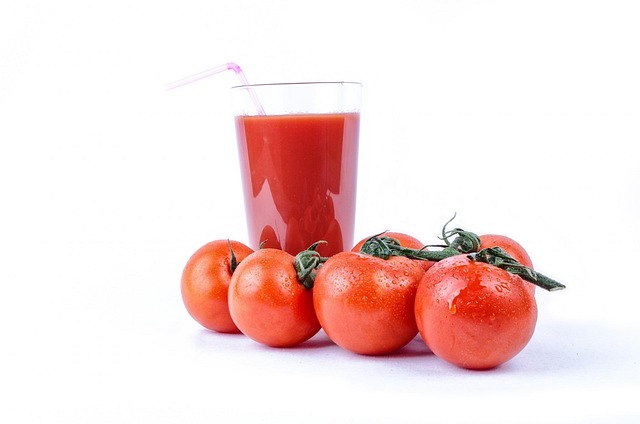
Successfully integrating gut-supportive smoothie ingredients into your routine requires a thoughtful, evidence-based approach that prioritizes tolerance and long-term adherence. A sudden, large increase in fiber or fermented foods can cause significant bloating, gas, and discomfort. The key is a gradual, systematic introduction.
Begin by adding one new ingredient at a time, starting with a small quantity. For example, introduce a half-teaspoon of ground flaxseed or a quarter-cup of kefir. Maintain this level for 3-5 days to assess your body's response before considering a slight increase. This method allows your gut microbiota to adapt without overwhelming your digestive system.
To ensure nutritional balance and avoid excessive sugar intake, structure your smoothie with a clear framework:
- Base (1-1.5 cups): Water, unsweetened almond milk, or kefir for probiotics.
- Produce (1-2 cups): Prioritize leafy greens (spinach, kale) and low-sugar berries over high-sugar fruits like mango or pineapple.
- Fiber & Protein (1-2 tbsp/scoop): Add one fiber source (ground flax, chia seeds) and one protein source (plain protein powder, hemp seeds) to promote satiety and blood sugar stability.
- Flavor (to taste): Use spices like cinnamon or ginger, or a small amount of vanilla extract, instead of sweeteners.
Consistency is more impactful than occasional large doses. Aiming for a well-constructed smoothie 3-4 times per week as a meal replacement or snack can provide a sustained source of prebiotics and probiotics, which is supported by stronger evidence for modulating gut flora than sporadic use.
Clinical Consideration: While generally safe for most, individuals with Small Intestinal Bacterial Overgrowth (SIBO), FODMAP sensitivities, or active Inflammatory Bowel Disease (IBD) flares may react poorly to high-fiber or fermented ingredients. Those with kidney disease should monitor potassium intake from greens and bananas. Always consult with a physician or registered dietitian before making significant dietary changes, especially if you have underlying gastrointestinal conditions, are pregnant, or are on medications.
Finally, view the smoothie as one component of a gut-healthy lifestyle. Its benefits are best supported by evidence when combined with adequate hydration, regular physical activity, stress management, and a overall diverse, plant-forward diet.
5. Professional Consultation and Safety Protocols
While incorporating nutrient-dense ingredients into smoothies can be a positive step for gut health, it is not a substitute for professional medical advice or a comprehensive health plan. The evidence for individual ingredients varies, and their effects are highly individual. A proactive, safety-first approach is essential.
Before significantly altering your diet, particularly with concentrated sources of fiber, prebiotics, or bioactive compounds, consulting with a healthcare provider is strongly recommended. This is especially critical for individuals with pre-existing conditions.
- Digestive Disorders: Those with Irritable Bowel Syndrome (IBS), Small Intestinal Bacterial Overgrowth (SIBO), or Inflammatory Bowel Disease (IBD) may experience significant discomfort or flare-ups from high-FODMAP prebiotics (like inulin) or excessive fiber.
- Kidney Conditions: Individuals with chronic kidney disease must monitor potassium and oxalate intake; ingredients like spinach and certain seeds may require strict limitation.
- Medication Interactions: High-vitamin K foods (e.g., kale) can interfere with blood thinners like warfarin. Always discuss dietary changes with your doctor or pharmacist if you are on medication.
- Pregnancy and Lactation: While generally safe, specific herbal additions or unusually high intakes of certain compounds should be reviewed with an obstetrician.
Clinical Perspective: From a gastroenterology standpoint, we see "gut health" as a balance. Aggressively adding multiple fermentable fibers or prebiotics simultaneously—a common mistake with "superfood" smoothies—can overwhelm the system, causing bloating, gas, and pain. The principle is to start low, go slow, and introduce one new ingredient at a time to assess tolerance. Furthermore, a smoothie is part of an overall dietary pattern; its benefits can be negated by a diet high in ultra-processed foods and low in overall variety.
It is also important to manage expectations regarding the evidence. While components like soluble fiber and polyphenols have strong, consistent data supporting their role in a healthful diet, claims about specific "superfood" combinations revolutionizing gut microbiota are often based on preliminary in-vitro or animal studies. Human data is more nuanced and person-specific.
Your safest pathway is to use these ingredients as complementary tools within a plan developed with a registered dietitian or your physician, who can tailor advice to your unique health history, current medications, and nutritional needs.
6. Questions & Expert Insights
Can a smoothie truly "heal" or "fix" my gut health issues?
It is important to frame smoothies as a supportive component of a broader gut health strategy, not a standalone cure. The ingredients highlighted, such as kefir (probiotics), flaxseed (fiber), and ginger (anti-inflammatory compounds), are backed by evidence for their roles in promoting a healthy gut microbiome, reducing inflammation, and supporting digestion. However, "gut health issues" encompass a wide spectrum, from occasional bloating to diagnosed conditions like Irritable Bowel Syndrome (IBS) or Inflammatory Bowel Disease (IBD). While dietary modifications are foundational, they are often one part of a multi-faceted treatment plan. No single food or drink can "fix" complex, chronic conditions. The evidence for these ingredients is strongest for general maintenance and symptom amelioration within a balanced diet, not for resolving specific pathologies.
What are the potential risks or side effects of adding these powerful ingredients to my diet?
Even beneficial nutrients can cause adverse effects, especially when introduced abruptly or in large quantities. A rapid increase in dietary fiber (from flax, chia seeds, or leafy greens) can lead to significant bloating, gas, and abdominal discomfort. Probiotics (like those in kefir) may cause transient digestive upset as the microbiome adjusts. More seriously, individuals with compromised immune systems, those with central venous catheters, or who are critically ill should avoid unpasteurized probiotic products due to a risk of infection. People with kidney disease need to be mindful of the high potassium content in ingredients like spinach and bananas. Those on blood-thinning medications (e.g., warfarin) must maintain consistent vitamin K intake (found in leafy greens), as sudden changes can interfere with medication efficacy.
When should I talk to my doctor or a specialist about my gut health and these dietary changes?
Consult a healthcare professional before making significant dietary changes if you have a pre-existing chronic condition (e.g., kidney disease, diabetes, IBD), are pregnant or breastfeeding, or take regular medications. It is also critical to seek medical evaluation—not self-treat with diet—if you experience "red flag" symptoms: unexplained weight loss, persistent blood in stool, severe or worsening abdominal pain, fever, or difficulty swallowing. Before your appointment, prepare a concise summary: note your specific symptoms, their duration and triggers, a detailed list of all medications and supplements, and a 3-day food diary. This information allows your doctor to differentiate between benign functional issues and conditions requiring further diagnostic workup.
How do I know if these smoothies are actually working for me, and how long should I try them?
Assessing efficacy requires patience and objective self-monitoring over a reasonable trial period of 3-4 weeks. Look for subtle, sustained improvements rather than overnight transformation. Positive signs may include more regular bowel movements, reduced bloating after meals, or increased energy levels. Keep a simple symptom journal to track changes. It is equally important to note any negative reactions. The evidence for many gut-supportive ingredients is based on consistent, long-term consumption as part of a healthy diet. If you notice no change or a worsening of symptoms after a month, the formulation may not be suitable for your unique gut ecology. This doesn't mean the ingredients are ineffective universally, but that your individual response, underlying condition, or the specific combination may need adjustment under professional guidance.
7. In-site article recommendations
8. External article recommendations
9. External resources
The links below point to reputable medical and evidence-based resources that can be used for further reading. Always interpret them in the context of your own situation and your clinician’s advice.
-
wikipedia wikipedia.orggut health smoothies – Wikipedia (search)
-
examine examine.comgut health smoothies – Examine.com (search)
-
mayoclinic mayoclinic.orggut health smoothies – Mayo Clinic (search)
These external resources are maintained by third-party organisations. Their content does not represent the editorial position of this site and is provided solely to support readers in accessing additional professional information.