
1. Introduction to Gentle Cleansing: A Clinical Context
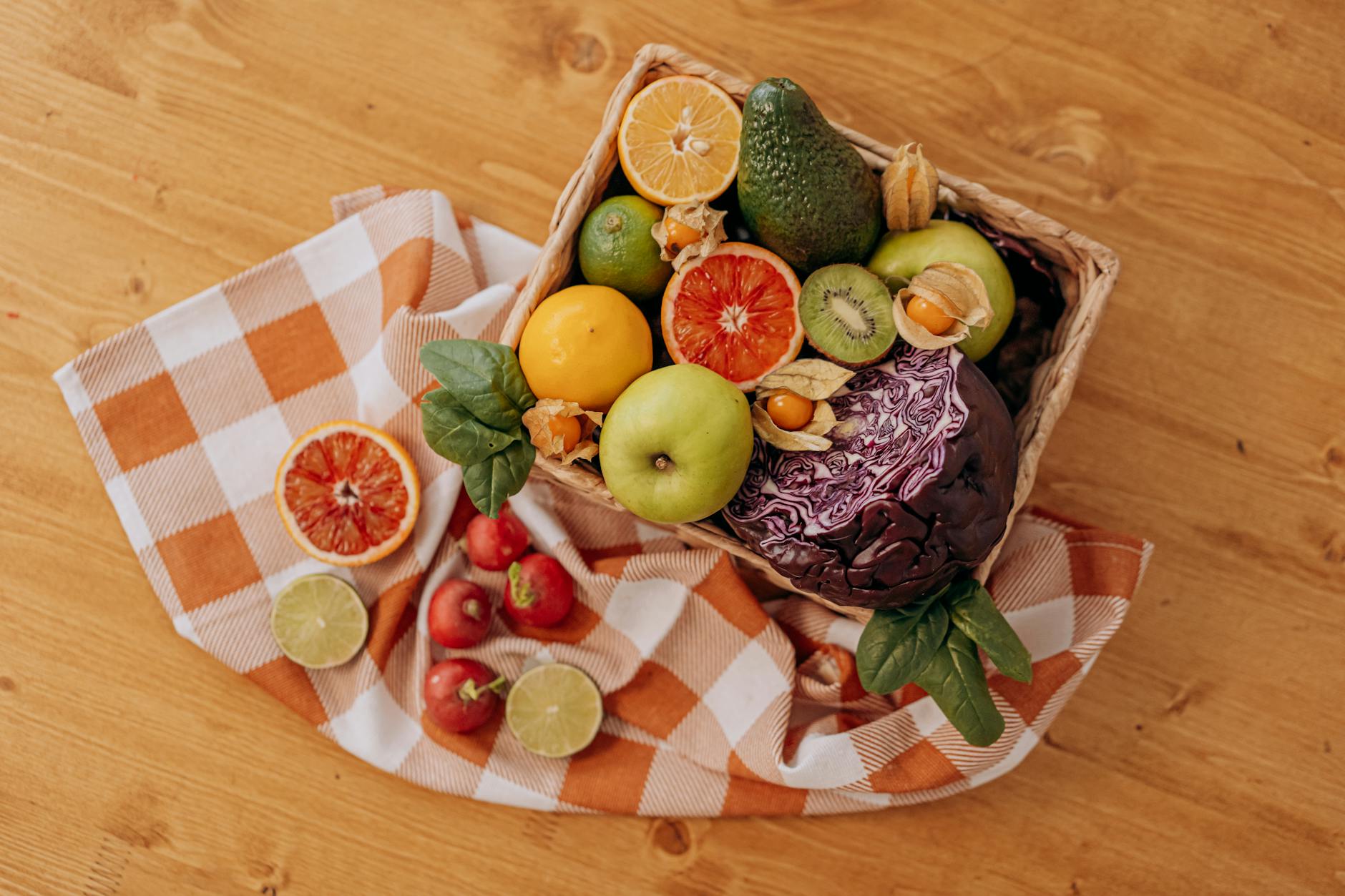
The concept of a "cleanse" or "detox" is prevalent in wellness culture, often associated with extreme fasting or restrictive protocols. From a clinical perspective, the human body possesses highly efficient, endogenous detoxification systems—primarily the liver, kidneys, gastrointestinal tract, skin, and lungs. The premise that specific foods or short-term regimens are required to "cleanse" these organs is not supported by high-quality evidence.
However, a structured period of focused nutritional intake, which we term a "gentle cleanse" in this context, can be reframed as a short-term dietary intervention. Its potential value lies not in purging toxins, but in providing a practical reset that encourages:
- Increased intake of whole fruits, vegetables, and fiber.
- Enhanced hydration.
- Temporary reduction of processed foods, added sugars, and saturated fats.
- Mindful attention to dietary patterns and hunger cues.
This approach may lead to subjective benefits such as improved energy, better digestion, and reduced bloating for some individuals. These effects are likely attributable to improved hydration, increased micronutrient and antioxidant intake, and a temporary shift away from common dietary irritants.
Clinical Perspective: It is crucial to distinguish between a short-term, nutrient-dense dietary pattern and a true medical detoxification protocol, which is a supervised treatment for substance dependence. The former is a lifestyle choice; the latter is a critical medical intervention. Furthermore, the evidence for most commercial cleanse products is limited, and some can pose risks including electrolyte imbalances, nutrient deficiencies, and disordered eating patterns.
It is essential to approach any dietary change with caution. The following individuals should consult a physician or a registered dietitian before undertaking any cleanse-like protocol:
- Those with chronic medical conditions (e.g., diabetes, kidney disease, liver disease).
- Individuals who are pregnant, breastfeeding, or trying to conceive.
- Anyone with a history of eating disorders or disordered eating.
- People on prescription medications, especially those affected by dietary intake.
- Those with known food allergies or severe intolerances.
The subsequent chapters present smoothie recipes designed to be part of a balanced, gentle approach. They are intended as nutrient-rich meal options, not as a sole source of nutrition for extended periods. The goal is to support, not override, the body's innate physiological processes.
2. Evidence and Mechanisms of Nutrient-Dense Smoothies

Nutrient-dense smoothies, as a dietary strategy, are supported by evidence for their role in facilitating a high intake of essential micronutrients and dietary fiber. The primary mechanisms by which they may support a short-term dietary reset are well-established in nutritional science, though claims of "detoxification" or "cleansing" require careful interpretation.
Core Mechanisms of Action
The physiological benefits of incorporating smoothies stem from their composition and form:
- Bioavailability of Nutrients: Blending can break down plant cell walls, potentially increasing the bioavailability of certain antioxidants (e.g., carotenoids) and phytonutrients compared to eating whole produce, though fiber is retained.
- Fiber and Satiety: The soluble and insoluble fiber from fruits, vegetables, and seeds supports healthy digestion, regulates blood sugar response, and promotes satiety, which can naturally reduce overall caloric intake.
- Hydration and Micronutrient Load: Using a liquid base and water-rich produce contributes to hydration. A concentrated serving of vitamins (like C, K, and folate) and minerals (like potassium and magnesium) can help correct suboptimal intakes common in standard diets.
Evaluating the Evidence
It is crucial to distinguish between the proven benefits of the ingredients and the more speculative claims of a "cleanse."
Strong Evidence: High intake of fruits, vegetables, and fiber is consistently correlated in large observational studies with improved cardiovascular health, glycemic control, and gut motility. Replacing a processed meal with a nutrient-dense smoothie aligns with these dietary patterns.
Limited/Mixed Evidence: Specific claims that smoothies "detoxify" the liver or "reset" metabolism lack robust clinical trial support. The body's detoxification systems (liver, kidneys) are always active and do not require special foods to function. Any perceived "cleansing" effects are more likely due to increased hydration, reduced intake of processed foods, salt, and sugar, and improved digestive regularity.
Clinical Perspective: From a medical standpoint, a short-term focus on nutrient-dense liquids is generally low-risk for most healthy adults and can serve as a practical tool to shift dietary patterns. However, it is not a substitute for a sustained, balanced diet. The term "cleanse" can be misleading and is not a recognized medical intervention.
Important Cautions: Individuals with diabetes should monitor blood glucose closely due to the natural sugar content, even from whole fruits. Those with kidney disease may need to moderate high-potassium ingredients like spinach and bananas. People with a history of eating disorders, gastrointestinal disorders like IBS, or those on specific medications should consult a physician or registered dietitian before making significant dietary changes.
3. Risks and Contraindications for Specific Populations
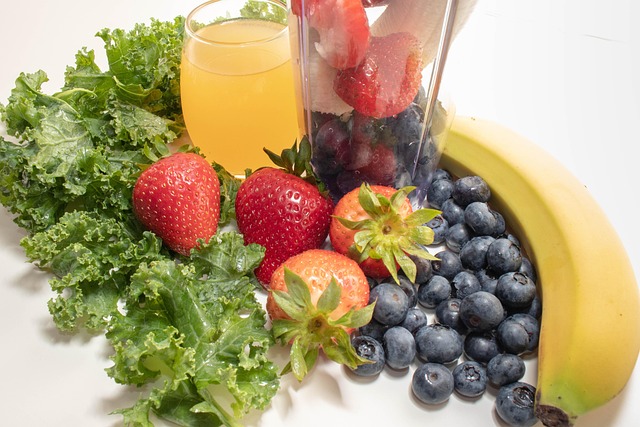
While incorporating nutrient-dense smoothies can be a positive dietary strategy, a structured "cleanse" involving significant dietary alteration is not appropriate or safe for everyone. It is essential to consider individual health status and potential risks before undertaking any regimen that restricts normal food intake.
Populations Requiring Medical Consultation
The following individuals should consult a qualified healthcare provider—such as a physician or registered dietitian—before starting any cleanse protocol:
- Individuals with Chronic Metabolic Conditions: Those with diabetes, hypoglycemia, or significant kidney disease require careful monitoring of carbohydrate, potassium, and fluid intake, which can be dramatically affected by fruit- and vegetable-heavy smoothies.
- Individuals with Gastrointestinal Disorders: People with conditions like irritable bowel syndrome (IBS), inflammatory bowel disease (IBD), or gastroparesis may experience exacerbation of symptoms (e.g., bloating, diarrhea, pain) from high-fiber or high-FODMAP ingredients common in smoothies.
- Those on Prescription Medications: Certain ingredients (e.g., high vitamin K greens like kale, which can affect blood thinners; grapefruit, which interferes with numerous drug metabolizing enzymes) can cause significant interactions. Dramatic changes in diet can also alter medication efficacy.
- Pregnant or Lactating Individuals: Nutritional needs are heightened and specific during these periods. Caloric restriction or reliance on liquid meals is generally contraindicated without direct medical supervision.
General Cautions and Evidence Gaps
It is important to note that the concept of a "gentle cleanse" to "detoxify" the body is not strongly supported by clinical evidence. The human liver, kidneys, and gastrointestinal tract are highly efficient at endogenous detoxification. The perceived benefits of such cleanses often stem from increased hydration and intake of vitamins and fiber, not from the elimination of toxins.
Clinical Perspective: From a medical standpoint, the primary risk of any cleanse is the potential for nutrient deficiencies, electrolyte imbalances, and the reinforcement of disordered eating patterns. Protocols that severely limit protein or fat intake are unsustainable and can lead to fatigue, muscle loss, and dysregulated hunger cues. Any individual with a history of an eating disorder should avoid structured cleanses entirely.
A more evidence-based approach is to view smoothies as a component of a balanced diet, not a replacement for it. If you have any underlying health conditions or concerns, seeking personalized advice from a healthcare professional is the most responsible course of action.
4. Practical Takeaways for a Balanced 7-Day Plan

Integrating smoothies into a structured plan requires a balanced, evidence-informed approach. The goal is to support nutrient intake and digestive function without promoting restrictive or extreme dietary patterns. The following takeaways are designed to help you implement a gentle, sustainable approach.
Core Principles for Implementation
Adherence to these principles can help maximize potential benefits while minimizing risks:
- Supplement, Don't Replace: Use one smoothie per day, typically as a meal replacement for breakfast or lunch, while consuming other balanced, whole-food meals. This ensures adequate calorie and macronutrient intake.
- Prioritize Hydration: Consume ample water and herbal teas throughout the day. Smoothies contribute to fluid intake, but additional hydration is crucial for supporting kidney function and digestion.
- Listen to Your Body: Pay attention to hunger cues, energy levels, and digestive comfort. The plan should not induce significant fatigue, dizziness, or intense hunger.
- Focus on Whole Foods: Beyond the smoothies, base your other meals on lean proteins, healthy fats, and fiber-rich vegetables to ensure nutritional completeness.
Evidence Context and Cautions
It is important to contextualize this approach within the scientific literature. While increased consumption of fruits, vegetables, and fiber is strongly supported for general health, the concept of a dedicated "cleanse" or detoxification regimen is not. The human body possesses highly efficient detoxification systems (liver, kidneys, gastrointestinal tract). The benefits of such a plan likely stem from increased nutrient density, hydration, and a temporary reduction in processed foods, not from "flushing toxins."
Clinical Perspective: From a medical standpoint, the primary value of a structured smoothie plan is as a tool for dietary reset and increasing plant-based nutrient intake. It is not a substitute for medical treatment for any condition. Clinicians often caution against plans that severely restrict calories, protein, or fat, as they can be counterproductive and unsustainable.
Who Should Exercise Caution: Individuals with diabetes (due to blood sugar management concerns), kidney disease (regarding potassium load), active gastrointestinal disorders, a history of eating disorders, or those who are pregnant or breastfeeding should consult a physician or registered dietitian before beginning any modified dietary plan. Those on multiple medications should also seek advice to avoid potential food-drug interactions.
In summary, a balanced 7-day plan is best viewed as a short-term practice of mindful, nutrient-dense eating. Its success is measured not by a feeling of "cleanliness," but by the establishment of sustainable habits that support long-term metabolic and digestive health.
5. Safety Considerations and When to Seek Medical Advice
The concept of a "gentle cleanse" using smoothies is popular, but it is crucial to approach it with a clear understanding of its physiological impact and inherent limitations. From a clinical perspective, there is no robust scientific evidence that short-term dietary modifications can "detoxify" the body, as the liver and kidneys perform this function continuously. The primary benefits of such a plan are likely related to increased intake of micronutrients and fiber, and a temporary reduction in processed foods.
However, replacing multiple meals with liquid-only options carries specific risks that must be acknowledged. The following groups should exercise particular caution or avoid this approach without direct medical supervision:
- Individuals with diabetes or prediabetes: Smoothies, even those made primarily from vegetables, can cause significant blood sugar spikes due to their liquid form and natural fruit sugars. Careful carbohydrate counting and insulin adjustment are essential.
- Those with kidney disease: High-potassium ingredients common in green smoothies (e.g., spinach, bananas) can lead to dangerous hyperkalemia in individuals with compromised renal function.
- Pregnant or breastfeeding individuals: Caloric and nutrient needs are significantly higher during this period. A restrictive plan may not provide adequate energy or specific nutrients like protein, iron, and folate.
- Individuals with a history of eating disorders: Any protocol that prescribes strict meal rules or replacements can trigger disordered eating patterns.
- People on certain medications: Those on blood thinners (e.g., warfarin) must maintain consistent vitamin K intake (found in leafy greens), and sudden increases can interfere with medication efficacy.
Clinical Insight: In practice, the term "cleanse" can be misleading. A more sustainable and evidence-based approach is to incorporate nutrient-dense smoothies as one component of a balanced diet, not as a substitute for it. The sudden shift in fiber intake can also cause significant gastrointestinal discomfort, including bloating, gas, or diarrhea, for some individuals.
When to Seek Medical Advice: Consult a physician or a registered dietitian before starting any significant dietary change, especially if you have a chronic health condition, take regular medication, or are experiencing unexplained fatigue, dizziness, or digestive distress. You should discontinue the plan and seek prompt medical attention if you experience symptoms of hypoglycemia (shaking, confusion, sweating), severe dehydration, or signs of an allergic reaction.
A responsible approach prioritizes safety and views short-term dietary experiments not as curative solutions, but as potential catalysts for adopting longer-term, balanced eating habits supported by professional guidance.
6. Questions & Expert Insights
What does a "gentle cleanse" actually mean, and is it supported by science?
The term "cleanse" is not a clinical one and often carries marketing connotations of detoxification. From a medical perspective, your liver, kidneys, and digestive system are continuously and efficiently removing waste. A "gentle cleanse," as framed in this context, is best interpreted as a short-term dietary intervention focused on increasing intake of whole foods, fiber, vitamins, and hydration. The evidence supports the benefits of these individual components: high fiber intake supports gut motility and microbiota, while phytonutrients from fruits and vegetables have antioxidant properties. However, there is no high-quality evidence that such a regimen "detoxifies" the body beyond its normal physiological functions. The value lies in potentially displacing processed foods and establishing healthier dietary patterns, not in a purifying reset.
Who should avoid or be extremely cautious with a smoothie-based cleanse plan?
Several populations should avoid this approach or only proceed under direct medical supervision. This includes individuals with diabetes or prediabetes, as the high fruit sugar (fructose) content in many smoothies can cause significant blood glucose spikes. Those with kidney disease must be cautious due to the high potassium content from ingredients like bananas and spinach, which can lead to dangerous hyperkalemia. People with active gastrointestinal conditions (e.g., IBS, IBD, gastroparesis) may experience bloating, cramping, or diarrhea from the high fiber and FODMAP load. Furthermore, individuals with a history of eating disorders, those who are pregnant or breastfeeding, and anyone on multiple medications (polypharmacy) should not undertake restrictive dietary changes without consulting their doctor, as nutritional imbalances can have serious consequences.
When should I talk to my doctor about starting this, and what should I discuss?
You should consult a physician or a registered dietitian before starting if you have any chronic health condition, take regular medications, or have unexplained symptoms like fatigue or digestive issues. This conversation is crucial to rule out underlying problems that a cleanse might mask or exacerbate. Come prepared to discuss: 1) Your complete medical history and current medications/supplements, 2) The specific recipes and intended duration of the plan, 3) Your personal health goals. Ask your doctor: "Are there any ingredients in these recipes that could interact with my conditions or medications?" and "Based on my latest bloodwork, are there any nutrients I need to be particularly mindful of (e.g., potassium, sugar)?" This ensures the plan is tailored safely to your individual health profile.
Can I expect to lose weight from a 7-day smoothie cleanse, and will it last?
Any rapid weight loss experienced during a short-term cleanse is predominantly from water weight and a loss of glycogen stores, not from meaningful fat loss. The calorie deficit created by replacing meals with typically lower-calorie smoothies can lead to initial weight reduction. However, this is rarely sustainable. Once you resume your regular eating patterns, the weight typically returns. Furthermore, very low-calorie regimens can slow your metabolism as the body adapts to perceived scarcity. For lasting weight management, evidence strongly favors gradual, sustainable lifestyle changes—including balanced nutrition, portion control, and regular physical activity—over short-term restrictive plans. Viewing a smoothie week as a jump-start to incorporating more whole fruits and vegetables into a long-term balanced diet is a more constructive perspective.
7. In-site article recommendations
8. External article recommendations
9. External resources
The links below point to reputable medical and evidence-based resources that can be used for further reading. Always interpret them in the context of your own situation and your clinician’s advice.
-
wikipedia wikipedia.orgsmoothie cleanse – Wikipedia (search)
-
mayoclinic mayoclinic.orgsmoothie cleanse – Mayo Clinic (search)
-
healthline healthline.comsmoothie cleanse – Healthline (search)
These external resources are maintained by third-party organisations. Their content does not represent the editorial position of this site and is provided solely to support readers in accessing additional professional information.