
1. Introduction to Liver Health and Dietary Support

The liver is a central organ for metabolic homeostasis, performing over 500 vital functions. Its primary roles include detoxifying harmful substances, metabolizing nutrients, producing bile for digestion, synthesizing essential proteins, and storing vitamins and minerals. Unlike many organs, the liver possesses a remarkable capacity for regeneration, but this does not make it immune to damage from chronic stressors.
The concept of "liver cleansing" or "detox" is prevalent in popular wellness culture. It is crucial to clarify that the liver is not an inert filter that requires periodic flushing. It is a dynamic, self-cleaning organ that continuously processes toxins. From a clinical perspective, supporting liver health is not about short-term, aggressive cleanses, which can be ineffective or even harmful. Instead, it involves adopting sustainable dietary patterns that reduce the liver's metabolic burden and provide the nutrients it needs to function optimally.
Evidence strongly supports that certain dietary components can influence liver function and protect against damage. For instance:
- Antioxidants (e.g., from berries, citrus, leafy greens) help combat oxidative stress, a key driver of liver cell injury.
- Dietary fiber supports gut health and may aid in the excretion of waste products processed by the liver.
- Phytonutrients like sulforaphane (in cruciferous vegetables) and curcumin have shown hepatoprotective properties in preclinical and some human studies.
However, it is important to note that while individual nutrients show promise in research, evidence for specific "liver-cleansing" recipes often comes from mechanistic studies or small trials. The most robust data supports an overall pattern of eating—such as a Mediterranean-style diet rich in plants, healthy fats, and lean protein—rather than any single food or beverage.
Clinical Perspective: Healthcare professionals view liver support through the lens of mitigating risk factors for conditions like non-alcoholic fatty liver disease (NAFLD). The primary interventions are weight management, reduced intake of added sugars and refined carbohydrates, and avoidance of excessive alcohol. Nutrient-dense foods and beverages can be a valuable component of this holistic strategy, but they are not a substitute for medical treatment for existing liver conditions.
Individuals with known liver disease (such as hepatitis, cirrhosis, or NAFLD), those with kidney impairment, or anyone on multiple medications should consult their physician or a registered dietitian before making significant dietary changes. This ensures any new foods or supplements do not interact with treatments or exacerbate an underlying condition.
2. Evidence-Based Mechanisms of Liver Support
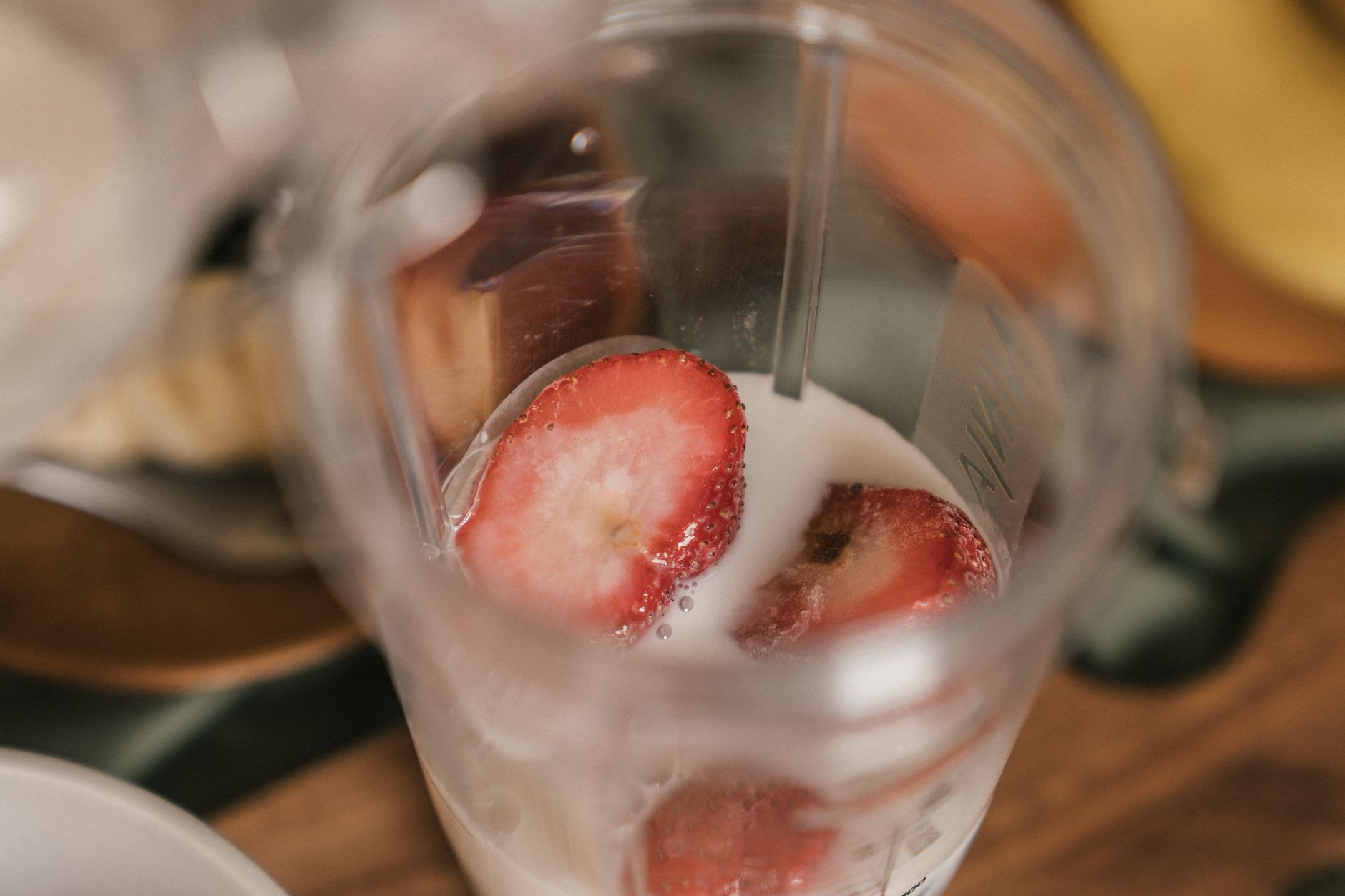
The concept of "liver cleansing" is often misunderstood. The liver is a self-cleaning organ; its primary role is to metabolize and detoxify substances endogenously. Therefore, the goal of dietary support is not to "detox" but to provide nutrients that may enhance the liver's intrinsic functions, reduce oxidative stress, and support tissue repair.
Certain foods and compounds, often found in smoothie ingredients, have been studied for their hepatoprotective properties. The evidence for their mechanisms varies in strength and should be interpreted with caution.
Key Mechanisms and Supporting Evidence
The potential benefits of specific nutrients operate through several well-researched pathways:
- Antioxidant Activity: Compounds like vitamin C (citrus), vitamin E (nuts, seeds), and polyphenols (berries, green tea) can neutralize free radicals. This is crucial because toxin metabolism in the liver generates oxidative stress, which can damage cells. The evidence for antioxidant support is strong in preclinical models, though human trial results can be mixed.
- Phase II Detoxification Enzyme Support: Cruciferous vegetables (e.g., kale, broccoli) contain glucosinolates, which are broken down into compounds like sulforaphane. Research indicates these may upregulate the body's Phase II detoxification enzymes, a key pathway for neutralizing and eliminating certain toxins. Human data is promising but ongoing.
- Anti-inflammatory Effects: Chronic, low-grade inflammation is a driver of liver conditions like non-alcoholic fatty liver disease (NAFLD). Omega-3 fatty acids (flax, chia seeds) and curcumin (turmeric) have demonstrated anti-inflammatory properties in studies, though their direct impact on clinical liver outcomes requires more long-term human research.
- Bile Flow Support: Bile, produced by the liver, helps excrete waste. Artichoke leaf extract, sometimes used in supplements, has traditional and some clinical support for promoting bile flow (choleresis). The evidence for common culinary ingredients like lemon or mint in this role is more anecdotal.
Clinical Perspective: It is critical to distinguish between supporting hepatic function in a generally healthy individual and treating liver disease. No smoothie or diet can reverse damage from conditions like hepatitis, cirrhosis, or severe NAFLD. Furthermore, "overloading" the liver with high doses of certain compounds from supplements or extreme juicing regimens can be harmful. Dietary support should be viewed as one component of a holistic lifestyle approach.
Important Cautions: Individuals with known liver disease, kidney impairment, diabetes (due to fruit sugar content), or those on medications (especially blood thinners or diabetes drugs) should consult their physician or a registered dietitian before making significant dietary changes. Nutritional strategies are adjunctive, not a replacement for medical care.
3. Risks and Populations to Avoid

While incorporating nutrient-dense smoothies can be a supportive dietary strategy, the concept of "gentle liver cleansing" requires careful contextualization. The liver's primary detoxification pathways are complex biochemical processes, not mechanical systems that can be "flushed" or "cleansed" in a simplistic manner. The primary risk lies in overestimating the therapeutic power of any food or recipe, potentially delaying necessary medical evaluation and treatment for underlying liver conditions.
Certain populations should exercise significant caution or avoid dietary overhauls without direct medical consultation:
- Individuals with Diagnosed Liver Disease: Those with conditions like cirrhosis, hepatitis, or non-alcoholic fatty liver disease (NAFLD) can have specific nutritional requirements and fluid restrictions. A sudden increase in certain nutrients or sugars could be harmful.
- People with Kidney Impairment: Smoothies rich in potassium (from spinach, bananas) or oxalates (from beets, spinach) may pose risks for those with compromised kidney function who must manage electrolyte and mineral balance.
- Those on Specific Medications: High doses of vitamin K from leafy greens can interfere with blood-thinning medications like warfarin. Grapefruit and its juice, a common ingredient in "cleansing" recipes, can dangerously alter the metabolism of numerous prescription drugs.
- Individuals with Diabetes or Insulin Resistance: Even "healthy" smoothies can be concentrated sources of natural sugars (fructose from fruit), leading to significant blood glucose spikes if not carefully balanced with protein, fat, and fiber.
- People with a History of Eating Disorders: Framing foods around "cleansing" or detoxification can reinforce harmful, restrictive patterns of eating and should be avoided.
- Pregnant or Breastfeeding Women: Nutritional needs are highly specific during this period. Introducing large quantities of herbs, supplements, or unusual food combinations is not recommended without obstetric guidance.
Clinical Perspective: From a medical standpoint, the most evidence-based approach to liver health is a consistent, balanced diet, maintaining a healthy weight, avoiding alcohol excess, and managing metabolic health. Smoothies can be a convenient vehicle for fruits, vegetables, and healthy fats, but they are not a treatment. Any persistent symptoms like jaundice, unexplained fatigue, abdominal pain, or dark urine warrant immediate professional evaluation, not a dietary intervention alone.
Before significantly altering your diet with the goal of supporting liver function, a discussion with a primary care physician, gastroenterologist, or a registered dietitian is strongly advised. This is particularly crucial if you have any pre-existing health conditions or take regular medications.
4. Practical Guidance for Incorporating Smoothies

Incorporating nutrient-dense smoothies into your routine can be a practical way to support overall dietary quality, which is foundational for liver health. The goal is to use them as a component of a balanced diet, not as a standalone "cleanse" or replacement for medical care. The following guidance is designed to help you integrate these beverages safely and effectively.
Establishing a Sustainable Routine
Consistency is more beneficial than intensity. Rather than consuming multiple smoothies daily for a short period, consider the following approach for long-term integration:
- Frequency: One smoothie per day, typically as a breakfast replacement or a substantial snack, is a sustainable starting point for most individuals.
- Timing: Consuming your smoothie in the morning can help avoid potential digestive discomfort from high-fiber ingredients later in the evening.
- Balance: Ensure your smoothie contains a mix of macronutrients: fiber from vegetables and low-glycemic fruits, healthy fats (e.g., avocado, chia seeds, nuts), and a source of protein (e.g., plain Greek yogurt, plant-based protein powder). This combination supports stable blood sugar and sustained energy.
Key Considerations for Safety and Efficacy
While smoothies made from whole foods are generally safe, certain considerations are crucial for a clinically responsible approach.
- Sugar Content: Be mindful of total fructose load. Even natural sugars from fruit, especially in juice form, can contribute to metabolic stress on the liver if consumed in excess. Prioritize vegetables and low-sugar berries, and use whole fruit over juice.
- Food Safety: Thoroughly wash all fresh produce. If using ingredients like raw cruciferous vegetables (e.g., kale), be aware they contain goitrogens; cooking them lightly before blending is advisable for individuals with thyroid conditions.
- Medication Interactions: Some ingredients, such as grapefruit, can interfere with the metabolism of certain prescription medications, including some statins and blood pressure drugs.
Clinical Perspective: From a hepatology standpoint, there is no high-quality evidence that any specific food or smoothie "detoxifies" or "cleanses" a healthy liver. The organ performs these functions autonomously. The value of these recipes lies in their potential to displace less nutritious dietary choices, thereby reducing the liver's functional burden from processed foods, added sugars, and unhealthy fats. They are a tool for supportive nutrition, not a medical intervention.
Who Should Exercise Caution?
Consult with a physician or a registered dietitian before significantly altering your diet if you have:
- Diagnosed kidney disease, as high potassium content from ingredients like spinach or bananas may be contraindicated.
- Diabetes or prediabetes, to manage carbohydrate and sugar intake appropriately.
- Active gastrointestinal disorders (e.g., IBS, IBD), as high-fiber blends may exacerbate symptoms.
- A history of eating disorders, as focusing on "cleansing" foods can be triggering.
Ultimately, these smoothies are best viewed as one element of a comprehensive lifestyle strategy that includes a balanced diet, regular physical activity, limited alcohol intake, and avoidance of hepatotoxic substances.
5. Safety Considerations and Medical Consultation

While incorporating nutrient-dense smoothies into a balanced diet can be a supportive health practice, it is crucial to approach the concept of "liver cleansing" with clinical caution. The liver is a highly efficient organ of detoxification and metabolism; it does not require extreme dietary interventions to function. The primary evidence supporting the ingredients in these recipes lies in their provision of antioxidants, vitamins, and fiber, which support overall metabolic health. Claims of specific "cleansing" or "detoxifying" effects beyond this foundational nutritional support are not strongly substantiated by high-quality human trials.
Before making significant dietary changes, certain individuals should exercise particular caution and consult a healthcare professional. This is not an exhaustive list, but key groups include:
- Individuals with diagnosed liver conditions (e.g., cirrhosis, hepatitis, fatty liver disease): Alterations in nutrient intake, especially certain vitamins and minerals, must be medically supervised.
- Those with kidney disease: High-potassium ingredients common in smoothies (e.g., spinach, bananas) can pose a risk if kidney function is impaired.
- People on specific medications: Some ingredients, particularly grapefruit and high doses of vitamin K-rich leafy greens, can interact with medications like blood thinners (warfarin), statins, and certain blood pressure drugs.
- Individuals with diabetes or prediabetes: The carbohydrate and sugar content of smoothies, even from natural sources, can significantly impact blood glucose levels.
- Anyone with a history of eating disorders: Focusing on "cleansing" can trigger unhealthy patterns and should be avoided.
Clinical Perspective: From a medical standpoint, the safest approach to liver health is a consistent, long-term pattern of balanced nutrition, maintaining a healthy weight, limiting alcohol, and avoiding hepatotoxic substances. Smoothies can be a convenient vehicle for fruits and vegetables, but they should not replace whole foods or be viewed as a therapeutic intervention. If you are considering these recipes to address specific symptoms like persistent fatigue, abdominal discomfort, or jaundice, it is imperative to seek a medical diagnosis rather than self-managing with dietary changes alone.
Finally, be mindful of the caloric and sugar density of smoothies. A large smoothie can contain a substantial number of calories and sugars, which, if consumed in addition to a regular diet, may contribute to weight gain and metabolic stress—counterproductive to liver health. It is generally advisable to treat a smoothie as a meal replacement, not a supplement.
In summary, while the recipes presented are based on wholesome ingredients, their role is one of general dietary support. Always discuss new dietary practices with your physician or a registered dietitian, especially if you have underlying health conditions or take medications. This ensures a safe and personalized approach to wellness.
6. Questions & Expert Insights
Can a smoothie truly "cleanse" or "detox" my liver?
The term "cleanse" is often used in wellness marketing but can be misleading. The liver is your body's primary detoxification organ; it continuously processes toxins, hormones, and metabolic waste through complex enzymatic pathways. No food or drink can perform this function for it. A more accurate description is that certain nutrient-dense ingredients can support liver health by providing antioxidants that combat oxidative stress, anti-inflammatory compounds, and nutrients essential for the liver's own detoxification processes. Think of these recipes as providing supportive, beneficial nutrients, not as performing an external "cleanse." The evidence for specific foods is often based on cell or animal studies, and human data is more observational, showing associations between healthy diets and better liver outcomes.
What are the potential risks or side effects of "liver-cleansing" smoothies, and who should avoid them?
While generally safe for most healthy individuals, these concentrated recipes are not without potential issues. High-oxalate greens like spinach and Swiss chard, when consumed in very large, frequent quantities, can contribute to kidney stones in susceptible individuals. Sudden, significant increases in fiber can cause bloating, gas, or abdominal discomfort. More seriously, individuals with kidney disease, particularly those on potassium-restricted diets, must be cautious of high-potassium ingredients like bananas, beet greens, and avocado. Anyone with a history of eating disorders should avoid any protocol labeled a "cleanse," as it can promote restrictive patterns. Crucially, these smoothies are not a treatment for liver conditions like hepatitis, cirrhosis, or fatty liver disease (NAFLD/NASH) and should not delay proper medical evaluation.
When should I talk to my doctor about liver health and dietary changes?
You should consult a physician before starting any new dietary regimen if you have a pre-existing liver condition (e.g., hepatitis, NAFLD, cirrhosis), kidney disease, diabetes, or are on multiple medications. It is essential to seek immediate medical advice if you experience symptoms like persistent fatigue, unexplained weight loss, jaundice (yellowing of skin/eyes), dark urine, abdominal pain or swelling, or severe itching. For a routine discussion, come prepared. Note any family history of liver disease, your alcohol consumption, and all medications/supplements you take. You can mention you're interested in dietary support and ask, "Are there any specific nutrients or foods I should focus on or avoid given my personal health profile?" This facilitates a collaborative, evidence-based plan.
How do these smoothies fit into a broader lifestyle for liver health?
These recipes are best viewed as one component of a comprehensive, liver-friendly lifestyle. No single smoothie can counteract other detrimental habits. The most impactful evidence-based strategies for liver health include: maintaining a healthy weight (to prevent or reduce fatty liver), limiting or avoiding alcohol, managing metabolic conditions like diabetes and high cholesterol, and engaging in regular physical activity. A smoothie rich in vegetables, low-glycemic fruits, and healthy fats can be a nutritious meal replacement or snack that supports these goals by displacing less healthy, processed options. The long-term, consistent pattern of eating whole, anti-inflammatory foods is what confers benefit, not short-term "cleansing."
7. In-site article recommendations
8. External article recommendations
9. External resources
The links below point to reputable medical and evidence-based resources that can be used for further reading. Always interpret them in the context of your own situation and your clinician’s advice.
-
mayoclinic mayoclinic.orgliver cleansing smoothies – Mayo Clinic (search)
-
drugs drugs.comliver cleansing smoothies – Drugs.com (search)
-
wikipedia wikipedia.orgliver cleansing smoothies – Wikipedia (search)
These external resources are maintained by third-party organisations. Their content does not represent the editorial position of this site and is provided solely to support readers in accessing additional professional information.