
1. Introduction to Detoxification and Smoothie Diets
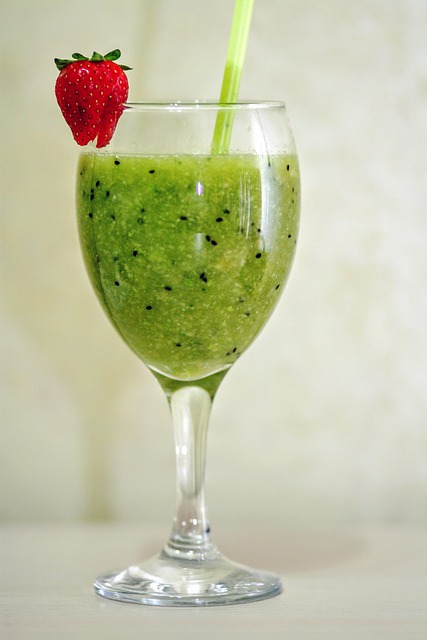
In clinical and physiological terms, "detoxification" refers to the body's innate, continuous processes for neutralizing and eliminating metabolic waste products, environmental toxins, and other potentially harmful substances. This complex work is performed primarily by the liver, kidneys, gastrointestinal tract, lungs, and skin. The concept of a "detox diet" or "cleanse" is a popular interpretation of this science, often framed as a short-term dietary intervention intended to support these natural pathways.
Nutrient-dense smoothies can be a practical component of a health-conscious dietary pattern. They offer a convenient way to increase intake of:
- Dietary Fiber: Supports regular bowel elimination and may bind to certain waste products in the gut.
- Antioxidants & Phytonutrients: Compounds found in fruits and vegetables (e.g., flavonoids, carotenoids) that can help mitigate oxidative stress, a byproduct of normal metabolism and toxin exposure.
- Hydration: A critical factor for optimal kidney and cellular function.
It is crucial to distinguish between the strong evidence for the benefits of a diet rich in whole plant foods and the limited or mixed evidence for the specific claims of short-term "detox" programs. High-quality clinical trials demonstrating that such programs remove specific toxins more effectively than a balanced, long-term healthy diet are scarce. The perceived benefits—like increased energy or improved digestion—are often attributable to increased hydration, reduced intake of processed foods, and higher micronutrient consumption.
Clinical Perspective: From a medical standpoint, supporting the body's detoxification systems is best achieved through consistent, sustainable lifestyle habits, not periodic extremes. Smoothies can be a useful tool within this framework, but they should complement, not replace, whole foods and balanced meals. Extreme juice or smoothie cleanses that severely restrict calories or protein can be counterproductive, potentially leading to muscle loss, nutrient deficiencies, and metabolic slowdown.
Individuals with certain health conditions should exercise particular caution and consult a physician or registered dietitian before making significant dietary changes, including adopting a smoothie-focused regimen. This includes people with:
- Diabetes or blood sugar dysregulation (due to potential high sugar content).
- Kidney disease (concerns around potassium or oxalate load).
- Active gastrointestinal disorders (e.g., IBS, Crohn's disease).
- A history of eating disorders.
The following recipes are presented as examples of how to incorporate a variety of supportive nutrients into your diet. They are not a substitute for medical advice or a comprehensive health plan.
2. Mechanisms and Evidence for Detox Support

The term "detox" is often used in popular wellness culture, but in a clinical context, it refers to the body's innate, continuous biochemical processes for neutralizing and eliminating waste products and toxins. The primary organs involved are the liver, kidneys, gastrointestinal tract, skin, and lungs. The goal of dietary support is not to "force" a detox but to provide nutrients that optimize the function of these endogenous systems.
Key Physiological Pathways
Nutrient-dense ingredients commonly found in smoothies can support detoxification through several evidence-based mechanisms:
- Phase I & II Liver Enzymatic Pathways: Cruciferous vegetables (e.g., kale, broccoli) contain glucosinolates, which are metabolized into compounds like sulforaphane. Research indicates these compounds may upregulate key enzymes in both phases of liver detoxification, enhancing the body's capacity to process certain xenobiotics.
- Antioxidant Activity: Berries, citrus fruits, and leafy greens are rich in vitamins C and E, flavonoids, and carotenoids. These antioxidants help mitigate oxidative stress—a byproduct of normal metabolic and detoxification processes—thereby protecting cellular integrity.
- Dietary Fiber and Elimination: Soluble fiber (from fruits like apples, pears) can bind to bile acids, potentially aiding in the excretion of waste. Insoluble fiber (from greens, celery) promotes regular bowel movements, which is crucial for the final excretion of metabolized compounds.
- Hydration and Kidney Function: The fluid base of smoothies contributes to overall hydration, which is essential for optimal kidney filtration and the urinary excretion of water-soluble toxins.
Clinical Perspective: It is crucial to distinguish between supporting the body's natural detoxification capacity and the concept of a "detox cleanse" that promises rapid purification. The former is a foundational principle of nutrition; the latter is often not supported by robust clinical evidence and can be restrictive or harmful. The liver and kidneys are highly efficient organs that do not require extreme interventions to function.
Evaluating the Evidence
While the biochemical mechanisms are well-established, direct evidence that "detox smoothies" produce significant clinical outcomes in healthy individuals is more limited. Most studies examine isolated nutrients or specific foods, not complex smoothie recipes. The benefits are likely synergistic and preventive in nature, contributing to overall organ health rather than producing acute "detox" effects.
Who Should Exercise Caution: Individuals with kidney disease must monitor potassium and fluid intake from high-potassium greens and fruits. Those on blood thinners (e.g., warfarin) need to maintain consistent vitamin K intake, which can be disrupted by suddenly adding large amounts of leafy greens. Anyone with a history of eating disorders or significant dietary restrictions should consult a healthcare provider before making substantial changes. As with any dietary modification, it is prudent to discuss it with a physician or a registered dietitian, especially for those with chronic health conditions.
3. Risks and Who Should Avoid Detox Smoothies
While incorporating nutrient-dense smoothies can be part of a healthy dietary pattern, the concept of "detoxification" through specific recipes requires a cautious, evidence-based perspective. The human body possesses highly efficient, endogenous detoxification systems primarily involving the liver, kidneys, and gastrointestinal tract. There is limited high-quality clinical evidence to support the claim that any particular food or beverage combination significantly enhances these complex physiological processes beyond their normal function.
Potential risks associated with so-called detox smoothie regimens often stem from their implementation, not the ingredients themselves. These risks include:
- Nutrient Deficiencies: Replacing balanced meals with low-calorie smoothies for extended periods can lead to inadequate intake of essential macronutrients (like protein and healthy fats) and micronutrients.
- Blood Sugar Dysregulation: Smoothies high in fruit and fruit juices can cause rapid spikes in blood glucose and insulin, which is a particular concern for individuals with insulin resistance, prediabetes, or diabetes.
- Gastrointestinal Distress: A sudden, high intake of fiber (especially from ingredients like leafy greens, chia seeds, or flax) can cause bloating, gas, cramping, or diarrhea.
- Drug-Nutrient Interactions: High concentrations of vitamin K (from kale, spinach) can interfere with anticoagulant medications like warfarin. Similarly, large amounts of certain fruits (e.g., grapefruit) can interfere with the metabolism of numerous prescription drugs.
Who Should Exercise Caution or Avoid Detox Smoothie Protocols:
- Individuals with chronic kidney disease, who may need to restrict potassium and phosphorus (often high in green smoothies).
- Those with liver disease, who require individualized nutritional guidance.
- People with diabetes or severe insulin resistance, who must carefully manage carbohydrate intake.
- Individuals on prescription medications, especially blood thinners, blood pressure drugs, or immunosuppressants.
- Anyone with a history of eating disorders or disordered eating patterns.
- Pregnant or breastfeeding individuals, who have specific and increased nutritional needs.
It is strongly recommended to consult with a physician or a registered dietitian before making significant dietary changes, particularly if you have a pre-existing health condition or are taking medication. Incorporating a single smoothie as a meal component within a varied diet is generally safe for most people, but prolonged or extreme "detox" plans are not supported by robust evidence and carry potential risks.
4. Practical Takeaways for Incorporating Smoothies

Incorporating nutrient-dense smoothies into your dietary pattern can be a practical strategy for increasing intake of fiber, vitamins, and phytonutrients. The evidence supporting the concept of "detoxification" from specific food combinations is limited; however, a diet rich in whole fruits and vegetables is consistently associated with positive health outcomes, including supporting the body's intrinsic metabolic and excretory functions.
Building a Balanced Smoothie
For a nutritionally complete beverage, consider this general framework:
- Liquid Base: Water, unsweetened plant-based milk, or coconut water. These provide hydration without excessive added sugars.
- Fiber Source: 1-2 cups of leafy greens (spinach, kale) or other vegetables. Fiber supports satiety and digestive health.
- Fruit for Flavor & Phytonutrients: ½ to 1 cup of frozen berries, mango, or pineapple. Berries, in particular, are high in antioxidants.
- Protein & Healthy Fats: A tablespoon of nut butter, chia seeds, flaxseed, or a scoop of plain protein powder. This combination helps stabilize blood glucose levels and promotes fullness.
Integration into a Daily Routine
Smoothies are most beneficial when they complement, rather than replace, a varied whole-foods diet. They can serve as a convenient breakfast or post-exercise snack. It is not necessary or evidence-based to consume them exclusively for a "cleanse."
Clinical Perspective: From a nutritional standpoint, the primary benefit of these smoothies is their role as a vehicle for increasing consumption of under-consumed food groups like leafy greens and berries. Be mindful of total calorie and sugar content—using whole fruit over juice and limiting high-calorie add-ins like sweetened yogurts or excessive amounts of nuts is key for weight management.
Important Cautions and Contraindications
While generally safe for most people, certain individuals should exercise caution or consult a healthcare provider:
- Those with kidney disease may need to monitor potassium and oxalate intake from large amounts of spinach, kale, or bananas.
- Individuals on blood-thinning medications (e.g., warfarin) must maintain consistent vitamin K intake; sudden large increases from leafy greens can interfere with medication efficacy.
- People with irritable bowel syndrome (IBS) or fructose malabsorption may experience bloating or discomfort from high-fructose fruits or certain high-FODMAP ingredients.
- Anyone with a history of eating disorders should avoid protocols that label foods as "cleansing" or "detoxifying," as this can promote unhealthy relationships with food.
Ultimately, the most sustainable approach is to view smoothies as one component of a balanced, varied diet. For personalized advice, particularly for those with chronic health conditions, consulting a registered dietitian or physician is recommended.
5. Safety Considerations and Medical Consultation

While incorporating nutrient-dense smoothies can be a positive dietary choice, it is essential to approach the concept of "detox" with clinical objectivity. The human body possesses highly efficient, intrinsic detoxification systems primarily involving the liver, kidneys, and gastrointestinal tract. The evidence supporting the need for or efficacy of specific "detox" foods or regimens beyond supporting these organ systems is limited and often mixed.
Therefore, the primary safety goal is to ensure that dietary changes support, rather than disrupt, normal physiology. The following considerations are paramount:
- Underlying Medical Conditions: Individuals with chronic kidney disease must be extremely cautious with high-potassium ingredients like spinach, bananas, and avocados. Those with diabetes should account for the carbohydrate and sugar content of fruits and juices to manage blood glucose. Liver conditions, gastrointestinal disorders like IBS or IBD, and food allergies require tailored approaches.
- Medication Interactions: High-vitamin K foods (e.g., kale, spinach) can interfere with blood-thinning medications like warfarin. Grapefruit and its juice can inhibit enzymes that metabolize a wide range of common pharmaceuticals, potentially leading to toxic levels. Always discuss dietary changes with a pharmacist or physician if you are on medication.
- Nutritional Adequacy and Balance: A smoothie should complement a balanced diet, not replace whole meals consistently without professional guidance. Excessive reliance on liquid meals can lead to inadequate fiber, protein, or fat intake, and may be inappropriate for individuals with a history of disordered eating.
- "Cleansing" Misconceptions: There is no high-quality evidence that short-term "cleanses" or extreme restriction provide long-term health benefits or remove toxins more effectively than the body's own processes. Such practices can cause electrolyte imbalances, fatigue, and nutrient deficiencies.
Clinical Perspective: From a medical standpoint, the most responsible "detox" strategy is to consistently support the organs that perform this work daily. This means adequate hydration, sufficient dietary fiber for regular bowel elimination, and a diet rich in antioxidants and phytonutrients from whole fruits and vegetables—precisely what a well-constructed smoothie can offer. The risk emerges when these tools are viewed as a rapid, standalone purification protocol rather than one component of sustained healthy habits.
Consultation is Key: Before significantly altering your diet or beginning any new regimen, consulting with a healthcare provider is strongly advised. This is especially crucial for pregnant or breastfeeding individuals, those with chronic health conditions, anyone taking prescription medications, or if you experience any adverse symptoms like abdominal pain, nausea, or changes in bowel habits after dietary changes. A registered dietitian can provide personalized guidance to ensure nutritional needs are met safely and effectively.
6. Questions & Expert Insights
What does "detox" actually mean in a nutritional context, and is it supported by science?
The term "detox" is often used loosely in wellness circles, but in clinical medicine, it refers to specific medical interventions for substance dependence or poisoning. Nutritionally, the concept of "detoxing" with foods or smoothies is not a recognized physiological process. Your liver, kidneys, colon, skin, and lungs are your body's sophisticated, always-on detoxification systems. The value of nutrient-dense smoothies lies in supporting these organs by providing hydration, essential vitamins, minerals, antioxidants, and fiber. For instance, fiber binds to waste products for elimination, and antioxidants like vitamin C and glutathione precursors can help neutralize free radicals. However, no single food or recipe "flushes" toxins. The evidence supports a diet consistently rich in whole plant foods as beneficial for overall metabolic health and organ function, not a short-term "detox" event.
Are there any risks or side effects associated with "detox" smoothies?
Yes, there are potential risks, particularly with extreme or restrictive protocols. Many "detox" plans involve a sudden, high intake of certain compounds which can cause issues. A sharp increase in dietary fiber can lead to significant bloating, gas, or abdominal cramps. Oxalate-rich ingredients like spinach and beet greens, when consumed in very large, concentrated quantities, may contribute to kidney stone formation in susceptible individuals. Smoothies high in vitamin K (from kale, spinach) can interfere with blood-thinning medications like warfarin. Furthermore, replacing multiple meals with low-calorie smoothies can lead to fatigue, nutrient deficiencies, and disrupt blood sugar regulation. Individuals with kidney disease, diabetes, or a history of eating disorders should be especially cautious and likely avoid such regimens.
Who should talk to a doctor before trying these recipes, and what should they discuss?
You should consult a physician or a registered dietitian before significantly altering your diet if you have any chronic health condition, are pregnant or breastfeeding, take daily medications, or have a history of digestive or kidney issues. Come to the appointment prepared to discuss: 1) The specific ingredients in the recipes (bring a list), focusing on high-oxalate greens, high-potassium fruits, or unusual supplements. 2) Your full medication and supplement list. 3) Your overall health goals. This allows your provider to assess for potential nutrient-drug interactions (e.g., warfarin and vitamin K), advise on appropriate portion sizes for your metabolic needs (e.g., carbohydrate management in diabetes), and ensure the plan doesn't exacerbate an underlying condition like chronic kidney disease, where potassium and oxalate intake must be controlled.
Can these smoothies replace meals for weight loss?
While substituting one daily meal (like breakfast) with a balanced, protein- and fiber-rich smoothie can be part of a structured weight management plan, relying on them exclusively is not advisable for sustainable weight loss or health. Whole foods require chewing, which promotes satiety signals, and solid meals often provide more sustained energy. Smoothies, especially fruit-heavy ones, can deliver calories and sugars quickly, potentially spiking blood sugar and leaving you hungry sooner. For a smoothie to function as a meal replacement, it should contain a balance of protein (e.g., Greek yogurt, protein powder, nut butter), healthy fats (avocado, chia seeds), fiber, and complex carbohydrates. Evidence supports the inclusion of protein for satiety and muscle preservation during calorie restriction. Long-term success depends on comprehensive lifestyle changes, not liquid meal substitution.
7. In-site article recommendations
8. External article recommendations
9. External resources
The links below point to reputable medical and evidence-based resources that can be used for further reading. Always interpret them in the context of your own situation and your clinician’s advice.
-
healthline healthline.comdetox smoothies – Healthline (search)
-
mayoclinic mayoclinic.orgdetox smoothies – Mayo Clinic (search)
-
examine examine.comdetox smoothies – Examine.com (search)
These external resources are maintained by third-party organisations. Their content does not represent the editorial position of this site and is provided solely to support readers in accessing additional professional information.