
1. Introduction to Core Conditioning and Functional Health
The term "core" in fitness and rehabilitation science refers to a complex, integrated system of muscles that stabilizes the spine, pelvis, and kinetic chain during functional movement. It extends beyond the superficial rectus abdominis ("six-pack" muscles) to include deeper layers such as the transverse abdominis, multifidus, diaphragm, and pelvic floor muscles. The primary function of this musculature is not to generate large movements but to provide proximal stability for distal mobility, protecting the spine and enabling efficient force transfer.
Effective core conditioning, therefore, is fundamentally about enhancing functional health—the capacity to perform everyday and athletic activities safely and efficiently. High-quality evidence from sports medicine and physical therapy consistently links a strong, well-coordinated core to:
- Reduced risk of low back pain and injury.
- Improved posture and balance.
- Enhanced athletic performance and power output.
- Greater efficiency in movements like lifting, twisting, and reaching.
It is important to distinguish between different types of core training. Isometric stabilization exercises (like planks) are strongly supported by evidence for building endurance and spinal protection. Dynamic, multi-planar movements that integrate the core with the limbs have mixed but generally positive evidence for improving sports performance. Claims about rapid, visible "sculpting" in short timeframes, however, should be viewed with caution. While neurological adaptations and improved muscle tone can occur within weeks, significant morphological changes in muscle size or dramatic reductions in subcutaneous body fat typically require a longer, sustained commitment combining targeted exercise, nutrition, and overall energy expenditure.
Individuals with existing conditions should exercise particular caution. Those with a history of chronic low back pain, diastasis recti, pelvic floor dysfunction, or recent abdominal surgery should consult a physician or a qualified physical therapist before beginning any new core exercise regimen. Similarly, certain dynamic movements may be contraindicated for individuals with specific spinal pathologies like spondylolisthesis.
The following chapters will outline specific movements grounded in these principles. The focus will be on exercise mechanics that promote integrated core function, with clear guidance on proper form to maximize benefit and minimize risk.
2. Physiological Evidence and Mechanisms for Core Strengthening

The term "core" refers to a complex, integrated system of muscles, fascia, and neural control that stabilizes the spine and pelvis. It extends beyond the superficial rectus abdominis ("six-pack") to include deeper layers like the transverse abdominis, multifidus, internal obliques, and the diaphragm. The primary physiological function of this system is not to generate large movements, but to provide a stable base from which the limbs can move efficiently and safely.
Effective core strengthening works through several key mechanisms:
- Motor Control and Co-contraction: Training enhances the nervous system's ability to coordinate the simultaneous contraction of deep stabilizers (e.g., transverse abdominis) with global movers. This co-contraction increases intra-abdominal pressure, creating a rigid cylinder around the spine to protect it during loading.
- Muscular Endurance and Hypertrophy: Progressive overload stimulates muscular adaptations. While visible hypertrophy in the rectus abdominis is often a goal, the more critical adaptation is improved fatigue resistance in the deep stabilizers, allowing them to maintain spinal stability over longer periods.
- Proprioceptive Feedback: Core exercises challenge balance and posture, improving the body's sense of joint position (proprioception). This leads to more reflexive, automatic stabilization during daily activities and athletic performance.
The evidence supporting the benefits of targeted core training for reducing low back pain and improving functional performance is robust. Systematic reviews consistently show that exercise programs incorporating core stabilization are more effective than general exercise or no treatment for managing non-specific chronic low back pain.
Clinical Insight: While the evidence for pain reduction is strong, claims about rapid, visible "sculpting" in a short timeframe like 14 days require nuance. Significant morphological changes in muscle size typically require a longer training duration combined with precise nutrition. Initial improvements in posture and the "feeling" of a tighter core are often due to enhanced neuromuscular control and reduced subcutaneous fluid, not substantial muscle growth.
It is important to note that the evidence for core training's direct impact on athletic performance metrics (like sprint speed or vertical jump) is more mixed and sport-specific. Furthermore, individuals with a history of spinal injury, disc pathology, osteoporosis, or those who are pregnant should consult a physician or physical therapist before beginning a new core strengthening regimen to ensure exercise selection is appropriate and safe.
3. Contraindications and Risk Assessment for Core Training
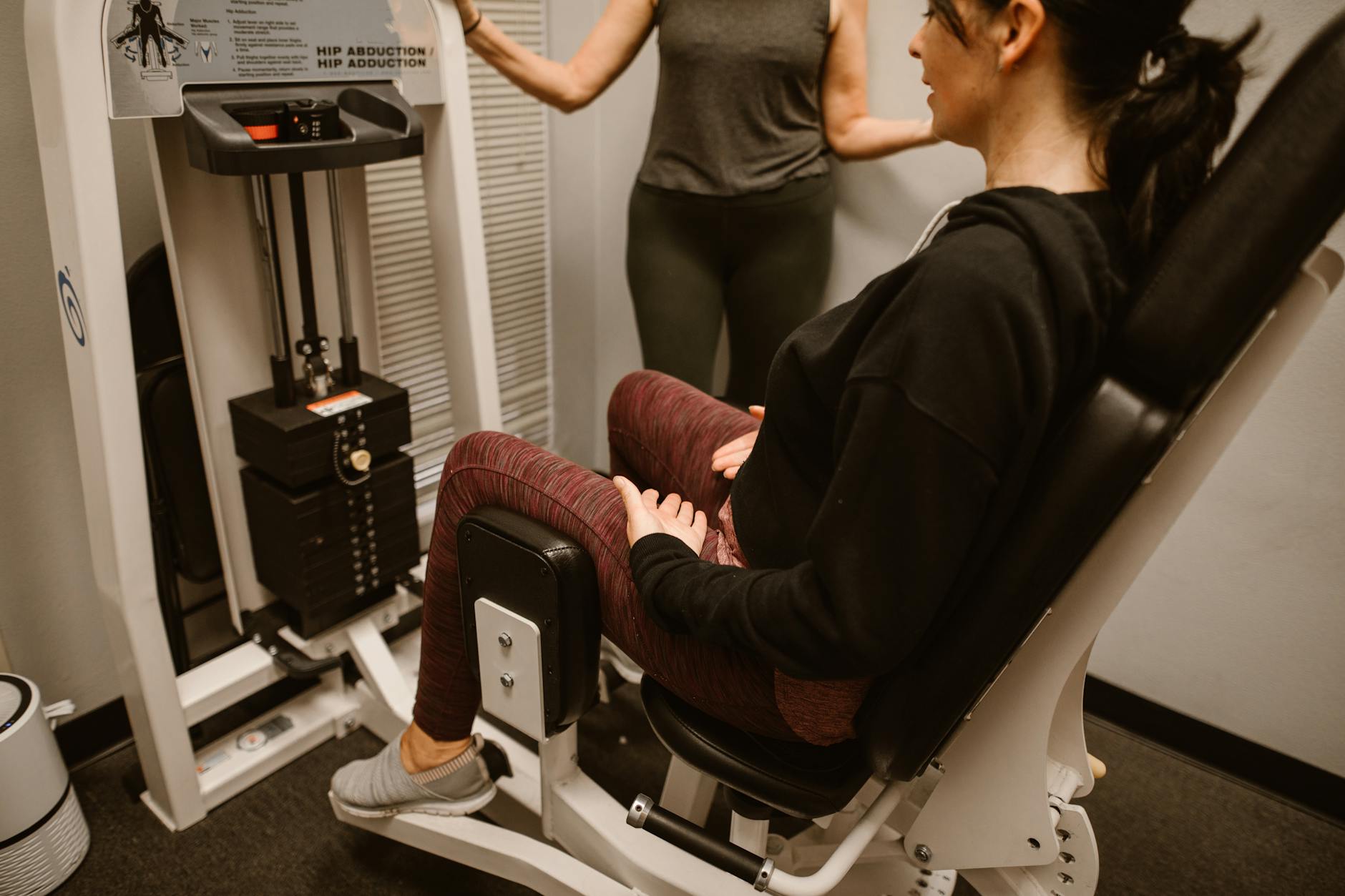
While core training is fundamental for functional fitness, a one-size-fits-all approach can pose significant risks. A responsible program begins with a thorough risk assessment to identify contraindications and ensure safety. The evidence strongly supports the need for this individualised approach, particularly for those with pre-existing conditions.
Certain populations should avoid or significantly modify high-intensity core exercises, such as heavy loaded movements or advanced dynamic patterns, until cleared by a healthcare professional. Key contraindications include:
- Recent Abdominal or Spinal Surgery: Individuals within the postoperative healing period (typically 6-12 weeks, but varies) must avoid strain on the incision and internal structures.
- Diagnosed Abdominal Hernia: Exercises that increase intra-abdominal pressure can exacerbate the condition.
- Pregnancy (Second and Third Trimester) and Postpartum (Diastasis Recti): Traditional crunches and rotational movements are generally contraindicated. Postpartum exercise should only resume after professional assessment for diastasis recti (abdominal separation).
- Acute Low Back Pain or Spinal Instability: During acute flare-ups, isometric holds (like planks) may be preferable to dynamic flexion, but medical guidance is essential.
- Severe Osteoporosis: High-impact or forceful twisting motions increase fracture risk in vulnerable vertebrae.
Clinical Insight: The "core" is not just the abdominal muscles; it's a complex cylinder including the diaphragm, pelvic floor, and deep spinal stabilizers. Dysfunction in one area (e.g., a weak pelvic floor) can lead to compensatory strategies and injury during aggressive training. A physiotherapist or certified exercise physiologist can assess for such imbalances and provide a tailored progression.
For individuals with chronic conditions like hypertension, cardiovascular disease, or kidney disorders, the Valsalva maneuver (holding one's breath while straining) common in heavy lifting can cause dangerous spikes in blood pressure. Learning proper breathing technique is a critical, evidence-based risk mitigation strategy.
Finally, it is crucial to distinguish between muscular soreness and pain indicative of injury. Sharp, shooting, or joint-specific pain is a clear signal to stop. The promise of rapid results in a short timeframe, such as 14 days, should be approached with caution, as it may encourage overexertion and poor form. Sustainable core development prioritises technique and gradual progression over speed.
If you have any of the conditions mentioned, a history of injury, or are new to exercise, consulting a physician or physical therapist before beginning a new core regimen is a non-negotiable step for safe and effective training.
4. Practical Guidance for Core-Strengthening Exercise Routines

Effective core training requires a structured, progressive approach that prioritizes form and consistency over intensity. The goal is to build functional stability and endurance, which supports posture and reduces injury risk. While some visible changes may be noticed within two weeks, significant muscular development and "sculpting" typically require a longer, sustained commitment alongside appropriate nutrition.
A balanced routine should incorporate exercises targeting the entire musculature of the trunk, not just the superficial rectus abdominis. This includes the deeper transverse abdominis, obliques, and the posterior chain muscles like the erector spinae. A sample weekly structure, supported by exercise science for improving muscular endurance, could be:
- Frequency: Perform a dedicated core session 2-3 times per week, with at least one day of rest between sessions.
- Exercise Selection: Choose 3-4 movements per session that work different planes of motion (e.g., anti-extension, anti-rotation, lateral flexion).
- Volume: Aim for 2-3 sets of each exercise. Repetitions should be determined by form fatigue, not maximal failure; stop when you can no longer maintain perfect technique.
- Progression: Increase difficulty gradually by adding time under tension, reducing leverage, or introducing controlled instability before adding repetitions.
Clinical Perspective: The term "core" is often misunderstood. From a rehabilitation and performance standpoint, its primary role is to stiffen the trunk to transfer force safely between the upper and lower body. Exercises like planks and dead bugs, which resist movement, are often more functionally beneficial and safer for the spine than dynamic crunches, especially for individuals with a history of low back pain. Quality of movement is non-negotiable.
It is important to note that while exercise physiology strongly supports the benefits of consistent strength training for core musculature, claims of dramatic visual transformation in a 14-day period are not evidence-based. Changes in muscle definition are highly dependent on individual factors like genetics, starting fitness level, and body composition.
Who should exercise caution: Individuals with a history of chronic low back pain, diastasis recti, recent abdominal surgery, or cardiovascular conditions should consult a physician or a qualified physical therapist before beginning a new core program. Avoid exercises that cause sharp pain, numbness, or tingling.
5. Safety Protocols and Indicators for Medical Consultation
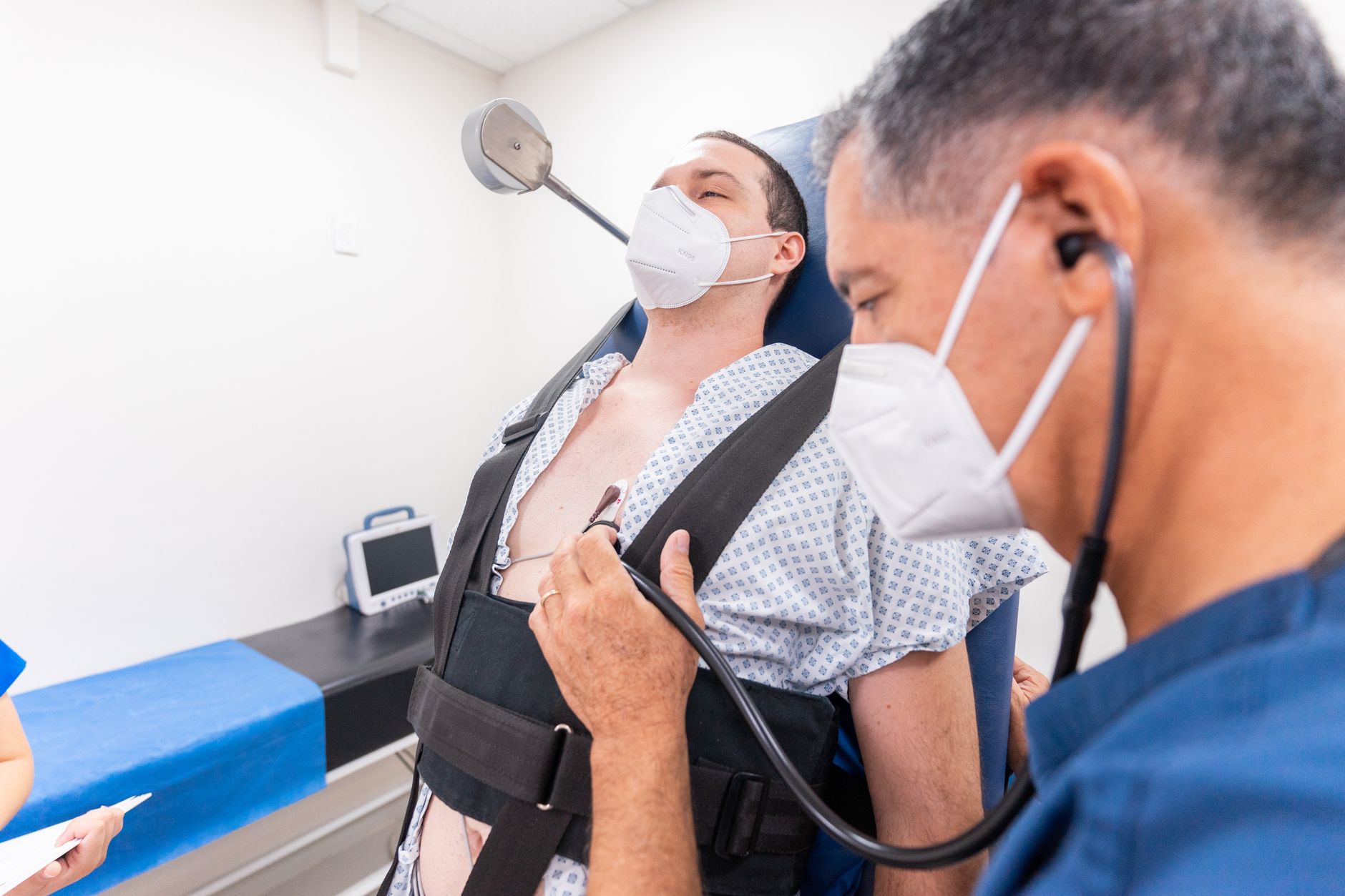
Before initiating any new exercise regimen, including targeted core work, establishing safety protocols is a fundamental prerequisite. While the benefits of strength training are well-supported by evidence, individual health status dictates the appropriate level of intensity and specific movements.
Certain populations should consult a physician or a qualified physical therapist before beginning the program outlined in this article. This is not a comprehensive list, but key indicators for prior medical consultation include:
- A history of chronic back pain, spinal conditions (e.g., herniated disc, spinal stenosis), or recent abdominal/back surgery.
- Diagnosed cardiovascular conditions, uncontrolled hypertension, or respiratory issues.
- Current pregnancy or the postpartum period (particularly if diastasis recti is present or suspected).
- Existing joint injuries or instability, especially in the shoulders, hips, or knees.
- A history of dizziness, balance disorders, or osteoporosis.
Clinical Perspective: In practice, the phrase "listen to your body" requires specific interpretation. Distinguish between the expected muscular fatigue of a challenging workout and pain. Sharp, shooting, or radiating pain, joint pain (as opposed to muscle burn), or any pain that persists or worsens after exercise is a clear indicator to stop and seek professional evaluation. The goal of core training is to build resilient support, not to provoke or mask underlying pathology.
During exercise, adhere to these foundational safety protocols:
- Prioritize Form Over Intensity: Master the movement pattern with bodyweight or minimal load before adding resistance or speed. Poor form, especially under fatigue, significantly increases injury risk.
- Focus on Controlled Breathing: Avoid breath-holding (the Valsalva maneuver), which can cause dangerous spikes in blood pressure. Exhale during the exertion phase of the movement.
- Respect Recovery: The core, like any muscle group, requires adequate rest for adaptation and repair. Training intensely every day can lead to overuse injuries and hinder progress.
It is important to contextualize claims regarding rapid results. While neural adaptations and improved muscle engagement can lead to perceived changes in posture and firmness within two weeks, substantive morphological changes like significant hypertrophy or fat loss require a longer, sustained commitment combined with nutritional strategies. The evidence for dramatic reshaping in a 14-day window is limited and should not be considered a universal expectation.
Ultimately, the most effective core program is one performed consistently and safely over time. If any doubt exists regarding your readiness, a consultation with a healthcare provider is the most responsible first step.
6. Questions & Expert Insights
Is it truly possible to "sculpt" a core in just 14 days?
The term "sculpt" is often used in fitness marketing to imply rapid, visible muscle definition. In a clinical and physiological context, 14 days is an extremely short timeframe for significant morphological changes. What you can achieve in this period is the initiation of neuromuscular adaptations—your nervous system learns to recruit core muscles more efficiently, leading to improved posture and a feeling of tightness. Some initial reduction in superficial water retention may also occur, creating a temporary leaner appearance. However, sustainable increases in muscle hypertrophy (growth) and substantial reductions in body fat percentage, which are required for visible "sculpting," typically require a consistent regimen of targeted exercise, nutritional support, and recovery over several weeks to months. The 14-day claim should be viewed as a motivational starting point for a new habit, not a guarantee of a completely transformed physique.
What are the risks, and who should avoid or modify these "revolutionary" moves?
Any high-intensity or novel exercise regimen carries inherent risks, particularly for unconditioned individuals. Common risks include muscle strains, ligament sprains, and exacerbation of pre-existing conditions like disc herniations or joint instability. Movements involving spinal flexion under load (like certain sit-up variations) or extreme rotation can be problematic. Individuals with the following should avoid this program or seek significant modification under professional guidance: a history of chronic back pain, diagnosed abdominal or pelvic conditions (e.g., hernia, diastasis recti), recent abdominal surgery, osteoporosis, high blood pressure, or pregnancy. Furthermore, those with a history of body image disorders should be cautious with programs emphasizing rapid physical transformation, as they can trigger unhealthy behaviors.
When should I talk to a doctor or physical therapist before starting, and what should I discuss?
Consult a physician or a physical therapist before starting if you have any chronic medical condition (cardiovascular, metabolic, musculoskeletal), are postpartum, are returning to exercise after a long hiatus, or experience any persistent pain (especially in the back, neck, or pelvis). Come prepared to that appointment with specific information. Discuss: 1) The exact movements you plan to perform (bring the article or video examples if possible), 2) Your full medical history, including past injuries and surgeries, 3) Any current symptoms, even if minor (e.g., occasional twinges, numbness), and 4) Your specific fitness goals. This allows the professional to give you personalized, safe alternatives or prerequisites. Their clearance is not a barrier but a tool for sustainable, injury-free progress.
How important is diet compared to these exercises for seeing results?
For visible changes in core definition, nutrition is arguably the dominant factor, governed by the principle of energy balance. The abdominal muscles are covered by a layer of subcutaneous fat. No amount of exercise can "spot-reduce" fat from this area. A caloric deficit is required to reduce overall body fat, thereby unveiling the underlying musculature that exercises help to develop and strengthen. Therefore, these "revolutionary moves" are a stimulus for muscle adaptation, but without supportive dietary strategies, the "sculpted" appearance will remain obscured. Evidence consistently shows that combined interventions of resistance training and dietary modification yield superior body composition outcomes compared to either alone. The 14-day timeline heavily depends on drastic dietary changes, which may not be sustainable or advisable without professional nutritional guidance.
7. In-site article recommendations
8. External article recommendations
9. External resources
The links below point to reputable medical and evidence-based resources that can be used for further reading. Always interpret them in the context of your own situation and your clinician’s advice.
-
drugs drugs.comcore sculpting – Drugs.com (search)
-
mayoclinic mayoclinic.orgcore sculpting – Mayo Clinic (search)
-
wikipedia wikipedia.orgcore sculpting – Wikipedia (search)
These external resources are maintained by third-party organisations. Their content does not represent the editorial position of this site and is provided solely to support readers in accessing additional professional information.