
1. Introduction to Smoothie-Based Cleanses: Context and Rationale
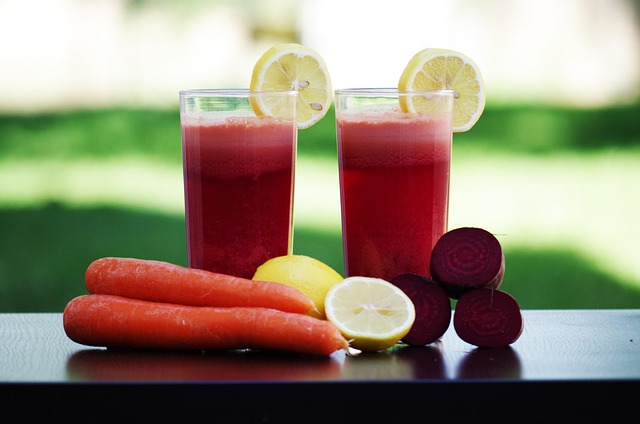
The concept of a "cleanse" or "detox" is prevalent in wellness culture, often associated with restrictive juice fasts. A smoothie-based approach offers a more nutritionally balanced alternative, focusing on the strategic inclusion of whole-food ingredients to support the body's intrinsic metabolic and excretory functions.
From a clinical perspective, the human body possesses highly efficient, endogenous detoxification systems primarily involving the liver, kidneys, gastrointestinal tract, skin, and lungs. The rationale for a dietary cleanse is not to "restart" these systems but to provide them with optimal nutritional support, potentially reducing the functional burden from processed foods, added sugars, and unhealthy fats.
A well-formulated smoothie can serve as a vehicle for nutrients that are foundational to these physiological processes:
- Dietary Fiber: Found in fruits, vegetables, and seeds, soluble and insoluble fiber supports gut motility and the elimination of waste products, while also promoting a healthy gut microbiome.
- Phytonutrients & Antioxidants: Compounds like flavonoids and carotenoids from deeply colored produce may help mitigate oxidative stress, a byproduct of normal metabolism and environmental exposures.
- Hydration & Electrolytes: The liquid base and water-rich ingredients contribute to hydration, which is critical for renal function and circulatory health.
Clinical Perspective: It is crucial to distinguish between supporting physiological function and claiming a "detox" effect. High-quality evidence for specific "cleansing" protocols is limited. The observed benefits of incorporating nutrient-dense smoothies—such as improved energy, digestion, or satiety—are likely attributable to increased intake of vitamins, minerals, and fiber, and a concurrent reduction in ultra-processed foods, rather than a novel detoxification mechanism.
It is important to approach any dietary modification with balance. A smoothie-based regimen should be viewed as a short-term nutritional strategy to encourage healthier eating patterns, not a substitute for a sustained, varied diet. Extreme cleanses that severely restrict calories or entire macronutrient groups can be counterproductive and risky.
Who should exercise caution? Individuals with diabetes (due to blood sugar fluctuations), kidney disease (concerns with potassium/oxalate load), certain gastrointestinal disorders, those who are pregnant or breastfeeding, or anyone with a history of eating disorders should consult a physician or a registered dietitian before significantly altering their diet or beginning any cleanse protocol.
2. Evidence-Based Mechanisms of Smoothie Ingredients in Detoxification
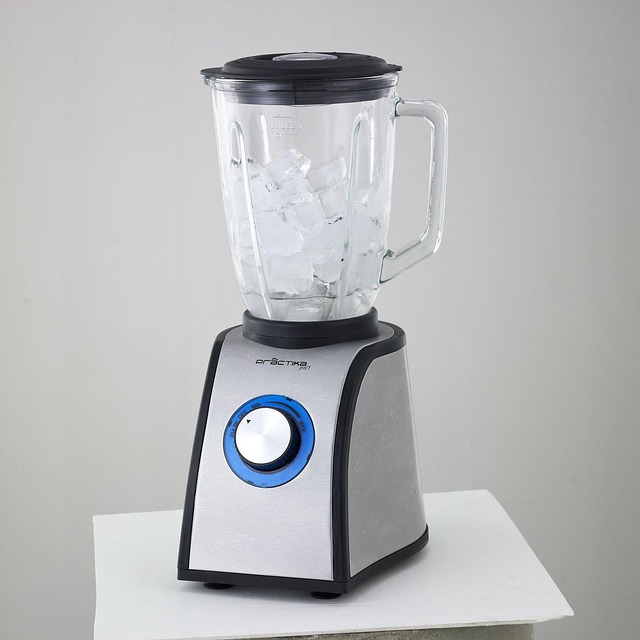
The term "detoxification" in a clinical context refers to the body's intrinsic, multi-organ process of neutralizing and eliminating metabolic waste, environmental toxins, and xenobiotics. While the body's primary detox organs—the liver, kidneys, gut, and skin—are highly efficient, certain dietary components can support their function. The ingredients commonly found in "cleanse" smoothies are not magical cleansers but may enhance these endogenous pathways through specific, evidence-based mechanisms.
Key Supportive Pathways
Ingredients in these recipes typically act by supporting two primary phases of hepatic detoxification and promoting overall elimination.
- Phase I & II Liver Enzyme Support: Cruciferous vegetables like kale and broccoli contain glucosinolates, which are metabolized into compounds like sulforaphane. Human and animal studies suggest these compounds can upregulate the activity of Phase II detoxification enzymes, which conjugate toxins for safer excretion.
- Antioxidant Provision: Berries, citrus, and leafy greens are rich in vitamins C and E, flavonoids, and carotenoids. These antioxidants help neutralize free radicals generated during Phase I liver metabolism, potentially reducing oxidative stress on cells.
- Fiber-Mediated Binding and Elimination: Soluble fiber from fruits like apples, pears, and flaxseed can bind to bile acids (which carry metabolized toxins from the liver) in the gut, facilitating their excretion. This process may support the body's natural toxin clearance.
- Hydration and Kidney Function: The high water content of smoothies contributes to hydration, which is fundamental for optimal kidney filtration and the urinary excretion of water-soluble waste products.
Clinical Perspective: It is crucial to distinguish between supporting the body's existing systems and the concept of a "cleanse" that removes unspecified toxins. The evidence for most ingredients is strongest for their role in reducing oxidative stress and supporting enzyme function as part of a balanced diet. There is limited high-quality human trial data proving that short-term "smoothie cleanses" themselves are superior to a consistently healthy diet for long-term detoxification health.
Evidence Limitations and Cautions
While the biochemical mechanisms are plausible, much of the supporting research comes from cell-culture or animal models. Human studies are often observational or involve whole-food diets over time, not isolated smoothie regimens.
Individuals who should exercise caution or consult a physician before significantly increasing intake of these ingredients include those with kidney disease (due to high potassium content), those on blood thinners like warfarin (due to vitamin K in leafy greens), or individuals with specific food allergies or fructose malabsorption.
3. Risks, Contraindications, and Populations to Avoid

While incorporating nutrient-dense smoothies into a balanced diet is generally safe for most people, the concept of a "cleanse" and the specific ingredients used require careful consideration. A clinically responsible approach necessitates understanding who may be at risk and when professional guidance is essential.
Key Medical Contraindications
Certain health conditions can be directly exacerbated by common smoothie or "cleanse" protocols. Individuals with the following diagnoses should avoid such regimens without explicit approval from their treating physician:
- Chronic Kidney Disease (CKD): Smoothies high in potassium (e.g., from spinach, bananas) or oxalates (e.g., from spinach, beets) can pose a significant risk of hyperkalemia or kidney stone formation in those with impaired renal function.
- Diabetes or Severe Insulin Resistance: Recipes relying on high-glycemic fruits (e.g., mango, pineapple) or large quantities of fruit juice can cause dangerous blood sugar spikes. Careful carbohydrate counting and inclusion of protein, fiber, and healthy fats is non-negotiable.
- Gastrointestinal Disorders: For those with IBS, IBD, or gastroparesis, high-fiber blends or specific ingredients (e.g., cruciferous vegetables, certain seeds) can trigger severe bloating, pain, or obstruction.
Populations Requiring Special Caution
Beyond specific diagnoses, broader life stages and circumstances warrant a precautionary approach.
- Pregnancy and Lactation: Nutritional needs are highly specific. "Cleansing" is not recommended, and certain herbal additives or excessive vitamin A (from greens like kale) must be strictly avoided.
- Individuals with a History of Eating Disorders: Any protocol that labels foods as "cleansing" or restrictive can dangerously reinforce disordered eating patterns.
- Those on Prescription Medications: High doses of vitamin K (in leafy greens) can interfere with blood thinners like warfarin. Other ingredients may affect drug metabolism. A pharmacist or doctor should review any major dietary change.
- The Elderly or Malnourished: Replacing meals with low-calorie or low-protein smoothies can accelerate muscle loss (sarcopenia) and nutrient deficiencies.
Clinical Perspective: The term "cleanse" is not a medical one and often implies a temporary, restrictive diet. From a physiological standpoint, the liver and kidneys perform detoxification continuously. The primary benefit of these smoothie recipes lies in their potential to increase intake of vitamins, minerals, and antioxidants within a balanced diet—not in any acute "detox" effect. The risks are most pronounced when these beverages are used to replace whole meals for extended periods or by individuals with the conditions listed above.
Before beginning any new dietary regimen, especially one framed as a cleanse, consulting with a primary care physician or a registered dietitian is the most evidence-based step for ensuring safety and appropriateness for your individual health status.
4. Practical Takeaways: Science-Backed Smoothie Recipes and Application

Integrating nutrient-dense smoothies into a dietary pattern can support metabolic and digestive health. The following recipes are designed to leverage ingredients with a strong evidence base for their functional benefits, such as fiber, antioxidants, and anti-inflammatory compounds. They are intended as part of a balanced diet, not as a standalone "cleanse."
1. The Gut-Supportive Green Smoothie
This recipe focuses on soluble fiber and polyphenols to nourish the gut microbiome and support regular elimination.
- Base: 1 cup unsweetened almond milk or kefir (for probiotics).
- Greens: 1 large handful of spinach (rich in magnesium and folate).
- Fiber Source: 1/2 avocado (soluble fiber, healthy fats).
- Polyphenol Boost: 1/2 cup frozen blueberries (anthocyanins).
- Add-in: 1 tablespoon ground flaxseed (omega-3 ALA, additional fiber).
Evidence Note: The fiber and polyphenol combination is strongly supported by research for promoting a diverse gut microbiota and reducing systemic inflammation.
2. The Hepatic Support Blend
This smoothie incorporates ingredients studied for their potential role in phase II liver detoxification pathways.
- Base: 1 cup water or green tea (catechins).
- Cruciferous Vegetable: 1/2 cup steamed then frozen broccoli florets (sulforaphane precursors).
- Citrus: Juice of 1/2 lemon (D-limonene).
- Spice: 1/2 teaspoon turmeric powder (curcumin).
- Sweetener: 1/2 green apple (for texture and quercetin).
Evidence Note: While individual compounds like sulforaphane have robust cell and animal data, human clinical trials on "liver cleansing" smoothies are limited. Effects are supportive, not curative.
Clinical Application & Cautions: These recipes are tools for increasing phytonutrient intake. They are not substitutes for medical treatment for liver, kidney, or digestive diseases. Individuals with oxalate-sensitive kidney stones should moderate high-oxalate greens like spinach. Those on blood thinners (e.g., warfarin) must maintain consistent vitamin K intake (from greens) and consult their physician. Anyone with a history of eating disorders should avoid protocols framed as "cleanses." Always introduce high-fiber blends gradually to prevent gastrointestinal discomfort.
Practical Guidance: Prepare smoothies fresh when possible to maximize nutrient bioavailability. Use them as a meal replacement for breakfast or a snack, ensuring the rest of your daily intake includes adequate protein and whole foods. Consistency within a balanced dietary pattern is more impactful than short-term, restrictive use.
5. Safety Considerations and When to Consult a Healthcare Provider

Incorporating nutrient-dense smoothies into a dietary pattern can be a positive step, but it is crucial to approach any "cleanse" or dietary modification with clinical awareness. The term "cleanse" is not a medical term and is often associated with claims that lack robust scientific validation. While the recipes may support hydration and micronutrient intake, they are not a substitute for a balanced diet or medical treatment.
Key Safety Considerations
Several important factors require consideration to ensure safety:
- Caloric and Nutritional Adequacy: Replacing multiple meals with smoothies can lead to a significant calorie deficit and potential nutrient gaps, especially in protein, essential fatty acids, and certain fat-soluble vitamins. This is not suitable for long-term practice.
- Blood Sugar Management: Smoothies high in fruit, even without added sugar, can cause rapid spikes in blood glucose. Individuals with insulin resistance, prediabetes, or diabetes should be particularly cautious and monitor their response.
- Digestive Sensitivity: High-fiber ingredients like leafy greens, chia seeds, or certain fruits may cause bloating, gas, or abdominal discomfort, especially for those with irritable bowel syndrome (IBS) or similar conditions.
- Drug-Nutrient Interactions: Ingredients high in vitamin K (e.g., spinach, kale) can interfere with blood-thinning medications like warfarin. High-potassium ingredients (e.g., bananas, avocado) require caution for those with kidney disease.
Clinical Perspective: From a medical standpoint, the body's liver and kidneys are highly efficient detoxification systems. There is no high-quality evidence that short-term dietary "cleanses" enhance their function beyond supporting general health through good nutrition. The perceived benefits often stem from increased hydration, reduced intake of processed foods, and temporary calorie restriction, not from a specific detoxifying mechanism.
When to Consult a Healthcare Provider
You should seek personalized advice from a physician or a registered dietitian before significantly altering your diet in the following circumstances:
- If you have any chronic medical condition (e.g., diabetes, kidney disease, liver disease, heart conditions).
- If you are pregnant, breastfeeding, or trying to conceive.
- If you are taking any prescription medications, especially blood thinners, diabetes medications, or drugs for blood pressure.
- If you have a history of an eating disorder or are underweight.
- If you plan to use smoothies as meal replacements for more than one meal per day or for an extended period.
- If you experience persistent negative symptoms such as dizziness, severe fatigue, nausea, or changes in bowel habits.
A healthcare professional can help you integrate these recipes safely into a sustainable, evidence-based eating plan that meets your individual nutritional needs and health goals.
6. Questions & Expert Insights
What does "cleanse" actually mean in a nutritional context, and is it supported by science?
The term "cleanse" is not a clinical or scientific term and can be misleading. In evidence-based nutrition, the concept aligns more closely with supporting the body's intrinsic detoxification pathways—primarily the liver, kidneys, digestive system, and skin—through nutrient-dense foods. The recipes in the main article are designed to provide high levels of antioxidants (like vitamin C and polyphenols), fiber, and phytonutrients that may aid these natural processes. For instance, soluble fiber can bind to bile acids and support elimination, while cruciferous vegetables contain compounds like sulforaphane that upregulate phase II liver detoxification enzymes. It is crucial to understand that these smoothies are intended to support existing physiology, not to "flush" or "purge" toxins in an unproven, dramatic way. The evidence for specific "detox" diets is generally weak, but the benefits of the individual ingredients for overall metabolic and hepatic health are well-documented.
Are there any risks or side effects associated with "cleansing" smoothies?
Yes, there are potential risks, particularly if these recipes are used to replace meals in an extreme or prolonged manner. The high fiber content, while beneficial, can cause significant gastrointestinal discomfort—bloating, gas, or diarrhea—especially in individuals not accustomed to such intake. The oxalate content in ingredients like spinach and almonds can be a concern for those with a history of calcium-oxalate kidney stones. Furthermore, individuals with fructose malabsorption or Irritable Bowel Syndrome (IBS) may react poorly to high-FODMAP ingredients like mango or certain sweeteners. Most critically, any approach that severely restricts calories, macronutrients, or promotes excessive fluid intake can be dangerous for people with diabetes, kidney disease, electrolyte imbalances, or a history of eating disorders. These recipes are designed as nutrient-dense additions or occasional meal replacements within a varied diet, not as a sole source of nutrition.
Who should avoid this approach or talk to a doctor before trying these recipes?
You should consult a physician or a registered dietitian before significantly altering your diet if you have any chronic medical condition or take regular medication. This is especially important for individuals with:
- Kidney disease, due to potassium and oxalate management.
- Diabetes, as smoothies can cause rapid blood sugar spikes despite containing fiber.
- Gastrointestinal disorders like IBS, IBD, or gastroparesis.
- Those on blood-thinners (e.g., warfarin), as sudden increases in vitamin K-rich greens can interfere with medication efficacy.
- Pregnant or breastfeeding individuals, who have specific nutritional needs.
- Anyone with a history of disordered eating.
How do these smoothies fit into a long-term healthy diet, rather than a short-term "cleanse"?
The greatest benefit of these recipes lies in their potential as a sustainable habit, not a fleeting intervention. The scientific rationale for ingredients like berries, leafy greens, flaxseed, and ginger is based on long-term consumption patterns associated with reduced inflammation, improved cardiovascular health, and better glycemic control. To integrate them responsibly, view them as a tool for increasing daily fruit, vegetable, and fiber intake—a goal strongly supported by decades of nutritional epidemiology. For example, using a green smoothie as a daily breakfast component or a post-workout recovery drink can consistently deliver key nutrients. The limitation of any "cleanse" narrative is its temporary nature; health outcomes are driven by consistent, balanced eating. Therefore, the most evidence-based takeaway is to adopt the principles (high fiber, diverse phytonutrients, minimal added sugar) into your regular diet, rather than pursuing an isolated, short-term protocol.
7. In-site article recommendations
8. External article recommendations
9. External resources
The links below point to reputable medical and evidence-based resources that can be used for further reading. Always interpret them in the context of your own situation and your clinician’s advice.
-
drugs drugs.comsmoothie cleanse – Drugs.com (search)
-
healthline healthline.comsmoothie cleanse – Healthline (search)
-
mayoclinic mayoclinic.orgsmoothie cleanse – Mayo Clinic (search)
These external resources are maintained by third-party organisations. Their content does not represent the editorial position of this site and is provided solely to support readers in accessing additional professional information.