
1. Introduction to GLP-1 Medications and the Need for Monitoring
Glucagon-like peptide-1 (GLP-1) receptor agonists are a class of medications that have become a cornerstone in the management of type 2 diabetes and, more recently, chronic weight management. They work by mimicking the action of the natural GLP-1 hormone, which is released after eating. This action has several clinically significant effects:
- Enhancing insulin secretion in a glucose-dependent manner, which lowers the risk of hypoglycemia.
- Suppressing glucagon secretion, reducing the liver's production of glucose.
- Slowing gastric emptying, which promotes a feeling of fullness (satiety).
- Acting on brain centers to reduce appetite.
The efficacy of these medications in lowering hemoglobin A1c and promoting weight loss is supported by a robust body of evidence from large, randomized controlled trials. However, it is crucial to understand that their use is not a static, "set-and-forget" therapy. Individual responses can vary significantly based on factors like genetics, lifestyle, concomitant medications, and the progression of underlying metabolic conditions.
Expert Insight: In clinical practice, we view GLP-1 therapy as a dynamic process. The initial prescription is a starting point. Optimal outcomes depend on careful titration to an effective and tolerable dose, coupled with ongoing monitoring for both therapeutic response and potential adverse effects. This personalized approach is essential for safety and long-term success.
Therefore, proactive monitoring is a fundamental component of responsible GLP-1 medication management. It allows clinicians and patients to identify signs that the current regimen may need adjustment—whether due to suboptimal efficacy, the emergence of side effects, or changes in the patient's overall health status. Recognizing these signs early is key to preventing treatment stagnation, managing risks, and maintaining the therapeutic benefits of the medication.
Individuals with a history of pancreatitis, medullary thyroid carcinoma, Multiple Endocrine Neoplasia syndrome type 2 (MEN 2), or severe gastrointestinal disease should exercise particular caution and must only use these medications under close specialist supervision. All patients should consult their physician before making any changes to their medication regimen based on self-observation.
2. Mechanisms of Action and Evidence-Based Indicators for Adjustment

Understanding the core mechanisms of GLP-1 receptor agonists (GLP-1 RAs) is essential for identifying when therapy may need refinement. These medications are not simple appetite suppressants; they are sophisticated agents that mimic the natural incretin hormone GLP-1. Their primary, evidence-based actions include:
- Glucose-Dependent Insulin Secretion: They enhance insulin release from pancreatic beta cells only when blood glucose is elevated, significantly reducing the risk of hypoglycemia when used without insulin or sulfonylureas.
- Suppression of Glucagon: They inhibit the secretion of glucagon, a hormone that raises blood sugar, particularly after meals.
- Gastric Emptying Delay: They slow the rate at which food leaves the stomach, contributing to early satiety and postprandial glucose control.
- Central Appetite Regulation: They act on receptors in the brain's hypothalamus to promote feelings of fullness and reduce food intake.
These mechanisms underpin the therapeutic goals: improved glycemic control for type 2 diabetes and sustained weight management. Recognizing signs that these mechanisms are not translating into the intended clinical outcomes forms the basis for considering an adjustment.
Expert Insight: Clinicians assess the need for adjustment by looking for a disconnect between the drug's pharmacokinetic action and the patient's pharmacodynamic response. For instance, if a patient on a stable dose experiences a return of significant hunger or rapid gastric emptying (e.g., feeling hungry soon after a large meal), it may signal that the current dose is no longer providing sufficient receptor agonism at key times. This is a more nuanced indicator than weight plateau alone.
The strongest evidence for dose adjustment or escalation comes from clinical trial protocols, which are designed to titrate doses until a specific glycemic or weight-loss target is met with tolerable side effects. Key evidence-based indicators that a change may be warranted include:
- Inadequate Glycemic Response: Failure to achieve or maintain agreed-upon HbA1c targets after an adequate trial period (typically 3-6 months on a stable, maximally tolerated dose).
- Early Weight Plateau or Regain: While a weight plateau is expected, an early stall (before 6 months) or consistent regain after initial loss on a stable dose suggests suboptimal efficacy.
- Diminished Effect on Appetite/Cravings: A clear subjective report from a reliable patient that the medication's effect on satiety has waned substantially.
It is crucial to note that evidence for adjusting based solely on "tolerance" (e.g., GI side effects subsiding) is mixed. While diminished side effects can allow for dose escalation, their absence is not a direct indicator of need. Individuals with a history of pancreatitis, medullary thyroid carcinoma, or multiple endocrine neoplasia type 2 should not use these medications. Anyone considering a dose change should do so only under the direct supervision of their prescribing physician, as self-adjustment can lead to inadequate treatment or increased adverse effects.
3. Risks and Contraindications for GLP-1 Medication Adjustments
Adjusting the dose of a GLP-1 receptor agonist (e.g., semaglutide, liraglutide, tirzepatide) is a standard clinical practice to optimize efficacy and tolerability. However, any change in dosing protocol carries inherent risks and must be approached with caution, guided by a healthcare professional. Self-adjusting medication without medical supervision is strongly discouraged and can lead to serious adverse outcomes.
Key Risks Associated with Dose Adjustment
The primary risks of altering a GLP-1 medication regimen fall into two categories: gastrointestinal intolerance and glycemic instability.
- Gastrointestinal Adverse Events: Nausea, vomiting, diarrhea, and constipation are common, especially during dose escalation. Increasing the dose too rapidly or beyond a patient's tolerance can lead to severe symptoms, dehydration, and, in rare cases, acute pancreatitis. Conversely, abruptly decreasing a dose may lead to a return of appetite and potential weight regain.
- Hypoglycemia: When used as monotherapy, GLP-1 agonists carry a low risk of hypoglycemia. However, the risk increases significantly if the patient is also on insulin or a sulfonylurea. An uncoordinated adjustment of a GLP-1 medication alongside these agents without reducing their dose can precipitate dangerous low blood sugar episodes.
- Loss of Therapeutic Effect: Inappropriately reducing the dose or frequency may undermine glycemic control and weight management benefits, reversing hard-won clinical progress.
Critical Contraindications and Precautions
Certain patient populations require extreme caution, and dose adjustments may be contraindicated or require specialist oversight.
- Personal or Family History of Medullary Thyroid Carcinoma (MTC): GLP-1 agonists are contraindicated in patients with a personal or family history of MTC or in patients with Multiple Endocrine Neoplasia syndrome type 2 (MEN 2).
- History of Pancreatitis: Patients with a history of pancreatitis should generally avoid GLP-1 agonists. If used under specialist care, any dose adjustment must be made with extreme vigilance for abdominal pain.
- Severe Gastrointestinal Disease: This includes gastroparesis, severe inflammatory bowel disease, or a history of major gastrointestinal surgery. Dose adjustments can exacerbate these conditions.
- Renal Impairment: Patients with chronic kidney disease (CKD), especially stage 4 or 5, are at higher risk for dehydration and worsening renal function from GI side effects. Dose initiation and escalation must be very gradual and monitored closely.
- Pregnancy and Lactation: The safety of GLP-1 agonists during pregnancy and breastfeeding is not established. Dose adjustments should not be undertaken without a thorough risk-benefit discussion with an obstetrician and endocrinologist.
Clinical Perspective: The decision to adjust a GLP-1 medication is not merely about symptoms; it requires a holistic review. A clinician will assess renal function, concomitant medications (especially insulin), the patient's hydration status, and their ability to recognize hypoglycemia symptoms. The mantra is "start low, go slow," and any change should be followed by appropriate monitoring. Patients should never alter their dosing schedule in response to a single side effect or a plateau in weight loss without consulting their care team.
Before considering any adjustment to your GLP-1 medication regimen, a consultation with your prescribing physician is essential. They can evaluate your individual risk profile, coordinate changes with other medications, and establish a safe monitoring plan.
4. Practical Steps for Collaborating on GLP-1 Therapy Adjustments
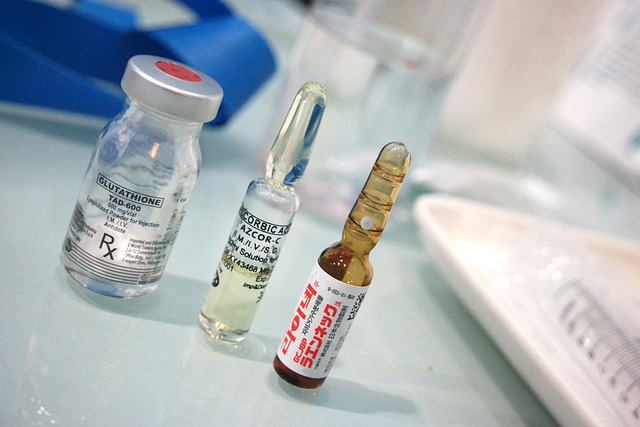
Effective management of GLP-1 receptor agonist therapy is a collaborative process between you and your healthcare provider. A structured approach ensures adjustments are made safely and based on objective data, not just symptoms.
1. Prepare for Your Appointment
Before your consultation, gather concrete information. This provides your clinician with the context needed for informed decisions.
- Log Symptoms & Timing: Note the nature, severity, and timing of any side effects (e.g., nausea, constipation) or signs of inadequate response (e.g., persistent hunger, weight plateau).
- Track Metrics: Bring recent blood glucose logs (if applicable for diabetes), weight trends, and blood pressure readings.
- List All Medications: Include prescription drugs, over-the-counter supplements, and vitamins, as interactions can occur.
2. Engage in a Shared Decision-Making Discussion
Use your prepared information to discuss the following key points with your provider:
- Review Original Goals: Revisit whether the primary aim is glycemic control, weight management, or cardiovascular risk reduction.
- Assess Benefit vs. Burden: Objectively weigh the therapy's effectiveness against the impact of side effects on your quality of life.
- Explore Adjustment Options: Discuss the evidence-based pathways, which may include dose titration, changing injection frequency, or, in some cases, switching to a different GLP-1 medication within the class.
Clinical Insight: Dose escalation is the most common first step and is strongly supported by clinical trial protocols for improving efficacy. However, for persistent, debilitating gastrointestinal side effects, evidence is more mixed on whether slowing titration or temporarily reducing the dose is best; this often requires individualized trial and error. The decision to switch agents is typically reserved for intolerance or inadequate response after optimal dosing.
3. Implement and Monitor the Agreed Plan
Once a plan is established, precise follow-through is critical.
- Clarify the New Protocol: Ensure you understand the exact new dose, timing, and injection technique.
- Schedule Follow-up: Agree on a timeframe (e.g., 4-8 weeks) to reassess the changes. Do not make further independent adjustments.
- Know Red Flags: Understand which symptoms (e.g., severe abdominal pain, persistent vomiting, signs of pancreatitis or allergic reaction) require immediate medical attention.
Who Should Proceed with Extra Caution: Individuals with a history of pancreatitis, severe gastrointestinal disease, medullary thyroid carcinoma (personal or family history), or multiple endocrine neoplasia type 2 should ensure any adjustment is discussed in detail with a specialist. Those with diabetic retinopathy should be monitored closely, as rapid improvement in glucose control has been associated with transient worsening.
Collaboration, grounded in clear data and professional guidance, is the safest and most effective path to optimizing your GLP-1 therapy outcomes.
5. Safety Considerations and When to Consult a Healthcare Provider
While GLP-1 receptor agonists are powerful tools for managing weight and type 2 diabetes, their use requires careful clinical oversight. Recognizing when to consult your healthcare provider is a critical component of safe and effective treatment. This is not a sign of failure, but of responsible management.
Certain symptoms should prompt immediate medical consultation. These are potential signs of serious adverse effects that require professional evaluation:
- Severe, persistent gastrointestinal distress: While nausea is common initially, unrelenting vomiting, severe abdominal pain, or diarrhea leading to dehydration are red flags.
- Symptoms of pancreatitis: Sudden, severe abdominal pain that may radiate to the back, often accompanied by nausea and vomiting.
- Signs of gallbladder problems: Pain in the upper right abdomen, fever, and jaundice (yellowing of the skin or eyes).
- Severe allergic reactions: Rash, itching, difficulty breathing, or swelling of the face, lips, or tongue.
- Palpitations or rapid heart rate: Especially if new, persistent, or causing dizziness.
Beyond acute symptoms, schedule a consultation to discuss potential dose adjustment if you experience:
- Plateaued weight loss for an extended period (e.g., 3-4 months) despite adherence.
- Intolerable side effects that do not diminish with time or dietary modifications.
- Significant changes in other health metrics, like blood glucose levels in diabetics or blood pressure.
- Plans for surgery, as these medications can affect gastric emptying and anesthesia risk.
Clinical Perspective: The decision to adjust a GLP-1 regimen is multifactorial. We balance efficacy, tolerability, and individual patient comorbidities. For instance, a patient with a history of gastroparesis may need a slower titration. We also monitor for potential nutrient deficiencies with long-term use. Never stop or change your dose without medical guidance, as this can lead to rebound effects or loss of therapeutic benefit.
Special Populations Requiring Extra Caution: Individuals with a personal or family history of medullary thyroid carcinoma or Multiple Endocrine Neoplasia syndrome type 2 should not use these medications. Those with a history of pancreatitis, severe gastrointestinal disease, or kidney impairment require close monitoring. The evidence for use in pregnancy is limited; consultation with an obstetrician and endocrinologist is essential.
Open, ongoing communication with your healthcare team is the cornerstone of safety. They can help differentiate between common side effects and serious complications, ensuring your treatment remains both effective and secure.
6. Questions & Expert Insights
I've been on my GLP-1 medication for three months and my weight loss has stalled. Does this mean it's stopped working?
Not necessarily. A plateau in weight loss is a common and expected phase in the body's adaptation to a new metabolic state. Initial rapid weight loss often includes a significant amount of water weight. As your body adjusts, the rate of loss typically slows. Before concluding the medication is ineffective, a clinical review is essential. Your healthcare provider will assess factors like dietary adherence, physical activity levels, potential need for dose titration, and whether you've reached a new metabolic set point. It's important to manage expectations; sustainable weight management is a long-term process, and plateaus are a normal part of the journey. A plateau, especially if maintained, can be a signal to re-engage with your care team for a personalized strategy adjustment rather than a sign of treatment failure.
What are the serious side effects or risks that mean I should stop the medication and call my doctor immediately?
While common side effects like nausea are often manageable, certain symptoms require immediate medical attention. You should contact your doctor promptly if you experience: Severe, persistent abdominal pain that may radiate to the back (a potential sign of pancreatitis), persistent vomiting leading to dehydration, symptoms of a serious allergic reaction (rash, swelling, difficulty breathing), or changes in vision. A specific, though rare, risk is medullary thyroid carcinoma (MTC); report any lumps in the neck, hoarseness, or difficulty swallowing. Those with a personal or family history of MTC or Multiple Endocrine Neoplasia syndrome type 2 (MEN 2) should not use these medications. Individuals with a history of pancreatitis or severe gastrointestinal disease also require extreme caution and close monitoring.
My blood sugar levels are now excellent, but I'm experiencing significant nausea. Should I just tolerate it or is adjusting the dose an option?
You should not have to simply "tolerate" significant nausea, and dose adjustment is a primary strategy. Nausea is a dose-dependent side effect most common during initiation and titration. Inform your prescribing clinician. They may recommend slowing the titration schedule, temporarily reducing the dose, or ensuring you are injecting correctly (e.g., in the abdomen versus arm/thigh). Practical management includes eating smaller, blander meals, avoiding high-fat foods, and staying hydrated. The goal is to find the lowest effective dose that maintains your glycemic control while minimizing side effects. Persisting through severe nausea can lead to dehydration, nutrient deficiencies, and reduced quality of life, which undermines the treatment's long-term sustainability.
When is the right time to schedule a dedicated appointment to discuss adjusting my GLP-1 medication, and what should I prepare?
Schedule an appointment if you experience: a prolonged weight loss plateau (>4-6 weeks), intolerable side effects, failure to achieve clinically meaningful benefit after an adequate trial at the target dose, or new health developments. Before your visit, prepare a concise log including: 1) Current dose and injection history, 2) Side effect diary (frequency, severity, triggers), 3) Recent weight and blood glucose trends (if applicable), 4) Diet and activity notes, and 5) Specific questions or goals (e.g., "Can we slow titration to reduce nausea?" or "Is my current dose appropriate for maintenance?"). This organized information allows your doctor to make an efficient, evidence-based decision about continuing, adjusting, or potentially discontinuing therapy.
7. In-site article recommendations
8. External article recommendations
9. External resources
The links below point to reputable medical and evidence-based resources that can be used for further reading. Always interpret them in the context of your own situation and your clinician’s advice.
-
mayoclinic mayoclinic.orgGLP-1 receptor agonists – Mayo Clinic (search)
-
drugs drugs.comGLP-1 receptor agonists – Drugs.com (search)
-
wikipedia wikipedia.orgGLP-1 receptor agonists – Wikipedia (search)
These external resources are maintained by third-party organisations. Their content does not represent the editorial position of this site and is provided solely to support readers in accessing additional professional information.