
1. Introduction: Understanding Protein's Role in Appetite Regulation
Appetite regulation is a complex neuroendocrine process involving hormones, neural signals, and nutrient sensing. Among the three macronutrients—protein, carbohydrates, and fats—protein has been consistently shown in research to exert the most potent effect on promoting satiety and reducing subsequent energy intake. Understanding this physiological role is foundational for evaluating the adequacy of any dietary pattern.
The satiating power of protein is supported by multiple, well-established mechanisms:
- Hormonal Modulation: Protein intake stimulates the release of satiety hormones like peptide YY (PYY) and glucagon-like peptide-1 (GLP-1) while reducing levels of the hunger hormone ghrelin. This effect is generally more pronounced than that of carbohydrates or fats.
- Thermic Effect of Food (TEF): Protein has the highest TEF, meaning the body expends more energy to digest, absorb, and metabolize it. This process may contribute to a prolonged feeling of fullness.
- Impact on Reward Pathways: Some evidence suggests adequate protein can help modulate brain reward signals related to food, potentially reducing cravings for highly palatable, energy-dense foods.
The evidence for protein's role in appetite control is robust from short-term, controlled feeding studies. High-protein meals reliably increase satiety and reduce short-term calorie consumption in subsequent meals. However, the long-term translation to significant, sustained weight loss in free-living individuals is more variable, as it interacts with total diet quality, energy balance, and individual adherence.
Clinical Perspective: While the satiety effect is clear, "more protein" is not a universal prescription. Clinicians consider an individual's renal function, hepatic health, and metabolic status. For someone with compromised kidney function, a significant, unsupervised increase in protein intake could be harmful. Furthermore, the source of protein (e.g., lean meats, legumes, dairy) and what it displaces in the diet are critical for overall nutritional adequacy.
It is also important to distinguish between absolute protein deficiency, which is rare in developed countries, and functional insufficiency for optimal appetite control within an individual's calorie needs. The latter is more common and can subtly undermine weight management efforts.
Individuals with pre-existing kidney disease, liver conditions, or those who are pregnant or breastfeeding should consult a physician or registered dietitian before making significant dietary changes. This chapter provides a physiological basis for recognizing signs that your current meal plan may not be leveraging protein's satiety benefits effectively.
2. Evidence and Mechanisms: Scientific Basis for Protein in Appetite Control
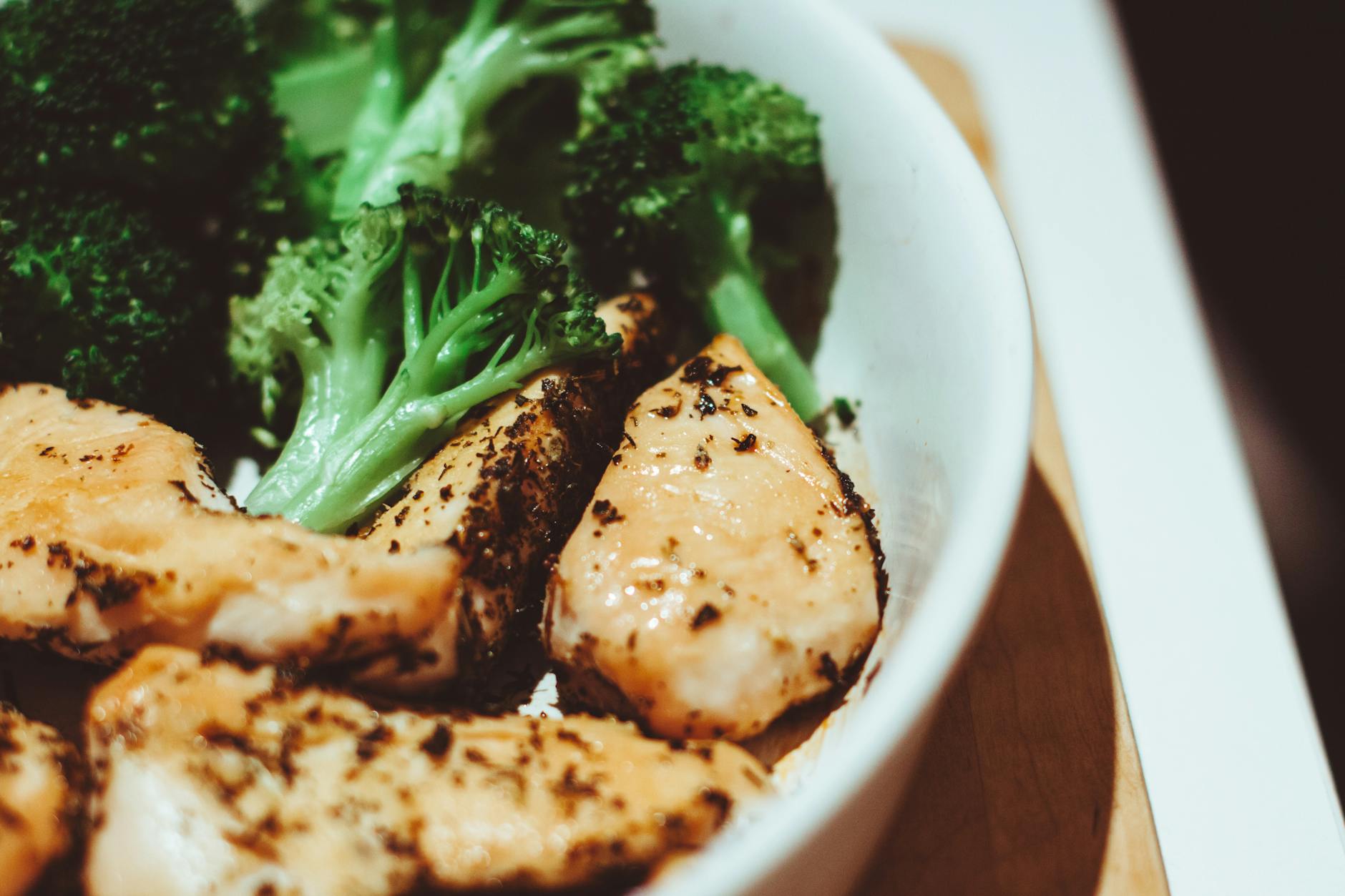
The role of dietary protein in promoting satiety and reducing overall energy intake is one of the most robust findings in nutritional science. The evidence is supported by a convergence of data from hormonal studies, brain imaging, and controlled feeding trials.
At a hormonal level, protein intake triggers a more potent release of satiety hormones like peptide YY (PYY) and glucagon-like peptide-1 (GLP-1) from the gut compared to carbohydrates or fats. Simultaneously, it suppresses the hunger hormone ghrelin more effectively. This creates a biochemical environment that signals fullness to the brain.
Neuroimaging studies provide a direct window into this process. Research using functional MRI (fMRI) has shown that high-protein meals lead to reduced activity in brain regions associated with food motivation and reward, such as the hypothalamus and striatum. This suggests protein not only satisfies physical hunger but may also dampen the psychological drive to seek out highly palatable, energy-dense foods.
Clinical Insight: From a clinical perspective, the satiating effect of protein is leveraged in structured weight management programs. However, the mechanism is not a simple "on/off" switch for appetite. Individual variability in metabolism, gut microbiome composition, and habitual diet can modulate this response. The goal is strategic inclusion, not excessive consumption.
Controlled trials consistently demonstrate that higher-protein diets (typically providing 25-30% of total calories from protein) lead to:
- Greater self-reported feelings of fullness.
- Reduced spontaneous calorie intake at subsequent meals.
- Less preoccupation with thoughts of food.
It is important to contextualize this strong evidence. Most studies are of short to medium duration (weeks to months). The long-term sustainability and effects of very high-protein diets beyond two years are less clear and require more research. Furthermore, the source of protein (e.g., whey, casein, soy, plant blends) may influence the magnitude and duration of the satiety effect, with some evidence suggesting certain proteins like whey are particularly potent.
Who should exercise caution? Individuals with pre-existing kidney disease should not increase protein intake without consulting their nephrologist. Those with liver disease or certain rare metabolic disorders involving protein metabolism also require personalized medical guidance. For the general population, increasing protein within recommended dietary allowances (0.8 g/kg of body weight for adults, with higher needs for active individuals) is considered safe, but drastic, unbalanced changes to any macronutrient should be approached thoughtfully.
3. Risks and Contraindications: Who Should Approach Protein Intake Cautiously
While adequate protein is crucial for satiety and metabolic health, a blanket recommendation to increase intake is not universally safe. Certain medical conditions necessitate a cautious, medically supervised approach to dietary protein.
Individuals with Impaired Kidney Function
The strongest evidence for caution applies to individuals with chronic kidney disease (CKD). In compromised kidneys, a high protein load can accelerate the decline of glomerular filtration rate (GFR) and exacerbate uremic symptoms. For patients with established CKD, especially stages 3–5, protein intake must be individually prescribed, often restricted, and monitored by a nephrologist or renal dietitian.
Those with Liver Disease
In advanced liver cirrhosis, protein metabolism is impaired, increasing the risk of hepatic encephalopathy. While protein restriction was once standard, current evidence supports adequate but not excessive intake, tailored to the patient's nutritional status and disease stage. Self-prescribing high-protein diets in this context is contraindicated.
People with Specific Metabolic Disorders
Certain inborn errors of metabolism, such as phenylketonuria (PKU) or some urea cycle disorders, require strict, lifelong protein restriction or the use of medical formulas. For these individuals, standard dietary advice is not applicable and can be harmful.
Other Populations Requiring Prudence
- Individuals with a History of Eating Disorders: A focus on macronutrient tracking, including protein, can trigger obsessive behaviors and relapse. Nutritional rehabilitation should be managed by a specialized team.
- Older Adults with Comorbidities: While protein needs often increase with age (sarcopenia), concurrent conditions like heart failure or severe osteoporosis may require a balanced approach to overall diet and fluid intake.
- People on Certain Medications or with Gout: Very high intakes of purine-rich animal proteins may exacerbate hyperuricemia in susceptible individuals. Those with a history of gout or kidney stones should discuss sources and amounts of protein with their physician.
The key takeaway is that personalization is paramount. Anyone with the conditions mentioned above, or who is uncertain about their metabolic health, should consult a physician or a registered dietitian before significantly altering their protein intake. A basic metabolic panel, including creatinine and estimated GFR, can provide essential baseline information to guide safe dietary decisions.
4. Practical Takeaways: Evidence-Based Strategies to Enhance Protein in Meal Plans
Addressing a potential protein deficit requires a structured, evidence-based approach focused on distribution, quality, and quantity. The goal is not simply to add protein, but to integrate it strategically to leverage its satiating effects throughout the day.
1. Prioritize Protein Distribution
Strong evidence suggests that distributing protein intake evenly across meals is more effective for appetite control and muscle protein synthesis than consuming most of it in one meal. Aim for a target of 20-30 grams of high-quality protein per main meal. This threshold is generally sufficient to maximally stimulate muscle protein synthesis and promote satiety signals.
- Breakfast is critical: Many traditional breakfasts are carbohydrate-dense. Incorporating eggs, Greek yogurt, cottage cheese, or a protein shake can help establish early satiety.
- Re-evaluate snacks: Swap refined carbohydrate snacks for options like a handful of almonds, a hard-boiled egg, or plain yogurt with berries.
2. Select High-Quality, Complete Proteins
Proteins are made of amino acids. "Complete" proteins contain all nine essential amino acids in sufficient ratios. Leucine, a key amino acid found abundantly in animal and some plant sources, is a primary trigger for muscle protein synthesis and satiety signaling.
- Animal sources: Lean poultry, fish, eggs, dairy (e.g., whey, casein), and lean cuts of red meat are complete, bioavailable proteins.
- Plant sources: Soy (tofu, tempeh, edamame), quinoa, and hemp seeds are complete. Other plant proteins (beans, lentils, nuts) should be combined throughout the day (e.g., beans and rice) to ensure a full amino acid profile.
Clinical Consideration: While increasing protein can be beneficial for appetite and body composition, it is not appropriate for everyone. Individuals with chronic kidney disease (CKD) not on dialysis, certain liver conditions, or a history of disordered eating should consult a physician or registered dietitian before significantly altering their protein intake. Those considering very high-protein diets (>2g/kg body weight) should also seek professional guidance to assess potential long-term impacts.
3. Implement Practical, Incremental Changes
Sudden, drastic dietary overhauls are rarely sustainable. Focus on one or two practical swaps per week.
- Add a scoop of unflavored collagen or plant-based protein powder to oatmeal or smoothies.
- Top salads with grilled chicken, salmon, or chickpeas instead of croutons.
- Choose Greek yogurt over regular yogurt, which has roughly double the protein.
The evidence for protein's role in promoting satiety and preserving lean mass is robust. By applying these strategies—focusing on distribution, quality, and practical integration—you can systematically enhance your meal plan's capacity for appetite control. Always tailor these approaches to your individual health status and preferences.
5. Safety Considerations: When to Consult a Healthcare Professional
While increasing dietary protein can be a sound, evidence-based strategy for improving satiety and body composition, it is not universally appropriate. A responsible approach requires understanding when self-directed dietary changes may pose risks and necessitate professional guidance.
Who Should Seek Medical Advice First
Certain individuals should consult a physician or a registered dietitian before significantly altering their protein intake. This is crucial for safety and to ensure the approach aligns with your overall health status.
- Individuals with Chronic Kidney Disease (CKD): High protein intake can increase the kidneys' filtration workload. For those with diagnosed CKD, any change in protein consumption must be medically supervised to prevent further renal damage.
- People with Liver Disease: Impaired liver function can affect protein metabolism and ammonia clearance. Professional oversight is essential.
- Those with a History of Eating Disorders: Focusing on macronutrient tracking can sometimes trigger or exacerbate disordered eating patterns. A mental health professional or dietitian specializing in eating disorders should be involved.
- Individuals on Multiple Medications (Polypharmacy): Significant dietary shifts can potentially interact with medications, affecting their absorption or efficacy.
Clinical Insight: In practice, we distinguish between increasing protein within a balanced diet and adopting an extreme, restrictive high-protein regimen. The former is generally safe for healthy adults, while the latter often lacks essential nutrients and can strain metabolic systems over time. A key red flag is any plan that promises rapid weight loss through protein alone while severely restricting other food groups.
Recognizing When Adjustments Aren't Enough
If you have addressed a potential protein deficit but continue to experience intense, unmanageable hunger, fatigue, or unexplained weight changes, a deeper issue may be present. These symptoms could indicate underlying metabolic conditions (like thyroid dysfunction or insulin resistance), hormonal imbalances, or other nutritional deficiencies that require diagnostic evaluation.
Furthermore, the evidence for protein's role in satiety is strong in the short term, but long-term sustainability and individual variability are important considerations. What works in a controlled trial may not translate seamlessly to your daily life due to factors like food preferences, lifestyle, and gut health.
The most prudent path is to use dietary strategies like optimizing protein as one tool within a broader health framework. Consulting a healthcare professional ensures this tool is used safely and effectively, tailored to your unique medical history and health goals.
6. Questions & Expert Insights
Can increasing protein really help me feel full longer, or is this just a short-term trend?
The satiating effect of protein is supported by a robust body of physiological evidence, not just anecdotal trends. Protein triggers the release of hormones like peptide YY (PYY) and glucagon-like peptide-1 (GLP-1) that signal fullness to the brain. It also has a higher thermic effect of food (TEF), meaning your body uses more energy to digest it, which may contribute to a prolonged feeling of satisfaction. However, the practical impact varies. Studies often show the most significant appetite reduction when protein intake is increased from a very low baseline to a moderate one (e.g., from 10% to 20-25% of daily calories). The effect may be less dramatic for someone already consuming adequate protein. It's also important to note that long-term sustainability depends on the quality of protein sources and integrating them into a balanced diet, not merely adding protein powder to an otherwise poor diet.
What are the potential risks or downsides of drastically increasing my protein intake?
While increasing protein to recommended levels (e.g., 0.8-1.2g per kg of body weight for most adults) is generally safe, a drastic, unsupervised increase can pose risks. For individuals with pre-existing kidney disease, a high protein load can exacerbate decline in kidney function. Those with liver disease may also need to limit protein. High-protein diets often displace other vital food groups, potentially leading to fiber, vitamin, and mineral deficiencies. Some commercial high-protein foods and supplements can be high in saturated fat, sodium, and artificial additives. Furthermore, for individuals with a history of or predisposition to eating disorders, an obsessive focus on macronutrient tracking can be harmful. Always consider the source: whole-food proteins (legumes, fish, lean poultry) are preferable to processed shakes and bars.
I think I need more protein. When should I actually talk to a doctor or dietitian about this?
Consult a healthcare professional before making significant dietary changes if you have any chronic health conditions (especially kidney or liver issues), are pregnant or breastfeeding, take multiple medications, or have a history of disordered eating. It's also wise to seek guidance if you're experiencing unexplained fatigue, hair loss, or muscle wasting, as these could signal deficiencies beyond just protein. For the conversation, come prepared. Bring a typical 3-day food diary, a list of your current medications and supplements, and your specific goals (e.g., "I want to manage afternoon hunger" or "I'm struggling to recover from workouts"). This allows the professional to assess your current intake in context and provide personalized, safe recommendations that address your overall nutritional status, not just one macronutrient.
Is there a "best" time of day to eat protein for appetite control?
Research on meal timing offers nuanced insights. Some studies suggest that distributing protein evenly across meals (e.g., 25-30g per meal) may be more effective for stimulating muscle protein synthesis and promoting satiety throughout the day than consuming most of it at one meal. A protein-rich breakfast, in particular, has been associated with reduced hunger and lower calorie intake later in the day, potentially by modulating hunger hormones like ghrelin. However, the evidence is not conclusive enough to prescribe a rigid schedule. The most critical factor is consistently meeting your total daily protein needs from quality sources. For appetite control, prioritizing protein at meals where you tend to get hungry fastest (e.g., adding Greek yogurt to your morning routine if you snack heavily by 10 AM) is a practical, evidence-informed strategy worth personalizing.
7. In-site article recommendations
8. External article recommendations
9. External resources
The links below point to reputable medical and evidence-based resources that can be used for further reading. Always interpret them in the context of your own situation and your clinician’s advice.
-
healthline healthline.comprotein intake – Healthline (search)
-
wikipedia wikipedia.orgprotein intake – Wikipedia (search)
-
mayoclinic mayoclinic.orgprotein intake – Mayo Clinic (search)
These external resources are maintained by third-party organisations. Their content does not represent the editorial position of this site and is provided solely to support readers in accessing additional professional information.