
1. Introduction to Detoxification and Smoothie Context

In clinical and physiological terms, "detoxification" refers to the body's innate, continuous processes for neutralizing and eliminating metabolic waste products, environmental toxins, and other potentially harmful substances. These processes are primarily managed by the liver, kidneys, gastrointestinal tract, skin, and lungs. The scientific evidence supporting the need for specific, short-term dietary "detox" programs to enhance these intrinsic systems is limited and often mixed.
However, a strategic dietary approach focused on nutrient density can support the organs responsible for natural detoxification. This is where the concept of a "detox smoothie" finds a more evidence-based context. Rather than promising a cleanse, these recipes are designed to be tools for increasing the intake of specific nutrients that play documented roles in the body's biochemical detoxification pathways.
Key components in such smoothies may include:
- Dietary Fiber: Found in fruits, vegetables, and seeds like flax or chia, fiber supports healthy gut motility and may bind to certain waste products for excretion.
- Phytonutrients: Compounds like sulforaphane (in cruciferous vegetables) and flavonoids (in berries and citrus) can support Phase I and Phase II liver enzyme activity, the critical steps in metabolizing toxins.
- Antioxidants: Vitamins C and E, and compounds like glutathione precursors, help combat oxidative stress that can accompany toxin metabolism.
- Hydration: Adequate fluid intake is fundamental for kidney function and overall cellular processes.
Clinical Perspective: It is crucial to distinguish between supporting systemic function and claiming a "detox." High-quality evidence for most commercial detox plans is lacking. A more sustainable and scientifically sound approach is to consistently incorporate nutrient-rich foods into one's diet to optimize the body's own, always-active detoxification systems. Smoothies can be a convenient vehicle for this.
Individuals with kidney disease, liver conditions, diabetes, or those who are pregnant or breastfeeding should consult a physician or registered dietitian before significantly altering their diet, including the regular use of high-potassium or high-oxalate smoothies. Those with a history of eating disorders should also approach any regimen focused on food restriction or "cleansing" with extreme caution.
The following chapters present specific smoothie recipes not as miracle cures, but as strategic dietary formulations. Each recipe highlights ingredients with plausible biological mechanisms for supporting organ health and metabolic efficiency, framed within the context of a balanced overall diet.
2. Evidence and Mechanisms Behind Detox-Supporting Ingredients

The term "detoxification" in a clinical context refers to the body's intrinsic, continuous processes for neutralizing and eliminating metabolic waste, environmental toxins, and xenobiotics. The liver, kidneys, gastrointestinal tract, and skin are the primary organs involved. The goal of including specific ingredients in smoothies is not to "detox" the body in a novel way, but to provide nutritional support that may enhance the efficiency of these existing physiological pathways.
Evidence for this support varies by ingredient. The mechanisms generally fall into a few key categories:
- Providing Antioxidants: Compounds like vitamin C (from citrus, berries), vitamin E (from spinach, avocado), and polyphenols (from berries, green tea) help mitigate oxidative stress, a byproduct of normal metabolism and toxin processing that can damage cells.
- Supporting Phase II Liver Conjugation: Cruciferous vegetables like kale and broccoli contain glucosinolates, which are metabolized into compounds like sulforaphane. Research suggests these may upregulate enzymes involved in the liver's second phase of detoxification, helping to prepare toxins for excretion.
- Promoting Healthy Elimination: Dietary fiber from fruits, vegetables, and seeds like chia or flax supports regular bowel movements, which is a primary route for the excretion of waste products and toxins processed by the liver.
- Providing Essential Cofactors: Nutrients like B vitamins (found in leafy greens) and certain amino acids are necessary cofactors for the enzymatic reactions that drive detoxification pathways.
Clinical Perspective: It is crucial to distinguish between nutritional support and medical detoxification. The evidence for whole-food ingredients supporting general liver and kidney health is robust. However, claims that specific food combinations can "pull toxins from fat cells" or "cleanse heavy metals" are not supported by high-quality human trials. The benefit is in reducing the body's toxic load by avoiding processed foods and supplying nutrients for optimal organ function.
It is important to note that most supporting evidence comes from cell culture, animal studies, or observational human data. Large-scale, long-term randomized controlled trials on specific "detox smoothies" are lacking. Furthermore, individuals with kidney disease, oxalate-sensitive kidney stones, or specific medication regimens (e.g., blood thinners like warfarin, which can interact with vitamin K-rich greens) should consult a physician before making significant dietary changes.
In summary, a strategic approach focuses on ingredients with plausible biochemical mechanisms to aid the body's natural detoxification systems, rather than seeking a dramatic "cleanse."
3. Risks, Contraindications, and Populations to Avoid

While incorporating nutrient-dense smoothies into a balanced diet is generally safe for most people, the concept of "detoxification" and specific restrictive protocols carry potential risks. It is crucial to approach these recipes with an understanding of their limitations and contraindications.
Key Medical and Nutritional Concerns
The primary risks are not from the ingredients themselves, but from how they are used. Replacing meals exclusively with smoothies can lead to:
- Inadequate Caloric and Macronutrient Intake: This can result in fatigue, nutrient deficiencies, and a slowed metabolism.
- Blood Sugar Dysregulation: Smoothies high in fruit without adequate protein, fat, or fiber can cause rapid spikes and crashes in blood glucose.
- Gastrointestinal Distress: A sudden, high intake of certain fibers (e.g., from leafy greens, flaxseed) or compounds in ingredients like ginger or turmeric may cause bloating, gas, or diarrhea.
- Drug-Nutrient Interactions: High doses of vitamin K from leafy greens can interfere with blood-thinning medications like warfarin. High-potassium ingredients (e.g., spinach, banana) are a concern for individuals with kidney impairment.
Clinical Perspective: The liver and kidneys are the body's primary detoxification organs and are highly efficient. There is limited high-quality evidence that short-term "detox" diets enhance their function in healthy individuals. The perceived benefits often stem from eliminating processed foods and increasing hydration and micronutrient intake—principles of a generally healthy diet, not a novel detox protocol.
Populations Who Should Exercise Caution or Avoid
The following individuals should consult a physician or a registered dietitian before undertaking any significant dietary change, including a smoothie-focused plan:
- Individuals with Chronic Kidney Disease: Due to the risk of hyperkalemia from high-potassium ingredients.
- Those on Specific Medications: Especially anticoagulants (blood thinners), diabetes medications, or drugs for hypertension.
- People with a History of Eating Disorders: Restrictive patterns can trigger relapse.
- Pregnant or Breastfeeding Women: They have increased and specific nutritional needs that may not be met by a smoothie-centric approach.
- Individuals with Gastrointestinal Conditions: Such as IBS, IBD, or gastroparesis, who may not tolerate high-fiber blends.
- Those with Diabetes or Prediabetes: Careful carbohydrate management and macronutrient balancing is essential.
A strategic, evidence-based approach is to view these smoothies as supplements to a whole-foods diet, not replacements for it. If you have any underlying health condition or take regular medication, a discussion with your healthcare provider is a necessary first step.
4. Practical Takeaways for Implementing Smoothie Recipes
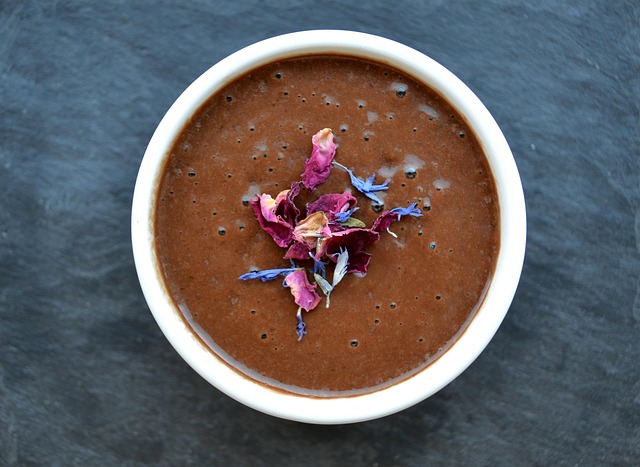
Incorporating nutrient-dense smoothies into your routine can be a practical strategy to increase intake of fiber, vitamins, and phytonutrients. To implement these recipes effectively and safely, a structured, evidence-informed approach is essential.
Core Implementation Principles
Focus on these foundational actions to maximize benefit and minimize potential for adverse effects:
- Prioritize Whole Foods: Use whole fruits, vegetables, nuts, and seeds over juices or processed powders to retain beneficial fiber, which supports satiety and gut health.
- Rotate Ingredients: Regularly vary the fruits, vegetables, and greens you use. This practice ensures a broader spectrum of nutrients and minimizes the risk of excessive intake of any single plant compound.
- Mind the Sugar: Be cautious with high-glycemic fruits and sweeteners. Balance sweet fruits with low-sugar vegetables (like spinach or cucumber) and healthy fats (like avocado or chia seeds) to modulate blood glucose response.
- Hydrate Adequately: Smoothies contribute to fluid intake, but they are not a substitute for plain water. Ensure you continue to drink water throughout the day.
Clinical Perspective: The term "detoxification" in popular culture often lacks a specific medical definition. From a clinical standpoint, supporting the body's innate detoxification pathways—primarily the liver and kidneys—involves providing essential nutrients and reducing toxic burdens. These smoothies can be a tool for the former by supplying antioxidants and co-factors for enzymatic processes. However, they are not a substitute for medical treatment of liver or kidney disease.
Safety and Precautions
While generally safe for most healthy individuals, certain populations should exercise caution or consult a healthcare provider:
- Kidney Conditions: Individuals with chronic kidney disease may need to monitor potassium and oxalate intake from greens like spinach and kale.
- Blood Thinners: Those on anticoagulants like warfarin should maintain consistent vitamin K intake; sudden large increases from dark leafy greens can interfere with medication efficacy.
- Digestive Sensitivities: Introducing high-fiber blends abruptly can cause bloating or discomfort. Start with smaller portions and simpler recipes.
- Underlying Health Conditions: Anyone with diabetes, metabolic disorders, or a history of eating disorders should discuss dietary changes with their physician or a registered dietitian to ensure appropriateness.
Ultimately, these smoothies are best viewed as one component of a balanced dietary pattern. Their value lies in consistent, thoughtful integration rather than as a short-term, extreme "cleanse." For sustainable health, pair this nutritional strategy with other evidence-based lifestyle factors like regular physical activity and adequate sleep.
5. Safety Considerations and When to Consult a Healthcare Provider

While incorporating nutrient-dense smoothies can be a positive dietary strategy, the term "detoxification" requires careful interpretation. The human body possesses highly efficient, endogenous detoxification systems primarily involving the liver, kidneys, gastrointestinal tract, and skin. The evidence supporting the concept that specific foods or short-term dietary regimens can "boost" or "reset" these systems beyond their normal function is limited and often overstated. The primary benefit of such recipes lies in increasing intake of vitamins, minerals, antioxidants, and fiber, which support overall organ health.
It is crucial to approach any dietary change with an awareness of individual health status. The following groups should exercise particular caution or consult a healthcare provider before significantly altering their diet with detox-oriented smoothies:
- Individuals with Chronic Kidney Disease: Smoothies high in potassium (e.g., from spinach, bananas) or oxalates (e.g., from raw spinach, beet greens) can pose risks for those with compromised kidney function.
- Those on Medication Regimens: High doses of vitamin K (from leafy greens) can interfere with blood thinners like warfarin. Certain ingredients may also affect the metabolism of other pharmaceuticals.
- People with Diabetes or Prediabetes: Even smoothies made from whole fruits can concentrate sugars and cause rapid blood glucose spikes. Careful carbohydrate counting and ingredient selection are essential.
- Individuals with a History of Eating Disorders: Framing foods around "cleansing" or "detox" can reinforce harmful restrictive patterns and should be avoided.
- Pregnant or Breastfeeding Individuals: Nutritional needs are specific, and certain herbal additions or extreme dietary shifts are contraindicated.
Clinical Perspective: From a medical standpoint, the greatest risk of any "detox" protocol is the potential for nutrient deficiencies or electrolyte imbalances if it replaces balanced meals for an extended period. Smoothies should be viewed as complements to a diet, not complete meal replacements, unless specifically designed and monitored by a dietitian. Symptoms like dizziness, fatigue, headaches, or digestive distress during a dietary change are signals to stop and reassess.
You should consult a physician, registered dietitian, or relevant specialist before beginning if you have any underlying health condition, take regular medication, or plan to make drastic, sustained changes to your eating patterns. This is the most responsible step to ensure any dietary strategy supports—rather than inadvertently undermines—your health.
6. Questions & Expert Insights
What does "detoxification" actually mean in a medical sense, and can a smoothie really do that?
In clinical terms, detoxification refers to the body's innate, continuous processes—primarily in the liver and kidneys—that neutralize and eliminate metabolic waste, drugs, and environmental toxins. A smoothie cannot perform these biochemical functions. The term "detox" in popular wellness often describes a short-term dietary pattern focused on whole, nutrient-dense foods and increased hydration, which may support the body's existing detoxification pathways by providing essential vitamins, minerals, antioxidants, and fiber. For instance, ingredients like cruciferous vegetables (e.g., kale) contain compounds like sulforaphane that may upregulate phase II liver detoxification enzymes, but this is a supportive role, not a replacement. The primary benefit of such recipes likely stems from displacing processed foods and improving overall nutritional status, not from "flushing" toxins.
Who should avoid or be extremely cautious with "detox" smoothies or cleanses?
Several populations should avoid restrictive detox protocols or consult a doctor before significantly altering their diet. This includes individuals with kidney disease, as high potassium loads from greens like spinach can be dangerous; those with diabetes, due to potential blood sugar spikes from fruit-heavy blends; and people with liver disease, where altered metabolism requires medical supervision. Those with a history of eating disorders should avoid any regimen labeled as a "cleanse" or "detox," as it can trigger disordered patterns. Individuals on medications, especially blood thinners (e.g., warfarin) affected by vitamin K in leafy greens, or diuretics, must be cautious. Pregnant or breastfeeding women have increased nutritional needs and should not engage in restrictive dietary changes without professional guidance.
What are the realistic side effects or risks of starting a smoothie-based detox plan?
Even with whole-food ingredients, potential side effects exist. A sudden, large increase in dietary fiber can cause significant gastrointestinal discomfort, including bloating, gas, and cramping. High-oxalate greens like spinach, consumed in very large quantities, may contribute to kidney stone formation in susceptible individuals. Replacing meals with primarily liquid calories can lead to energy crashes, hunger, and nutrient deficiencies if the smoothies are not well-balanced with protein and healthy fats. There is also a risk of excessive sugar intake from fruits and fruit juices, impacting blood glucose and dental health. Psychologically, framing this as a "detox" can foster an unhealthy relationship with food, promoting a cycle of restriction and guilt. The most sustainable approach is to integrate such smoothies as one component of a balanced diet.
When should I talk to my doctor about a detox plan, and what should I bring to that conversation?
You should consult a physician or a registered dietitian before starting any significant dietary change if you have a chronic health condition (e.g., diabetes, kidney disease, heart disease), take regular medications, are pregnant, or have a history of eating disorders. For a productive conversation, come prepared with specific details. Bring a list of all medications and supplements you take. Write down the key ingredients and approximate quantities in your planned smoothie recipes. Be ready to discuss your goals (e.g., "I want to improve my energy and increase vegetable intake") rather than using vague terms like "detox." Ask specific questions: "Could the high vitamin K in kale interfere with my blood thinner?" or "Given my prediabetes, what is a safe fruit portion per serving?" This allows your provider to give personalized, safe advice based on evidence and your unique health profile.
7. In-site article recommendations
8. External article recommendations
9. External resources
The links below point to reputable medical and evidence-based resources that can be used for further reading. Always interpret them in the context of your own situation and your clinician’s advice.
-
healthline healthline.comdetox smoothies – Healthline (search)
-
examine examine.comdetox smoothies – Examine.com (search)
-
mayoclinic mayoclinic.orgdetox smoothies – Mayo Clinic (search)
These external resources are maintained by third-party organisations. Their content does not represent the editorial position of this site and is provided solely to support readers in accessing additional professional information.