
1. Introduction to Fat Oxidation and Strength Training
Fat oxidation, the metabolic process of breaking down stored triglycerides into free fatty acids for energy, is a cornerstone of metabolic health and body composition management. While often associated with steady-state cardio, its relationship with strength training is more nuanced and powerful. This chapter establishes the foundational physiology and evidence base for using resistance exercise as a strategic tool to enhance the body's fat-burning capacity.
At its core, strength training creates a potent metabolic stimulus. The primary mechanisms by which it influences fat oxidation include:
- Excess Post-Exercise Oxygen Consumption (EPOC): Intense resistance training elevates metabolism for hours to days post-workout, increasing total daily energy expenditure. During this period, a greater proportion of this energy can be derived from fat stores.
- Increased Muscle Mass: Skeletal muscle is metabolically active tissue. Gaining lean mass raises basal metabolic rate, meaning the body burns more calories—including from fat—at rest. The evidence for this long-term effect is strong.
- Improved Metabolic Flexibility: Regular training enhances the muscle's ability to switch efficiently between using carbohydrates and fats for fuel, improving insulin sensitivity and fat oxidation during lower-intensity activities.
It is crucial to distinguish between acute and chronic effects. A single bout of strength training can acutely elevate fat oxidation in the recovery period. However, the more significant and sustained benefits for whole-body fat metabolism come from the chronic adaptation of increased muscle mass and improved metabolic health. The evidence is robust for strength training's role in improving body composition and insulin sensitivity, which are key drivers of fat oxidation. Research on the direct, acute measurement of fat oxidation post-strength training versus endurance training is more mixed and context-dependent.
Clinical Perspective: From a physiological standpoint, framing strength training solely as a "fat-burning" workout is an oversimplification. Its greater value lies in its capacity to remodel the body's metabolic machinery—increasing the engine size (muscle mass) and improving its fuel efficiency (metabolic flexibility). This creates a more favorable environment for fat oxidation 24 hours a day, not just during the exercise session.
Individuals with pre-existing cardiovascular conditions, uncontrolled hypertension, musculoskeletal injuries, or those who are pregnant should consult a physician or a qualified physical therapist before initiating a new strength training regimen. Proper technique and progressive overload are essential for safety and efficacy.
2. Evidence-Based Mechanisms of Enhanced Fat Oxidation
Strength training enhances the body's ability to oxidize fat through several well-researched physiological adaptations. These mechanisms operate both during the exercise session and, more significantly, in the hours and days that follow, a period known as excess post-exercise oxygen consumption (EPOC). The primary evidence-based pathways are outlined below.
Primary Mechanisms
- Increased Muscle Mass: Skeletal muscle is metabolically active tissue. Gaining lean mass raises your basal metabolic rate (BMR), meaning you burn more calories, including from fat, at rest. This is one of the most robust long-term benefits of resistance training.
- Enhanced Mitochondrial Function: Regular strength training stimulates mitochondrial biogenesis—the creation of new mitochondria within muscle cells. More and better-functioning mitochondria increase the cell's capacity to oxidize fatty acids for energy.
- Improved Insulin Sensitivity: Resistance exercise improves the muscle's sensitivity to insulin. This helps lower circulating insulin levels, which in turn reduces insulin's inhibition of lipolysis (fat breakdown). With more free fatty acids available and a favorable hormonal environment, fat oxidation increases.
- Elevated EPOC: Intense strength training creates a substantial metabolic disturbance, requiring energy to restore homeostasis (e.g., replenish glycogen, repair muscle tissue, clear lactate). This recovery process increases oxygen consumption and calorie expenditure, drawing disproportionately from fat stores post-exercise.
Evidence Considerations and Caveats
The evidence for increased BMR via muscle gain and improved insulin sensitivity is strong and consistent. The data on mitochondrial adaptation is also compelling, though the magnitude can vary with training protocol and individual genetics. The role of EPOC is well-established, but its absolute caloric contribution is often modest; it should be viewed as a beneficial adjunct to, not a replacement for, consistent training and nutritional strategies.
Clinical Perspective: While these mechanisms are foundational, the net impact on body composition depends on the integration of training with nutrition. An energy deficit is still required for significant fat loss. Furthermore, individuals with metabolic conditions like type 2 diabetes or insulin resistance often benefit greatly from the insulin-sensitizing effects of strength training, but should consult a physician to tailor intensity and monitoring.
Who Should Exercise Caution: Individuals with uncontrolled hypertension, cardiovascular disease, or recent musculoskeletal injuries should seek medical clearance. Those with a history of kidney disease should avoid excessive protein intake often associated with muscle-building regimens without consulting a nephrologist.
3. Risks and Contraindications for Specific Populations
While strategic strength training is a powerful tool for enhancing metabolic health, its application is not universal. A one-size-fits-all approach can introduce significant risks for certain individuals. A foundational principle of clinical exercise prescription is to first identify contraindications and modify programming to ensure safety.
Individuals with the following conditions should seek clearance and guidance from a qualified healthcare provider, such as a physician or physical therapist, before initiating any new strength training regimen:
- Cardiovascular Disease: Those with uncontrolled hypertension, heart failure, or a recent cardiac event. The Valsalva maneuver (breath-holding during heavy lifts) can cause dangerous spikes in blood pressure.
- Unstable Musculoskeletal Issues: This includes acute injuries, severe osteoporosis, recent surgery, or significant joint instability (e.g., advanced osteoarthritis, ligament tears). Improper loading can exacerbate damage.
- Metabolic Disorders: Individuals with advanced kidney disease must be cautious with high protein intakes often associated with muscle-building. Those with diabetes should monitor blood glucose closely, as exercise affects insulin sensitivity.
Specific populations require tailored considerations:
Clinical Insight: In prenatal care, the focus shifts entirely to maintenance and preparation for labor, not performance enhancement. After the first trimester, supine positions and exercises that increase intra-abdominal pressure are typically contraindicated. Postpartum, attention must be paid to diastasis recti and pelvic floor recovery before reintroducing core-intensive or heavy compound lifts.
For older adults, the evidence strongly supports strength training to combat sarcopenia and maintain bone density. However, the risk of falls and fractures is elevated. Emphasis must be on mastering form with light loads, prioritizing balance, and avoiding complex, high-impact movements initially. Supervision is highly recommended.
Finally, individuals with a history of eating disorders or those engaging in extreme calorie restriction should approach training aimed at "fat oxidation" with extreme caution. Without adequate nutritional support, exercise can become a compulsive behavior that further disrupts metabolic and psychological health. The guidance of a multidisciplinary team, including a mental health professional and dietitian, is essential.
The overarching message is that enhancing fat oxidation through strength is a safe and effective goal for many, but it is not without its caveats. A prudent approach always involves an honest assessment of individual health status and, when in doubt, a consultation with a medical professional to create a personalized and safe plan.
4. Practical Implementation of Strategic Strength Moves
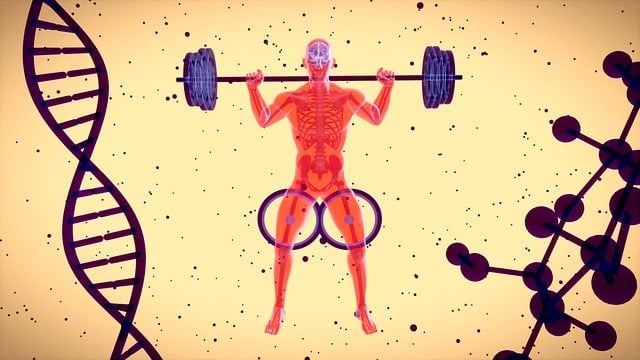
To translate the theoretical benefits of strength training for fat oxidation into tangible results, a structured and progressive approach is essential. The focus should be on compound movements that engage large muscle groups, performed with proper technique and appropriate intensity.
A practical weekly framework could involve two to three dedicated strength sessions. Each session should prioritize the five strategic moves—such as squats, deadlifts, presses, rows, and loaded carries—organised into a balanced full-body or upper/lower split routine. The key variables for enhancing metabolic adaptation are:
- Intensity: Use loads that are challenging for 6 to 12 repetitions per set. This range is supported by evidence for effectively stimulating muscle protein synthesis and increasing post-exercise energy expenditure.
- Volume: Aim for 2 to 4 sets per exercise. Progressive overload, the gradual increase of weight, reps, or sets over time, is a cornerstone principle for continued adaptation.
- Rest Intervals: Moderate rest periods of 60-90 seconds between sets can help maintain a heightened metabolic stimulus throughout the session.
It is critical to pair this training with adequate nutrition. Consuming sufficient protein (e.g., 1.6–2.2 g/kg of body weight daily, as per meta-analyses) supports muscle repair and growth, which in turn sustains a higher resting metabolic rate. While some evidence suggests that training in a fasted state may increase acute fat oxidation during the workout, the overall impact on long-term body composition is mixed and likely less significant than total daily energy balance and consistency.
Clinical Consideration: The emphasis must always be on mastery of form before increasing load. Improper technique, especially under fatigue, significantly increases injury risk. Individuals with pre-existing musculoskeletal conditions, cardiovascular concerns, or unmanaged hypertension should consult a physician or physical therapist before commencing a new strength regimen. Furthermore, those with a history of eating disorders should approach programming focused on metabolic output with caution and ideally under professional guidance.
Finally, view strength training as one component of a holistic strategy. Its primary role is to build and preserve metabolically active tissue. For optimal fat oxidation outcomes, it should be consistently integrated with other evidence-based practices, including regular daily activity, stress management, and quality sleep.
5. Safety Monitoring and When to Consult a Healthcare Provider
While the strategic strength training moves discussed in this article are generally safe for most healthy individuals, a proactive approach to safety monitoring is essential. This is not merely about preventing acute injury but about ensuring that your exercise regimen supports long-term metabolic health without unintended consequences.
Key Parameters for Self-Monitoring
Effective monitoring involves paying attention to both acute signals and chronic trends. Keep a simple log to track the following:
- Pain Quality: Distinguish between benign muscle soreness (delayed onset muscle soreness, or DOMS) and sharp, localized, or joint-specific pain that worsens with movement.
- Recovery Metrics: Note excessive fatigue, prolonged muscle soreness lasting beyond 72 hours, or disruptions in sleep quality, as these can indicate overtraining or inadequate recovery nutrition.
- Form Deterioration: The final repetitions of a set should be challenging but not at the expense of compromised technique, which significantly increases injury risk.
Clinical Insight: From a physiological standpoint, the goal of enhancing fat oxidation should not come at the cost of excessive systemic stress. Chronically elevated cortisol from overly intense or frequent training can paradoxically hinder metabolic flexibility and fat loss. Listening to your body's recovery cues is a critical, evidence-supported component of an effective long-term strategy.
When to Consult a Healthcare Provider
Certain signs, symptoms, and pre-existing conditions necessitate professional evaluation before beginning or continuing a new strength training program. It is strongly advised to consult a physician, physical therapist, or certified exercise physiologist if you:
- Have a known or suspected cardiovascular, pulmonary, metabolic (e.g., diabetes), renal, or musculoskeletal condition.
- Experience symptoms such as chest pain, dizziness, palpitations, or severe shortness of breath during or after exercise.
- Have a history of significant injury, particularly to the spine, knees, shoulders, or hips, relevant to the exercises prescribed.
- Are pregnant or postpartum.
- Are taking medications that affect heart rate, blood pressure, or blood glucose, as exercise can interact with these treatments.
Furthermore, if your primary goal is fat loss for health reasons, a healthcare provider can help integrate exercise with nutrition and medication plans. The evidence for exercise improving metabolic health is robust, but its implementation must be personalized, especially in the presence of comorbidities.
In summary, viewing safety monitoring as an integral part of your training protocol enhances both adherence and outcomes. When in doubt, seeking expert guidance is the most responsible step toward achieving sustainable health benefits.
6. Questions & Expert Insights
Can strength training really "enhance fat oxidation" more than cardio?
Yes, but the mechanisms and timing differ. Traditional steady-state cardio primarily burns fat during the exercise session itself. The "fat oxidation" benefit of strategic strength training is largely an after-effect, mediated by Excess Post-exercise Oxygen Consumption (EPOC) and increased muscle mass. High-intensity resistance training, especially using compound movements with short rest periods, creates a significant metabolic disturbance, elevating calorie and fat burn for hours post-workout. More critically, building lean muscle mass increases your basal metabolic rate (BMR), meaning you burn more calories—including from fat—at rest, 24/7. While cardio is excellent for cardiovascular health and immediate calorie expenditure, strength training provides a powerful, sustained metabolic advantage. The most effective approach for body composition and metabolic health combines both modalities.
What are the main risks or side effects, and who should be particularly cautious?
The primary risks are musculoskeletal injury from improper form, excessive load, or overtraining. Acute side effects can include severe delayed onset muscle soreness (DOMS), dizziness from improper breathing (Valsalva maneuver), or joint strain. Specific populations should exercise extreme caution or seek modified programming: individuals with uncontrolled hypertension (due to blood pressure spikes during heavy lifts), those with known osteopenia or osteoporosis (risk of vertebral compression fractures), people with active joint injuries or instability (e.g., rotator cuff tears, ACL deficiencies), and those with certain cardiovascular or retinal conditions. Anyone with a history of hernias or significant abdominal weakness should also proceed carefully with core-intensive moves.
When should I talk to a doctor before starting this type of training, and what should I discuss?
Consult a physician or sports medicine specialist if you have any pre-existing chronic condition (e.g., cardiovascular disease, diabetes, kidney disease), musculoskeletal issues (chronic back pain, arthritis, previous surgeries), or are pregnant/postpartum. You should also seek advice if you are new to exercise, significantly deconditioned, or have a history of disordered eating. For the conversation, come prepared with: 1) Your specific health history and current medications, 2) A clear description of the planned training protocol (exercise types, intensity, frequency), and 3) Your specific health or body composition goals. Ask for guidance on intensity monitoring (e.g., using heart rate or perceived exertion), any absolute contraindications for certain movements, and signs/symptoms that should prompt you to stop exercising and seek further care.
How long does it typically take to see measurable changes in body composition from this approach?
Measurable changes in body composition—specifically reductions in body fat percentage and increases in lean mass—require consistency and are not immediate. With a structured, progressive strength training program performed 2-4 times per week alongside appropriate nutrition, initial neuromuscular adaptations (improved strength and coordination) occur within 2-4 weeks. Visible or measurable changes in muscle definition and fat loss often become noticeable after 8-12 weeks. The rate of change depends heavily on training experience (novices may see changes faster initially), nutritional alignment, sleep, stress management, and genetic factors. It's crucial to use multiple metrics (progress photos, measurements, how clothes fit, strength gains) rather than relying solely on the scale, as increased muscle mass can offset fat loss weight.
7. In-site article recommendations
8. External article recommendations
9. External resources
The links below point to reputable medical and evidence-based resources that can be used for further reading. Always interpret them in the context of your own situation and your clinician’s advice.
-
healthline healthline.comstrength training – Healthline (search)
-
examine examine.comstrength training – Examine.com (search)
-
drugs drugs.comstrength training – Drugs.com (search)
These external resources are maintained by third-party organisations. Their content does not represent the editorial position of this site and is provided solely to support readers in accessing additional professional information.