
1. Introduction to the Lymphatic System and Yoga's Role

The lymphatic system is a critical component of the body's immune and circulatory functions. Unlike the cardiovascular system, which uses the heart's pumping action, the lymphatic system relies on the contraction of surrounding muscles and body movement to propel a fluid called lymph. This network of vessels, nodes, and organs is responsible for:
- Transporting immune cells (lymphocytes) to sites of infection.
- Filtering and removing cellular waste, toxins, and excess fluid from tissues.
- Returning proteins and interstitial fluid to the bloodstream.
When lymphatic flow becomes sluggish—due to inactivity, surgery, or certain medical conditions—it can contribute to tissue swelling (lymphedema), a feeling of heaviness, and potentially impaired immune function.
Yoga may offer a strategic, low-impact approach to supporting this system. The proposed mechanisms are primarily physiological:
- Muscle Contraction and Release: The gentle, rhythmic engagement of muscles in yoga poses acts as a pump, compressing lymphatic vessels and encouraging fluid movement.
- Diaphragmatic Breathing: Deep, conscious breathing (pranayama) creates pressure changes in the thoracic cavity, which can enhance the flow of lymph toward major drainage points near the collarbones.
- Gravity-Assisted Poses: Specific inversions and postures use gravity to facilitate drainage from the extremities and lower body.
Evidence & Clinical Perspective: While the anatomical rationale is sound, direct high-quality evidence from large, long-term clinical trials on yoga for lymphatic health is limited. Most supporting data come from smaller studies, pilot programs (e.g., for breast cancer-related lymphedema), and established physiological principles. The benefits are generally considered supportive rather than curative. It is crucial to distinguish between general wellness support and the management of diagnosed conditions like lymphedema, which requires specialized medical care.
Individuals should approach this practice with caution and consult a physician or a physical therapist specializing in lymphedema if they have:
- Diagnosed lymphedema, heart failure, or kidney disease.
- Active infection, fever, or uncontrolled hypertension.
- Recent surgery, especially involving lymph nodes.
- Pregnancy, particularly in the second or third trimester.
The following chapters will detail specific poses, emphasizing technique, sequencing, and safety to harness these potential benefits within a responsible, evidence-informed framework.
2. Evidence and Mechanisms Supporting Yoga for Lymphatic Flow
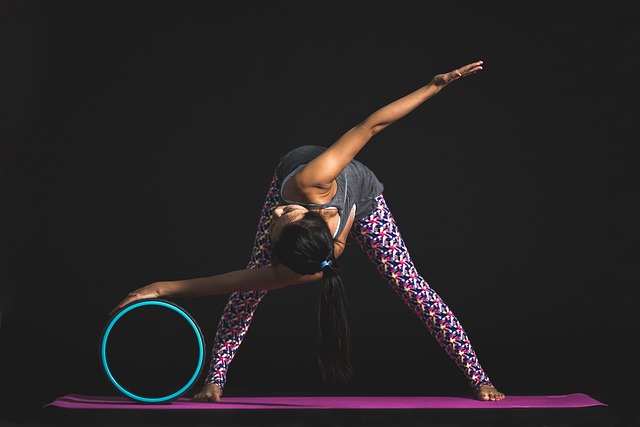
The proposition that yoga can enhance lymphatic flow is grounded in well-established physiological principles, though direct, high-quality clinical evidence is still emerging. The lymphatic system, unlike the cardiovascular system, lacks a central pump. It relies on the contraction of smooth muscle in vessel walls and, critically, on external mechanical forces from skeletal muscle movement and respiration to propel lymph.
Yoga is theorized to support this process through several interconnected mechanisms:
- Muscular Contraction and Release: Dynamic poses and sequences rhythmically contract and relax major muscle groups, mechanically compressing lymphatic vessels and creating a "milking" action that encourages fluid movement.
- Diaphragmatic Breathing (Pranayama): Deep, conscious breathing is a cornerstone of yoga practice. The downward movement of the diaphragm creates a pressure gradient in the thoracic cavity, which acts as a primary pump for lymph return from the lower body and abdomen into the central circulatory system.
- Gravity-Assisted Poses: Inversions and semi-inversions (like Legs-Up-the-Wall pose) use gravity to facilitate lymphatic drainage from the lower extremities and pelvic region, areas prone to fluid stagnation.
- Reduction of Sympathetic Tone: Chronic stress can impair circulatory function. Yoga's well-documented effect on downregulating the sympathetic nervous system ("fight-or-flight") may improve overall vascular and interstitial fluid dynamics.
Clinical Perspective: From a mechanistic standpoint, the logic is sound. However, it's important to distinguish between acute physiological effects—like increased lymph flow during and immediately after exercise—and proven long-term clinical outcomes, such as reduced incidence of lymphedema or enhanced immune function. Most evidence supporting yoga for lymphatic conditions, like post-cancer lymphedema, is preliminary, consisting of small pilot studies showing promise for reducing limb volume and improving quality of life.
Current evidence is strongest for yoga's role in managing secondary lymphedema, particularly following breast cancer treatment. Systematic reviews note that gentle yoga appears safe and may offer benefits for symptom management, but they consistently call for larger, more rigorous randomized controlled trials to confirm efficacy and optimal protocols.
Who should proceed with caution? Individuals with diagnosed lymphedema should consult their physician or a certified lymphedema therapist before starting any new exercise regimen. Those with uncontrolled hypertension, glaucoma, severe osteoporosis, or recent surgery should avoid inversions and seek modified poses. As with any physical intervention, practice should be guided by a qualified instructor and tailored to individual capacity.
3. Contraindications and At-Risk Populations

While yoga is generally safe for many, the specific poses recommended for lymphatic flow often involve inversions, deep twists, and abdominal pressure. These movements are not universally appropriate and require careful consideration of individual health status. The evidence supporting yoga for lymphatic health is promising but preliminary, primarily consisting of small-scale studies and clinical observations. Therefore, a precautionary approach is essential.
Certain populations should either avoid these poses entirely or practice them only under the direct guidance of a qualified yoga therapist or healthcare provider who understands their medical history.
- Individuals with Cardiovascular Conditions: Inversions (e.g., legs-up-the-wall, shoulder stand variations) increase venous return and central blood pressure. Those with uncontrolled hypertension, heart failure, glaucoma, or a history of stroke or aneurysms should avoid them.
- Those with Musculoskeletal Injuries or Instabilities: Recent or chronic injuries to the neck, shoulders, spine, hips, or knees can be aggravated. For example, deep twists may stress spinal discs, and poses requiring significant joint mobility may be unsafe for those with hypermobility syndromes.
- Pregnant Individuals: Pregnancy alters circulation and ligament stability. Deep twists and poses that compress the abdomen or involve lying prone are contraindicated. Inversions are generally not recommended, especially in the second and third trimesters, unless previously established in one's practice and approved by an obstetric provider.
- People with Specific Organ Conditions: Deep abdominal engagement and twists may be unsuitable for those with active inflammatory conditions (e.g., Crohn's disease flare), abdominal hernias, or shortly after abdominal surgery.
Clinical Perspective: From a safety standpoint, the principle of "first, do no harm" is paramount. A clinician evaluating a patient for yoga would prioritize stability over mobility. We assess not just the diagnosis but the individual's current functional status. For instance, someone with well-managed hypertension and good core strength may tolerate mild inversions, while another with osteoporosis and vertigo should not. The key is individualized modification, not blanket prescription.
It is also crucial to consider the context of "cleansing." While yoga can support the physiological processes of the lymphatic and circulatory systems, it does not "detox" the body in the way some alternative health narratives suggest. The liver and kidneys are the primary organs of metabolic clearance. Overemphasis on "cleansing" can inadvertently promote harmful behaviors or distract from evidence-based medical care for underlying conditions.
Practical Takeaway: If you have any diagnosed medical condition, are postpartum, are taking medications that affect balance or blood pressure, or are new to physical activity, consult your physician or a relevant specialist before beginning this or any new exercise regimen. A certified yoga instructor experienced in therapeutic applications can help tailor poses to your needs, using props and alternatives to achieve the intended lymphatic benefits safely.
4. Practical Application: Selected Yoga Poses and Techniques
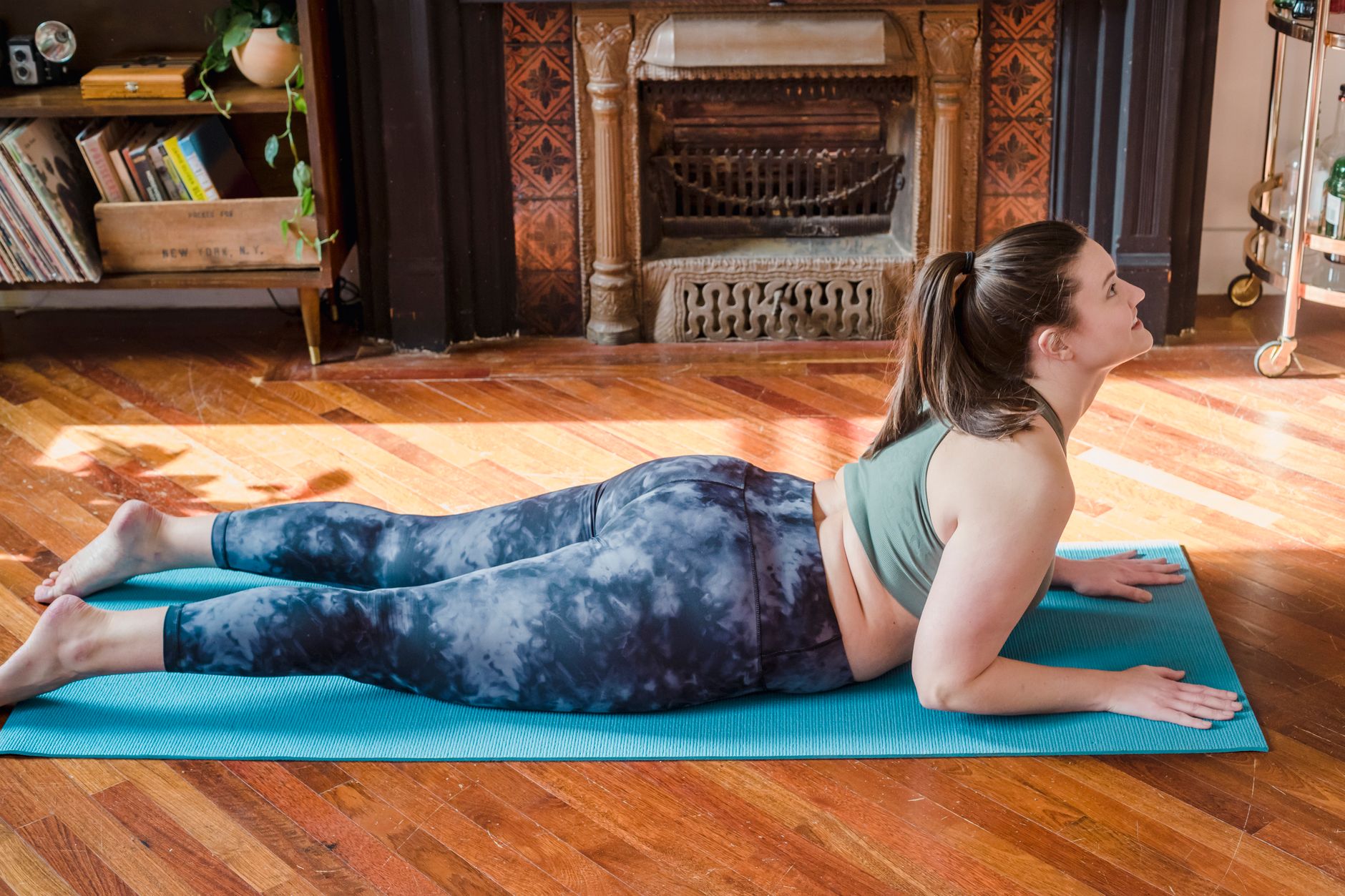
This chapter outlines a practical sequence of yoga poses selected for their potential to support lymphatic function. The proposed mechanism is that gentle muscle contraction, gravity-assisted positioning, and diaphragmatic breathing may collectively encourage the movement of lymph, a fluid containing metabolic waste and immune cells. It is important to note that while yoga is well-established for improving flexibility, stress reduction, and circulation, direct high-quality evidence for its specific impact on lymphatic flow in healthy individuals is more limited and often extrapolated from studies on lymphedema management.
Practice this sequence slowly, focusing on smooth, deep breaths. Move into and out of poses with control to avoid strain.
- Legs-Up-the-Wall Pose (Viparita Karani): Lie on your back with legs extended vertically up a wall. This inverted position uses gravity to potentially encourage venous and lymphatic return from the lower extremities. Remain for 5-10 minutes, breathing deeply into the abdomen.
- Supine Twist (Supta Matsyendrasana): Lying on your back, draw your knees to your chest, then lower them to one side while turning your head to the opposite side. This gentle wringing action may stimulate lymph nodes in the abdominal and pelvic regions. Hold for 1-2 minutes per side.
- Cat-Cow Stretch (Marjaryasana-Bitilasana): Moving between a rounded and an arched spine on hands and knees rhythmically compresses and releases the abdominal cavity. This may act as a pump for thoracic duct flow, the body's main lymphatic vessel.
- Supported Bridge Pose (Setu Bandhasana): Lying with knees bent, lift your hips and place a block or firm cushion under your sacrum. This mild inversion can facilitate drainage from the pelvic area and may improve diaphragmatic breathing.
- Seated Forward Fold (Paschimottanasana): Sitting with legs extended, hinge from the hips to fold forward. This pose creates gentle intra-abdominal pressure upon release, which may stimulate lymphatic channels in the torso.
Clinical Perspective: From a therapeutic standpoint, these poses are considered low-risk for most healthy individuals. However, the emphasis must be on gentle application. Forceful stretching or deep twists can be counterproductive. The primary benefits for lymphatic health likely stem from the combination of movement, mindful breathing which enhances diaphragmatic excursion, and parasympathetic nervous system activation, which may improve overall fluid dynamics.
Important Precautions: Individuals with uncontrolled hypertension, glaucoma, severe osteoporosis, recent surgery, or a diagnosed lymphatic system condition (like lymphedema) should consult a physician or a physical therapist specializing in lymphatic care before attempting inverted poses. Those with acute inflammation, infection, or hernias should avoid deep twists. Always listen to your body and avoid any pose that causes pain.
5. Safety Guidelines and When to Consult a Healthcare Provider

While yoga is generally considered a low-impact activity, its application for specific physiological goals, such as supporting lymphatic flow, requires a nuanced and safety-first approach. The evidence for yoga's benefits on lymphatic drainage is promising but primarily based on preliminary studies, clinical observation, and established physiological principles of movement and respiration. It should be viewed as a complementary supportive practice, not a substitute for medical treatment of lymphatic or other health conditions.
Essential Safety Precautions
Adhering to these guidelines can help mitigate risk and ensure a beneficial practice:
- Listen to Your Body (Proprioception): Avoid pushing into pain. The goal is gentle engagement and elongation, not strain. Sharp pain, dizziness, or shortness of breath are signals to stop and rest.
- Focus on Breath: The proposed lymphatic benefits are closely tied to diaphragmatic breathing. Avoid breath-holding; maintain smooth, even inhalations and exhalations.
- Use Props and Modifications: Utilize blocks, straps, bolsters, or a wall for support. A folded blanket under joints can increase comfort in poses like Cat-Cow or gentle twists.
- Prioritize Proper Form Over Depth: A correctly aligned, shallow pose is more effective and safer than a deep, compromised position that risks joint or soft tissue injury.
Who Should Exercise Caution or Consult a Provider First
Certain health conditions necessitate professional medical guidance before beginning or modifying a yoga practice aimed at lymphatic stimulation. It is strongly advised to consult with your physician or a relevant specialist (e.g., oncologist, cardiologist, physical therapist) if you have:
- Active or Unmanaged Medical Conditions: Such as uncontrolled hypertension, glaucoma, severe osteoporosis, or recent surgery (especially involving the abdomen, chest, or joints).
- Specific Lymphatic Concerns: Including a diagnosis of lymphedema (primary or secondary, e.g., post-cancer treatment), lymph node removal, or active infection. Inversions and intense twists may be contraindicated.
- Cardiovascular or Respiratory Issues: Like heart failure, deep vein thrombosis (DVT), or chronic obstructive pulmonary disease (COPD), where changes in intra-thoracic pressure from breathing techniques need monitoring.
- Pregnancy: Many poses and breathing techniques require significant modification. Always practice under the guidance of a prenatal yoga specialist with your obstetrician's approval.
- Acute Injury or Inflammation: Such as in a joint (e.g., acute knee or shoulder pain) or a herniated disc. Avoid poses that load or twist the affected area.
Clinical Perspective: From a healthcare standpoint, the most critical safety principle is individualization. A pose that enhances circulation for one person may create venous congestion or joint stress for another. A qualified yoga therapist or instructor with experience in therapeutic yoga can be an invaluable partner, working in tandem with your medical team to tailor a safe and appropriate sequence. Always disclose your full medical history to any instructor.
Integrating these strategic yoga poses can be a valuable component of a holistic wellness routine. However, its foundation must be built on informed caution and professional guidance, ensuring that the pursuit of "cleansing" supports—rather than compromises—your overall health.
6. Questions & Expert Insights
Can yoga poses truly "detox" or "cleanse" the body by moving lymph?
The term "detox" is often used loosely and can imply the removal of specific toxins, which is not strongly supported by evidence for yoga. However, the proposed mechanism for lymphatic support is more grounded. The lymphatic system, a key part of the immune system, relies on muscle contraction and movement to pump its fluid (lymph), as it lacks a central pump like the heart. Strategic yoga poses that involve gentle muscular engagement, inversion, and diaphragmatic breathing can theoretically stimulate this mechanical pumping action. This may support healthy lymphatic circulation and immune function. It's more accurate to view this as supporting the body's natural waste-removal and immune surveillance processes rather than a targeted "detox" of environmental or metabolic toxins.
Who should avoid or modify these lymphatic-focused yoga poses?
Certain individuals should proceed with extreme caution or avoid these practices altogether. Key contraindications include: Uncontrolled hypertension or glaucoma (due to potential pressure increases in inversions), recent surgery (especially involving lymph nodes, like mastectomy), active infection or illness (like a fever, where stimulating circulation may not be advised), lymphedema (requires a specialist-guided approach), and pregnancy (especially in the second and third trimesters, where certain poses and deep twists are contraindicated). Those with severe osteoporosis, neck or back injuries, or a history of eating disorders (where "cleansing" language can be triggering) should also consult a professional before starting.
How does the evidence for yoga's effect on the lymphatic system compare to other treatments like manual lymphatic drainage (MLD)?
The evidence base differs significantly in scope and application. Manual Lymphatic Drainage (MLD) is a specialized, therapist-applied massage technique with a strong clinical evidence base for managing conditions like lymphedema. Its protocols are precise and standardized. In contrast, research on yoga for lymphatic function is more preliminary, often consisting of smaller studies or those measuring secondary outcomes like immune markers or perceived well-being. While some studies show promising effects on immune parameters and quality of life, yoga is generally viewed in the medical community as a supportive, lifestyle-based practice for general wellness and circulation. It is not a substitute for prescribed MLD or decongestive therapy in a clinical treatment plan for diagnosed lymphatic disorders.
When should I talk to my doctor before starting a yoga practice for lymphatic health, and what should I discuss?
You should consult a physician or relevant specialist (e.g., a physiatrist, oncologist, or certified lymphedema therapist) if you have any chronic health conditions, are undergoing active medical treatment, or are pregnant. Prepare for the conversation by being specific. Bring a list of the poses you're considering (or the article itself) and clearly state your goals (e.g., "I want to support my circulation and immune function post-recovery"). Disclose your full medical history, including injuries, surgeries, hypertension, or eye conditions. Ask direct questions: "Are there specific poses I must avoid given my history of [condition]?" and "Are there any signs or symptoms I should watch for that would mean I should stop?" This ensures your practice is safely integrated into your overall care plan.
7. In-site article recommendations
8. External article recommendations
9. External resources
The links below point to reputable medical and evidence-based resources that can be used for further reading. Always interpret them in the context of your own situation and your clinician’s advice.
-
mayoclinic mayoclinic.orgyoga poses – Mayo Clinic (search)
-
drugs drugs.comyoga poses – Drugs.com (search)
-
healthline healthline.comyoga poses – Healthline (search)
These external resources are maintained by third-party organisations. Their content does not represent the editorial position of this site and is provided solely to support readers in accessing additional professional information.