
1. Introduction to the Mediterranean Diet and Superfood Enhancement
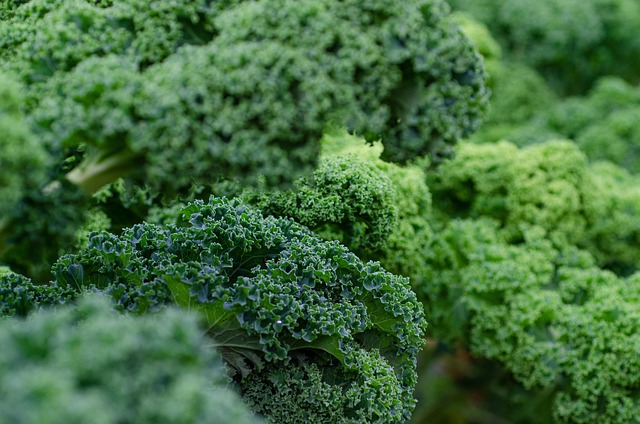
The Mediterranean diet is not a restrictive weight-loss plan but a holistic eating pattern inspired by the traditional dietary habits of countries bordering the Mediterranean Sea. Its benefits are among the most extensively studied in nutritional epidemiology. Strong, consistent evidence from large, long-term observational studies and landmark trials like PREDIMED links this pattern to significant reductions in the risk of cardiovascular disease, type 2 diabetes, and certain neurodegenerative conditions.
At its core, the diet emphasizes:
- Abundant plant foods: Fruits, vegetables, whole grains, legumes, nuts, and seeds.
- Healthy fats: Olive oil as the primary fat source.
- Moderate intake: Fish, poultry, dairy (especially yogurt and cheese), and eggs.
- Limited consumption: Red meat, processed foods, and added sugars.
- Cultural context: Meals are often social, mindful, and paired with moderate physical activity.
The term "superfood" is a popular, non-clinical label for foods exceptionally dense in beneficial nutrients like antioxidants, polyphenols, vitamins, minerals, or healthy fats. While no single food can guarantee health, strategically incorporating these nutrient-powerhouses can enhance the already robust nutritional profile of the Mediterranean framework.
Clinical Perspective: From an evidence-based standpoint, we view "superfoods" as functional food components that can augment a proven dietary pattern. The goal is synergy—combining foods with complementary bioactive compounds (e.g., the lycopene in tomatoes with the healthy fats in olive oil) to potentially amplify anti-inflammatory and antioxidant effects beyond what any single food provides. This is a practical application of the whole-diet approach.
It is important to note that while the Mediterranean diet has strong support, individual responses can vary. Those with specific medical conditions, such as kidney disease requiring potassium restriction, or individuals on blood-thinning medications (who may need to monitor vitamin K intake from leafy greens), should consult a physician or registered dietitian before making significant dietary changes. The following chapters provide recipe-based strategies for integrating specific, evidence-backed superfoods into this time-tested eating pattern.
2. Evidence-Based Mechanisms of Superfoods in the Mediterranean Diet

The term "superfood" is not a clinical classification, but it is commonly used to describe foods with a high density of beneficial nutrients and bioactive compounds. When integrated into the Mediterranean diet—a pattern rich in fruits, vegetables, whole grains, legumes, nuts, and olive oil—these foods can amplify its well-documented cardiometabolic and anti-inflammatory benefits through several evidence-based mechanisms.
Synergistic Bioactive Compounds
Superfoods like berries, dark leafy greens, and walnuts contribute powerful phytochemicals that work synergistically with the diet's core components. The primary mechanisms include:
- Enhanced Antioxidant and Anti-inflammatory Activity: Compounds like anthocyanins (in berries) and sulforaphane (in cruciferous vegetables) upregulate the body's endogenous antioxidant defenses (e.g., glutathione) and inhibit pro-inflammatory signaling pathways like NF-κB. This complements the anti-inflammatory effects of olive oil polyphenols and omega-3 fatty acids from fish.
- Gut Microbiota Modulation: The high fiber content of the Mediterranean diet is a prebiotic. Adding superfoods like flaxseeds or artichokes provides specific fibers and polyphenols that promote the growth of beneficial gut bacteria, leading to the production of short-chain fatty acids like butyrate, which supports gut barrier integrity and systemic metabolic health.
- Improved Endothelial Function: Foods such as dark chocolate (with high cocoa content) and pomegranate contain flavanols and punicalagins, which stimulate nitric oxide production. This improves vascular dilation, a effect that complements the monounsaturated fats from olive oil and nuts.
Clinical Perspective: While the biochemical mechanisms are robust in preclinical studies, human trial data for specific "superfoods" varies. The strongest evidence supports the overall dietary pattern rather than isolated foods. It is the cumulative, synergistic effect of diverse nutrients that likely confers the greatest benefit, reducing oxidative stress and chronic inflammation at a systemic level.
Evidence Strength and Considerations
The evidence for the cardiovascular benefits of the Mediterranean diet pattern itself is strong, supported by large, long-term randomized controlled trials like PREDIMED. The role of individual superfoods within this pattern is often supported by shorter-term or mechanistic studies. For instance, while the benefits of walnuts on lipid profiles are well-substantiated, claims for more exotic superfoods may rely on more preliminary data.
Who should exercise caution? Individuals on blood-thinning medications (e.g., warfarin) should consult a doctor before significantly increasing intake of vitamin K-rich leafy greens. Those with kidney disease may need to monitor potassium intake from foods like spinach and avocados. As always, dietary changes should be discussed with a physician or registered dietitian, particularly for those with chronic health conditions.
3. Risks, Contraindications, and Populations to Avoid

While the Mediterranean diet is one of the most extensively studied and recommended dietary patterns globally, its principles and specific "superfood" recipes are not universally appropriate. A clinically responsible approach requires identifying individuals for whom certain components may pose risks or require significant modification.
Specific Medical Conditions Requiring Caution
Several health conditions necessitate careful adaptation of common Mediterranean diet ingredients:
- Kidney Disease: Recipes high in potassium-rich foods like spinach, nuts, and tomatoes, or those using significant amounts of legumes, may need portion control for individuals with advanced chronic kidney disease (CKD) who require potassium or phosphorus restriction.
- Gastrointestinal Disorders: High-fiber ingredients such as cruciferous vegetables, legumes, and whole grains, while generally beneficial, can exacerbate symptoms in individuals with active inflammatory bowel disease (IBD), irritable bowel syndrome (IBS), or significant gastroparesis.
- Blood Thinners (e.g., Warfarin): Sudden, large increases in vitamin K-rich foods like kale, spinach, and broccoli can interfere with anticoagulation stability. Consistency is key; patients should not avoid these foods but should maintain a steady intake.
Populations with Specific Considerations
Certain life stages or circumstances warrant professional guidance before dietary overhaul.
- Pregnancy and Lactation: While the diet's foundations are healthy, precautions are needed. Pregnant individuals should avoid unpasteurized cheeses (used in some recipes), limit high-mercury fish, and ensure adequate intake of specific nutrients like folate and iron, which may require supplementation.
- History of Eating Disorders: The emphasis on "superfoods" and "clean eating" can inadvertently reinforce rigid, orthorexic patterns in susceptible individuals. Focus should be on overall dietary pattern flexibility rather than fixating on specific "magic" ingredients.
- Food Allergies and Intolerances: Common Mediterranean staples like tree nuts, sesame (tahini), shellfish, and wheat are frequent allergens. Recipes must be adapted accordingly.
Clinical Insight: The strongest evidence for the Mediterranean diet's benefits is in primary and secondary prevention of cardiovascular disease. Evidence for its role in managing advanced, specific organ failure (e.g., late-stage CKD, decompensated cirrhosis) is more limited and nuanced. In these complex clinical scenarios, a registered dietitian nutritionist (RDN) should tailor the diet to the patient's metabolic needs, fluid restrictions, and tolerance.
Finally, any significant dietary change, even to a pattern as beneficial as the Mediterranean diet, should be discussed with a physician or RDN by individuals with chronic medical conditions, those taking multiple medications, or those with significant nutritional concerns. This ensures the approach supports overall health without unintended consequences.
4. Practical Application and Evidence-Based Takeaways

Integrating superfoods into a Mediterranean dietary pattern is a practical strategy to amplify its well-documented health benefits. The core principle is not to view these foods as isolated "magic bullets" but as synergistic components that enhance the diet's existing nutrient density, antioxidant capacity, and anti-inflammatory profile.
Strong evidence supports the Mediterranean diet for cardiovascular risk reduction, cognitive health, and longevity. The addition of specific superfoods—such as walnuts for alpha-linolenic acid, berries for anthocyanins, or dark leafy greens for folate and lutein—directly targets and augments these mechanisms. For instance, adding a handful of walnuts to a Greek yogurt parfait leverages strong evidence for improved endothelial function and lipid profiles.
When applying these concepts, consider the following evidence-based takeaways:
- Focus on Synergy, Not Substitution: Use superfoods to complement, not replace, foundational Mediterranean elements like extra virgin olive oil, legumes, and whole grains.
- Prioritize Whole Food Forms: The evidence for health benefits is strongest for whole or minimally processed foods (e.g., whole berries, raw nuts) compared to isolated extracts or supplements.
- Mind the Energy Density: While nutrient-dense, foods like nuts, seeds, and avocados are calorically dense. Portion awareness is key for weight management goals.
It is important to note that while the individual bioactive compounds in many superfoods show promising mechanisms in preclinical studies, the evidence for their additive effect within an already-optimal diet like the Mediterranean pattern in human trials is often more preliminary. Large, long-term randomized controlled trials specifically on "Mediterranean diet plus superfood X" are limited.
Who should exercise caution? Individuals with specific food allergies (e.g., to tree nuts or seeds), those on blood-thinning medications (who should monitor vitamin K-rich leafy greens), or people with kidney disease (who may need to moderate high-potassium foods like spinach and avocados) should tailor these recipes accordingly. As with any significant dietary change, consultation with a physician or registered dietitian is recommended, particularly for those with chronic medical conditions.
5. Safety Considerations and When to Consult a Healthcare Professional
While the Mediterranean diet is one of the most extensively researched and recommended dietary patterns for general health, and the inclusion of specific "superfoods" can enhance its benefits, a personalized approach is essential. Certain ingredients, medical conditions, and individual circumstances necessitate caution and professional guidance.
Key Safety Considerations
Even nutrient-dense foods can pose risks in specific contexts. Consider the following points:
- Food Allergies and Intolerances: Common superfoods like nuts, seeds, and shellfish are potent allergens. Always verify ingredients and substitutions carefully.
- Medication Interactions: Foods high in vitamin K (e.g., kale, spinach) can interfere with blood thinners like warfarin. High-fiber ingredients and certain herbs may also affect the absorption of various medications.
- Gastrointestinal Sensitivity: A sudden, significant increase in fiber from legumes, whole grains, and cruciferous vegetables can cause bloating, gas, or discomfort. Introduce these foods gradually.
- Oxalate Content: Some leafy greens (e.g., spinach, Swiss chard) are high in oxalates. Individuals with a history of calcium-oxalate kidney stones should moderate intake and ensure adequate hydration.
Clinical Insight: From a clinical perspective, the term "superfood" is a marketing construct, not a medical one. The benefit comes from the overall dietary pattern and consistent habits, not from isolated "magic" ingredients. We prioritize assessing how new foods fit into a patient's existing diet, medication regimen, and health status to avoid unintended consequences.
When to Consult a Healthcare Professional
It is strongly advised to seek personalized advice from a physician or a registered dietitian before making significant dietary changes if you have:
- Diagnosed chronic conditions (e.g., diabetes, kidney disease, liver disease, heart failure, or autoimmune disorders).
- Existing digestive conditions like IBS, IBD, or gastroparesis.
- A history of disordered eating or are undergoing treatment for an eating disorder.
- Known food allergies or severe intolerances.
- Are pregnant, breastfeeding, or planning pregnancy.
- Are taking prescription medications, especially for blood thinning, diabetes, hypertension, or immune suppression.
Furthermore, if you experience any adverse symptoms—such as persistent digestive upset, allergic reactions, or unexpected changes in lab values—after altering your diet, discontinue the new foods and consult your healthcare provider. The evidence for the Mediterranean diet is robust, but its application must be tailored to be both safe and effective.
6. Questions & Expert Insights
Can adding these "superfoods" to my Mediterranean diet really make a significant difference to my health?
The Mediterranean diet itself is one of the most robustly studied dietary patterns, with strong evidence linking it to reduced risks of cardiovascular disease, cognitive decline, and certain cancers. The "superfoods" highlighted in recipes—like walnuts, extra virgin olive oil, and leafy greens—are nutrient-dense components already integral to this pattern. Their addition is less about a "magic bullet" effect and more about enhancing the diet's overall nutrient profile. For instance, adding walnuts provides alpha-linolenic acid (a plant-based omega-3) and polyphenols, which may offer incremental benefits for endothelial function and inflammation. The key takeaway is that these foods work synergistically within the whole dietary pattern. The greatest health impact comes from consistently following the core principles of the diet—abundant plants, healthy fats, and whole grains—rather than focusing on any single ingredient.
Are there any risks or people who should be cautious with these enhanced recipes?
Yes, certain individuals should exercise caution. Those on blood-thinning medications like warfarin need to be mindful of sudden large increases in vitamin K-rich leafy greens (e.g., kale, spinach), as this can interfere with medication efficacy. Recipes featuring nuts, seeds, and legumes, while generally healthy, may cause gastrointestinal discomfort in individuals with IBS or specific FODMAP sensitivities. For those with tree nut allergies, obviously, nut-based recipes must be avoided entirely. Furthermore, while extra virgin olive oil is a healthy fat, it is calorically dense; individuals managing weight need to account for these added calories within their daily energy needs. The principle of "enhancement" should not lead to excessive calorie intake or the displacement of other essential food groups.
When should I talk to my doctor or a dietitian about changing my diet this way, and what should I bring to the appointment?
Consult a healthcare provider before making significant dietary changes if you have a chronic condition (e.g., kidney disease, diabetes, heart failure), are pregnant or breastfeeding, take multiple medications, or have a history of disordered eating. For the appointment, come prepared with specific details: a copy of the recipes or a list of the "superfoods" you plan to incorporate, your current typical diet, and a clear list of all medications and supplements. This allows your doctor or dietitian to check for nutrient-drug interactions (like the vitamin K example), assess suitability for your specific health status, and help you integrate the changes safely. They can also provide guidance on appropriate portion sizes to align with your therapeutic goals.
How strong is the evidence that specific food combinations in recipes provide unique benefits?
The evidence for specific culinary synergies—like turmeric with black pepper—is more mechanistic and preliminary than the evidence for the overall dietary pattern. Laboratory studies show that piperine in black pepper can enhance the bioavailability of curcumin from turmeric. However, translating this to a measurable long-term health outcome in humans is complex and less definitively proven. Similarly, the concept of combining vitamin C-rich foods (like lemon) with plant-based iron (like in lentils) to enhance iron absorption is well-established in nutrition science. While these combinations are scientifically plausible and certainly not harmful, their incremental health benefit within an already-optimal diet like the Mediterranean is likely small. The primary goal should be dietary variety and consistency, not over-engineering individual meals.
7. In-site article recommendations
8. External article recommendations
9. External resources
The links below point to reputable medical and evidence-based resources that can be used for further reading. Always interpret them in the context of your own situation and your clinician’s advice.
-
healthline healthline.comsuperfood recipes – Healthline (search)
-
mayoclinic mayoclinic.orgsuperfood recipes – Mayo Clinic (search)
-
drugs drugs.comsuperfood recipes – Drugs.com (search)
These external resources are maintained by third-party organisations. Their content does not represent the editorial position of this site and is provided solely to support readers in accessing additional professional information.