
1. Introduction to Intermittent Fasting and Smoothie Integration
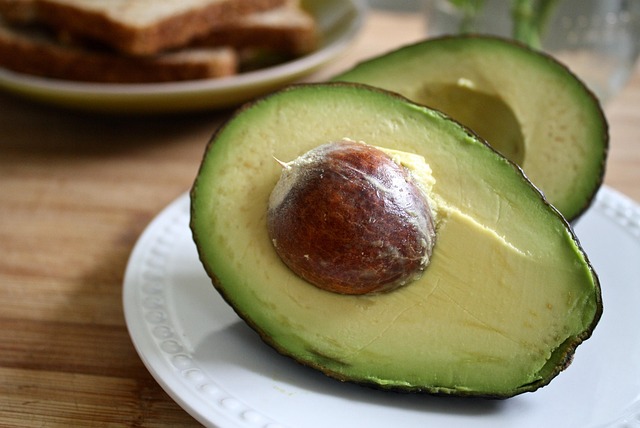
Intermittent fasting (IF) is a dietary pattern that cycles between periods of fasting and eating. It is not a diet that prescribes specific foods, but rather a schedule for when to consume them. The primary goal is to create a prolonged, daily window of time where calorie intake is minimal or absent, which may trigger beneficial metabolic adaptations.
Common IF protocols include the 16:8 method (fasting for 16 hours, eating within an 8-hour window) and the 5:2 approach (eating normally for five days and significantly restricting calories on two non-consecutive days). The proposed health benefits, supported by varying levels of evidence, may include improved insulin sensitivity, cellular repair processes (autophagy), and potential weight management.
Evidence Note: While numerous animal studies and some human trials show promising metabolic improvements, long-term, large-scale human data is still evolving. Benefits can be highly individual, and the quality of food consumed during eating windows remains critically important for overall health outcomes.
Integrating smoothies into an IF regimen requires strategic consideration. A well-formulated smoothie can be an efficient way to break a fast or to consume nutrient-dense calories within a restricted eating window. However, its composition determines whether it supports or disrupts the fasting state and subsequent metabolic goals.
- Breaking the Fast: A smoothie rich in protein, healthy fats, fiber, and phytonutrients can provide a gentle, nutrient-packed re-introduction to food, potentially helping to manage hunger and stabilize blood glucose levels.
- Within the Eating Window: Smoothies can serve as a balanced meal replacement or snack, helping to meet daily nutritional needs efficiently.
- Caveat: Smoothies high in refined sugars, sweeteners, or excessive fruit without balancing fiber and protein can cause rapid spikes in blood sugar and insulin, which may counteract some of the intended metabolic benefits of fasting.
Who Should Exercise Caution: Individuals with diabetes, hypoglycemia, a history of eating disorders, pregnant or breastfeeding women, those with underlying kidney or liver conditions, or anyone on medication should consult a physician or a registered dietitian before beginning any intermittent fasting protocol or significantly altering their dietary pattern. The suitability of liquid calories should be evaluated on an individual basis.
The following chapters provide specific smoothie recipes designed to align with the principles of intermittent fasting, focusing on whole-food ingredients that support satiety, nutrient density, and metabolic health.
2. Evidence on Nutrients and Metabolic Mechanisms
The strategic consumption of specific nutrients during an eating window can support the metabolic goals of intermittent fasting (IF). The primary aim is to provide nourishment without provoking a significant insulin spike or disrupting the cellular repair processes initiated during the fasted state.
Key nutrients of interest include:
- Dietary Fiber: Soluble fiber (e.g., from chia seeds, flaxseed, berries) slows gastric emptying and carbohydrate absorption, promoting stable blood glucose and insulin levels. This is strongly supported by evidence and is a cornerstone of metabolic health.
- High-Quality Protein: Adequate protein intake during the eating window is crucial for preserving lean muscle mass, especially during prolonged fasting periods. Evidence for its muscle-sparing effect is robust, though optimal timing within the window is less definitive.
- Healthy Fats: Monounsaturated and medium-chain triglycerides (MCTs, e.g., from avocado, coconut) provide satiety and are metabolized in a way that minimally affects insulin. Their role in supporting ketosis during fasting windows is suggested but requires more long-term human studies.
- Phytonutrients & Antioxidants: Compounds like polyphenols (from berries, leafy greens) may support the body's endogenous antioxidant defenses and reduce inflammation. While their general health benefits are well-documented, specific evidence linking them to enhanced IF outcomes is more preliminary.
The proposed mechanisms are multi-faceted. By prioritizing low-glycemic, fiber-rich ingredients, a smoothie can help maintain insulin sensitivity—a key factor in metabolic flexibility. Furthermore, nutrients like electrolytes (e.g., magnesium, potassium from spinach) can help mitigate potential side effects like fatigue or cramps as the body adapts to fasting.
Clinical Perspective: From a metabolic standpoint, the composition of a post-fast meal or smoothie is as important as the fast itself. The goal is a gentle re-feeding that supports, rather than shocks, the system. While the evidence for individual nutrients is strong, the synergistic effect of a "superfood smoothie" within an IF protocol is less studied. It is a practical application of sound nutritional principles rather than a uniquely potent intervention.
Cautions & Considerations: Individuals with diabetes, kidney impairment, or a history of disordered eating should consult a physician or registered dietitian before adopting any IF protocol or significantly altering their nutrient intake. Those on medication, particularly for blood sugar or blood pressure, require medical supervision as needs may change.
3. Risks and Contraindications for Specific Populations

While nutrient-dense smoothies can be a valuable tool during eating windows, the practice of intermittent fasting (IF) and the specific ingredients in smoothies are not universally safe. Certain populations face elevated risks and should exercise significant caution or avoid this approach entirely without direct medical supervision.
Absolute and Relative Contraindications
The following individuals should generally not engage in intermittent fasting or should only do so under strict medical guidance:
- Pregnant or Breastfeeding Individuals: Caloric and nutrient demands are significantly increased. Restrictive eating patterns can jeopardize fetal development and milk production.
- Individuals with a History of Eating Disorders: Structured fasting can trigger or exacerbate disordered eating patterns, including anorexia, bulimia, or binge-eating disorder.
- Those with Type 1 or Unstable Type 2 Diabetes: Fasting dramatically increases the risk of dangerous hypoglycemia (low blood sugar) or, upon breaking the fast, severe hyperglycemia. Medication adjustments are critical and must be managed by a physician.
- Individuals with Advanced Kidney or Liver Disease: High-protein or high-potassium smoothies can place undue stress on compromised organs. Fluctuations in electrolyte balance from fasting can be dangerous.
Populations Requiring Medical Consultation
For others, a discussion with a healthcare provider is strongly advised before starting IF and modifying smoothie recipes:
- Individuals on Prescription Medications: Many drugs, especially for blood pressure, diabetes, and mental health, require food for proper absorption or to mitigate side effects. Fasting can alter drug metabolism.
- Those with Gastrointestinal Disorders (e.g., IBS, IBD, GERD): High-fiber smoothies or acidic ingredients like citrus can aggravate symptoms. Fasting may also disrupt gut motility.
- Adolescents and the Elderly: Nutritional needs are specific and heightened in these life stages. Unplanned caloric restriction can impair growth, development, or contribute to sarcopenia and frailty.
- Individuals with Adrenal Fatigue or HPA-Axis Dysregulation: While the evidence for "adrenal fatigue" as a clinical diagnosis is debated, individuals under chronic stress may find fasting exacerbates fatigue, anxiety, and hormonal imbalance.
Clinical Perspective: From a safety standpoint, the ingredients are often secondary to the fasting protocol itself. A clinician's primary concern is whether a patient's physiology can tolerate the metabolic stress of fasting. We assess medication schedules, endocrine function, and mental health history first. Even a "superfood" smoothie cannot compensate for the risks imposed by an inappropriate fasting window for a vulnerable individual. Always prioritize individual health status over dietary trends.
In summary, the combination of intermittent fasting and specialized smoothies is an advanced nutritional strategy. Its benefits are not guaranteed and are outweighed by potential harms for specific groups. A pre-emptive consultation with a physician or registered dietitian is the most responsible step to ensure safety and appropriateness.
4. Practical Smoothie Recipes and Nutritional Takeaways
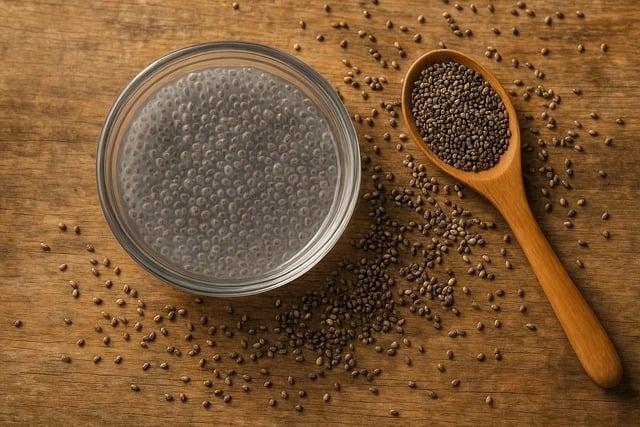
These recipes are designed to be consumed during your eating window to support satiety and nutrient density. They are not intended to break a fast if consumed during a fasting period. Each recipe yields one serving and should be blended until smooth.
1. The Metabolic Greens
- Ingredients: 1 cup unsweetened almond milk, 1 scoop unflavored pea protein powder, 1 large handful of spinach, ½ avocado, ½ cucumber, 1 tbsp chia seeds, ice.
- Takeaway: This combination provides a substantial dose of fiber and healthy fats from avocado and chia seeds, which can promote prolonged satiety—a key factor in adhering to an eating window. The protein supports muscle protein synthesis, which is important when daily calorie intake is condensed.
2. Berry Antioxidant Blend
- Ingredients: 1 cup water or green tea (cooled), ½ cup plain Greek yogurt, 1 cup mixed berries (frozen), 1 tbsp ground flaxseed, a pinch of cinnamon.
- Takeaway: Berries and flaxseed are rich in polyphenols and fiber. The probiotics in Greek yogurt may support gut health, though evidence on specific strains for fasting adaptation is preliminary. The low sugar content helps manage insulin response.
3. Tropical Ginger Digestive
- Ingredients: ¾ cup coconut water, ½ cup mango (frozen), ½ cup pineapple (frozen), 1-inch knob of fresh ginger, juice of ½ lime, a handful of kale.
- Takeaway: Ginger may help with nausea or digestive discomfort some experience when reintroducing food. Coconut water provides electrolytes like potassium. Be mindful that this recipe is higher in natural sugars; it may be best suited for post-workout replenishment within your eating window.
4. Cocoa-Avocado Sustainer
- Ingredients: 1 cup unsweetened oat milk, ½ avocado, 1 tbsp unsweetened cocoa powder, 1 scoop chocolate or vanilla plant-based protein powder, a dash of vanilla extract.
- Takeaway: The monounsaturated fats from avocado create a rich, satisfying texture and slow digestion. Cocoa flavanols have vasodilatory properties supported by evidence, though the amount here is modest. This smoothie can serve as a meal replacement for those with higher calorie needs.
5. Spiced Pumpkin Protein
- Ingredients: 1 cup unsweetened almond milk, ½ cup canned pumpkin puree, 1 scoop vanilla protein powder, 1 tbsp almond butter, ½ tsp pumpkin pie spice, ice.
- Takeaway: Pumpkin is a source of vitamin A and fiber. The combination of protein and fat from almond butter provides a steady energy release. This recipe is particularly suited for autumn/winter or when a warmer-spiced option is desired.
Clinical Considerations: While these recipes focus on whole foods, individuals with kidney disease should monitor potassium intake from ingredients like avocado, spinach, and coconut water. Those with diabetes should account for the carbohydrate content, especially in fruit-based recipes, within their overall meal plan. If you have a history of disordered eating, the practice of combining structured fasting with precise meal preparation may not be advisable. Always discuss significant dietary changes with a healthcare provider or registered dietitian.
The overarching nutritional principle is to prioritize protein, fiber, and healthy fats to enhance fullness and nutrient intake during a limited eating period. Evidence strongly supports the benefits of these nutrients for satiety and metabolic health, though claims about specific "superfood" synergies within intermittent fasting often rely on mechanistic rather than direct clinical data.
5. Safety Considerations and When to Consult a Physician
While incorporating nutrient-dense smoothies into an intermittent fasting (IF) regimen can be a practical strategy, it is not without potential risks. A clinically responsible approach requires understanding these risks and identifying individuals for whom this practice may be contraindicated or require medical supervision.
Key Populations for Caution
Certain individuals should exercise extreme caution or avoid IF and related dietary modifications without explicit guidance from a qualified healthcare provider. This includes:
- Individuals with a history of eating disorders: Structured fasting can trigger disordered eating patterns and is generally not recommended.
- Those with diabetes (Type 1 or Type 2) or hypoglycemia: Fasting windows and macronutrient composition in smoothies can significantly impact blood glucose and medication requirements, necessitating careful monitoring and potential dose adjustments.
- Pregnant or breastfeeding individuals: These life stages have increased and specific nutritional demands; caloric restriction or prolonged fasting is not advised.
- Individuals with kidney or liver disease: High-potassium ingredients (e.g., spinach, bananas) or certain protein additives in smoothies may pose risks for those with compromised organ function.
- People on specific medications: Those taking diuretics, blood pressure medications, insulin, or other drugs affected by food intake must consult their physician to avoid adverse interactions.
- Children, adolescents, and the elderly: These groups have unique nutritional needs, and restrictive eating patterns may lead to deficiencies or other health complications.
Clinical Perspective: From a medical standpoint, the primary concern is not the smoothie itself, but the fasting protocol it supports. The evidence for long-term benefits and safety of IF in diverse populations is still evolving. A clinician's role is to assess an individual's complete health profile—including metabolic health, medication list, and psychological history—to determine if IF is a suitable and safe intervention. The addition of smoothies, while potentially nutrient-rich, does not mitigate the fundamental risks of fasting for at-risk groups.
Recognizing When to Seek Guidance
It is prudent to consult a physician or a registered dietitian before beginning any IF protocol, especially if you have a pre-existing medical condition. Furthermore, discontinue the practice and seek medical advice if you experience:
- Persistent dizziness, extreme fatigue, or brain fog.
- Significant disruptions to your menstrual cycle.
- Signs of nutrient deficiency (e.g., hair loss, brittle nails).
- Unmanageable hunger, obsessive thoughts about food, or other behaviors suggestive of an unhealthy relationship with eating.
In summary, while "superfood" smoothies can enhance nutritional intake, they are an adjunct to a dietary pattern that carries inherent risks for specific populations. The strongest evidence for IF's safety and efficacy currently exists for generally healthy, overweight adults. Prioritizing a personalized, medically-informed approach is essential for ensuring this strategy supports, rather than compromises, your long-term health.
6. Questions & Expert Insights
Can a superfood smoothie break my fast?
Technically, yes. The primary goal of a fasted state is to maintain low insulin levels and promote cellular repair processes like autophagy. Consuming any beverage with calories, including a nutrient-dense smoothie, will elicit a metabolic response. While a low-calorie, low-sugar smoothie made primarily from greens, avocado, or nuts may have a minimal impact compared to a high-sugar fruit blend, it still introduces energy. For those practicing strict fasting for metabolic or therapeutic reasons, consuming only water, black coffee, or plain tea during the fasting window is advised. If your goal is simply to manage calorie intake or support nutrient absorption during your eating window, these smoothies are an excellent choice. The key is to align your smoothie consumption with your specific fasting objectives.
Are there risks or side effects to consuming these smoothies, especially during fasting?
Yes, certain individuals should exercise caution. High-fiber smoothies can cause significant gastrointestinal discomfort, including bloating and cramping, particularly if consumed quickly or if your system is not accustomed to such fiber loads. For those with a history of kidney stones, smoothies high in oxalates (like spinach and almonds) may pose a risk. The most significant concern is for individuals with a history of disordered eating. Using highly restrictive eating windows combined with a focus on "superfoods" can inadvertently reinforce unhealthy food rules and orthorexic tendencies. Furthermore, individuals on specific medications (e.g., blood thinners like warfarin, where vitamin K intake must be consistent) need to be mindful of drastic changes in leafy green consumption.
When should I talk to my doctor before starting intermittent fasting with these recipes?
Consult a healthcare provider before beginning IF if you have any underlying medical condition, are pregnant or breastfeeding, are underweight, or have a history of eating disorders. You should also seek advice if you are taking medications for diabetes, blood pressure, or other conditions that may be affected by changes in meal timing and content. For that conversation, bring a clear outline of your proposed fasting schedule (e.g., 16:8) and the typical ingredients in your smoothies. This allows your doctor to assess potential interactions, such as how a high-potassium smoothie might affect kidney function or blood pressure medication, and to provide personalized guidance on monitoring your health.
Is the "superfood" label in these recipes backed by strong science?
The term "superfood" is a marketing term, not a clinical one. While the individual ingredients in these recipes—such as berries, kale, flaxseed, and avocado—are undoubtedly nutrient-dense and associated with health benefits in epidemiological studies, the claims are often overstated. The science supporting their specific synergy within a smoothie to "enhance" fasting benefits is limited and largely extrapolated from studies on the ingredients consumed separately. The greatest benefit likely comes from the simple act of replacing a processed meal or snack with a whole-food-based smoothie during your eating window. View these recipes as a practical tool to increase intake of vitamins, minerals, fiber, and healthy fats, rather than as a proprietary "boost" to your fasting protocol.
7. In-site article recommendations
8. External article recommendations
9. External resources
The links below point to reputable medical and evidence-based resources that can be used for further reading. Always interpret them in the context of your own situation and your clinician’s advice.
-
drugs drugs.comsuperfood smoothies – Drugs.com (search)
-
mayoclinic mayoclinic.orgsuperfood smoothies – Mayo Clinic (search)
-
examine examine.comsuperfood smoothies – Examine.com (search)
These external resources are maintained by third-party organisations. Their content does not represent the editorial position of this site and is provided solely to support readers in accessing additional professional information.