
1. Introduction to GLP-1 Medications and Monitoring Needs
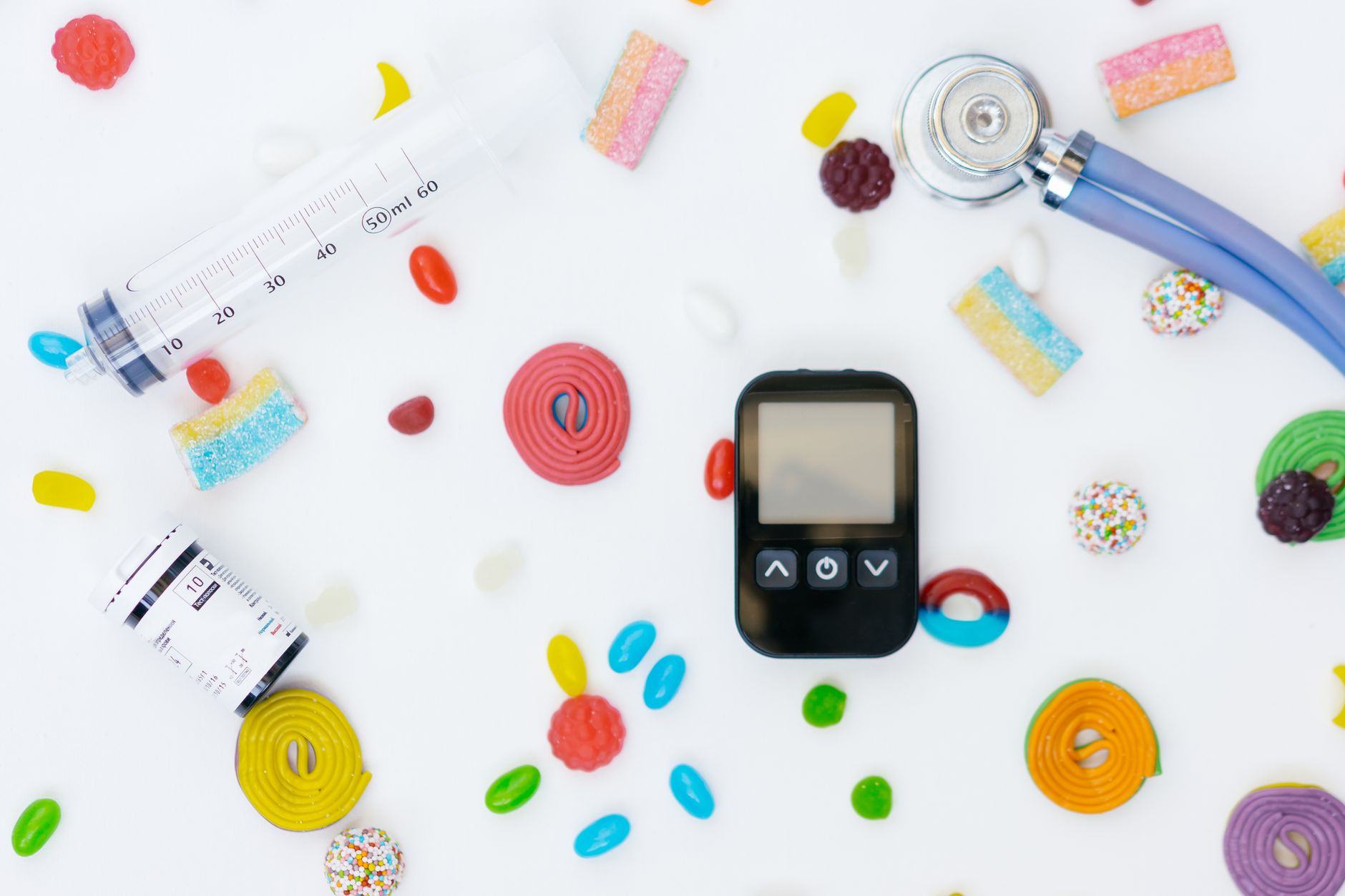
Glucagon-like peptide-1 (GLP-1) receptor agonists are a class of medications primarily used in the management of type 2 diabetes and, for some agents, chronic weight management. They work by mimicking the action of the natural GLP-1 hormone, which is released after eating. Their mechanisms of action are well-established and include:
- Enhancing glucose-dependent insulin secretion from the pancreas.
- Suppressing glucagon secretion, which reduces inappropriate glucose production by the liver.
- Slowing gastric emptying, which promotes a feeling of fullness (satiety).
- Acting on appetite centers in the brain to reduce food intake.
While the efficacy of these medications for glycemic control and weight reduction is strongly supported by numerous large-scale, randomized controlled trials, their use is not a "set-and-forget" therapy. Individual responses can vary significantly based on factors like genetics, concomitant conditions, lifestyle, and other medications. Therefore, ongoing monitoring is a critical component of safe and effective treatment.
The goal of therapy is to achieve clinical benefits while minimizing adverse effects. This requires a proactive partnership between the patient and their healthcare provider to identify subtle signs that the current regimen may need fine-tuning. Adjustments can involve changing the dose, switching to a different agent within the class, or addressing lifestyle factors that influence the medication's effects.
Clinical Perspective: Initiating a GLP-1 medication is the beginning of a therapeutic process, not the end. Optimal outcomes depend on regular assessment of both objective metrics (like HbA1c, weight, and renal function) and subjective patient-reported experiences (like tolerability and quality of life). A static dose that is not reviewed may become suboptimal or lead to unnecessary side effects over time.
It is particularly important for individuals with a history of pancreatitis, medullary thyroid carcinoma (or a family history thereof), multiple endocrine neoplasia syndrome type 2, or severe gastrointestinal disease to discuss these risks in detail with their physician before starting therapy. Furthermore, patients with diabetic retinopathy should be monitored closely, as rapid improvements in glycemic control have been associated with transient worsening of retinopathy.
The following chapters will detail specific warning signs that suggest a review of your GLP-1 medication may be warranted. Recognizing these signs empowers you to have a more informed conversation with your healthcare team.
2. Mechanisms and Evidence-Based Indicators for Adjustment
GLP-1 receptor agonists (GLP-1 RAs) work through multiple physiological pathways. Primarily, they enhance glucose-dependent insulin secretion from pancreatic beta cells and suppress glucagon secretion, lowering blood glucose. They also slow gastric emptying, which promotes satiety and reduces caloric intake, contributing to weight loss. Understanding these mechanisms is key to interpreting clinical signals that may indicate a need for dose adjustment or a change in therapy.
The decision to adjust medication should be guided by evidence-based indicators, balancing efficacy with tolerability and safety. Strong evidence supports monitoring the following parameters:
- Inadequate Glycemic or Weight Loss Response: After an appropriate titration period (typically 3-6 months at a therapeutic dose), a failure to achieve agreed-upon treatment goals—such as an HbA1c reduction or a modest percentage of body weight loss—is a clear indicator for clinical review.
- Persistent and Severe Gastrointestinal Intolerance: While transient nausea is common during initiation, persistent, debilitating nausea, vomiting, or diarrhea that impacts quality of life or leads to dehydration warrants evaluation. This may necessitate a slower titration schedule, a dose reduction, or a switch to a different agent within the class.
Other indicators are supported by clinical observation and pharmacovigilance data, though the evidence for specific adjustment protocols is more nuanced:
- Significant Early Satiety or Reduced Oral Intake: While intended, an extreme reduction in food intake leading to inadequate protein-calorie nutrition, fatigue, or micronutrient deficiencies is a concern, particularly in older adults.
- Concerning Trends in Pancreatic or Renal Labs: Although the absolute risk is low, marked elevations in serum lipase/amylase or a decline in estimated glomerular filtration rate (eGFR) in patients with pre-existing kidney disease should prompt a reassessment.
Clinical Insight: Adjustment is not always about increasing the dose. The most appropriate intervention may be to reduce the dose to improve tolerability, delay further titration, or discontinue the drug if risks outweigh benefits. A holistic review should always consider concomitant medications, hydration status, and underlying conditions like gastroparesis.
Patients with a history of pancreatitis, severe gastrointestinal disease, medullary thyroid carcinoma (personal or family history), or multiple endocrine neoplasia type 2 should use these medications with extreme caution under specialist supervision. Any decision to adjust a GLP-1 RA regimen should be made in consultation with the prescribing clinician, who can interpret these signs in the full context of the individual's health profile.
3. Risks, Contraindications, and High-Risk Populations
While GLP-1 receptor agonists are transformative for many, their use is not without risk. A thorough understanding of contraindications and high-risk populations is essential for safe and effective therapy. This knowledge helps patients and clinicians identify when a medication may be inappropriate or require heightened vigilance.
Absolute Contraindications and Key Warnings
Certain conditions are clear reasons to avoid this class of medication. The most critical is a personal or family history of medullary thyroid carcinoma (MTC) or in patients with Multiple Endocrine Neoplasia syndrome type 2 (MEN 2). This contraindication is based on animal studies showing tumor risk, though a causal link in humans remains unproven. Another absolute contraindication is a history of severe hypersensitivity reaction to the drug or any of its components.
A boxed warning exists for the risk of thyroid C-cell tumors. Patients should be advised to report symptoms like a neck mass, dysphagia, dyspnea, or persistent hoarseness.
Populations Requiring Cautious Use and Monitoring
For several groups, the benefits of GLP-1 therapy must be carefully weighed against potential risks, often requiring dose adjustment, slower titration, or avoidance.
- Pancreatic Disease: Use with caution in patients with a history of pancreatitis. Discontinue use permanently if pancreatitis is suspected and confirmed.
- Gastroparesis or Severe GI Disease: Given the common side effects of nausea, vomiting, and delayed gastric emptying, these drugs can exacerbate symptoms in patients with pre-existing severe gastrointestinal disorders.
- Renal Impairment: Patients with chronic kidney disease, especially moderate to severe impairment, may experience worsened renal function from dehydration due to GI side effects. Dose adjustment or avoidance may be necessary.
- History of Diabetic Retinopathy: Some trials have reported a higher risk of retinopathy complications, particularly with rapid improvement in glycemic control. Patients with pre-existing retinopathy require close monitoring by an ophthalmologist.
Clinical Insight: The decision to use a GLP-1 agonist is rarely based on a single factor. Clinicians perform a comprehensive risk-benefit analysis, considering the patient's full medical history, concomitant medications (e.g., insulin or sulfonylureas, which increase hypoglycemia risk), and social determinants like access to hydration and nutrition. A "high-risk" label doesn't always mean prohibition, but it mandates a more personalized and monitored treatment plan.
Individuals with a history of these conditions, or those experiencing severe or persistent adverse effects, should consult their prescribing physician. Abruptly stopping medication is not advised without medical guidance, as it can lead to loss of glycemic and weight control. An open dialogue about risks is a cornerstone of safe pharmacotherapy.
4. Practical Guidance on Recognizing Warning Signs
Effective management with GLP-1 receptor agonists (e.g., semaglutide, liraglutide, tirzepatide) requires ongoing partnership with your healthcare provider. Recognizing subtle changes in your body's response is crucial for optimizing therapy and safety. This guidance outlines a structured approach to identifying potential warning signs that warrant a clinical review.
First, systematically track your symptoms and metrics. Maintain a simple log for at least one week, noting the following daily:
- Gastrointestinal Tolerance: Frequency and severity of nausea, vomiting, diarrhea, or constipation. Note if symptoms are worsening, persistent beyond the initial titration period, or severe enough to interfere with daily activities or hydration.
- Appetite and Dietary Intake: Document your perceived hunger levels and actual food consumption. While reduced appetite is an intended effect, a complete loss of interest in food or an inability to meet basic nutritional needs is a concern.
- Weight Trajectory: Weekly weight checks. A plateau is common, but rapid, unintended weight loss (e.g., more than 1-2 lbs per week after the first few months) or sudden weight gain should be noted.
- Energy and Well-being: Marked fatigue, lightheadedness, or feelings of low blood sugar (even if unconfirmed by a meter).
Second, correlate these observations with objective data if available, such as blood glucose readings for patients with diabetes or regular blood pressure measurements.
Clinical Insight: In practice, we distinguish between expected side effects and signals for adjustment. Persistent GI distress may indicate the dose is too high or the titration was too rapid. Profound appetite suppression leading to very low calorie intake (<1200 kcal/day routinely) risks nutrient deficiencies and excessive muscle loss. Furthermore, significant fatigue can sometimes be a sign of inadequate caloric or electrolyte intake, rather than a direct drug effect. Bringing a detailed log to your appointment transforms a subjective complaint into actionable clinical data.
It is particularly important for certain individuals to be proactive and consult their physician promptly. This includes patients with a history of pancreatitis, severe gastrointestinal disease, diabetic retinopathy, kidney impairment, or those taking multiple other medications. Pregnant or breastfeeding individuals should not initiate or adjust these medications without specialist consultation.
Present your documented observations to your prescribing clinician. They can determine if an adjustment is needed—such as slowing the dose titration, maintaining the current dose longer, addressing side effects with supportive care, or, in rare cases, discontinuing the medication. This collaborative, evidence-aware approach ensures your treatment remains both effective and tolerable.
5. Safety Protocols and Indications for Medical Consultation
GLP-1 receptor agonists are powerful medications that require a proactive and collaborative approach to safety. While they are generally well-tolerated, their potent effects on metabolism and gastrointestinal function necessitate clear protocols for monitoring and knowing when to consult your healthcare provider. This chapter outlines key safety principles and specific indications for seeking medical advice.
Core Safety Protocols for GLP-1 Therapy
Adhering to established safety protocols is fundamental to maximizing benefit and minimizing risk. These include:
- Regular Monitoring: Scheduled follow-ups with your prescribing clinician are non-negotiable. These visits allow for assessment of efficacy, side effects, and necessary dose titration.
- Hydration and Nutritional Awareness: Proactively managing common side effects like nausea is crucial. Sipping water throughout the day and eating smaller, bland meals can help. Unintended, rapid weight loss requires evaluation to ensure adequate nutrition.
- Medication Reconciliation: Always inform all your healthcare providers that you are on a GLP-1 medication. This is critical for preventing interactions, especially with other diabetes medications like insulin or sulfonylureas, where co-administration significantly increases hypoglycemia risk.
Clear Indications for Medical Consultation
You should contact your healthcare provider promptly if you experience any of the following:
- Persistent or Severe GI Distress: Nausea, vomiting, or diarrhea that does not improve with standard management, leads to dehydration (symptoms include dizziness, dark urine, extreme thirst), or prevents you from eating or drinking.
- Symptoms Suggestive of Pancreatitis: Severe, persistent abdominal pain that may radiate to your back, often accompanied by nausea and vomiting.
- Signs of Gallbladder Issues: Pain in the upper right abdomen, fever, or yellowing of the skin or eyes (jaundice).
- Hypoglycemia: Shakiness, sweating, confusion, dizziness, or palpitations, particularly if you are on concomitant glucose-lowering therapy.
- Allergic Reaction: Rash, itching, swelling (especially of the face, tongue, or throat), severe dizziness, or difficulty breathing.
Clinical Perspective: The decision to adjust, pause, or discontinue a GLP-1 agonist is a clinical one. Patients should never self-adjust their dose based on side effects alone. For individuals with a history of medullary thyroid carcinoma, MEN syndrome, or pancreatitis, the risk-benefit discussion is paramount and requires specialist consultation before initiation. Furthermore, those with severe gastrointestinal disease or a history of diabetic gastroparesis should be managed with heightened caution due to the drugs' pronounced effects on gastric emptying.
Ultimately, successful GLP-1 therapy is built on open communication. Documenting your experiences and reporting them to your care team ensures your treatment plan remains both effective and safe.
6. Questions & Expert Insights
What are the most serious side effects that mean I should stop my GLP-1 medication immediately and seek medical help?
While most side effects are manageable, certain symptoms require immediate medical evaluation. The most serious potential risks are severe allergic reactions (hives, difficulty breathing, swelling of the face or throat) and symptoms of pancreatitis, which include severe, persistent abdominal pain that may radiate to your back, with or without vomiting. Another critical concern is symptoms of diabetic retinopathy complications, such as sudden vision changes. Although rare, there is an FDA boxed warning for a potential risk of thyroid C-cell tumors, including medullary thyroid carcinoma (MTC); report any lumps in the neck, hoarseness, or difficulty swallowing to your doctor. Persistent, severe nausea and vomiting can lead to dehydration and kidney injury. Do not dismiss these as "normal" side effects. If you experience any of these severe symptoms, discontinue the medication and contact your healthcare provider or seek emergency care promptly.
How do I know if my lack of weight loss or plateau means the dose needs adjustment, or if the medication just isn't working for me?
Weight loss plateaus are common and don't necessarily indicate treatment failure. Physiological adaptation, where the body's metabolism adjusts to lower calorie intake, is a typical response. Before concluding the medication is ineffective, a clinician will assess several factors: adherence to the prescribed dosing schedule, concomitant lifestyle habits (diet quality, physical activity, sleep), and whether you've reached the maximum tolerated or approved dose. True "non-response" is generally defined as less than 5% weight loss after 12-16 weeks on the highest tolerated therapeutic dose. Dose adjustment is a standard part of the treatment protocol, but it must be done under medical supervision to manage side effects. A plateau may also signal the need to revisit behavioral strategies rather than just pharmacological ones.
What specific information should I prepare and bring to my doctor when discussing a potential GLP-1 medication adjustment?
To make the consultation efficient and productive, come prepared with specific data and observations. Document your current dose and exact administration schedule. Maintain a simple log for 1-2 weeks prior, noting: daily fasting blood glucose readings (if applicable for diabetes), a brief food diary focusing on appetite and portion control, any side effects (type, severity, timing), and your weight trends. Be ready to discuss your physical activity level, sleep patterns, and stress. Most importantly, articulate your specific concerns and goals—is it side effect management, breaking a weight plateau, or cost/access issues? This objective data moves the conversation beyond "it's not working" to a nuanced discussion your doctor can act upon, such as titrating the dose, managing timing, or addressing lifestyle synergies.
Who should be particularly cautious or potentially avoid GLP-1 receptor agonists, even if they seem like a good fit for weight loss?
These medications are contraindicated for specific populations and require extreme caution in others. Absolute contraindications include a personal or family history of medullary thyroid carcinoma (MTC) or in patients with Multiple Endocrine Neoplasia syndrome type 2 (MEN 2), due to the potential tumor risk. They are also not recommended for use during pregnancy. Extreme caution is required for individuals with a history of pancreatitis, severe gastroparesis, or severe gastrointestinal disease. Patients with pre-existing diabetic retinopathy should have a stable eye exam before initiation, as rapid improvement in blood glucose can sometimes temporarily worsen retinopathy. Those with a history of suicidal ideation or eating disorders require careful monitoring, as significant weight loss can impact mental health. Finally, patients with advanced kidney disease may need dose adjustments or avoidance, depending on the specific agent and their renal function.
7. In-site article recommendations
8. External article recommendations
9. External resources
The links below point to reputable medical and evidence-based resources that can be used for further reading. Always interpret them in the context of your own situation and your clinician’s advice.
-
healthline healthline.comGLP-1 medications – Healthline (search)
-
wikipedia wikipedia.orgGLP-1 medications – Wikipedia (search)
-
mayoclinic mayoclinic.orgGLP-1 medications – Mayo Clinic (search)
These external resources are maintained by third-party organisations. Their content does not represent the editorial position of this site and is provided solely to support readers in accessing additional professional information.