
1. Introduction to Workout-Related Fat Loss Impediments
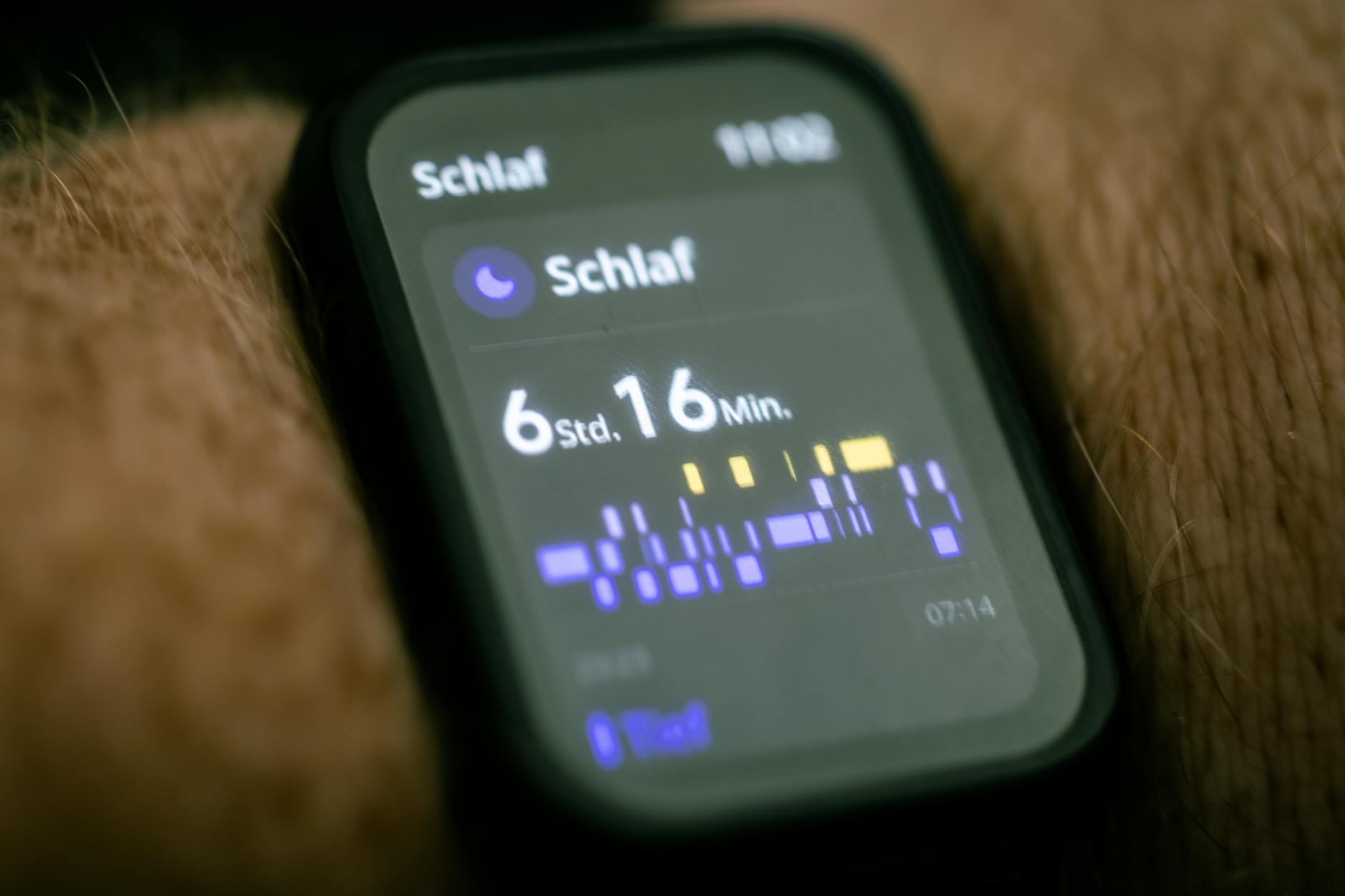
In the pursuit of fat loss, exercise is a cornerstone of a healthy strategy, supported by extensive evidence for its role in improving metabolic health, insulin sensitivity, and energy expenditure. However, a common and often overlooked phenomenon is that the very workout routine designed to create a caloric deficit can, through specific physiological and behavioral pathways, inadvertently hinder progress. This chapter introduces the concept of workout-related fat loss impediments—counterproductive adaptations that can stall results despite consistent effort.
The body is a dynamic system that responds to exercise as a stressor, initiating complex hormonal, metabolic, and behavioral feedback loops. While moderate, well-structured exercise is beneficial, certain patterns can trigger adaptations that oppose fat loss. Key mechanisms supported by clinical research include:
- Compensatory Behaviors: Evidence strongly suggests that increased exercise can lead to non-conscious increases in sedentary time or food intake, offsetting the energy deficit created by the workout.
- Hormonal Modulation: Chronic, excessive exercise without adequate recovery can elevate stress hormones like cortisol, which is associated with increased abdominal fat storage in susceptible individuals. The evidence here is more nuanced, as cortisol's role is complex and individual responses vary significantly.
- Metabolic Adaptation: Sustained high-volume exercise can downregulate non-exercise activity thermogenesis (NEAT), the energy used for daily movement. This is a well-documented, though often underestimated, compensatory mechanism.
It is crucial to distinguish between strongly supported concepts, like behavioral compensation, and areas with more mixed or preliminary data, such as the direct causal link between exercise-induced cortisol and fat gain in otherwise healthy individuals. The interplay of these factors creates a scenario where "working harder" does not linearly translate to "losing more fat," and can sometimes be counterproductive.
Clinical Perspective: From a medical standpoint, identifying these impediments is not about discouraging exercise but about optimizing its application. The goal is to move from a mindset of sheer volume to one of strategic balance. Individuals with a history of metabolic disorders, thyroid dysfunction, or those experiencing symptoms of overtraining (e.g., prolonged fatigue, sleep disturbance, performance decline) should be particularly cautious and may benefit from consulting a physician or sports medicine specialist to evaluate their regimen holistically.
Understanding these principles sets the stage for recognizing the specific warning signs that your routine may need adjustment. The following chapters will detail these signs, grounding each in physiological rationale and offering evidence-informed strategies for course correction.
2. Mechanisms and Evidence Behind Ineffective Fat Loss

When a consistent workout routine fails to yield expected fat loss, it is often due to physiological and behavioral adaptations that undermine energy balance. Understanding these mechanisms, supported by varying levels of evidence, is crucial for adjusting your approach.
Key Physiological Adaptations
The body is a dynamic system that seeks homeostasis. Two primary, well-documented mechanisms can stall progress:
- Metabolic Adaptation: Sustained calorie restriction combined with exercise can lead to a decrease in resting metabolic rate (RMR). This is a conserved biological response to conserve energy. High-quality studies, including metabolic ward research, confirm this phenomenon, which can partially offset the calorie deficit created by your routine.
- Compensatory Behaviors: Exercise can unconsciously influence non-exercise activity thermogenesis (NEAT)—the calories burned through daily movement. Evidence suggests some individuals subconsciously become more sedentary outside of workouts, reducing total daily energy expenditure. Furthermore, appetite hormones like ghrelin may increase, leading to greater caloric intake, though this response is highly individual.
The Role of Exercise Selection and Progression
The type and structure of your workouts also play a critical role. The evidence here is strong but often misapplied.
- Excessive Steady-State Cardio: While excellent for cardiovascular health, prolonged, moderate-intensity cardio can, over time, promote metabolic efficiency. The body becomes adept at using fewer calories for the same work. Furthermore, this modality alone may not adequately preserve lean muscle mass, which is vital for maintaining a higher metabolic rate.
- Lack of Progressive Overload: For resistance training to be effective for body composition, the stimulus must increase. Without progressively challenging the muscles (through load, volume, or intensity), the anabolic signaling diminishes. This is a fundamental principle strongly supported by exercise physiology research.
Clinical Perspective: It's important to distinguish between short-term plateaus, which are normal, and chronic stagnation caused by the mechanisms above. Individuals with a history of metabolic disorders, thyroid dysfunction, or those on certain medications (e.g., beta-blockers, some antidepressants) may experience altered metabolic and appetite responses to exercise. They should discuss their workout and nutrition plan with a physician or registered dietitian. Similarly, those with a history of restrictive eating or exercise compulsion should seek guidance to avoid harmful cycles.
In summary, ineffective fat loss is rarely about a lack of effort. It is typically a signal to reassess the interplay between workout-induced stress, metabolic compensation, and nutritional strategy. The evidence for these adaptive mechanisms is robust, though the degree to which they impact any individual can vary based on genetics, lifestyle, and health status.
3. Risk Factors and Contraindications for Specific Populations
A one-size-fits-all approach to exercise can be ineffective and, for some individuals, potentially harmful. Recognizing personal risk factors and contraindications is crucial for designing a workout routine that supports fat loss without compromising health. The principle of "first, do no harm" applies as much to fitness as it does to medicine.
Populations Requiring Medical Clearance
Certain individuals should consult a physician or relevant specialist before initiating or significantly altering an exercise program. This is not merely a precaution; it is a clinical necessity.
- Cardiovascular Conditions: Individuals with known or suspected heart disease, hypertension, or a history of stroke require tailored exercise prescriptions. High-intensity interval training (HIIT) or heavy resistance training may be contraindicated without proper evaluation and guidance.
- Metabolic Disorders: For those with type 1 or type 2 diabetes, unmonitored exercise can lead to dangerous hypoglycemia or hyperglycemia. Medication and nutrition timing must be coordinated with activity.
- Musculoskeletal Injuries: Current or recent injuries (e.g., tendonitis, ligament tears, arthritis) necessitate modified exercises to avoid exacerbation. "Working through the pain" can sabotage recovery and long-term fat loss by causing extended inactivity.
- Pregnancy and Postpartum: Exercise recommendations change dramatically during and after pregnancy. High-impact activities, exercises in the supine position after the first trimester, and excessive intra-abdominal pressure should be avoided without specific guidance from an obstetric provider.
Special Considerations for Fat Loss Contexts
Beyond direct medical conditions, specific physiological and psychological states can make standard fat-loss workout strategies risky.
- History of Eating Disorders: Rigorous calorie-burning workouts can trigger disordered exercise patterns and relapse. A focus on health and function, rather than punitive calorie expenditure, is essential under the supervision of a mental health professional.
- Chronic Kidney Disease (CKD): High-protein diets often paired with intense training can place excess strain on compromised kidneys. Electrolyte imbalances from sweating also pose a significant risk.
- Older Adults (Sarcopenia Risk): While resistance training is vital, excessive cardio without adequate strength work and protein intake can accelerate muscle loss, lowering metabolic rate and counteracting fat loss goals.
- Polypharmacy: Individuals on multiple medications (e.g., for blood pressure, mental health, or cholesterol) must be aware of how exercise interacts with their pharmacotherapy, such as risks of dehydration or orthostatic hypotension.
Clinical Insight: The most effective fat-loss workout is one you can sustain safely. A contraindication doesn't mean "no exercise"; it means "different exercise." For instance, someone with knee osteoarthritis may need to replace running with cycling, swimming, or resistance training. The key is to identify barriers with a healthcare provider and adapt the plan accordingly, ensuring the routine supports metabolic health without introducing new health problems.
In summary, an exercise routine sabotages fat loss if it ignores individual health contexts. The evidence strongly supports personalized programming. Before dramatically increasing workout intensity or volume, individuals with the conditions mentioned above should seek professional medical advice to ensure their strategy is both effective and safe.
4. Evidence-Based Adjustments for Optimal Fat Loss
If your current regimen is not yielding expected fat loss, evidence-based adjustments to your training variables can be highly effective. The key is to move beyond simply "working out more" and instead focus on strategic modifications that enhance metabolic efficiency and hormonal response.
Prioritize Progressive Overload in Resistance Training
Strong evidence supports resistance training as a cornerstone for sustainable fat loss, primarily by increasing lean muscle mass, which elevates basal metabolic rate. The critical adjustment is ensuring progressive overload—systematically increasing the challenge to your muscles over time. This can be achieved by:
- Gradually increasing weight lifted.
- Performing more repetitions with the same weight.
- Increasing training volume (total sets x reps x weight).
- Reducing rest intervals between sets.
Without this progression, the body adapts and the metabolic stimulus for fat loss plateaus.
Re-evaluate Cardio Modality and Timing
The role of cardiovascular exercise is well-established, but its application is often suboptimal. High-Intensity Interval Training (HIIT) has strong evidence for improving post-exercise oxygen consumption (EPOC), leading to greater calorie burn after the workout ends compared to steady-state cardio. However, evidence is mixed on its long-term superiority for fat loss when total calorie expenditure is matched.
A balanced approach is often most effective:
- Strategic HIIT: 1-2 sessions per week of short, intense intervals (e.g., 30-second sprints followed by 60-90 seconds of active recovery).
- Moderate-Intensity Steady-State (MISS): For foundational cardiovascular health and additional calorie expenditure, without excessive systemic fatigue.
- Consider Timing: Preliminary data suggests fasted morning cardio may offer a slight advantage in fat oxidation for some individuals, but the overall impact on total fat loss is likely minor. The primary driver remains total energy balance.
Clinical Insight: A common error is drastically increasing cardio volume while under-eating, which can elevate cortisol and promote muscle catabolism. This counterproductive state often leads to metabolic adaptation, fatigue, and stalled results. The adjustment should be qualitative (intensity, type) rather than solely quantitative (more hours). Individuals with cardiovascular conditions, joint issues, or a history of overtraining should consult a physician before initiating high-intensity protocols.
Integrate Non-Exercise Activity Thermogenesis (NEAT)
Often overlooked, NEAT—the calories burned through daily movement outside of formal exercise—is a powerful lever. Strong observational data links higher NEAT with successful weight maintenance. Practical adjustments include:
- Using a standing desk or taking walking meetings.
- Parking farther away, taking stairs.
- Incorporating short movement breaks every hour.
Increasing NEAT can significantly increase daily energy expenditure without adding perceived exercise burden.
Before implementing these adjustments, individuals with pre-existing musculoskeletal, metabolic (e.g., diabetes, thyroid disorders), or cardiovascular conditions should seek guidance from a healthcare provider or certified exercise physiologist to ensure safety and appropriateness.
5. Safety Protocols and Indications for Medical Consultation
Recognizing that your workout routine may be counterproductive is the first step toward correction. However, the process of adjusting your regimen must be approached with the same diligence and safety awareness as the training itself. Implementing evidence-based safety protocols is non-negotiable for sustainable progress and overall health.
A foundational safety principle is the concept of progressive overload. The evidence strongly supports that gradual increases in training volume, intensity, or frequency are required for continued adaptation. Conversely, sudden, drastic spikes in workload—often a reaction to stalled fat loss—are a primary driver of overtraining, injury, and systemic stress that can halt progress. A safe adjustment typically means changing only one variable at a time (e.g., adding 5-10% more weight, or 1-2 extra sets per week) and monitoring your body's response.
Clinical Insight: From a physiological standpoint, excessive exercise without adequate recovery elevates cortisol and other stress hormones chronically. This state can promote visceral fat storage, increase appetite, and disrupt sleep—creating a metabolic environment directly opposed to fat loss. The goal is to apply the minimum effective dose of exercise for the desired outcome.
Equally critical is integrating structured recovery. This is not passive rest alone, but an active protocol including:
- Prioritizing Sleep: Consistently obtaining 7-9 hours of quality sleep is strongly supported by evidence as crucial for hormonal regulation (leptin, ghrelin), muscle repair, and metabolic health.
- Managing Life Stress: While harder to quantify, the impact of chronic psychological stress on weight management is well-documented. Integrating mindfulness or stress-reduction techniques can support physiological recovery.
- Nutritional Support for Training: Ensuring adequate protein and overall caloric intake to fuel activity is essential. Severe, sustained energy deficits impair recovery, reduce performance, and can lead to loss of lean mass.
Key Indications for Medical Consultation
Certain signs and scenarios necessitate pausing self-directed adjustments and seeking professional medical advice. Consultation with a physician or a registered dietitian/sports medicine specialist is strongly advised if you experience:
- Persistent, unexplained fatigue, insomnia, or a significant decline in performance lasting more than 7-10 days despite rest.
- Signs of Relative Energy Deficiency in Sport (RED-S), such as loss of menstrual cycle (amenorrhea), frequent stress fractures, or a preoccupation with food and exercise that impacts daily life.
- Dizziness, chest pain, palpitations, or severe shortness of breath during exercise that is new or worsening.
- Any acute injury (e.g., joint pain, muscle strains) that does not improve with a few days of rest.
Who should be particularly cautious: Individuals with pre-existing cardiovascular, metabolic (e.g., diabetes), renal, or orthopedic conditions, those on multiple medications, or anyone with a history of disordered eating should consult their healthcare provider before significantly altering their exercise or nutritional strategy. The most effective fat loss plan is one that prioritizes long-term health and safety above short-term intensity.
6. Questions & Expert Insights
Is it true that working out too much can actually make it harder to lose fat?
Yes, this phenomenon, often termed "overtraining syndrome" or "non-functional overreaching," can impede fat loss through several physiological mechanisms. Chronic, excessive exercise without adequate recovery elevates cortisol, a stress hormone that can promote abdominal fat storage and increase appetite. It also disrupts sleep quality and can lower levels of key metabolic hormones like leptin and thyroid hormones, slowing your resting metabolic rate. Furthermore, extreme fatigue leads to non-exercise activity thermogenesis (NEAT)—the calories you burn through daily movement—plummeting, often offsetting the calories burned in the workout. The evidence for this is strongest in endurance athletes, but the principles apply to intense, frequent training in any modality. The key is periodization: balancing challenging workouts with deliberate recovery days and lower-intensity activity.
What are the specific risks of severely cutting calories while increasing workout intensity?
This "eat less, move more" extreme creates a significant energy deficit that the body perceives as a threat, triggering adaptive responses with multiple risks. Physiologically, it risks muscle loss, which lowers metabolic rate, creating a rebound effect. It can lead to nutrient deficiencies, impaired immune function, and hormonal disruptions (e.g., loss of menstrual cycle in women, low testosterone in men). Psychologically, it heightens the risk of developing disordered eating patterns, exercise obsession, and burnout. Individuals with a history of eating disorders, those with underlying metabolic conditions (like thyroid disorders), or anyone on a complex medication regimen should categorically avoid this approach. The evidence is clear that moderate deficits combined with protein prioritization and strength training preserve muscle and are more sustainable.
I'm not seeing results despite a "perfect" routine. When should I actually talk to a doctor?
Consult a physician if, after 8-12 weeks of a well-structured, consistent nutrition and exercise plan confirmed by a certified professional, you see zero scale or measurement changes and feel persistently fatigued. This is especially important before further restricting calories or increasing exercise. Prior to the appointment, prepare a detailed log for 3-5 days including: exact food/beverage intake (portion sizes), all exercise (type, duration, perceived intensity), sleep hours/quality, stress levels, and any symptoms like constant coldness, hair thinning, or changes in mood. This data is far more useful than general descriptions. A doctor can then investigate potential underlying contributors such as thyroid dysfunction (hypothyroidism), insulin resistance, sex hormone imbalances, or sleep apnea, which can create powerful metabolic headwinds.
How reliable are fitness trackers and calorie estimates for guiding fat loss efforts?
While useful for tracking trends and consistency, these devices have significant limitations in accuracy for absolute calorie burn. Studies show they can over- or underestimate energy expenditure by 20-50%, especially for non-steady-state activities like weight training or interval workouts. Relying on them to "earn" food can easily lead to overeating. A more reliable approach is to use them for relative data: monitor your heart rate trends, daily step count consistency, and workout performance. For nutrition, focus on portion control and food quality rather than chasing a burned calorie number. The most evidence-based method is to use a calculated calorie and protein target as a starting point, adjust based on weekly scale/measurement trends (not daily), and use hunger/fullness cues as secondary guides, not the tracker's verdict.
7. In-site article recommendations
8. External article recommendations
Related Resources
9. External resources
The links below point to reputable medical and evidence-based resources that can be used for further reading. Always interpret them in the context of your own situation and your clinician’s advice.
-
healthline healthline.comfat loss sabotage – Healthline (search)
-
mayoclinic mayoclinic.orgfat loss sabotage – Mayo Clinic (search)
-
drugs drugs.comfat loss sabotage – Drugs.com (search)
These external resources are maintained by third-party organisations. Their content does not represent the editorial position of this site and is provided solely to support readers in accessing additional professional information.