
1. Foundations of Nutrition and Energy Balance

Lasting energy is not derived from a single food or short-term stimulant. It is a physiological state built upon a foundation of consistent, balanced nutrition and metabolic health. The core principle is energy balance—the relationship between the calories consumed from food and beverages and the calories expended through basal metabolic functions and physical activity. A sustained, stable energy level is most achievable when intake and expenditure are in relative equilibrium over time.
Within this caloric framework, the quality and composition of the diet are paramount for cellular energy production. Three macronutrients play distinct, evidence-based roles:
- Complex Carbohydrates: Whole grains, legumes, and vegetables provide glucose, the body's primary fuel. Their high fiber content moderates blood sugar release, preventing the sharp spikes and crashes associated with refined sugars.
- Proteins: Essential for the structure and function of enzymes and hormones involved in metabolism. Adequate protein intake supports satiety and helps preserve lean muscle mass, which is a key determinant of resting metabolic rate.
- Healthy Fats: Particularly unsaturated fats from nuts, seeds, and avocados, are crucial for hormone synthesis and the absorption of fat-soluble vitamins (A, D, E, K). They are also a dense, slow-burning energy source.
Micronutrients—vitamins and minerals—act as essential cofactors in the mitochondrial pathways that convert macronutrients into adenosine triphosphate (ATP), the body's cellular energy currency. Deficiencies in B vitamins, iron, or magnesium, for example, can directly impair energy production and contribute to fatigue.
Clinical Perspective: While "superfood" is a marketing term, the underlying concept points to nutrient-dense whole foods. A smoothie can be an excellent vehicle for consolidating these elements—fiber from greens and berries, protein from yogurt or powder, healthy fats from seeds. However, it is not a magic solution. Lasting energy management requires viewing such interventions as components of a holistic dietary pattern, not as isolated fixes. Individuals with diabetes, kidney disease, or specific metabolic disorders should consult a physician or dietitian to tailor macronutrient ratios to their health status.
Therefore, any effective action plan for energy must first establish these nutritional fundamentals. The subsequent focus on specific foods and meal timing builds upon this stable base of adequate calories, macronutrient balance, and micronutrient sufficiency.
2. Mechanisms and Evidence for Superfood Efficacy
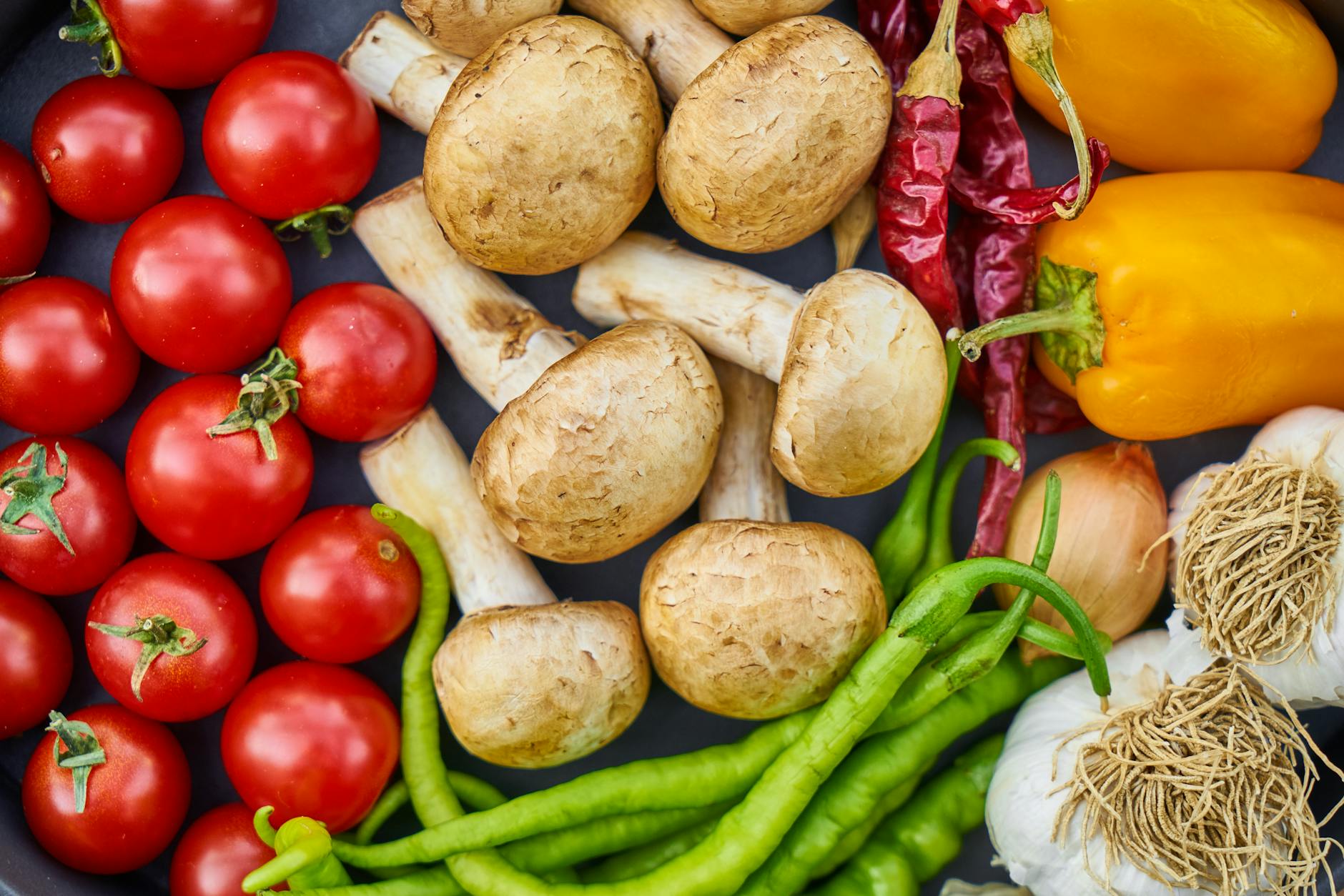
The term "superfood" is a popular, non-clinical label for foods exceptionally rich in bioactive compounds. The proposed mechanisms for their energy-enhancing effects are primarily rooted in their dense nutritional profiles, which can support fundamental metabolic processes.
Key Mechanisms of Action
Common ingredients like spinach, berries, nuts, and seeds are thought to influence energy through several interconnected pathways:
- Mitigating Oxidative Stress: Compounds like anthocyanins (in berries) and flavonoids (in cacao) act as antioxidants. By neutralizing free radicals produced during energy metabolism, they may help reduce cellular fatigue and support mitochondrial function.
- Modulating Inflammation: Chronic, low-grade inflammation is linked to fatigue. Omega-3 fatty acids (from chia or flax seeds) and polyphenols can help downregulate inflammatory pathways, potentially improving energy availability.
- Supporting Nutrient Cofactors: Leafy greens and nuts provide magnesium and B vitamins, essential cofactors in the biochemical pathways that convert food into cellular energy (ATP).
- Promoting Stable Glycemia: The fiber in ingredients like oats and berries slows glucose absorption, helping to prevent the energy spikes and crashes associated with high-glycemic meals.
Evaluating the Evidence
The evidence supporting these mechanisms varies significantly in strength and direct applicability.
Stronger Evidence: There is robust epidemiological and clinical data showing that diets high in fruits, vegetables, nuts, and whole grains—the categories containing so-called superfoods—are associated with improved long-term health outcomes, reduced inflammation, and better energy metabolism.
Limited/Mixed Evidence: Specific claims about the rapid, dramatic energy-boosting effects of individual superfoods in smoothie form are often extrapolated from in vitro (test tube) studies or short-term trials on isolated nutrients. Large-scale, long-term human trials specifically on "superfood smoothies" for sustained energy are lacking. The synergistic effect of blending multiple ingredients, while plausible, requires more targeted research.
Clinical Perspective: From a nutritional standpoint, incorporating nutrient-dense whole foods is a sound strategy for overall health, which forms the foundation for sustained energy. However, it is critical to view any 7-day plan as a jumpstart to better habits, not a standalone solution. Energy is multifactorial, involving sleep, stress, physical activity, and underlying health conditions.
Who Should Exercise Caution: Individuals with kidney disease need to be mindful of high-potassium ingredients like spinach and bananas. Those on blood thinners (e.g., warfarin) should maintain consistent vitamin K intake (found in leafy greens) and consult their physician. Anyone with a history of eating disorders or significant food restrictions should approach any structured dietary plan under professional guidance.
3. Contraindications and Risk Assessment

While a structured plan incorporating nutrient-dense foods can be a positive step, it is not universally appropriate. A responsible approach requires a careful assessment of individual health status and potential risks. This chapter outlines key contraindications and scenarios where medical consultation is essential before beginning any dietary modification plan.
Primary Medical Contraindications
Individuals with the following conditions should not undertake this or any similar plan without explicit approval from their treating physician or a registered dietitian:
- Chronic Kidney Disease (CKD): Many "superfoods," such as spinach, chard, and beet greens, are high in potassium and oxalates. For patients with compromised kidney function, impaired potassium excretion can lead to dangerous hyperkalemia, while high oxalate intake can increase the risk of nephrolithiasis (kidney stones).
- Diabetes or Severe Insulin Resistance: Smoothies, even those made without added sugar, can deliver a concentrated dose of carbohydrates from fruits and some vegetables. This can cause rapid spikes in blood glucose if not carefully balanced with protein, fat, and fiber, and if not accounted for within an individual's medication regimen.
- Active Gastrointestinal Disorders: Conditions like Crohn's disease, ulcerative colitis, or gastroparesis may be aggravated by high-fiber smoothies, raw vegetables, or specific ingredients like cruciferous vegetables, leading to bloating, pain, or obstruction.
Clinical Insight: In practice, we see patients for whom a "healthy" smoothie can be problematic. For instance, a patient on ACE inhibitors or potassium-sparing diuretics for hypertension or heart failure is already at risk for hyperkalemia. Adding several high-potassium smoothies daily could push them into a dangerous range. Always review medication profiles and underlying organ function.
Populations Requiring Special Caution
Even in the absence of diagnosed disease, certain groups should proceed with caution and likely seek guidance:
- Pregnant or Breastfeeding Individuals: Nutritional needs are specific and increased. While many ingredients are beneficial, certain herbs, supplements, or extremely high doses of vitamins (like vitamin A) sometimes promoted in "superfood" contexts can be contraindicated.
- Individuals with a History of Eating Disorders: Structured, restrictive meal plans can trigger disordered eating patterns. The focus on "clean" or "super" foods may inadvertently reinforce orthorexic tendencies.
- Those on Multiple Medications (Polypharmacy): High doses of vitamin K from leafy greens can interfere with warfarin (Coumadin) therapy. Other ingredients may affect the metabolism of certain drugs.
- People with Food Allergies or Sensitivities: Common smoothie ingredients like nuts, seeds, soy, and certain fruits are frequent allergens. Cross-contamination in blenders or ingredient sourcing is also a risk.
The evidence supporting the broad benefits of a diet rich in fruits and vegetables is strong. However, evidence for the specific superiority of "superfood" smoothie plans over other whole-food dietary patterns is more limited and often influenced by marketing. The greatest risk lies in applying a generic plan to a non-generic individual. A brief discussion with a primary care provider can help identify these hidden risks, ensuring that steps toward better energy are also steps toward greater safety.
4. Practical Implementation of the 7-Day Plan

Successfully implementing a structured 7-day plan requires a pragmatic approach that integrates the smoothies into a broader, balanced dietary pattern. The goal is not to replace all meals but to strategically use these nutrient-dense beverages to support consistent energy levels throughout the day.
A practical daily schedule might look like this:
- Morning: Consume your chosen superfood smoothie as part of, or shortly after, a balanced breakfast that includes a source of protein and healthy fats (e.g., eggs, Greek yogurt, or nuts). This helps modulate the glycemic response to the smoothie's natural sugars.
- Midday: Focus on a solid meal centered on lean protein, vegetables, and whole grains to provide sustained energy and essential micronutrients not fully covered by the smoothie.
- Afternoon: If energy dips, a smaller portion of a green-based smoothie (e.g., spinach, cucumber, avocado) can serve as a more nutritious alternative to processed snacks.
Consistency is key. Prepare smoothie ingredients in advance by washing, chopping, and portioning them into containers or freezer bags. This reduces daily decision fatigue and makes adherence more likely. Ensure your blender is capable of processing fibrous ingredients like kale or chia seeds to achieve a palatable consistency.
Clinical Perspective: While increasing fruit, vegetable, and fiber intake is strongly supported by evidence for overall health, claims about "lasting energy" specifically from short-term smoothie plans are often based on anecdotal reports rather than long-term clinical trials. The perceived energy boost is likely multifactorial, resulting from improved hydration, a reduction in processed foods, and a high micronutrient intake. It is not a substitute for addressing underlying causes of fatigue, such as sleep disorders, stress, or medical conditions like anemia or thyroid dysfunction.
Important Precautions: Individuals with diabetes should be mindful of the carbohydrate and sugar content of smoothies, even from natural sources, and may need to adjust insulin or medications. Those with kidney disease should consult a doctor regarding high-potassium ingredients like bananas and spinach. Anyone with a history of eating disorders or on specific medication regimens should discuss significant dietary changes with their physician or a registered dietitian before beginning.
View this 7-day plan as an experiment in mindful eating and nutrient density. Pay attention to how your body responds, noting any changes in energy, digestion, or satiety. The most sustainable outcome is not a temporary fix but the incorporation of lasting, healthful habits.
5. Safety Protocols and Medical Consultation Indicators

While incorporating nutrient-dense smoothies can be a positive dietary strategy, any structured dietary plan requires a foundation of safety. The following protocols are designed to ensure this approach supports, rather than compromises, your health.
Core Safety Protocols
Adhering to these principles mitigates common risks associated with dietary changes.
- Caloric and Nutritional Adequacy: A smoothie should complement, not replace, a balanced diet. Ensure your total daily intake meets your energy and macronutrient needs. Using a smoothie as a sole meal replacement, unless carefully formulated under guidance, can lead to deficiencies and unsustainable energy crashes.
- Ingredient Awareness: Be mindful of individual ingredients. "Superfoods" like spinach, kale, and beetroot are high in oxalates, which may contribute to kidney stone formation in susceptible individuals. High-fiber additions can cause gastrointestinal distress if introduced too quickly.
- Food Safety: Use fresh, properly washed produce. Consume smoothies immediately or refrigerate them for a short period to prevent bacterial growth, especially when using ingredients like raw spinach or nut milks.
Critical Medical Consultation Indicators
Consulting a physician or a registered dietitian before starting this or any dietary plan is strongly advised if you have a pre-existing health condition or are taking medications. Specific indicators include:
- Chronic Kidney Disease: Due to potential high potassium and oxalate content from greens, bananas, and other fruits.
- Diabetes or Blood Sugar Dysregulation: The natural sugars in fruits, even without added sweeteners, can significantly impact blood glucose levels.
- Gastrointestinal Disorders: Such as IBS, IBD, or gastroparesis, where high-fiber or high-FODMAP ingredients may exacerbate symptoms.
- Use of Anticoagulants (e.g., Warfarin): Sudden, large increases in vitamin K-rich leafy greens can interfere with medication efficacy.
- History of Eating Disorders: Structured meal plans can trigger unhealthy patterns and should only be undertaken with professional supervision.
- Pregnancy or Lactation: To ensure specific nutritional needs and food safety precautions (e.g., avoiding unpasteurized juices) are met.
Clinical Perspective: From a medical standpoint, the greatest risk in short-term "plans" is the perception of a universal solution. Lasting energy is a multifactorial outcome of consistent nutrition, sleep, stress management, and physical activity. While smoothies can be a useful tool for increasing fruit and vegetable intake, they are not a substitute for addressing underlying health issues like thyroid dysfunction, anemia, or sleep apnea, which require formal diagnosis and treatment. Always prioritize a conversation with your healthcare provider to contextualize dietary changes within your complete health picture.
Finally, listen to your body. Persistent fatigue, digestive discomfort, headaches, or dizziness are signals to pause and reevaluate. Sustainable energy comes from a sustainable, individualized approach to health.
6. Questions & Expert Insights
Can a 7-day smoothie plan really provide "lasting energy"?
The concept of "lasting energy" refers to stable blood sugar and sustained mitochondrial function, not a temporary stimulant effect. A well-formulated smoothie plan can support this by providing a blend of complex carbohydrates, fiber, healthy fats, and protein, which slows digestion and prevents energy crashes. Ingredients like spinach (iron), berries (antioxidants), and chia seeds (omega-3s) contribute to reducing oxidative stress and supporting cellular energy production. However, the "lasting" effect is contingent on what you consume outside the smoothies and your overall lifestyle, including sleep, stress management, and physical activity. This plan is a short-term dietary reset, not a permanent solution; true lasting energy requires consistent, balanced nutrition over the long term.
What are the potential risks or side effects of a high-smoothie diet?
Concentrating nutrition in liquid form carries specific risks. First, smoothies can be deceptively high in calories and natural sugars, which may disrupt blood sugar control in individuals with insulin resistance or diabetes if not properly balanced with protein and fat. Second, excessive fiber from multiple servings daily can cause significant gastrointestinal distress, including bloating, gas, or constipation, especially in those not accustomed to high fiber intake. Third, relying heavily on smoothies may lead to reduced chewing, which can affect satiety signals and oral health. Most critically, this approach is not suitable for individuals with kidney disease (due to high potassium content from greens and bananas), those on blood thinners (due to variable vitamin K in leafy greens), or anyone with a history of disordered eating, as it can promote restrictive patterns.
When should I talk to a doctor before starting this plan, and what should I discuss?
Consult a physician or a registered dietitian before starting if you have any chronic medical condition, take prescription medications, are pregnant or breastfeeding, or have a history of digestive or metabolic issues. Specifically, bring a list of the core ingredients (e.g., kale, spinach, berries, seeds, any proposed protein powders) to your appointment. Discuss how the plan's nutrient profile—particularly its potassium, vitamin K, fiber, and sugar content—interacts with your health status and medications. For example, a patient on warfarin needs consistent vitamin K intake, and sudden increases from daily green smoothies can be dangerous. This conversation ensures the plan is adapted safely to your individual health context.
Is the "superfood" label in smoothies clinically meaningful?
The term "superfood" is a marketing designation, not a clinical one. Nutritionally, it often refers to foods with high antioxidant, vitamin, or phytonutrient density, such as berries, kale, or turmeric. These ingredients can be beneficial components of a diet, but no single food confers superhuman health benefits. The evidence for most "superfoods" comes from population studies observing associations or laboratory research on isolated compounds; robust clinical trial data showing definitive disease prevention from consuming them in smoothies is often limited. The true benefit lies in the synergistic combination of whole foods within a balanced diet. A smoothie packed with diverse plants is a positive step, but it should not create an expectation of miraculous results or replace other pillars of health.
7. In-site article recommendations
8. External article recommendations
9. External resources
The links below point to reputable medical and evidence-based resources that can be used for further reading. Always interpret them in the context of your own situation and your clinician’s advice.
-
examine examine.comsuperfood smoothies – Examine.com (search)
-
drugs drugs.comsuperfood smoothies – Drugs.com (search)
-
wikipedia wikipedia.orgsuperfood smoothies – Wikipedia (search)
These external resources are maintained by third-party organisations. Their content does not represent the editorial position of this site and is provided solely to support readers in accessing additional professional information.