
1. Overview of the 7-Day Chia Seed Challenge

The 7-Day Chia Seed Challenge is a structured dietary approach where participants incorporate a specific daily amount of chia seeds into their meals and snacks for one week. The primary objective is to leverage the seeds' unique nutritional properties, particularly their high soluble fiber content, to assess their potential impact on appetite regulation and satiety.
Participants typically consume between one to two tablespoons (approximately 15-30 grams) of chia seeds per day. For safety and efficacy, it is crucial to prepare the seeds correctly by soaking them in a liquid (water, milk, or plant-based alternatives) for at least 15-30 minutes before consumption. This allows the seeds to form a gel-like coating, which is central to their proposed mechanism for slowing digestion and promoting a feeling of fullness.
The challenge is not a standalone weight-loss program but rather a focused experiment in mindful eating and nutrient timing. Common methods of incorporation include:
- Adding soaked chia seeds to smoothies, yogurt, or oatmeal.
- Using them as a base for chia puddings.
- Mixing the gel into sauces, soups, or beverages.
The physiological rationale is supported by evidence for soluble fiber. Clinical studies indicate that viscous soluble fibers, like the beta-glucan in chia seeds, can increase satiety, slow gastric emptying, and moderate postprandial blood glucose levels. However, evidence specifically from large, long-term human trials on chia seeds for sustained hunger control is more limited and sometimes mixed. Many promising findings come from smaller or shorter-duration studies.
Clinical Insight: From a nutritional standpoint, this challenge can be a useful tool for increasing dietary fiber and healthy fat intake. However, it is an observational n=1 experiment. Individual responses to fiber vary significantly based on baseline diet, gut microbiome, and hydration status. The challenge should be viewed as a way to gather personal data on satiety, not as a guaranteed intervention.
It is essential to approach this challenge with caution. Certain individuals should consult a physician or registered dietitian before starting:
- Those with a history of swallowing difficulties or esophageal strictures.
- Individuals with inflammatory bowel disease (IBD) or a history of bowel obstruction.
- People taking medications for diabetes or blood pressure, as chia seeds may potentiate effects.
- Anyone with a known allergy to chia, sesame, or mustard seeds.
Ensuring adequate water intake throughout the day is critical to prevent gastrointestinal discomfort, such as bloating or constipation, especially when significantly increasing fiber intake. The 7-day period provides a short, manageable timeframe to observe initial effects without promoting unsustainable dietary extremes.
2. Scientific Evidence and Mechanisms of Action
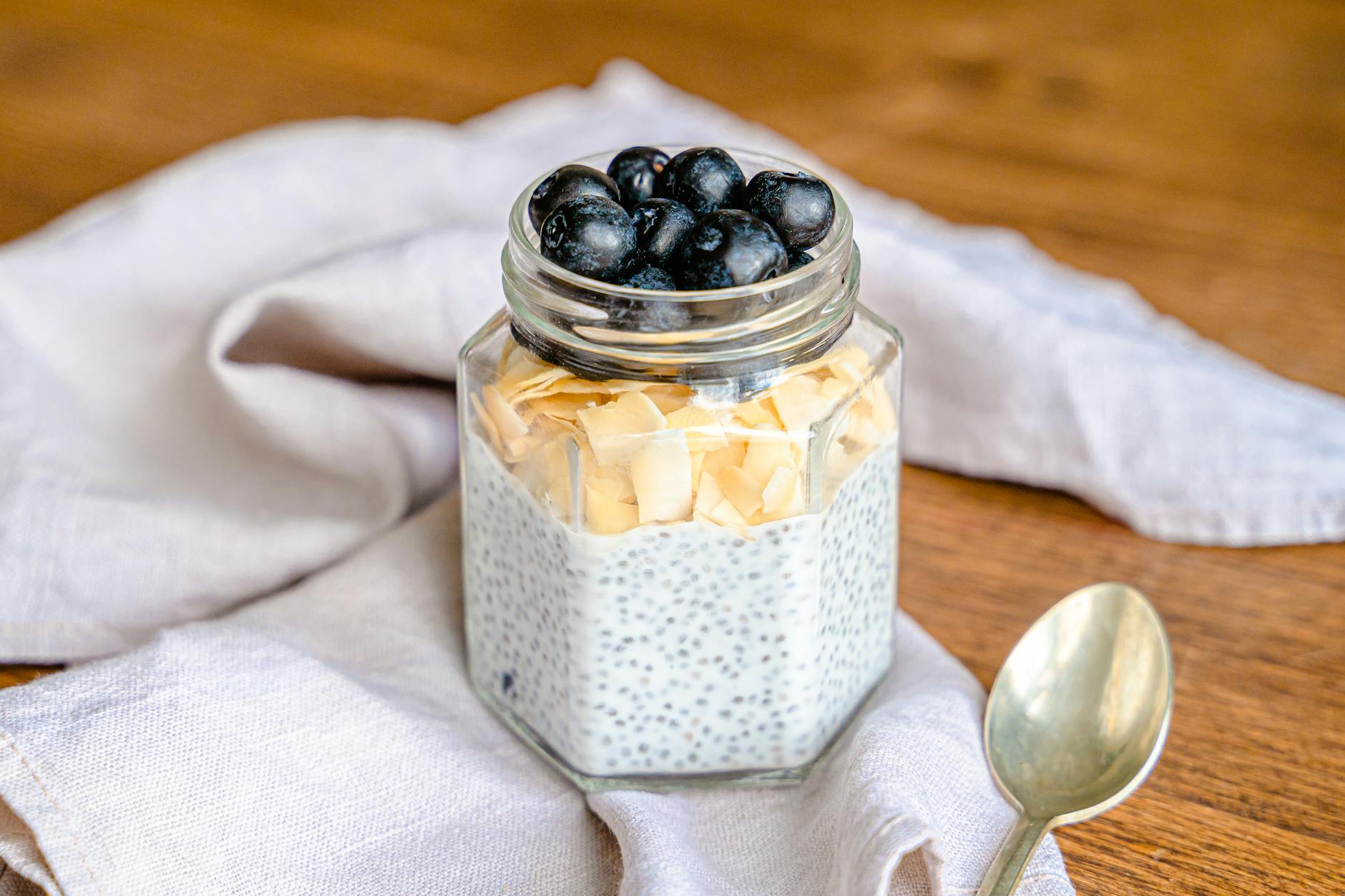
The proposed appetite-suppressing effects of chia seeds are not based on a single mechanism but on a combination of their unique nutritional properties. The primary evidence for their role in hunger control stems from their high content of soluble fiber and their ability to form a gel-like substance in the stomach.
Core Mechanisms of Action
Chia seeds are approximately 34-40% dietary fiber by weight, with the majority being soluble fiber. When mixed with liquid, they can absorb up to 10-12 times their weight, forming a viscous gel. This gel has several physiological effects:
- Gastric Distension and Delayed Emptying: The gel increases stomach volume, promoting a feeling of fullness (satiety) and slowing gastric emptying. This can lead to a more gradual release of nutrients into the small intestine.
- Attenuated Blood Glucose Response: The viscous fiber matrix can slow the digestion and absorption of carbohydrates, potentially blunting postprandial blood sugar spikes. Stable blood glucose levels are associated with reduced cravings and more consistent energy.
- Short-Chain Fatty Acid Production: As soluble fiber is fermented by gut microbiota in the colon, it produces short-chain fatty acids (SCFAs) like butyrate. SCFAs are involved in satiety signaling and may influence gut-brain communication related to hunger.
Review of the Clinical Evidence
The evidence supporting these mechanisms in human studies is promising but not definitive. A 2017 systematic review in the Journal of Food Science and Technology concluded that chia seeds can promote satiety in the short term, primarily through the physical gel effect. However, results on significant weight loss are mixed and often depend on the overall dietary context.
Key limitations in the existing research include small sample sizes, short study durations (often a few weeks), and variability in dosing and preparation methods. Most high-quality trials have been conducted in overweight or obese individuals, so generalizability to other populations is less clear.
Clinical Perspective: From a nutritional standpoint, chia seeds are a functional food that can be a useful component of a satiety-focused diet. Their effect is likely modest and synergistic—they work best as part of a balanced meal rich in protein and other fibers, not as a standalone "magic bullet" for hunger. The gel-forming property is their most consistent and evidence-backed feature for promoting short-term fullness.
Who Should Exercise Caution: Individuals with swallowing difficulties, esophageal strictures, or significant gastrointestinal disorders like inflammatory bowel disease (IBD) should consult a physician before significantly increasing chia seed intake, as the gel can cause obstruction if not consumed with adequate fluid. Those on medication for diabetes or blood pressure should also discuss this with their doctor, as chia seeds may potentiate the effects of these drugs.
3. Risks and Contraindications for Specific Populations

While chia seeds are generally safe for most people, their unique properties and high fiber content necessitate caution for specific populations. A responsible approach to any dietary challenge requires understanding these potential risks.
Individuals with Gastrointestinal Sensitivities or Disorders
The dramatic increase in fiber intake—up to 10 grams per ounce of chia seeds—poses the most common risk. For individuals not accustomed to high-fiber diets, this can lead to significant bloating, gas, abdominal cramping, and constipation or diarrhea. Those with diagnosed gastrointestinal conditions should be particularly cautious.
- Irritable Bowel Syndrome (IBS): The high soluble fiber (mucilage) in chia seeds can be problematic for some IBS subtypes, potentially triggering symptoms.
- Inflammatory Bowel Disease (IBD): During a flare-up of Crohn's disease or ulcerative colitis, high-fiber foods are often poorly tolerated and may worsen symptoms.
- History of Bowel Obstruction: Individuals with a history of strictures or obstructions should avoid high-fiber challenges without explicit medical clearance.
Individuals with Swallowing Difficulties or GERD
Chia seeds form a thick gel when mixed with liquids. If consumed dry or without adequate hydration, they can expand in the esophagus, posing a risk of esophageal impaction, a serious medical event. This risk is heightened for individuals with dysphagia (swallowing difficulties), esophageal strictures, or severe, untreated gastroesophageal reflux disease (GERD). Always consume chia seeds pre-soaked or mixed thoroughly into a sufficient amount of liquid.
Individuals on Specific Medications or with Certain Conditions
The fiber in chia seeds can interfere with the absorption of some oral medications. It is advised to take medications at least 1-2 hours apart from consuming chia seeds. Furthermore, due to their alpha-linolenic acid (ALA) content, individuals on blood-thinning medications (e.g., warfarin) or with bleeding disorders should consult their physician, as high ALA intake may theoretically affect clotting, though strong clinical evidence for this with dietary chia is limited.
Clinical Perspective: From a clinical standpoint, the primary concern is the rapid escalation of fiber. A "challenge" format can overwhelm the digestive system. For patients with diabetes, while chia may help with glycemic control, the challenge could significantly alter carbohydrate and fiber ratios, necessitating closer blood glucose monitoring. The recommendation is always to increase fiber intake gradually over weeks, not days.
Key Contraindications and Precautions
- Pregnancy and Lactation: While chia seeds are likely safe in normal food amounts, a concentrated "challenge" lacks safety data for these populations. Consultation with an obstetrician is prudent.
- Severe Kidney Disease: Chia seeds are high in phosphorus. In advanced chronic kidney disease (CKD Stage 4-5), impaired phosphorus excretion can lead to complications.
- Known Seed Allergy: Although rare, allergies to chia or other seeds (e.g., sesame, mustard) are possible.
- History of Eating Disorders: Any structured dietary "challenge" can be triggering and is not recommended.
In summary, individuals with pre-existing digestive conditions, swallowing issues, specific medication regimens, or the conditions listed above should seek advice from a healthcare professional before undertaking a concentrated chia seed protocol.
4. Practical Implementation and Balanced Takeaways

To implement a 7-day chia seed challenge safely and effectively, a structured approach is recommended. The primary goal is to assess their impact on satiety and dietary patterns, not to achieve rapid weight loss.
Daily Protocol
Begin with a conservative dose of 1 tablespoon (approximately 12 grams) of dry chia seeds per day, consumed with ample fluid. This can be integrated into your routine by:
- Soaking: Mix seeds in 1 cup of water, plant-based milk, or yogurt and let sit for 15-30 minutes until a gel forms. Consume as a pre-meal snack or part of breakfast.
- Sprinkling: Add dry or pre-soaked seeds to oatmeal, salads, or smoothies.
Ensure you drink plenty of water throughout the day, as chia seeds absorb 10–12 times their weight in liquid.
Clinical Insight: The gel-forming soluble fiber is the proposed mechanism for promoting fullness. However, evidence for significant, long-term weight management from short-term chia use alone is limited. View this as a tool to potentially improve meal satiety and support a broader, nutrient-dense diet, not a standalone solution.
Balanced Takeaways and Cautions
The most consistent evidence supports chia seeds as a source of alpha-linolenic acid (ALA), fiber, and minerals. Their effect on appetite suppression is supported by some short-term human studies, but data is mixed and long-term trials are lacking.
Key practical takeaways include:
- Modest Satiety Aid: They may help curb between-meal hunger when consumed before or with meals, primarily due to fiber content.
- Dietary Enhancement: They are a simple method to boost fiber and omega-3 intake in a whole-food form.
- Not a Magic Bullet: Any positive effects on hunger are contingent on being part of an overall balanced diet and healthy lifestyle.
Who should exercise caution or consult a physician:
- Individuals with a history of dysphagia or significant gastrointestinal strictures, as the gel can pose a risk if not consumed with enough fluid.
- Those with diagnosed irritable bowel syndrome (IBS) may experience bloating or gas from the high fiber load.
- People on blood-thinning medications (e.g., warfarin) or with upcoming surgery, due to theoretical concerns about ALA and platelet aggregation, though clinical risk is likely low with dietary amounts.
- Anyone with a history of eating disorders should avoid structured "challenges" that may promote restrictive patterns.
If you experience abdominal pain, significant bloating, or constipation, discontinue use. This challenge is an observational experiment for your own awareness; sustainable health changes are built on consistent, evidence-based habits, not short-term dietary trends.
5. Safety Monitoring and When to Consult a Healthcare Professional

While chia seeds are generally safe for most people when consumed in typical dietary amounts, a structured 7-day challenge that significantly increases intake requires proactive safety monitoring. The primary goal is to ensure the intervention supports health without causing adverse effects.
During the challenge, pay close attention to your body's signals. Common, manageable side effects may include:
- Gastrointestinal changes: The high fiber content (approximately 10 grams per ounce) can cause bloating, gas, or constipation, especially if fluid intake is not proportionally increased.
- Early satiety: While this is often the desired effect for hunger control, it can inadvertently lead to significantly reduced caloric intake, which may not be appropriate for everyone.
- Allergic reactions: Though rare, be alert for symptoms like hives, itching, or difficulty breathing.
It is crucial to distinguish between expected adaptation and signs that warrant stopping the challenge. Severe abdominal pain, persistent diarrhea, or signs of an allergic reaction are clear indicators to discontinue use and seek medical advice.
Clinical Perspective: From a clinical standpoint, the most significant risk with a sudden, high-fiber intervention is bowel obstruction, particularly in individuals with a history of strictures, inflammatory bowel disease, or motility disorders. Furthermore, the gel-forming property of chia seeds may theoretically affect the absorption rate of oral medications. Patients on critical medications for diabetes, hypertension, or thyroid conditions should discuss timing with their pharmacist or physician.
Who Should Consult a Healthcare Professional First
Certain individuals should seek guidance from a doctor or registered dietitian before undertaking this or any significant dietary change:
- Individuals with gastrointestinal disorders: Such as Crohn's disease, ulcerative colitis, diverticulitis, or a history of bowel obstructions.
- Those with swallowing difficulties or esophageal issues: The gel-like consistency of soaked chia seeds may pose a choking risk if not prepared correctly.
- People on medication: Especially for blood sugar management (e.g., insulin, sulfonylureas) or blood pressure, due to chia's potential hypoglycemic and hypotensive effects.
- Individuals with kidney disease: Chia seeds are high in phosphorus, which can accumulate in those with compromised kidney function.
- Anyone with a history of food allergies or anaphylaxis.
- Pregnant or breastfeeding individuals, who should discuss any new dietary regimen with their obstetrician.
In summary, while the 7-day chia seed challenge may be a safe exploration for many, it is not universally appropriate. Responsible participation hinges on self-monitoring, adequate hydration, and recognizing when professional consultation is necessary. This approach ensures the experience is both informative and aligned with personal health safety.
6. Questions & Expert Insights
Can a 7-day chia seed challenge really help control my hunger?
Chia seeds may support short-term satiety due to their high soluble fiber content, which forms a gel in the stomach and slows gastric emptying. This mechanism is supported by several small, short-term studies. However, the evidence for a transformative, long-term impact on hunger control from a brief, 7-day challenge is limited. Hunger is a complex physiological and psychological state influenced by diet quality, sleep, stress, and hormones. While incorporating chia seeds can be a positive dietary change, expecting them to single-handedly "control" hunger is unrealistic. Sustainable appetite management typically requires consistent, holistic lifestyle habits rather than a short-term dietary challenge.
What are the potential risks or side effects, and who should avoid this approach?
The primary risk is gastrointestinal distress, including bloating, gas, and abdominal discomfort, especially when increasing fiber intake abruptly without adequate hydration. To mitigate this, start with a small dose (e.g., 1 teaspoon) and increase gradually while drinking plenty of water. Certain individuals should exercise extreme caution or avoid high-fiber challenges altogether: those with a history of swallowing difficulties, esophageal strictures, or inflammatory bowel disease (like Crohn's or ulcerative colitis) during a flare. Individuals with kidney disease should consult a doctor, as chia seeds are high in phosphorus. Those on blood-thinning medications (e.g., warfarin) or blood pressure drugs should also be cautious due to potential, though mild, interactions and the need for stable medication dosing.
When should I talk to a doctor before or during this challenge, and what should I discuss?
Consult a physician or registered dietitian before starting if you have any chronic medical condition (e.g., diabetes, cardiovascular disease, kidney disease, GI disorders), are pregnant or breastfeeding, or take regular medications. This is crucial to prevent adverse interactions or exacerbations. Bring a clear list of your current medications and supplements. Discuss your specific goals (e.g., "I want to manage between-meal hunger") and ask for guidance on a safe fiber intake increase tailored to your health status. If you experience severe abdominal pain, significant constipation, or signs of an allergic reaction (rash, itching, swelling) during the challenge, stop immediately and seek medical advice. A professional can help integrate chia seeds into a safe, effective, and personalized nutrition plan.
Is the weight loss or hunger control benefit from chia seeds proven by strong scientific evidence?
The evidence is promising but not conclusive, and it is primarily from short-term studies. Research indicates chia seeds can increase satiety and reduce short-term food intake in some studies, but direct, high-quality evidence showing significant long-term weight loss attributable solely to chia seed consumption is lacking. Many popular claims are extrapolated from their nutritional profile (fiber, protein) or from small, often animal, studies. It's important to distinguish between mechanistic plausibility (the fiber gel *should* help you feel full) and proven clinical outcomes (this food *causes* weight loss). Chia seeds are best viewed as one component of an evidence-based weight management strategy that includes caloric awareness, regular physical activity, and behavioral changes, rather than a standalone solution.
7. In-site article recommendations
8. External article recommendations
9. External resources
The links below point to reputable medical and evidence-based resources that can be used for further reading. Always interpret them in the context of your own situation and your clinician’s advice.
-
mayoclinic mayoclinic.orgchia seeds – Mayo Clinic (search)
-
wikipedia wikipedia.orgchia seeds – Wikipedia (search)
-
examine examine.comchia seeds – Examine.com (search)
These external resources are maintained by third-party organisations. Their content does not represent the editorial position of this site and is provided solely to support readers in accessing additional professional information.