
1. Introduction to the 7-Day Chia Seed Cleanse
The concept of a "7-day chia seed cleanse" has gained considerable attention in popular wellness circles. It typically involves a structured, short-term dietary regimen where chia seeds are consumed in specific quantities and forms, often alongside increased water intake and a focus on whole foods, with the aim of "resetting" or "detoxifying" the body. This chapter provides an objective introduction to this practice, examining its proposed mechanisms, the evidence behind its purported benefits, and the important clinical considerations it raises.
Proponents of the cleanse often cite the unique nutritional profile of chia seeds (Salvia hispanica L.) as the foundation for its effects. Chia seeds are a concentrated source of:
- Dietary Fiber: Particularly soluble fiber, which forms a gel-like substance when mixed with water.
- Omega-3 Fatty Acids: In the form of alpha-linolenic acid (ALA).
- Protein: Containing all nine essential amino acids.
- Minerals: Such as calcium, magnesium, and phosphorus.
The proposed short-term outcomes of a 7-day protocol commonly include improved digestive regularity, a feeling of fullness that may support reduced caloric intake, and transient weight loss primarily from water and digestive contents. It is crucial to distinguish between these mechanistically plausible effects and the more ambitious claims of "detoxification" or "colon cleansing," for which there is no robust scientific evidence in humans. The human liver, kidneys, and gastrointestinal system are highly efficient at endogenous detoxification without the need for specialized cleanses.
Clinical Perspective: From a medical standpoint, any short-term dietary intervention must be evaluated for safety and physiological realism. The high fiber content of chia seeds can promote bowel regularity, but a sudden, significant increase in fiber intake—especially without adequate fluid—can lead to gastrointestinal discomfort, bloating, or constipation. Furthermore, the evidence for sustained metabolic or health benefits from a 7-day cleanse is extremely limited and primarily anecdotal.
It is essential to approach this and any similar protocol with caution. Certain individuals should consult a physician or a registered dietitian before attempting a chia seed cleanse, including those with:
- History of gastrointestinal disorders (e.g., diverticulitis, inflammatory bowel disease).
- Dysphagia or swallowing difficulties, due to the risk of esophageal obstruction if seeds are not properly hydrated.
- Kidney disease or those on blood-thinning medications, given chia seeds' mineral and omega-3 content.
- A history of eating disorders.
The following chapters will dissect the available research on the short-term physiological impacts of chia seed consumption, separating evidence-based findings from popular conjecture.
2. Scientific Evidence and Mechanisms of Chia Seeds
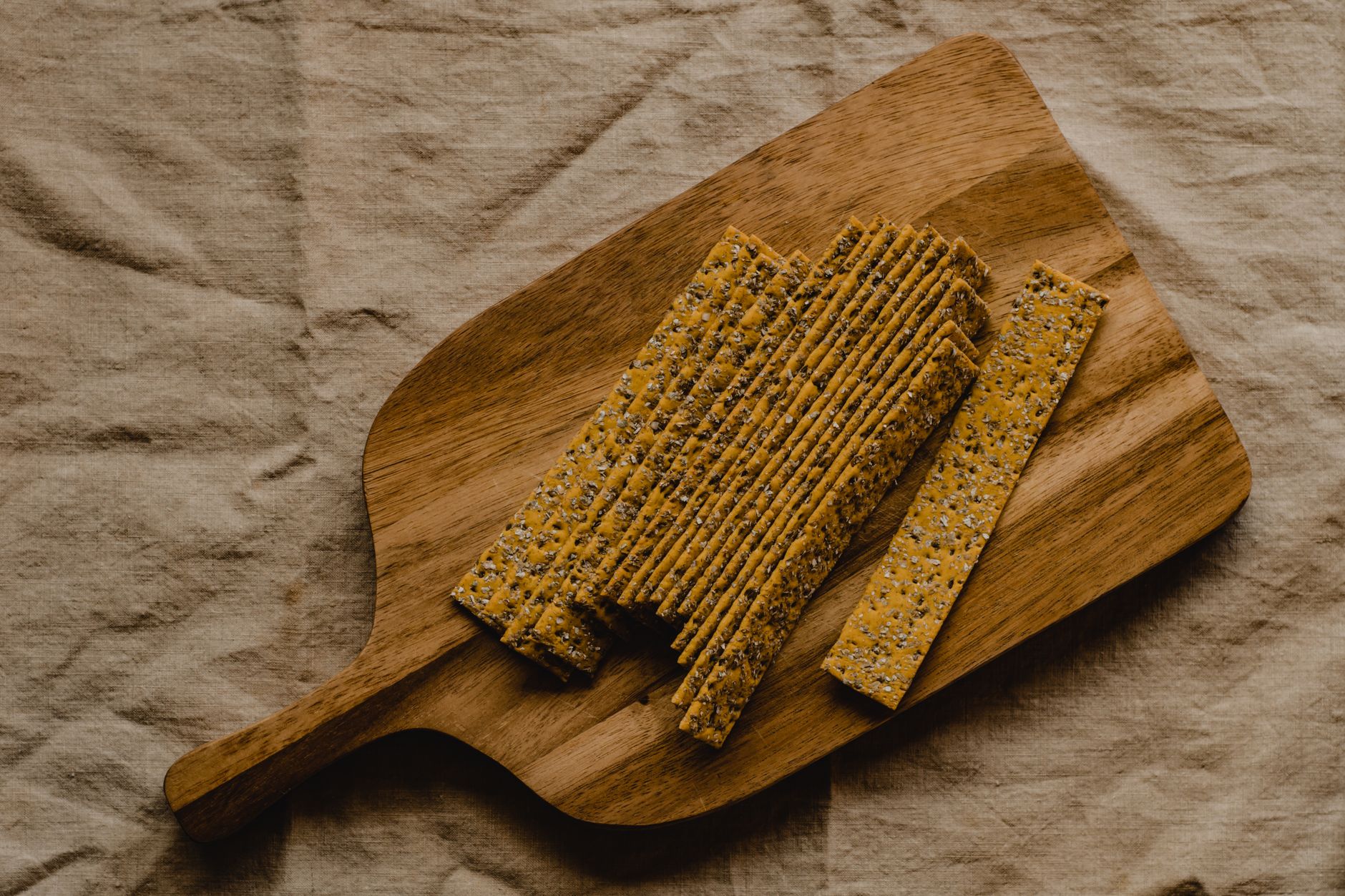
Chia seeds (Salvia hispanica L.) are a concentrated source of several bioactive compounds. Their proposed health effects are primarily attributed to three key mechanisms: high soluble fiber content, rich omega-3 fatty acid profile, and a dense matrix of antioxidants and minerals.
Core Nutritional Mechanisms
The most robust evidence supports the role of chia's soluble fiber, primarily mucilage. When mixed with liquid, chia seeds form a gel that can:
- Slow gastric emptying: This can promote satiety and moderate postprandial blood glucose spikes, a mechanism supported by several human trials.
- Act as a prebiotic: The fiber may support beneficial gut microbiota, though human data specific to chia is still emerging.
Chia seeds are also one of the richest plant sources of alpha-linolenic acid (ALA), an essential omega-3 fatty acid. The body must convert ALA to the more active EPA and DHA, a process that is inefficient in humans. Therefore, while chia contributes to overall omega-3 intake, its direct cardiovascular and anti-inflammatory impact may be less potent than marine sources.
Evidence for Short-Term Metabolic Effects
Research on short-term chia consumption (days to weeks) in humans shows mixed but promising results for specific outcomes:
- Appetite and Satiety: Small, controlled studies frequently report increased feelings of fullness and reduced desire to eat when chia is consumed before meals, likely due to the gel-forming fiber.
- Blood Glucose: Some trials note a modest attenuation of post-meal blood glucose elevation, which is clinically relevant for glycemic management.
- Blood Lipids: Evidence is less consistent. Some studies show a reduction in triglycerides and LDL cholesterol, while others show no significant change, possibly due to variations in study design, dose, and participant health status.
Clinical Perspective: It's crucial to distinguish between acute physiological effects and long-term health outcomes. The satiety and glycemic-modulating effects observed in short-term studies are mechanistically plausible and align with chia's nutritional composition. However, these studies are typically small and of short duration. They do not constitute evidence that a short-term "cleanse" will lead to sustainable weight loss or disease prevention.
Who Should Exercise Caution: Individuals with swallowing difficulties, esophageal strictures, or significant gastrointestinal dysmotility should avoid dry chia seeds or consume them only when fully gelled to prevent obstruction. Those on blood-thinning medications or with upcoming surgery should discuss high chia intake with a doctor due to its theoretical (though low) ALA-related anticoagulant effect. Always increase fiber intake gradually with ample water to minimize bloating or discomfort.
3. Risks and Populations to Avoid
While chia seeds are a nutrient-dense food, a structured 7-day cleanse that significantly increases their intake while potentially restricting other foods carries specific risks. A clinically responsible approach requires identifying populations for whom this protocol is contraindicated and outlining potential adverse effects supported by evidence.
Established Gastrointestinal and Hydration Risks
The most well-documented, immediate risks are gastrointestinal. Chia seeds absorb 10–12 times their weight in water, forming a gel. A sudden, substantial increase in fiber intake—especially without adequate fluid consumption—can lead to:
- Abdominal discomfort, bloating, and flatulence: This is a common physiological response to a rapid dietary fiber change.
- Constipation or, paradoxically, diarrhea: Constipation can occur if the gel forms in the gut without sufficient water. Diarrhea may result from the osmotic effect of undigested fiber or if the cleanse includes other laxative-type foods.
- Esophageal obstruction risk: There are case reports of chia seed ingestion, particularly dry seeds followed by water, causing acute dysphagia and impaction in individuals with a history of swallowing disorders or narrowed esophagus.
These effects are strongly supported by clinical observation and case studies. Mitigation requires consistent, high-volume water intake throughout the day, not just with the seeds.
Clinical Insight: From a gastroenterology perspective, any rapid dietary shift can disrupt gut motility and microbiome balance. For individuals with pre-existing IBS, the high fermentable fiber (FODMAP) content in chia seeds can exacerbate symptoms like bloating and pain. A gradual introduction is always preferable to an abrupt "cleanse" protocol.
Populations Who Should Avoid or Exercise Extreme Caution
Certain individuals should not undertake a chia seed cleanse without explicit medical clearance, if at all:
- Individuals with swallowing disorders or esophageal strictures: As noted, this group is at direct risk of obstruction.
- Those with diagnosed digestive conditions: This includes inflammatory bowel disease (IBD—Crohn's, ulcerative colitis) during a flare, diverticulitis, or a history of bowel obstructions.
- People with kidney disease or on potassium-restricted diets: Chia seeds are a source of potassium and phosphorus. Impaired renal function can lead to dangerous electrolyte accumulation (hyperkalemia).
- Individuals on blood-thinning medications (e.g., warfarin) or with bleeding disorders: Preliminary in vitro and animal studies suggest chia seeds may have antiplatelet effects, though human clinical data is limited. The potential for interaction warrants caution.
- Those with seed allergies: Although rare, chia seed allergies have been documented and can be serious.
- Pregnant or breastfeeding individuals: There is insufficient safety data on high-dose, short-term cleanse protocols during these periods. Nutritional needs are specific and should not be compromised.
- Individuals with a history of eating disorders: Any protocol labeled a "cleanse" that promotes restrictive eating can trigger disordered eating patterns and is strongly discouraged.
The evidence for many of these contraindications is based on the known properties of chia seeds and prudent clinical extrapolation, rather than specific trials on "cleanses." If you belong to any of these groups, or are on multiple medications, consulting a physician or registered dietitian before making significant dietary changes is essential.
4. Practical Takeaways from Research

The concept of a dedicated "cleanse" is not a recognized clinical protocol. However, examining the short-term effects of incorporating a significant daily amount of chia seeds (typically 1-2 ounces) for a week can yield practical, evidence-informed insights. The primary outcomes are likely related to changes in fiber and fluid intake rather than a systemic detoxification.
Evidence-Supported Short-Term Effects
The most consistent and well-supported effect is on digestive regularity. Chia seeds are an excellent source of soluble fiber, which forms a gel and absorbs water, and insoluble fiber, which adds bulk. This combination can:
- Improve bowel regularity: For individuals with mild, occasional constipation, the increased fiber and fluid can promote more consistent stools.
- Enhance satiety: The gel-forming property can slow gastric emptying, potentially reducing hunger and calorie intake at subsequent meals, which is supported by several small human trials.
Areas with Limited or Mixed Evidence
Claims of significant "detoxification," sustained energy boosts, or rapid weight loss from fat reduction lack robust support. Short-term weight changes are almost exclusively due to fluid shifts and gut content, not fat loss. While chia seeds contain omega-3s (ALA), the body's conversion to active forms (EPA/DHA) is inefficient, and a one-week period is insufficient to measurably impact blood lipid profiles or systemic inflammation in a clinically meaningful way.
Clinical Perspective: From a medical standpoint, the value of this approach is not in the "cleanse" narrative but in the behavioral reset. It can demonstrate the tangible benefits of high-fiber eating, which may motivate longer-term dietary improvement. The focus should be on the seeds as a component of a balanced diet, not a standalone solution.
Key Cautions and Recommendations
This approach is not suitable for everyone. Important precautions include:
- Hydration is critical: Consuming high-fiber chia seeds without adequate water intake can lead to severe constipation or even intestinal blockage.
- Digestive adjustment: A sudden large increase in fiber can cause bloating, gas, and abdominal discomfort. It is advisable to start with a smaller dose.
- Medical contraindications: Individuals with a history of swallowing difficulties, esophageal strictures, inflammatory bowel disease (e.g., Crohn's, ulcerative colitis), or diverticulitis should avoid this protocol unless explicitly approved by their physician.
- Medication interaction: The gel-forming fiber may theoretically slow the absorption of oral medications. Take medications at least 1-2 hours apart from chia seed consumption.
The most responsible takeaway is to view a short-term chia seed regimen as a demonstration of fiber's benefits, not a curative cleanse. For sustainable health, integrate chia seeds consistently into a varied diet rich in fruits, vegetables, and whole grains, rather than relying on episodic, restrictive protocols.
5. Safety Considerations and When to Consult a Doctor
While chia seeds are generally recognized as safe for most people when consumed in typical culinary amounts, a structured 7-day cleanse that significantly increases intake introduces specific safety considerations. A primary concern is the high fiber content. A sudden, substantial increase in dietary fiber can lead to significant gastrointestinal distress, including bloating, gas, abdominal cramping, and constipation or diarrhea. This is particularly likely if fluid intake is not proportionally increased, as chia seeds absorb 10–12 times their weight in water.
Beyond digestive discomfort, several populations should exercise extreme caution or avoid this protocol entirely. The following individuals should consult a healthcare professional before considering any cleanse:
- Individuals with gastrointestinal disorders such as inflammatory bowel disease (IBD), diverticulitis, or a history of bowel obstructions.
- Those with swallowing difficulties or esophageal strictures, as dry chia seeds can expand and pose a choking risk if not pre-soaked.
- People on medication, especially for diabetes, blood pressure, or blood thinning. Chia seeds may theoretically affect blood sugar and blood pressure, and their high fiber content can interfere with the absorption of certain drugs.
- Individuals with kidney disease, due to the notable phosphorus and potassium content in chia seeds.
- Anyone with a history of eating disorders, as restrictive "cleanse" protocols can trigger unhealthy patterns.
- Pregnant or breastfeeding individuals, who should avoid any significant, unmonitored dietary changes.
Clinical Perspective: From a medical standpoint, the concept of a "cleanse" is not supported by physiology; the liver and kidneys perform detoxification continuously. The primary documented effects of a short-term, high-chia regimen are related to its mechanical and nutritional properties—increased fiber and fluid intake. Any perceived benefits, like reduced bloating, are more likely attributable to displacing processed foods rather than a "detox" mechanism. The risks of electrolyte imbalance or nutrient deficiencies, while low for a 7-day period in healthy individuals, are not zero.
The evidence for the safety of concentrated, short-term chia seed protocols is limited. Most research examines chia as a component of a balanced diet, not as the primary focus of a cleanse. Therefore, proceeding without medical guidance carries inherent uncertainty.
When to Consult a Doctor: You should seek immediate medical advice if you experience severe abdominal pain, signs of an allergic reaction (hives, swelling, difficulty breathing), symptoms of bowel obstruction (inability to pass gas or stool, vomiting), or significant lightheadedness. More broadly, it is prudent to consult a physician or a registered dietitian before starting any restrictive dietary protocol to ensure it aligns with your personal health status and goals.
6. Questions & Expert Insights
Can a 7-day chia seed cleanse lead to significant weight loss?
Any short-term weight loss observed during a restrictive cleanse is primarily due to a sharp reduction in overall calorie intake and a significant loss of water weight and glycogen stores, not fat loss. Chia seeds are high in soluble fiber, which can promote a feeling of fullness and may help reduce calorie consumption. However, there is no robust clinical evidence that a specific 7-day chia seed protocol leads to superior or sustainable weight loss compared to other balanced, calorie-controlled diets. The weight lost is typically regained once normal eating patterns resume. Sustainable weight management relies on long-term lifestyle changes, not short-term cleanses.
What are the potential risks or side effects, and who should avoid this cleanse?
A chia seed cleanse carries several risks, primarily related to its high fiber content and restrictive nature. Sudden, large increases in fiber intake can cause significant gastrointestinal distress, including bloating, gas, abdominal cramping, and constipation or diarrhea. Individuals with a history of swallowing difficulties, esophageal strictures, or inflammatory bowel disease (e.g., Crohn's, ulcerative colitis) should avoid it, as chia seeds can expand and cause blockages. It is also contraindicated for those with kidney disease due to the mineral content, individuals with diabetes on medication (due to risk of hypoglycemia from low food intake), and anyone with a history of eating disorders. The restrictive nature can also lead to nutrient deficiencies, fatigue, and headaches.
When should I talk to a doctor about trying a cleanse, and what should I discuss?
You should consult a physician or a registered dietitian before starting any restrictive dietary protocol, especially if you have a pre-existing medical condition, take regular medications, or are pregnant or breastfeeding. Come to the appointment prepared to discuss your specific health goals. Bring a detailed outline of the cleanse plan, including the daily amount of chia seeds, other permitted foods/liquids, and the total estimated calorie intake. Provide a full list of your current medications and supplements, as the cleanse may affect their absorption or efficacy (e.g., diabetes or blood pressure medications). This allows your doctor to assess potential nutrient gaps, drug-nutrient interactions, and whether the plan is safe given your personal health profile.
Does research support claims of "detoxification" or improved gut health from a short chia cleanse?
The concept of "detoxing" through a diet is not supported by physiology; the liver and kidneys are the body's highly efficient, ongoing detoxification systems. There is no quality research showing that a 7-day chia seed cleanse removes toxins. Regarding gut health, the soluble fiber in chia seeds (specifically, mucilage) can act as a prebiotic, feeding beneficial gut bacteria. However, the evidence for a meaningful, lasting shift in the gut microbiome from a one-week intervention is very limited. Furthermore, the drastic dietary change and potential for GI upset during the cleanse may temporarily disrupt gut function rather than improve it. Long-term, consistent intake of dietary fiber from various sources is what robustly supports gut health.
7. In-site article recommendations
8. External article recommendations
9. External resources
The links below point to reputable medical and evidence-based resources that can be used for further reading. Always interpret them in the context of your own situation and your clinician’s advice.
-
mayoclinic mayoclinic.orgchia seed cleanse – Mayo Clinic (search)
-
healthline healthline.comchia seed cleanse – Healthline (search)
-
wikipedia wikipedia.orgchia seed cleanse – Wikipedia (search)
These external resources are maintained by third-party organisations. Their content does not represent the editorial position of this site and is provided solely to support readers in accessing additional professional information.