
1. Introduction to Juice Cleanses: A Clinical Context
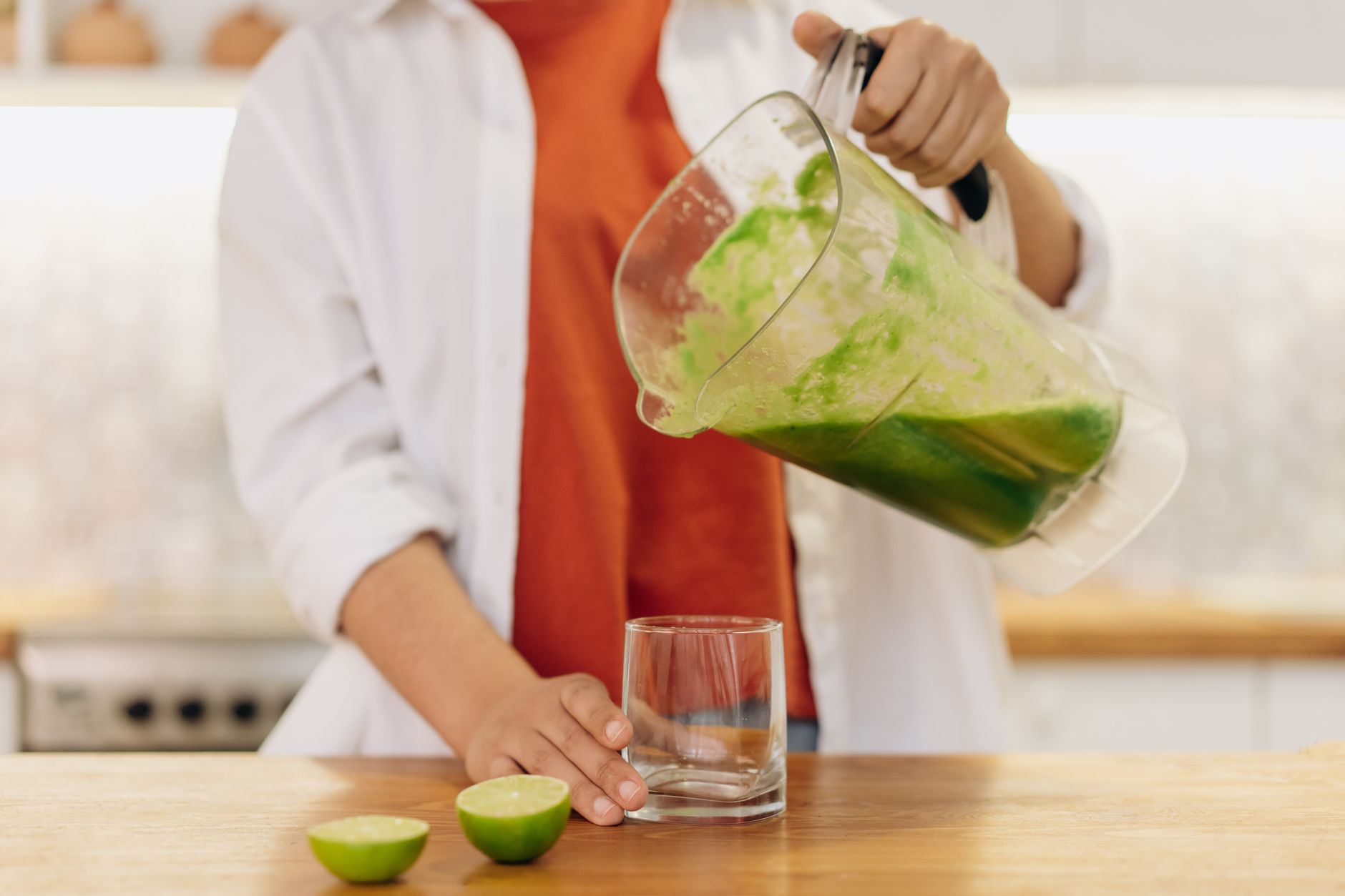
Juice cleanses, which involve consuming only fruit and vegetable juices for a defined period, are often promoted for "detoxification" and health reset. From a clinical perspective, it is essential to separate popular claims from the physiological evidence. The human body possesses highly efficient, intrinsic detoxification systems primarily involving the liver, kidneys, gastrointestinal tract, and skin. There is no high-quality scientific evidence that juice cleanses enhance these natural processes or "flush" toxins more effectively.
The primary clinical rationale for a short-term, structured juice regimen is not detoxification, but rather as a potential tool for dietary pattern interruption. It can serve as a short-term, hyper-palatable method to increase micronutrient intake and may help some individuals temporarily reduce their consumption of ultra-processed foods, added sugars, and saturated fats. The potential benefits, where they exist, are generally attributed to this brief shift in dietary composition, not to a cleansing mechanism.
Clinical Insight: In practice, clinicians view juice cleanses with caution. While the influx of vitamins, minerals, and phytonutrients can be beneficial, the regimen is inherently imbalanced, providing minimal protein, fat, and fiber. This can lead to side effects like fatigue, headaches, blood sugar dysregulation, and disruptions to gut motility. The term "cleanse" itself can perpetuate problematic relationships with food. A more sustainable approach is to integrate nutrient-dense juices into a balanced diet, rather than using them as a sole source of nutrition.
It is critical to understand the limitations and risks. The evidence supporting specific long-term health benefits of juice cleanses is limited and often of low quality. Short-term weight loss is common but is primarily from water loss and reduced calorie intake, not fat loss, and is typically regained.
Who should exercise extreme caution or avoid juice cleanses? This approach is not appropriate for:
- Individuals with diabetes or prediabetes, due to risks of glycemic spikes and hypoglycemia.
- Those with kidney disease, as high oxalate or potassium content in some juices can be dangerous.
- Pregnant or breastfeeding individuals.
- People with a history of eating disorders.
- Anyone on certain medications, especially diuretics or blood sugar-lowering drugs.
Consulting a physician or a registered dietitian before beginning any restrictive dietary plan is strongly advised. The following chapters present a structured plan designed with clinical awareness, focusing on nutrient density and safety over unsubstantiated cleansing claims.
2. Evidence and Physiological Mechanisms

Claims surrounding juice cleanses often center on "detoxification" and "resetting" the body. It is crucial to separate the physiological mechanisms supported by evidence from popular assertions lacking scientific backing.
What the Evidence Supports
The primary, evidence-based mechanism of a short-term juice cleanse is a significant, temporary reduction in caloric and macronutrient intake. This creates a state of mild energy deficit, which can lead to:
- Initial Weight Loss: This is predominantly due to a loss of water weight (as glycogen stores are depleted) and reduced intestinal contents, not meaningful fat loss.
- Increased Micronutrient Intake: Juices from a variety of fruits and vegetables can provide a concentrated source of vitamins, minerals, and phytonutrients, potentially correcting suboptimal intakes.
- Reduced Intake of Processed Foods: By eliminating solid food, the plan inherently avoids added sugars, refined grains, and unhealthy fats, which may reduce systemic inflammation in the short term.
Gaps and Unsupported Claims
The human body possesses highly efficient, endogenous detoxification systems primarily involving the liver, kidneys, gastrointestinal tract, and skin. There is no robust clinical evidence that juice cleanses enhance these processes beyond their normal capacity. Claims of "flushing toxins" or "cleansing organs" are not substantiated by physiology.
Furthermore, the restrictive nature eliminates essential macronutrients:
- Protein & Fat Deficiency: Lack of protein can lead to muscle catabolism, while absence of dietary fats impairs the absorption of fat-soluble vitamins (A, D, E, K) present in the juices.
- Fiber Removal: Juicing strips away most insoluble fiber, which is critical for gut health, satiety, and blood sugar regulation.
Clinical Perspective: From a physiological standpoint, a short juice regimen is best understood as a brief period of modified fasting with micronutrient supplementation. Any perceived benefits, such as increased energy or mental clarity, are more likely attributable to hydration, high-dose vitamins, and the placebo effect rather than "detoxification." The body does not require external "cleansing" to function optimally.
Important Cautions
This approach is not suitable for everyone and carries risks. Individuals who should avoid juice cleanses or consult a physician first include those with:
- Diabetes or blood sugar dysregulation
- Kidney disease
- Electrolyte imbalances
- A history of eating disorders
- Pregnancy or lactation
- Those taking medications, especially for diabetes or blood pressure
The evidence suggests that while a short-term juice plan may offer a structured break from habitual eating patterns, its long-term health impact is minimal without subsequent sustainable dietary changes.
3. Risks and Contraindications
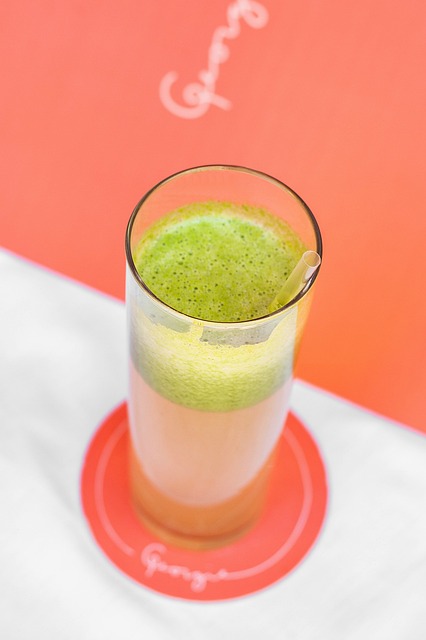
While short-term juice cleanses are popular, they carry significant physiological risks and are contraindicated for many individuals. A clinically responsible approach requires understanding these potential harms to make an informed decision.
Primary Physiological Risks
The core risks stem from severe caloric and nutrient restriction. Juice lacks adequate protein, essential fatty acids, and fiber, which can lead to:
- Muscle Catabolism: The body may break down muscle tissue for amino acids, leading to loss of lean mass and a slowed metabolic rate.
- Blood Sugar Dysregulation: Juices, especially fruit-based ones, can cause rapid spikes and subsequent crashes in blood glucose, resulting in fatigue, irritability, and cravings.
- Electrolyte Imbalances: Prolonged juice-only consumption can disrupt sodium, potassium, and magnesium levels, potentially causing dizziness, heart palpitations, and muscle cramps.
- Digestive Discomfort: The sudden high influx of simple sugars and lack of fiber can disrupt gut motility, leading to bloating, gas, or diarrhea.
Clinical Perspective: From a metabolic standpoint, the body perceives a severe calorie deficit as a stressor. The initial weight loss is predominantly water weight and glycogen, not fat. Furthermore, the lack of protein and fat fails to provide the sustained energy and satiety hormones needed for stable mood and cognitive function, which is why many participants report brain fog and irritability.
Who Should Avoid a Juice Cleanse (Contraindications)
Juice cleanses are not appropriate for everyone. They are strongly contraindicated for individuals with the following conditions:
- Diabetes or Prediabetes: Due to the high sugar content and risk of dangerous blood glucose fluctuations.
- Kidney Disease: Some juices are high in potassium and oxalates, which can be harmful if kidney function is impaired.
- Pregnancy or Lactation: These periods require consistent, high-quality nutrition for fetal and infant development.
- History of Eating Disorders: Restrictive protocols can trigger disordered eating patterns and relapse.
- Individuals on Certain Medications: Those taking diuretics, insulin, oral hypoglycemics, or blood pressure medications risk dangerous interactions from electrolyte shifts and blood sugar changes.
Essential Precautions
If considering a short-term cleanse despite the risks, certain non-negotiable precautions apply. Consulting a physician or a registered dietitian beforehand is imperative, especially if you have any chronic health conditions or take medications. Limit the duration to a maximum of 3 days to mitigate risks of nutrient deficiencies. Ensure the juices include a variety of vegetables to minimize sugar intake and consider adding a source of protein or healthy fat, like a small amount of nut butter or a protein powder, if medically appropriate. Most importantly, view it as a short-term reset, not a solution for weight loss or detoxification, for which there is no robust scientific evidence.
4. Practical Takeaways and Expert-backed Recipes
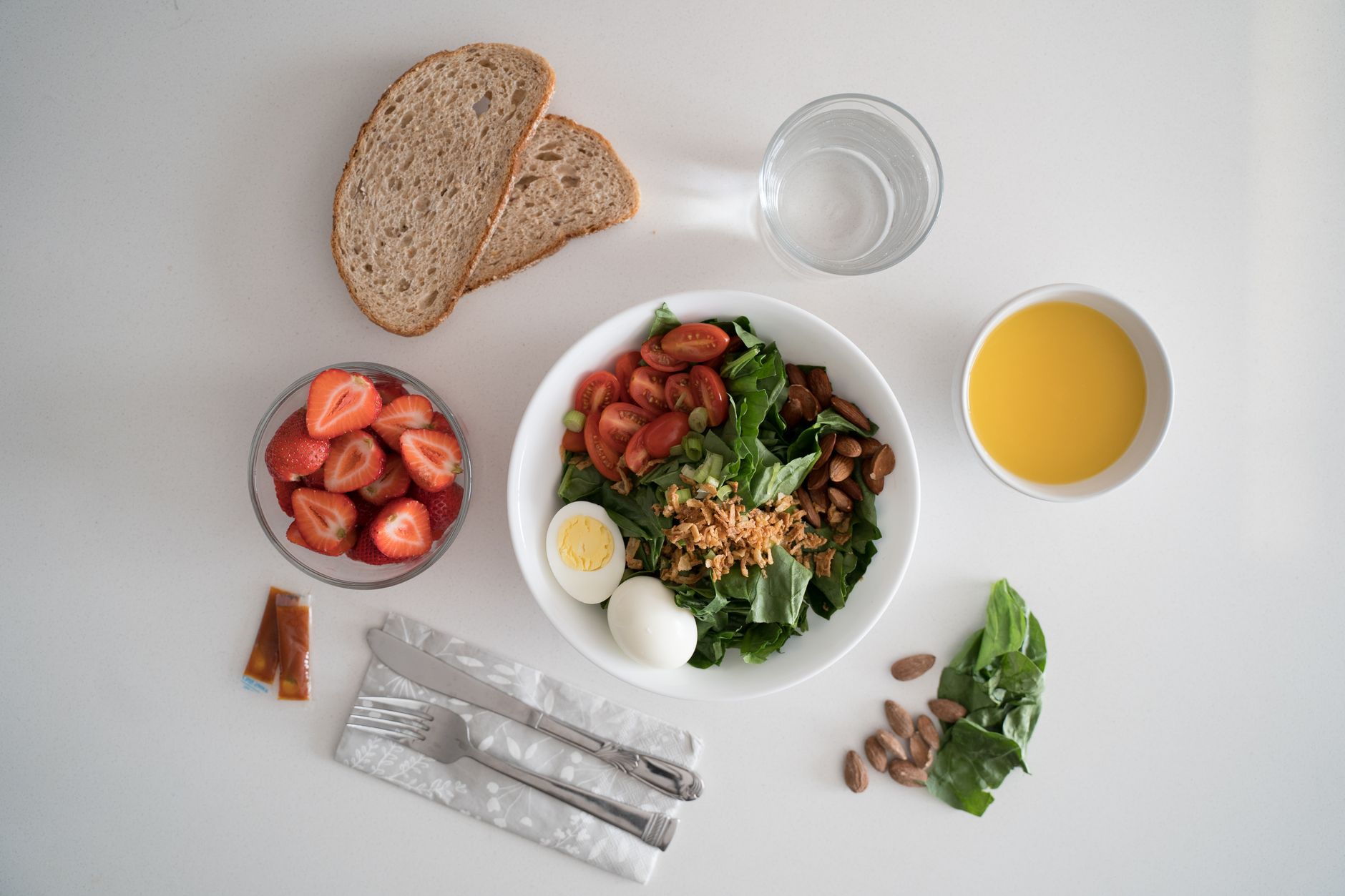
Before implementing any cleanse, it is crucial to understand its purpose and limitations. The primary evidence-based benefit of a short-term juice regimen is a temporary increase in micronutrient and phytonutrient intake. However, claims of "detoxification" or cellular cleansing are not supported by physiology; the liver and kidneys perform this function continuously. The experience can serve as a structured dietary reset, but it is not a substitute for long-term, balanced eating patterns.
Key practical takeaways for a responsible approach include:
- Duration: A 3-7 day period is commonly cited, but longer fasts increase risks of nutrient deficiencies, muscle loss, and metabolic slowdown.
- Composition: Prioritize vegetable-based juices (e.g., cucumber, celery, leafy greens) with modest amounts of lower-sugar fruits (e.g., green apple, lemon, berries) to manage glycemic load.
- Hydration: Supplement juice intake with ample water and herbal teas to support renal function.
- Transition: Ease into the plan with lighter meals for 1-2 days prior, and break the cleanse gradually with broths, steamed vegetables, and soft foods.
Clinical Insight: From a nutritional standpoint, juicing removes beneficial fiber, which is essential for gut health and blood sugar regulation. These recipes should be viewed as a short-term adjunct, not a core nutritional strategy. Individuals with diabetes, kidney disease, a history of eating disorders, or those on certain medications (e.g., for blood pressure or diabetes) should consult their physician before beginning, as drastic changes in electrolyte and sugar intake can be hazardous.
Expert-Backed Recipe Framework
The following template emphasizes nutrient density and glycemic management. Each serving should be approximately 12-16 oz (350-500 ml).
- Green Foundation (Base): 2-3 large handfuls of spinach or kale, 1 cucumber, 3-4 celery stalks.
- Low-Glycemic Sweetness/Acidity: 1 green apple, ½ lemon (peeled), or 1 cup of berries.
- Functional Add-ins (Optional): 1-inch piece of fresh ginger (anti-inflammatory), small bunch of parsley (diuretic), or ¼ teaspoon of turmeric (with a pinch of black pepper to enhance absorption).
Combine all ingredients in a high-speed juicer. Consume immediately or store in an airtight container in the refrigerator for up to 24 hours to minimize oxidation and nutrient loss. Consume 3-4 servings throughout the day, ensuring you also drink water between juices.
The evidence for long-term health benefits from juice cleanses remains limited. The most sustainable outcome is often the heightened awareness of dietary habits it can provide, potentially motivating a more plant-rich diet thereafter.
5. Safety Considerations and When to Consult a Physician
While short-term juice cleanses are popular, they are not appropriate for everyone and carry inherent physiological risks. A responsible approach requires understanding these risks and identifying individuals for whom this plan is contraindicated. The evidence supporting the purported long-term "detox" or weight-loss benefits of juice cleanses is limited and often of low quality. The primary mechanism is a severe caloric deficit, which can lead to short-term weight loss but is not a sustainable health strategy.
Key Health Risks and Contraindications
Juice cleanses can pose significant health challenges. The following individuals should avoid this plan or undertake it only under direct medical supervision:
- Individuals with diabetes or prediabetes: The high glycemic load of fruit juices can cause dangerous blood sugar spikes and instability.
- Those with kidney disease: Juices high in potassium and oxalates (e.g., spinach, beet greens) can exacerbate kidney issues.
- Pregnant or breastfeeding individuals: Nutritional demands are higher, and caloric/protein restriction is not advised.
- People with a history of eating disorders: The restrictive nature can trigger disordered eating patterns.
- Individuals on certain medications: Those on diuretics, blood pressure, diabetes, or blood-thinning medications require medical guidance, as dietary changes can alter drug efficacy.
- Anyone with active infections, gastrointestinal disorders (like IBD), or undergoing cancer treatment: Nutritional support is critical during these times.
Common side effects for others may include fatigue, headaches, dizziness, irritability, and digestive discomfort due to the sudden high fiber intake and low calorie/protein/fat content. These are signs the body is under metabolic stress.
Clinical Perspective: From a medical standpoint, the liver and kidneys are the body's primary detoxification organs, and they function optimally with balanced nutrition, not deprivation. A juice cleanse is a significant physiological stressor. The temporary weight loss is largely water and glycogen, not fat. Clinicians are more concerned with the potential for nutrient deficiencies, electrolyte imbalances, and the promotion of an unhealthy, cyclical relationship with food.
When to Consult a Physician
You should consult a physician or a registered dietitian before starting any restrictive plan like this. This is non-negotiable if you fall into any of the high-risk categories above. Furthermore, you must stop immediately and seek medical advice if you experience:
- Severe dizziness, fainting, or heart palpitations.
- Significant weakness or confusion.
- Persistent nausea or vomiting.
- Signs of severe dehydration (e.g., very dark urine, extreme thirst, inability to urinate).
The safest approach is to view any cleanse not as a standalone solution, but as a potential short-term reset that must be followed by a sustainable, whole-food-based diet for lasting health benefits.
6. Questions & Expert Insights
Will a 7-day juice cleanse help me lose weight and keep it off?
You will likely lose weight during a 7-day juice cleanse, but it is crucial to understand the nature of this weight loss. The severe calorie restriction leads to a rapid depletion of glycogen (stored carbohydrates), which binds water. This results in significant initial water weight loss. Some fat loss may also occur due to the calorie deficit. However, this approach is not sustainable. The weight loss is often temporary, and most people regain the weight quickly once they resume a normal diet. Furthermore, prolonged very-low-calorie intake can slow your metabolism as the body adapts to conserve energy, a process known as adaptive thermogenesis. For lasting weight management, evidence strongly supports a balanced, nutrient-dense whole-food diet combined with regular physical activity over short-term, restrictive protocols.
What are the main risks and who should absolutely avoid a juice cleanse?
Juice cleanses carry several notable risks. The lack of protein and fat can lead to muscle loss, fatigue, headaches, dizziness, and blood sugar dysregulation. The high oxalate content in some green juices (e.g., spinach, beet greens) may pose a risk for kidney stones in susceptible individuals. The plan is contraindicated for many people. You should avoid a juice cleanse if you: are pregnant or breastfeeding; have diabetes, hypoglycemia, or significant blood sugar issues; have kidney disease or a history of kidney stones; have a history of eating disorders; are taking medications that require food for absorption or affect blood sugar/electrolytes; or have any chronic metabolic condition. The absence of fiber in juiced fruits and vegetables also removes benefits for gut health and satiety.
Is a juice cleanse an effective way to "detox" or "reset" my body?
The concept of a "detox" via juice is not supported by human physiology. Your body has highly efficient, built-in detoxification systems—primarily the liver, kidneys, lungs, and gastrointestinal tract. There is no high-quality scientific evidence that juice cleanses enhance the function of these organs. In fact, the liver requires adequate protein to perform its detoxification pathways. A juice cleanse may deprive it of this essential nutrient. The feeling of a "reset" some people report is more likely due to the elimination of processed foods, alcohol, and excess sodium, not the juices themselves. You can achieve these benefits by adopting a whole-food, plant-forward diet without the risks of extreme calorie and nutrient restriction.
When should I talk to my doctor before considering a cleanse, and what should I discuss?
You should consult your primary care physician or a registered dietitian before starting any restrictive dietary plan, especially one as extreme as a week-long juice cleanse. This is non-negotiable if you have any pre-existing health condition or take regular medications. Prepare for the conversation by bringing: 1) A detailed list of all medications and supplements you take, 2) Your personal health history (e.g., diabetes, kidney issues, eating disorders), and 3) The specific cleanse plan, including daily calorie estimates and ingredient lists. Ask your doctor: "Given my health profile and medications, what specific risks does this plan pose for me?" and "Are there safer, evidence-based alternatives to achieve my health goals?" This allows for personalized, clinically responsible guidance.
7. In-site article recommendations
8. External article recommendations
9. External resources
The links below point to reputable medical and evidence-based resources that can be used for further reading. Always interpret them in the context of your own situation and your clinician’s advice.
-
drugs drugs.comjuice cleanse – Drugs.com (search)
-
examine examine.comjuice cleanse – Examine.com (search)
-
healthline healthline.comjuice cleanse – Healthline (search)
These external resources are maintained by third-party organisations. Their content does not represent the editorial position of this site and is provided solely to support readers in accessing additional professional information.