
1. Introduction to High-Fiber Meal Prep for Busy Professionals
For busy professionals, the challenge of maintaining a nutritious diet is often a matter of logistics, not willpower. A structured meal prep system can be a practical solution, and focusing on high-fiber foods offers a scientifically supported foundation for health. Dietary fiber, found in plant-based foods like vegetables, fruits, legumes, and whole grains, is not a single nutrient but a category of carbohydrates that resist digestion. Its benefits are well-documented in large-scale epidemiological studies and clinical trials.
Consistent intake of adequate fiber is associated with several key health outcomes:
- Digestive Health: Fiber adds bulk to stool and supports regular bowel movements, a benefit with strong evidence from numerous studies.
- Cardiometabolic Support: Soluble fiber can help moderate blood sugar levels and support healthy cholesterol profiles. The evidence for these effects is robust, particularly for beta-glucan from oats and psyllium husk.
- Satiety and Weight Management: High-fiber foods promote feelings of fullness, which can help with calorie management. This is supported by a substantial body of research, though individual results vary based on overall diet and metabolism.
However, the modern professional's diet is often characterized by convenience foods that are typically low in fiber. A deliberate, pre-planned approach helps bridge this gap, ensuring that nutritious options are readily available during a hectic workweek, reducing reliance on less optimal choices.
Clinical Perspective: While increasing fiber intake is broadly recommended, it must be done gradually. A sudden, significant increase can cause gastrointestinal discomfort, including bloating and gas. Individuals with certain medical conditions, such as inflammatory bowel disease (IBD), a history of bowel obstructions, or those on very low-fiber therapeutic diets, should consult a gastroenterologist or registered dietitian before making major dietary changes. Furthermore, adequate hydration is non-negotiable when increasing fiber; without sufficient fluid intake, fiber can exacerbate constipation.
This chapter introduces a framework for integrating high-fiber meal prep into a demanding schedule. The goal is not perfection but consistency—creating a system that is sustainable, evidence-based, and adaptable to individual needs and preferences. The following sections will provide practical strategies for planning, preparing, and storing meals that prioritize this essential nutrient.
2. Evidence Supporting High-Fiber Diets
The recommendation to increase dietary fiber intake is one of the most consistently supported positions in modern nutritional science. Decades of large-scale epidemiological studies and clinical trials have established a clear, dose-dependent relationship between higher fiber consumption and significant reductions in the risk of several major chronic diseases.
The evidence is strongest and most robust for the following health outcomes:
- Cardiovascular Disease: A high-fiber diet, particularly rich in soluble fiber (found in oats, barley, legumes, and apples), is associated with lower LDL ("bad") cholesterol levels and reduced risk of coronary heart disease and stroke. This effect is mediated through multiple mechanisms, including binding bile acids and modestly improving blood pressure.
- Type 2 Diabetes Management and Prevention: Fiber, especially from whole grains, slows glucose absorption, helping to improve glycemic control. Cohort studies consistently show that individuals with the highest fiber intake have a significantly lower risk of developing type 2 diabetes.
- Colorectal Health: While the evidence for preventing colorectal cancer is more complex than once thought, a high-fiber diet promotes regular bowel movements, helps prevent constipation, and is a key dietary component for managing diverticular disease.
Furthermore, fiber's role in promoting satiety and supporting a healthy gut microbiome—the community of bacteria in your digestive tract—is well-documented. A diverse microbiome is linked to improved immune function and metabolic health.
Clinical Perspective: From a practical standpoint, we view fiber not as a single "miracle" nutrient but as a marker of overall diet quality. Increasing fiber intake almost invariably means consuming more whole plant foods—vegetables, fruits, legumes, and whole grains—which displaces less healthy, ultra-processed options. This dietary pattern shift is responsible for much of the observed benefit.
It is important to note that while the benefits are clear, some evidence areas have limitations. For instance, large intervention trials on fiber and cancer prevention are challenging to conduct, leading to ongoing research and nuanced interpretations.
Who Should Proceed with Caution? Individuals with certain gastrointestinal conditions, such as active inflammatory bowel disease (IBD), Crohn's disease flare-ups, or a history of bowel obstructions, should consult a gastroenterologist before drastically increasing fiber. Those with chronic kidney disease may need to monitor specific types of high-fiber foods (like certain whole grains and legumes) for potassium and phosphorus content. A gradual increase in fiber with adequate water intake is universally recommended to minimize bloating or gas.
In summary, the scientific consensus strongly supports a high-fiber diet as a foundational element of long-term health. For busy professionals, systematically incorporating fiber into a meal prep plan is a strategic, evidence-based approach to disease prevention and daily well-being.
3. Risks and Contraindications of High-Fiber Diets
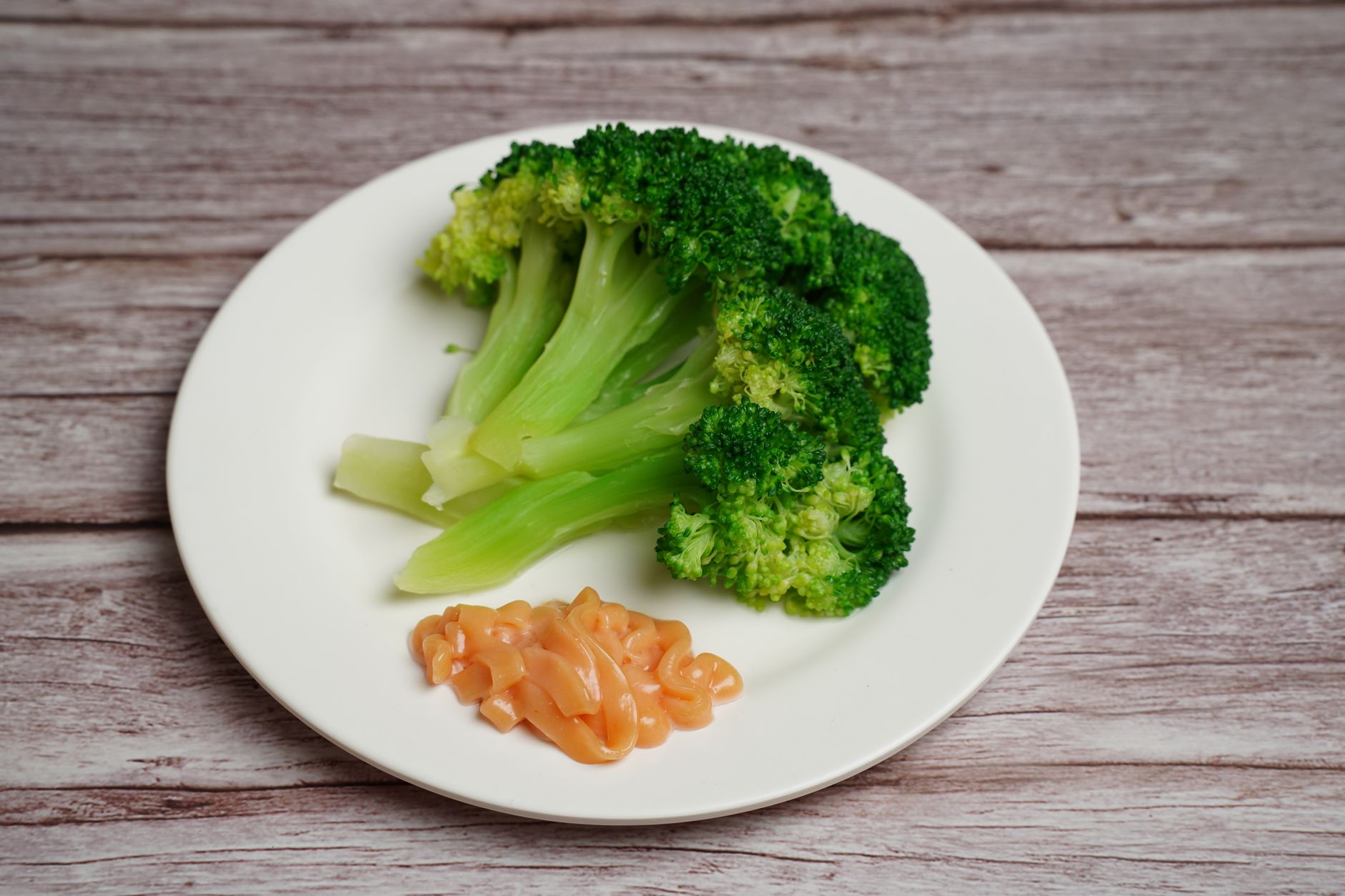
While a high-fiber diet is broadly recommended for its benefits to digestive health, cardiovascular function, and blood sugar regulation, a rapid or poorly managed increase in fiber intake can lead to significant adverse effects. Acknowledging these risks is essential for a safe and effective dietary transition, particularly for busy professionals implementing a structured meal prep system.
Common Adverse Effects and Mitigation
The most frequently reported issues are gastrointestinal and are strongly supported by clinical evidence. A sudden spike in fiber, especially insoluble fiber, can overwhelm the digestive system.
- Bloating, Gas, and Abdominal Cramping: These occur as gut bacteria ferment soluble fiber. The evidence is clear that a gradual increase over several weeks, coupled with adequate hydration, significantly reduces these symptoms.
- Constipation or Diarrhea: Paradoxically, both can occur. Insufficient fluid intake with increased fiber can worsen constipation, while a large influx of certain fibers may cause loose stools. The consistent recommendation is to increase water intake proportionally with fiber.
Clinical Insight: In practice, we advise patients to increase fiber by about 5 grams per day each week, aiming for the recommended 25-38 grams daily. We emphasize that fiber is not a monolith—soluble fibers (oats, beans, apples) and insoluble fibers (wheat bran, vegetables) have different effects. Balancing both types and listening to your body's response is key to avoiding discomfort.
Specific Contraindications and Precautions
Certain medical conditions necessitate extreme caution or medical supervision before significantly altering fiber intake. Individuals with the following should consult a physician or registered dietitian:
- Inflammatory Bowel Disease (IBD) Flares: During active Crohn's disease or ulcerative colitis flares, high-fiber foods can irritate the inflamed intestinal lining and exacerbate symptoms. A low-residue diet is often temporarily prescribed.
- History of Bowel Obstruction or Strictures: High fiber, particularly insoluble fiber, can pose a risk of blockage in narrowed intestines.
- Chronic Kidney Disease (CKD): Many high-fiber foods like beans, nuts, and whole grains are also high in potassium and phosphorus, minerals that must be restricted in advanced CKD. Dietary changes require nephrology guidance.
- Those on Specific Medications: High fiber can interfere with the absorption of certain drugs, including some antidepressants (tricyclics), thyroid medications (levothyroxine), and certain heart medications. Taking these medications at least 2-3 hours apart from a high-fiber meal is a standard precaution.
The evidence for fiber's long-term health benefits is robust, but its implementation must be individualized. Starting slowly, prioritizing hydration, and seeking personalized medical advice if you have underlying health conditions are non-negotiable steps for a safe and sustainable high-fiber diet.
4. Practical 7-Day Meal Prep Implementation
Implementing a structured meal prep system requires a methodical approach to ensure nutritional adequacy, safety, and sustainability. The following framework is based on general principles of dietary planning and time management, which have demonstrated efficacy in supporting adherence to dietary patterns. The core strategy involves a single weekly session of 2–3 hours, divided into sequential phases.
The Weekly Prep Session: A Three-Phase Approach
- Preparation & Cooking (90 minutes): Begin by washing, chopping, and roasting a large batch of non-starchy vegetables (e.g., broccoli, bell peppers, carrots). Simultaneously, cook a whole grain base like quinoa or brown rice and a lean protein source such as baked chicken breast or lentils in bulk.
- Assembly & Portioning (60 minutes): Using a set of uniform containers, assemble complete meals. A balanced template includes: half the container filled with vegetables, one-quarter with whole grains, and one-quarter with protein. Add a source of healthy fat, like a sprinkle of seeds or a drizzle of olive oil, upon serving.
- Storage & Labeling (15 minutes): Store assembled meals in the refrigerator for consumption within 3–4 days. Meals intended for days 5–7 should be placed in the freezer immediately to preserve quality and prevent bacterial growth. Clearly label containers with the date.
Evidence-Based Considerations & Cautions
High-fiber meal prep is widely recommended for its association with improved satiety, glycemic control, and digestive health. However, individuals with certain medical conditions should proceed with caution and seek guidance from a physician or registered dietitian.
- Irritable Bowel Syndrome (IBS): A rapid increase in fiber, particularly certain types (e.g., cruciferous vegetables, legumes), can exacerbate symptoms like bloating and gas. A gradual introduction is critical.
- Chronic Kidney Disease: Pre-portioned meals must be planned with care to manage potassium and phosphorus levels, which can be high in many high-fiber plant foods.
- History of Disordered Eating: Rigid meal planning and portion control can be triggering. A more flexible approach developed with a clinical professional is advised.
Clinical Insight: From a nutritional standpoint, the primary benefit of this system is the reduction of daily decision fatigue, which is a significant barrier to consistent healthy eating. The evidence for meal prepping is strongest for short-term weight management and improving dietary quality. Long-term adherence data is more limited and highly individual. The safety of refrigerated pre-cooked meals depends on strict hygiene during preparation and rapid cooling; when in doubt, freeze for safety.
For most individuals, this systematic approach can effectively translate nutritional intentions into consistent daily practice. The key to success lies in adapting the template to personal taste preferences and schedule, ensuring the plan remains practical and enjoyable.
5. Safety Guidelines and When to Consult a Healthcare Provider

While a high-fiber meal plan offers well-established benefits for digestive health, blood sugar regulation, and satiety, a rapid or significant increase in dietary fiber is not without potential side effects. Adopting this 7-day system requires a measured approach to ensure safety and comfort.
Implementing Changes Safely
The most common adverse effects are gastrointestinal, including bloating, gas, and abdominal discomfort. These are typically transient but can be minimized.
- Gradual Increase: If your current diet is low in fiber, do not jump to the full plan immediately. Consider implementing it over 2-3 weeks, gradually increasing portions of high-fiber foods like legumes, whole grains, and cruciferous vegetables.
- Adequate Hydration: Fiber absorbs water. A significant increase in fiber intake without a corresponding increase in fluid intake can lead to constipation. Aim for at least 2-3 liters of water daily.
- Listen to Your Body: Note how different high-fiber foods affect you. Soaking beans and lentils, thoroughly cooking vegetables, and chewing well can improve digestibility.
Clinical Insight: In practice, we see the most issues when individuals make an abrupt, major dietary shift. The goal is to increase microbial diversity and gut adaptation gradually. Sudden, large loads of fermentable fibers (FODMAPs) can exacerbate symptoms in individuals with underlying visceral hypersensitivity or conditions like irritable bowel syndrome (IBS).
Who Should Exercise Caution or Consult a Provider First?
This meal prep system is a general guide. Certain individuals should seek personalized medical or nutritional advice before proceeding, as a standard high-fiber diet may be inappropriate or require modification.
- Individuals with Chronic Digestive Conditions: Those diagnosed with IBS, inflammatory bowel disease (IBD—Crohn's disease, ulcerative colitis), gastroparesis, or a history of bowel obstructions must consult their gastroenterologist or a registered dietitian.
- People with Chronic Kidney Disease (CKD): Some high-fiber foods, like beans, nuts, and whole grains, are also high in potassium and phosphorus. Patients with advanced CKD often require restricted intake of these minerals.
- Those on Specific Medications: High-fiber diets can interfere with the absorption of certain medications, including some thyroid medications (levothyroxine), certain antidepressants, and specific heart medications. Taking these medications at a different time than fiber-rich meals (usually 2-4 hours apart) is often advised, but you should confirm this with your pharmacist or doctor.
- Individuals with a History of Eating Disorders: Structured meal plans can sometimes trigger unhealthy patterns. Working with a therapist or dietitian specializing in eating disorders is crucial.
- Anyone Experiencing Persistent Symptoms: If you develop severe abdominal pain, persistent constipation or diarrhea, unexplained weight loss, or blood in stool after dietary changes, discontinue the plan and consult a healthcare provider promptly to rule out other conditions.
In summary, while the evidence for the health benefits of a high-fiber diet is robust, its implementation must be individualized. When in doubt, or if you fall into one of the above categories, a consultation with your primary care physician or a registered dietitian is the most responsible first step.
6. Questions & Expert Insights
Can a high-fiber meal prep plan really help with weight management?
Evidence suggests that increasing dietary fiber can be a supportive component of a weight management strategy, but it is not a standalone solution. Fiber-rich foods, particularly soluble fiber from sources like oats, beans, and apples, promote satiety by slowing gastric emptying and modulating hunger hormones like ghrelin. This can naturally lead to reduced overall calorie intake. Furthermore, many high-fiber foods are less energy-dense, allowing for larger, more satisfying portions. However, the overall context of your diet—total calories, macronutrient balance, and physical activity—remains paramount. Relying solely on increased fiber without considering these other factors is unlikely to produce significant or sustainable weight loss. The evidence is strongest for fiber as part of a comprehensive, balanced dietary pattern.
What are the potential side effects or risks of suddenly increasing my fiber intake?
A rapid, significant increase in dietary fiber—common when starting a structured plan—can cause gastrointestinal discomfort, including bloating, gas, cramping, and changes in bowel habits (either constipation or diarrhea). This is because your gut microbiota needs time to adjust to the new substrate. To mitigate this, it is crucial to increase fiber gradually over several weeks and to ensure adequate hydration, as fiber absorbs water. There are specific individuals who should exercise extreme caution or avoid a standard high-fiber approach without medical supervision: those with active inflammatory bowel disease (e.g., Crohn's flare), certain types of chronic constipation or intestinal strictures, a history of bowel obstruction, or those on very low-residue diets prescribed post-surgery.
I have a chronic health condition. When should I talk to my doctor before starting this?
Consulting a physician or a registered dietitian is strongly advised before making major dietary changes if you have a chronic condition. This is particularly important for individuals with diabetes (to adjust medication for changed carb/fiber intake), chronic kidney disease (to manage potassium and phosphorus from many high-fiber foods), active gastrointestinal disorders, or a history of disordered eating. Before your appointment, prepare a summary of the planned meal prep system, including example foods and their approximate fiber content. Bring a list of your current medications and supplements. This allows your healthcare provider to assess potential interactions (e.g., fiber can interfere with the absorption of some medications like levothyroxine or certain antidepressants, which should be taken at a different time) and tailor advice to your specific health status and nutritional needs.
Is there strong evidence that meal prepping itself has health benefits, or is it just about convenience?
Research indicates that the practice of meal prepping is associated with several positive dietary outcomes, extending beyond mere convenience. Observational studies consistently link meal planning and preparation to a higher diet quality, greater variety of foods consumed, and better adherence to nutritional guidelines. It is thought to reduce reliance on ultra-processed convenience foods and impulsive, less-nutritious choices. However, it is important to note that much of this evidence is correlational; it may be that individuals who are already health-conscious are more likely to meal prep. The act of prepping likely facilitates, rather than directly causes, better eating habits by removing daily decision fatigue and barriers. The specific nutritional benefit, therefore, depends entirely on the quality of the foods you choose to prep.
7. In-site article recommendations
8. External article recommendations
9. External resources
The links below point to reputable medical and evidence-based resources that can be used for further reading. Always interpret them in the context of your own situation and your clinician’s advice.
-
drugs drugs.comhigh-fiber meal prep – Drugs.com (search)
-
healthline healthline.comhigh-fiber meal prep – Healthline (search)
-
mayoclinic mayoclinic.orghigh-fiber meal prep – Mayo Clinic (search)
These external resources are maintained by third-party organisations. Their content does not represent the editorial position of this site and is provided solely to support readers in accessing additional professional information.