
1. Introduction to Paleo Diet Principles and Hunger Management

The Paleo diet is a nutritional framework based on the premise of eating foods presumed to be available to humans during the Paleolithic era. Its core principle is to focus on whole, unprocessed foods while eliminating modern agricultural products. The proposed mechanism for hunger control is rooted in stabilizing blood sugar and hormonal responses, primarily by reducing refined carbohydrates and increasing protein and fiber intake.
The diet typically emphasizes:
- Proteins: Meat, poultry, fish, and eggs.
- Non-starchy vegetables and fruits.
- Healthy fats from nuts, seeds, avocados, and certain oils (e.g., olive, coconut).
It concurrently excludes grains, legumes, refined sugars, most dairy, and processed foods. The elimination of these food groups is theorized to reduce inflammation and improve satiety signals, though the evidence for these specific exclusions is mixed and remains a point of debate in nutritional science.
Clinical Perspective on Hunger Management: The satiating effect of a Paleo-style diet is likely attributable to its macronutrient profile, not its historical narrative. High protein intake promotes the release of satiety hormones like peptide YY and GLP-1. Furthermore, replacing refined carbs with vegetables and healthy fats can lead to more stable glucose levels, potentially reducing the rapid hunger spikes associated with blood sugar crashes. However, individual responses vary significantly.
Evidence from randomized controlled trials suggests that Paleo diets can lead to greater short-term satiety and weight loss compared to some standard diets. These effects are often linked to higher protein consumption and reduced calorie density. It is crucial to note that long-term sustainability and health outcomes beyond one year are less clearly established, and much of the research involves small sample sizes.
Individuals with certain health conditions should exercise caution or consult a physician or registered dietitian before starting a Paleo diet. This includes those with kidney disease (due to potentially high protein load), a history of disordered eating (due to restrictive rules), or individuals on specific medications, particularly for diabetes, as dietary changes can significantly alter medication requirements.
2. Evidence-Based Mechanisms for Satiety on a Paleo Diet

The satiating effect of a Paleo-style diet is not a singular phenomenon but the result of several interconnected physiological mechanisms. These mechanisms are primarily driven by the diet's macronutrient composition and its exclusion of ultra-processed foods. Understanding this evidence-based framework explains why many individuals report reduced hunger without conscious calorie restriction.
Primary Mechanisms Supported by Strong Evidence
The most robust evidence points to the role of high protein and fiber intake, coupled with a low glycemic load.
- Increased Protein Intake: Protein is the most satiating macronutrient. It increases the secretion of hormones like peptide YY (PYY) and glucagon-like peptide-1 (GLP-1), which signal fullness to the brain. A Paleo diet, rich in meat, fish, and eggs, typically elevates protein consumption well above standard dietary averages.
- High Fiber from Non-Starchy Vegetables and Fruits: Soluble fiber absorbs water, forming a gel that slows gastric emptying and nutrient absorption. This promotes a prolonged feeling of fullness and stabilizes post-meal blood sugar levels, preventing the rapid spikes and crashes that trigger hunger.
- Elimination of Hyper-Palatable, Ultra-Processed Foods: By removing refined sugars, refined grains, and industrial seed oils, the diet inherently avoids foods engineered to override natural satiety signals. This can help recalibrate hunger cues.
Contributing Factors with Preliminary or Mechanistic Support
Other factors are plausible but supported by more limited or mixed human trial data specific to the Paleo framework.
- Higher Fat Intake: Dietary fats stimulate the release of cholecystokinin (CCK), a satiety hormone. The emphasis on whole-food fats (e.g., from avocados, nuts, olive oil) may contribute to meal satisfaction, though the evidence for fat's independent satiety effect is less potent than for protein and fiber.
- Ketosis as a Potential Contributor: A lower-carbohydrate iteration of the Paleo diet may induce mild nutritional ketosis. Ketone bodies themselves may have appetite-suppressing effects, though this is more consistently observed in very low-carbohydrate ketogenic diets rather than moderate-carb Paleo approaches.
Clinical Perspective: The satiety benefit largely stems from a whole-food, high-protein, high-fiber dietary pattern, which is not exclusive to Paleo but is central to its structure. It's crucial to note that long-term, large-scale trials on the Paleo diet's satiety effects are limited. Most evidence is extrapolated from studies on its individual components (protein, fiber) or from short-term intervention studies.
Important Cautions: Individuals with chronic kidney disease should not significantly increase protein intake without medical supervision. Those with a history of disordered eating should approach any restrictive dietary pattern with caution and under the guidance of a healthcare team. As with any major dietary change, consulting a physician or registered dietitian is advised, particularly for those on medication for diabetes or hypertension, as needs may change.
3. Risks, Contraindications, and Populations to Approach with Caution

While the Paleo diet can be a structured approach to eating whole foods, it is not universally appropriate. Its restrictive nature and specific macronutrient profile necessitate a careful, individualized assessment of potential risks and contraindications. A proactive consultation with a healthcare provider or registered dietitian is strongly advised before commencing any significant dietary change, particularly for individuals with pre-existing health conditions.
Populations Requiring Medical Supervision
Certain groups should not undertake a Paleo plan without direct medical guidance:
- Individuals with Kidney Disease: The typically higher protein intake of a Paleo diet can increase the renal acid load and glomerular filtration rate, potentially exacerbating chronic kidney disease (CKD).
- Those with Osteoporosis or High Fracture Risk: The exclusion of dairy, a primary source of calcium and vitamin D in many diets, may pose a risk to bone mineral density if these nutrients are not adequately replaced through other foods or supplementation.
- People with Active Gallbladder Disease: A sudden increase in dietary fat, as can occur when adding more nuts, seeds, and oils, may precipitate gallstone pain or attacks.
- Individuals with a History of Disordered Eating: The diet's framework of "allowed" and "excluded" foods can reinforce rigid, all-or-nothing thinking, which is contraindicated in eating disorder recovery.
Common Nutritional and Practical Concerns
Even for generally healthy individuals, several areas require mindful planning to mitigate risks:
- Fiber and Gut Health: Eliminating all grains and legumes removes significant sources of prebiotic fiber. This can negatively alter gut microbiota and lead to constipation if not compensated for by a very high intake of non-starchy vegetables and some fruits.
- Potential for Nutrient Gaps: Key nutrients like calcium, vitamin D, iodine (from iodized salt), and certain B vitamins (abundant in fortified grains) may become deficient without careful food selection or supplementation.
- Social and Financial Burden: The diet can be socially isolating and more expensive, as it emphasizes grass-fed meats, wild-caught fish, and organic produce, which may not be accessible or sustainable for all.
Clinical Perspective: From a medical standpoint, the primary concern is the diet's prescriptiveness. It applies a single historical template to modern, diverse human populations with varying metabolic needs, genetics, and health statuses. The evidence for its long-term superiority over other balanced, whole-food diets is mixed. The most sustainable and health-promoting approach is often a flexible pattern focused on food quality, not a strict list of exclusions. Any diet that promises hunger control should be evaluated for its potential to inadvertently promote an unhealthy preoccupation with food rules.
In summary, a 7-day Paleo meal plan may offer a short-term experiment in whole-food eating for some, but it carries notable contraindications. A personalized evaluation of one's health status, nutritional needs, and psychological relationship with food is an essential prerequisite.
4. Actionable Guidance for a 7-Day Paleo Meal Plan
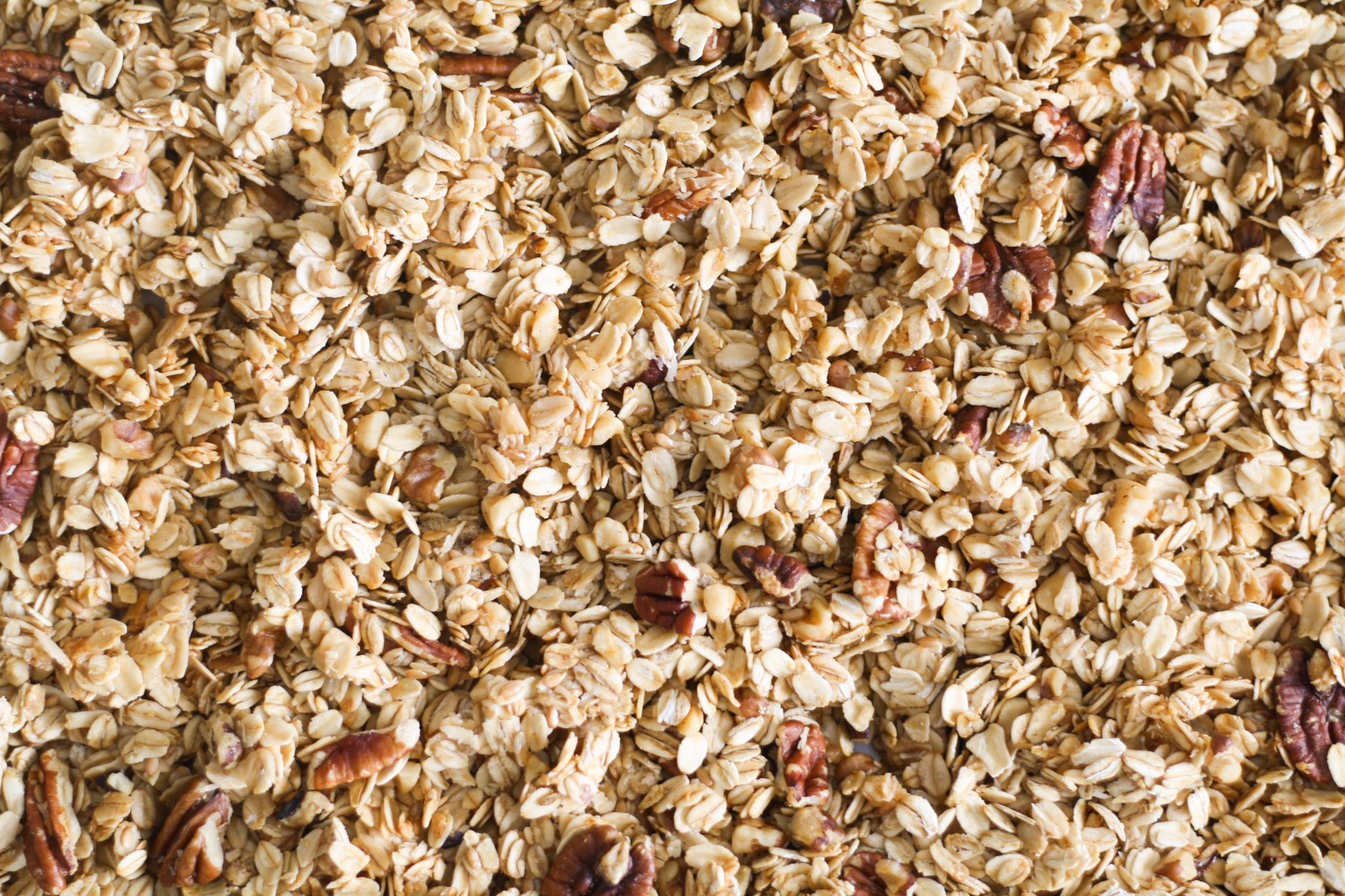
This seven-day framework is designed to provide structure while emphasizing whole foods that promote satiety. The plan eliminates processed foods, grains, legumes, and dairy, focusing instead on lean proteins, non-starchy vegetables, healthy fats, and some fruits and nuts.
A core principle for managing hunger is to prioritize protein and fiber at every meal. These nutrients slow gastric emptying and modulate appetite-regulating hormones like ghrelin. While the Paleo diet's exclusion of entire food groups is a subject of ongoing debate in nutritional science, its emphasis on whole foods and protein is supported by evidence for satiety.
Sample 7-Day Framework
The following is a flexible template. Portions should be adjusted to individual energy needs, and all items are suggestions.
- Day 1: Scrambled eggs with spinach and mushrooms. Chicken salad with mixed greens, avocado, and olive oil dressing. Baked salmon with roasted asparagus and a side of berries.
- Day 2: Leftover salmon with sautéed kale. Large salad with grilled chicken, cucumbers, and tomatoes. Beef stir-fry with broccoli, bell peppers, and cauliflower rice.
- Day 3: Omelet with onions and peppers. Tuna salad wrapped in lettuce leaves. Herb-roasted chicken thighs with Brussels sprouts and a sweet potato.
- Days 4-7: Continue rotating similar meal structures, ensuring variety in protein sources (e.g., pork, turkey, fish) and a colorful array of vegetables.
Practical Implementation Tips
- Prepare in Advance: Batch-cook proteins and chop vegetables to simplify meal assembly during the week.
- Listen to Hunger Cues: Eat until you are satisfied, not overly full. The high satiety factor of these meals often naturally reduces caloric intake without counting.
- Stay Hydrated: Drink water throughout the day, as thirst can be mistaken for hunger.
- Include Healthy Fats: Avocado, olive oil, nuts, and seeds are crucial for sustained energy and fullness.
Clinical Consideration: While this approach can be effective for short-term satiety and weight management in healthy individuals, the long-term sustainability and nutritional adequacy of a strict Paleo diet lack consensus. Individuals with chronic kidney disease (due to high protein load), a history of disordered eating, or those on certain medications should consult a physician or registered dietitian before beginning this or any restrictive diet. The elimination of dairy and whole grains may also require careful planning to ensure adequate calcium and fiber intake.
This plan is a starting point. Individual responses to dietary patterns vary significantly based on metabolism, activity level, and underlying health. Monitoring your energy, digestion, and overall well-being is more informative than strict adherence to any single template.
5. Safety Precautions and When to Consult a Healthcare Provider

While a structured 7-day Paleo meal plan can be a useful tool for some individuals, it is not a universally appropriate dietary intervention. A clinically responsible approach requires acknowledging its limitations and identifying populations for whom this dietary pattern may pose risks.
The Paleo diet's evidence base for long-term health outcomes and sustained hunger control is mixed. Short-term studies often show benefits for weight and metabolic markers, but these are typically compared to standard Western diets. Long-term, high-quality data comparing it to other balanced, whole-food diets is limited. The restrictive nature of eliminating entire food groups (grains, legumes, dairy) also raises concerns about nutritional adequacy and long-term sustainability for many people.
Who Should Exercise Caution or Avoid This Plan
Certain individuals should not undertake this plan without prior consultation with a qualified healthcare provider or registered dietitian. This includes, but is not limited to:
- Individuals with chronic kidney disease: The typically higher protein intake of a Paleo diet may exacerbate renal strain.
- Those with a history of disordered eating: The plan's restrictive and rule-based framework can potentially trigger or worsen unhealthy eating behaviors.
- People with osteoporosis or at high risk: The exclusion of dairy, a primary calcium source, necessitates careful planning to ensure adequate calcium and vitamin D intake from other foods or supplements.
- Individuals on specific medications: Those on medications for diabetes or hypertension must monitor their levels closely, as significant dietary changes can alter medication requirements.
- Pregnant or breastfeeding women: Nutritional needs are heightened and highly specific; a restrictive diet may not meet the increased demands for folate, iron, calcium, and energy.
Clinical Perspective: From a medical standpoint, the most significant risk of any short-term, prescriptive meal plan is the potential for nutrient gaps and the reinforcement of a cyclical, "on-again, off-again" relationship with food. A sustainable approach to hunger management typically involves understanding personal satiety signals and building flexible, nutrient-dense eating habits, rather than strict adherence to a 7-day protocol. Always prioritize individual health context over dietary trends.
When to Consult a Healthcare Provider
You should seek guidance from a physician or a registered dietitian before starting this plan if you:
- Have any pre-existing medical condition (e.g., diabetes, cardiovascular disease, autoimmune conditions).
- Experience unexplained fatigue, digestive distress, or other adverse symptoms after initiating the plan.
- Are unsure how to adapt the plan to meet your specific nutritional needs without the eliminated food groups.
- Find the rules of the plan creating significant anxiety or an unhealthy preoccupation with food.
A professional can help you assess the plan's suitability, suggest necessary modifications, and ensure your overall dietary pattern supports your long-term health goals safely.
6. Questions & Expert Insights
Is the Paleo diet truly more effective for controlling hunger than other diets?
The evidence for superior hunger control is mixed and largely subjective. The Paleo diet's emphasis on protein, fiber from non-starchy vegetables, and healthy fats can promote satiety, which may help some individuals feel fuller for longer compared to diets high in refined carbohydrates. However, systematic reviews comparing different dietary patterns often find that adherence and total calorie intake are the primary drivers of weight management success, not the specific diet type. The perceived hunger control may stem from eliminating processed foods and sugars, which can stabilize blood glucose levels. It's important to note that individual responses vary significantly; what controls hunger for one person may not for another. Long-term, high-quality studies directly comparing Paleo to other structured diets for hunger metrics are limited.
What are the potential risks or side effects, and who should avoid this meal plan?
Initial side effects often include the "low-carb flu"—headaches, fatigue, and irritability—as the body adapts to lower carbohydrate intake, typically subsiding within 1-2 weeks. More significant risks involve nutrient deficiencies if the plan is not well-constructed, particularly in calcium, vitamin D, and certain B vitamins due to the exclusion of dairy and grains. Individuals with chronic kidney disease should avoid high-protein versions of Paleo without medical supervision, as excess protein can exacerbate renal strain. Those with a history of disordered eating should approach any restrictive meal plan cautiously, as the elimination of entire food groups can trigger unhealthy patterns. The diet is generally not recommended for pregnant or breastfeeding women without tailored guidance from a dietitian to ensure nutritional adequacy.
When should I talk to my doctor before starting this plan, and what should I discuss?
Consult your physician or a registered dietitian if you have any chronic medical condition, including (but not limited to) diabetes, cardiovascular disease, kidney or liver disease, osteoporosis, or if you take medications. This is crucial because dietary changes can alter medication needs (e.g., for diabetes or blood pressure) and affect disease management. Before your appointment, bring a copy of the meal plan and be prepared to discuss your complete health history. Specifically, ask: 1) How might this diet interact with my current medications or condition? 2) Are there specific biomarkers (like kidney function, lipids, or blood glucose) we should monitor more closely during this dietary change? 3) Based on my health profile, are there modifications (e.g., adjusting protein or fat sources) you would recommend? This proactive discussion ensures safety and personalization.
Can I follow a Paleo meal plan long-term, or is it just for short-term weight loss?
While often used for short-term goals, some individuals adopt Paleo as a long-term lifestyle. The sustainability depends heavily on individual preference, cultural food practices, and nutritional completeness. Long-term adherence to a strict Paleo template that excludes legumes, whole grains, and dairy requires diligent planning to avoid deficiencies. Some observational studies associate Paleo-like patterns with improved metabolic markers, but robust long-term (>2 years) outcome data is sparse. For long-term health, the most critical factor is adopting a balanced, nutrient-dense eating pattern you can maintain without excessive stress or social isolation. Many experts view the core principles—eating whole foods, lean proteins, and plenty of vegetables—as beneficial, but a more flexible approach that includes some legumes or dairy may offer greater longevity and nutritional security for many people.
7. In-site article recommendations
8. External article recommendations
9. External resources
The links below point to reputable medical and evidence-based resources that can be used for further reading. Always interpret them in the context of your own situation and your clinician’s advice.
-
drugs drugs.comPaleo diet – Drugs.com (search)
-
examine examine.comPaleo diet – Examine.com (search)
-
healthline healthline.comPaleo diet – Healthline (search)
These external resources are maintained by third-party organisations. Their content does not represent the editorial position of this site and is provided solely to support readers in accessing additional professional information.