
1. Introduction to Chia Seeds: Nutritional Context and Health Claims

Chia seeds (Salvia hispanica L.) are small, nutrient-dense seeds that have gained significant attention in nutritional science and public health circles. Their composition provides a concentrated source of several key nutrients, which forms the basis for their proposed health benefits. A standard one-ounce (28-gram) serving typically provides:
- Dietary Fiber: Approximately 10–11 grams, predominantly soluble fiber.
- Plant-Based Protein: About 4–5 grams, containing all nine essential amino acids.
- Omega-3 Fatty Acids: Roughly 5 grams, primarily in the form of alpha-linolenic acid (ALA).
- Minerals: Notable amounts of calcium, magnesium, phosphorus, and manganese.
This nutritional profile supports several evidence-based health claims, while other popular assertions require more nuanced interpretation.
Strongly Supported Evidence
The most robust data supports chia seeds' role in digestive health and modest metabolic improvements. The high soluble fiber content forms a gel-like substance in the gut, which can:
- Increase stool bulk and promote regular bowel movements.
- Modulate postprandial blood glucose levels by slowing carbohydrate absorption.
- Contribute to a feeling of satiety, which may support weight management efforts as part of a balanced diet.
These effects are consistent with the well-established benefits of soluble fiber from various sources.
Areas of Mixed or Preliminary Evidence
Other common claims, while biologically plausible, are supported by less conclusive or mixed evidence:
- Cardiovascular Risk Markers: While ALA is a beneficial fatty acid, human trials on chia seeds' direct impact on cholesterol or blood pressure have shown inconsistent results, often depending on the study population and baseline diet.
- Direct Anti-inflammatory Effects: Laboratory studies suggest anti-inflammatory potential, but translating this to significant clinical outcomes in humans requires more long-term, high-quality research.
- "Energy Shifts": Anecdotal reports of sustained energy are likely related to stabilized blood sugar from the fiber and protein content, rather than a unique pharmacological effect.
Clinical Perspective: From a dietary standpoint, chia seeds are a functionally useful food to increase fiber and nutrient density. However, they are not a standalone treatment for any medical condition. Their benefits are best realized when they displace less nutritious, refined carbohydrates in the diet.
Important Cautions and Contraindications
While generally safe for most, certain individuals should exercise caution:
- Digestive Sensitivity: Introduce them gradually with ample water to avoid bloating or gas.
- Swallowing Difficulties or Esophageal Issues: The dry seeds can expand rapidly and pose a risk of obstruction if consumed dry without sufficient liquid.
- Blood Thinners: Those on anticoagulant therapy (e.g., warfarin) should consult a doctor, as the vitamin K content and potential ALA effects may require monitoring.
- Upcoming Surgery: Due to potential effects on blood sugar and bleeding risk, discontinuation may be advised prior to surgical procedures.
As with any significant dietary change, individuals with chronic conditions (e.g., diabetes, kidney disease, or active gastrointestinal disorders) should discuss incorporating chia seeds with their physician or a registered dietitian.
2. Evidence and Mechanisms: Scientific Insights into Energy and Gut Effects

The purported benefits of chia seeds for energy and gut health are grounded in their unique nutritional composition. The primary mechanisms involve their high soluble fiber content, omega-3 fatty acid profile, and ability to form a gel-like substance in the gut.
Mechanisms for Sustained Energy
Chia seeds may contribute to more stable energy levels through two key pathways:
- Glycemic Modulation: The soluble fiber forms a viscous gel that slows the digestion and absorption of carbohydrates from a meal. This can help blunt postprandial blood sugar spikes and subsequent crashes, potentially leading to more consistent energy availability.
- Nutrient Density: They provide a source of plant-based protein, minerals like magnesium and manganese, and alpha-linolenic acid (ALA), an essential omega-3 fatty acid. These nutrients are co-factors in cellular energy production pathways.
It is important to note that while the mechanism is plausible, direct, high-quality human trials demonstrating chia seeds as a superior ergogenic aid for energy are limited. The effect is likely modest and synergistic with an overall balanced diet.
Mechanisms for Gut Health
The evidence for gut benefits is more robust, primarily due to the fiber content.
- Prebiotic Effect & SCFA Production: The soluble fiber (mainly mucilage) resists digestion in the small intestine and reaches the colon intact. There, it serves as a fermentable substrate for beneficial gut microbiota. This fermentation produces short-chain fatty acids (SCFAs) like butyrate, which nourish colonocytes and support gut barrier integrity.
- Bowel Regularity: The insoluble fiber component adds bulk to stool, while the soluble gel helps soften it. This dual action can promote regular bowel movements and alleviate constipation for many individuals.
Clinical Perspective: From a gastroenterology standpoint, chia seeds are a well-tolerated source of soluble fiber for most people. The gel-forming property is key—it allows for a high-fiber benefit with less of the gassiness sometimes associated with other fibers. However, the increase in fiber intake must be gradual and accompanied by adequate fluid intake to be effective and avoid discomfort.
Evidence Strength & Cautions: The mechanistic evidence for gut health is strong and well-established in nutritional science. The evidence for direct, measurable energy shifts is more indirect and physiological. Individuals with swallowing difficulties, esophageal strictures, or a history of bowel obstructions should use extreme caution with dry chia seeds and always consume them pre-hydrated. Those with inflammatory bowel disease (IBD) during a flare, or those on fluid-restricted diets, should consult a physician before significantly increasing chia seed intake.
3. Risks and Contraindications: Who Should Exercise Caution

While chia seeds are generally safe for most people when consumed in typical culinary amounts, their unique properties necessitate caution for specific individuals. A responsible approach requires understanding these potential risks and contraindications.
Digestive Sensitivities and Medication Interactions
Chia seeds are exceptionally high in soluble fiber, absorbing up to 10–12 times their weight in water. For individuals not accustomed to high-fiber diets, a sudden, significant increase can lead to:
- Abdominal bloating, gas, and discomfort.
- Constipation, particularly if fluid intake is not proportionally increased.
Furthermore, the gel-forming fiber can potentially slow gastric emptying and the absorption of certain medications. Individuals on medications for diabetes, blood pressure, or blood thinners should consult their physician before making chia seeds a dietary staple, as dosage adjustments may be needed.
Clinical Insight: In practice, we advise patients to introduce high-fiber foods like chia seeds gradually and with ample water. The interaction risk with medications, while theoretically significant due to altered absorption kinetics, is most relevant for those consuming very large quantities (e.g., multiple tablespoons daily) close to medication times. A spaced intake of 2–4 hours is a common-sense precaution.
Specific Medical Conditions Requiring Caution
Certain pre-existing health conditions warrant particular vigilance:
- Dysphagia or Swallowing Difficulties: Dry chia seeds can absorb saliva and swell rapidly in the esophagus, posing a serious choking hazard. They must always be pre-soaked or incorporated into moist foods.
- Inflammatory Bowel Disease (IBD) Flares: During active phases of Crohn's disease or ulcerative colitis, high-fiber foods can exacerbate symptoms. Their introduction should be guided by a gastroenterologist.
- Diverticulitis: During an acute episode, a low-fiber diet is standard. Chia seeds should be avoided until inflammation subsides and a healthcare provider recommends reintroducing fiber.
- History of Food Allergies: Allergies to chia seeds are rare but possible, and cross-reactivity with mustard or sesame seeds has been documented in case reports.
Practical Takeaways for Safe Consumption
The evidence supporting chia's benefits for energy and gut health is promising but primarily from short-to-medium-term studies. The risks outlined above are well-established in clinical nutrition. To integrate chia seeds safely:
- Start with a small amount (e.g., 1 teaspoon daily) and increase slowly over weeks.
- Always consume them well-hydrated—pre-soaked or with plenty of fluid.
- If you have a chronic medical condition or take regular medications, discuss dietary changes with your doctor or a registered dietitian.
This cautious, evidence-informed approach allows you to explore potential benefits while minimizing unnecessary risks.
4. Practical Takeaways: Implementing a Balanced 7-Day Recipe Plan
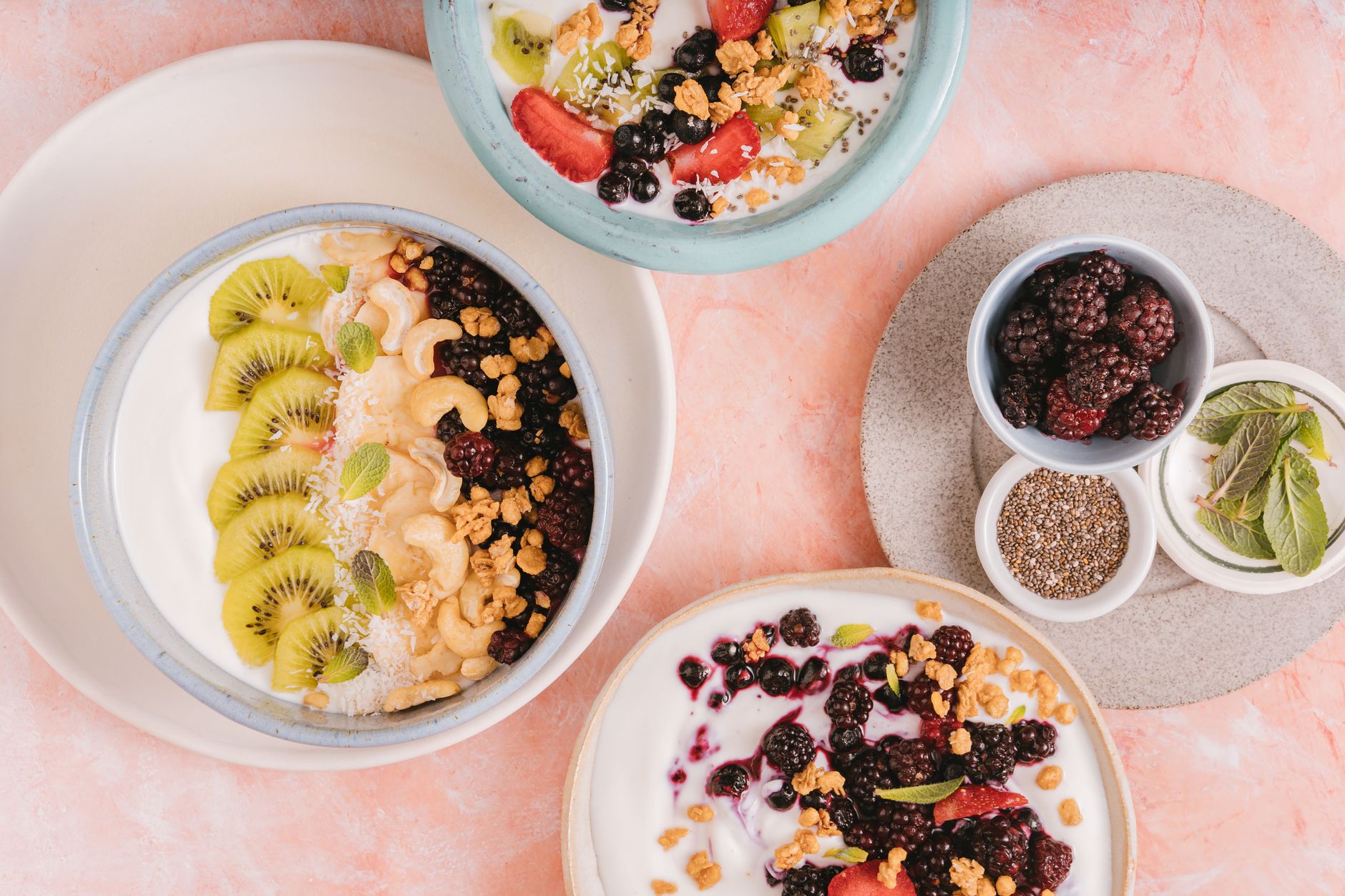
Implementing a structured plan for incorporating chia seeds can help you assess their effects on your energy and digestion in a systematic, balanced way. The goal is not a restrictive diet, but a practical exploration of how this functional food fits into your regular eating patterns.
Core Principles for a Balanced Plan
Adherence to a few key principles will make the week more informative and sustainable:
- Gradual Introduction: Start with a conservative serving (e.g., 1 teaspoon or 5 grams) to allow your digestive system to adapt to the high fiber content, potentially minimizing initial bloating or gas.
- Hydration is Non-Negotiable: Chia seeds absorb 10–12 times their weight in water. Consume them with ample fluids (water, milk, broth) to prevent gastrointestinal discomfort and support their gelling action, which is central to their proposed satiety and gut benefits.
- Diversify Applications: Distribute chia seeds across different meals and forms—such as overnight puddings, smoothie thickeners, salad sprinkles, or egg substitutes in baking—to prevent monotony and assess their versatility.
Structuring Your 7-Day Exploration
A sample framework for the week might look like this, focusing on incremental integration:
- Days 1–2 (Introduction): Incorporate a single small serving into a familiar meal, like stirring into yogurt or oatmeal.
- Days 3–5 (Expansion): Experiment with a second daily serving, perhaps trying a savory application like a chia-thickened sauce or adding to a post-workout shake.
- Days 6–7 (Integration & Observation): Use chia seeds in varied preparations while noting any subjective changes in energy levels, satiety, and bowel regularity.
Clinical Perspective: While chia seeds are a source of alpha-linolenic acid (ALA), fiber, and minerals, claims about significant "energy shifts" are largely anecdotal and not strongly supported by controlled trials. The most consistent evidence is for their role in increasing dietary fiber intake, which can support bowel regularity. Any perceived energy boost may be secondary to improved hydration or stabilized blood sugar from the fiber and fat content, rather than a direct stimulant effect.
Important Precautions and Contraindications
This approach is not suitable for everyone. Exercise caution and consult a healthcare provider before starting if you:
- Have a history of dysphagia (swallowing difficulties) or significant esophageal strictures, as dry chia seeds can expand and pose a choking risk.
- Have active inflammatory bowel disease (e.g., Crohn's, ulcerative colitis) or a history of bowel obstructions, as the high fiber load may exacerbate symptoms.
- Are on blood-thinning medications (e.g., warfarin) or have a bleeding disorder, due to chia's potential, though modest, omega-3 content.
- Are managing kidney disease, as chia seeds are high in phosphorus.
Listen to your body. Gastrointestinal discomfort, such as bloating or cramping, is a signal to reduce the serving size or increase fluid intake. This plan is a tool for personal observation, not a substitute for professional medical or nutritional advice for managing specific health conditions.
5. Safety Considerations and When to Seek Medical Advice

While chia seeds are generally recognized as safe for most healthy adults when consumed in typical culinary amounts (approximately 1-2 tablespoons daily), integrating them into a structured 7-day plan warrants a measured, safety-first approach. Their high fiber and nutrient density, while beneficial, can pose risks for specific individuals or if consumed improperly.
Key Safety Considerations
The primary considerations involve gastrointestinal tolerance, medication interactions, and pre-existing health conditions.
- Gastrointestinal Distress: Chia seeds are exceptionally high in soluble fiber, absorbing up to 10-12 times their weight in water. A sudden, significant increase in fiber intake can cause bloating, gas, cramping, or constipation. It is crucial to start with a smaller dose (e.g., 1 teaspoon) and ensure adequate hydration throughout the day.
- Medication Interactions: The gel-forming fiber can slow gastric emptying and potentially affect the absorption rate of oral medications. Individuals on medication for diabetes, blood pressure, or thyroid conditions should consult their physician, as dosage timing may need adjustment.
- Choking Hazard: Dry chia seeds must never be consumed alone. They can rapidly absorb saliva and swell in the esophagus, posing a serious obstruction risk. Always pre-soak chia seeds or mix them thoroughly into a wet food like yogurt, oatmeal, or smoothies.
Clinical Insight: In practice, the most common adverse effects we see are related to rapid fiber escalation. Patients with a history of inflammatory bowel disease (IBD), diverticulitis, or significant dysmotility disorders should be particularly cautious, as the high fiber load can exacerbate symptoms. The evidence for chia's benefits in these populations is limited and mixed.
Who Should Seek Medical Advice First?
Consulting a healthcare provider before beginning this or any new dietary regimen is strongly advised for individuals with:
- Known or suspected food allergies to seeds (sesame, mustard) or plants in the mint family (Lamiaceae).
- A history of swallowing difficulties or esophageal strictures.
- Diagnosed kidney disease, due to the notable phosphorus and potassium content in chia seeds.
- Prostate cancer or concerns about high alpha-linolenic acid (ALA) intake, as some observational data has raised questions, though evidence remains inconclusive and not causal.
- Those on anticoagulant (blood-thinning) therapy, as chia seeds contain vitamin K and omega-3s, which may theoretically affect coagulation.
Finally, while anecdotal reports of increased energy and gut health benefits are common, robust, long-term clinical trial data on a specific 7-day chia seed protocol is limited. Listen to your body, introduce changes gradually, and prioritize professional guidance over self-experimentation if you have any underlying health concerns.
6. Questions & Expert Insights
Can chia seeds really provide a noticeable energy boost?
Chia seeds may contribute to more stable energy levels, but the effect is indirect and not instantaneous like caffeine. The primary mechanism is their high soluble fiber content, which slows the digestion and absorption of carbohydrates, helping to prevent rapid spikes and crashes in blood sugar. This can lead to more sustained energy throughout the day. Furthermore, chia seeds contain minerals like magnesium and manganese, which are cofactors in the body's energy production pathways. However, the evidence for a dramatic "energy shift" from short-term use is largely anecdotal. The perceived boost may also stem from improved hydration, as chia seeds absorb 10-12 times their weight in water, potentially combating mild dehydration-related fatigue. It's important to manage expectations: they are a supportive dietary component, not a stimulant.
What are the potential side effects or risks of suddenly increasing chia seed intake?
A rapid increase in fiber intake, as with starting a 7-day chia plan, commonly causes gastrointestinal side effects like bloating, gas, abdominal discomfort, or constipation. To minimize this, it's crucial to start with a small dose (e.g., 1 teaspoon daily) and increase gradually while drinking plenty of water. Without adequate fluid, chia seeds can absorb water in the esophagus and pose a choking risk or cause intestinal blockage; always consume them pre-soaked or mixed into liquids. Certain individuals should exercise caution or avoid high intake: those with a history of swallowing difficulties, certain gastrointestinal disorders like Crohn's or diverticulitis (though the old rule for diverticulitis has been revised, individual tolerance varies), or those on blood-thinning medications (due to chia's vitamin K content). Anyone with kidney disease should consult a doctor first due to the high phosphorus content.
How strong is the evidence for chia seeds improving gut health?
The evidence for chia seeds benefiting gut health is promising but primarily mechanistic and based on the well-established role of dietary fiber. Chia seeds are an excellent source of soluble fiber, which acts as a prebiotic—fermented by beneficial gut bacteria to produce short-chain fatty acids like butyrate that nourish colon cells and reduce inflammation. Observational studies consistently link high-fiber diets to a healthier gut microbiome and reduced disease risk. However, specific, high-quality human trials on chia seeds alone for conditions like IBS or microbiome composition are limited and often of short duration. The gut benefits reported in anecdotes are likely real but attributable to increased overall fiber intake. It is the consistent, long-term inclusion of fiber-rich foods like chia seeds, not a 7-day challenge alone, that cultivates a resilient gut ecosystem.
When should I talk to my doctor before trying this, and what should I discuss?
Consult your physician or a registered dietitian before significantly altering your diet if you have a chronic medical condition, are pregnant or breastfeeding, take regular medications, or have a history of eating disorders. This is especially important for individuals with diabetes (to adjust medication for potential blood sugar changes), kidney disease, upcoming surgery (due to potential effects on blood clotting), or gastrointestinal diagnoses. Prepare for the conversation by bringing a list of the specific recipes or daily chia amounts you're considering. Discuss your current medications, particularly blood thinners (e.g., warfarin), blood pressure drugs, or diabetes medications. Be clear about your goals (e.g., "improve energy," "help with constipation") so your provider can help you integrate chia seeds safely into your overall care plan and monitor for interactions or necessary dosage adjustments.
7. In-site article recommendations
8. External article recommendations
9. External resources
The links below point to reputable medical and evidence-based resources that can be used for further reading. Always interpret them in the context of your own situation and your clinician’s advice.
-
healthline healthline.comchia seeds – Healthline (search)
-
mayoclinic mayoclinic.orgchia seeds – Mayo Clinic (search)
-
wikipedia wikipedia.orgchia seeds – Wikipedia (search)
These external resources are maintained by third-party organisations. Their content does not represent the editorial position of this site and is provided solely to support readers in accessing additional professional information.