
1. Introduction to Chia Seeds and Digestive Health

Chia seeds (Salvia hispanica L.) are small, nutrient-dense seeds that have garnered significant attention for their potential role in supporting digestive health. Their primary mechanism of action is attributed to their exceptionally high content of soluble dietary fiber, which forms a gel-like substance when mixed with liquid. This property is central to their proposed digestive benefits.
From a clinical and nutritional perspective, the fiber in chia seeds functions in two key ways:
- Bulking Agent: The insoluble fiber component adds bulk to stool, which can help promote regular bowel movements and alleviate constipation.
- Prebiotic Substrate: The soluble fiber can act as a prebiotic, serving as a food source for beneficial gut bacteria. A healthy gut microbiome is increasingly linked to overall digestive function and systemic health.
The evidence supporting chia seeds for digestive wellness is promising but requires nuanced interpretation. Several small-scale human studies and a larger body of animal research indicate that chia seed consumption can increase stool frequency and improve stool consistency. However, the quality of human trials varies, and more long-term, large-scale studies are needed to firmly establish these effects across diverse populations.
It is important to approach claims of "transformation" with caution. Digestive health is multifactorial, influenced by diet, stress, medication, and underlying medical conditions. Chia seeds are best viewed as one component of a balanced, fiber-rich diet, not a standalone solution.
Who should exercise caution? Individuals with a history of swallowing difficulties, esophageal strictures, or inflammatory bowel disease (especially during a flare) should consult a gastroenterologist before consuming dry chia seeds, as they can expand and cause obstruction. Those with kidney disease or who are on blood-thinning medications should also seek medical advice due to chia seeds' mineral and omega-3 fatty acid content.
2. Evidence and Mechanisms of Chia Seeds on Digestion

The proposed digestive benefits of chia seeds are primarily attributed to their exceptionally high fiber content. A single ounce (about two tablespoons) provides approximately 10 grams of fiber, which is a significant portion of the recommended daily intake. This fiber is predominantly soluble, a key factor in its proposed mechanisms of action.
Proposed Mechanisms of Action
The primary mechanisms by which chia seeds may influence digestion are well-supported by the established physiological roles of soluble fiber:
- Gel Formation and Bulking: Soluble fiber in chia seeds absorbs water, forming a gel-like substance in the stomach and intestines. This can slow gastric emptying, promote a feeling of fullness, and add soft bulk to stool, which may ease its passage.
- Prebiotic Effect: This soluble fiber serves as a fermentable substrate for beneficial gut bacteria (the microbiota). The fermentation process produces short-chain fatty acids like butyrate, which nourish colon cells and may support a healthier gut environment.
- Regulation of Bowel Movements: The combined action of soluble fiber (softening stool) and the insoluble fiber also present in the seeds (adding bulk) can help normalize bowel function, potentially alleviating both constipation and diarrhea.
Strength of the Evidence
While the mechanisms are physiologically sound, direct clinical evidence from human trials specifically on chia seeds and digestion is more limited and mixed compared to the robust evidence for high-fiber diets in general.
- Strong Evidence: The role of dietary fiber in promoting regular bowel movements, increasing stool weight, and supporting gut health is one of the most consistent findings in nutritional science.
- Limited/Mixed Evidence: Few high-quality, long-term randomized controlled trials have isolated chia seeds from other fiber sources. Some small studies show modest improvements in satiety and bowel habits, while others find no significant digestive effect over a control. More research is needed to confirm the magnitude of benefit specifically from chia.
Clinical Perspective: From a clinical standpoint, chia seeds are a concentrated and convenient source of soluble fiber. Their effect is mechanistic and dose-dependent; they are not a "cure-all." The gel-forming property is crucial—adequate fluid intake is essential to prevent potential blockage or discomfort. They are best viewed as one component of a diverse, high-fiber diet.
Important Cautions: Individuals with a history of swallowing difficulties, esophageal strictures, or significant inflammatory bowel disease (especially during a flare) should use caution and consult a doctor. Those with irritable bowel syndrome (IBS) may need to introduce chia slowly to monitor tolerance. Anyone on medication or with chronic kidney disease should discuss significant dietary changes with a healthcare provider, as the high fiber can affect drug absorption and chia seeds contain phosphorus.
3. Risks and Populations Who Should Avoid Chia Seeds

While chia seeds are a nutrient-dense food for many, they are not universally suitable. A balanced, evidence-based approach requires understanding their potential adverse effects and identifying individuals for whom consumption may pose risks.
Primary Digestive and Mechanical Risks
The high soluble fiber content (about 10 grams per ounce) is responsible for both their digestive benefits and their most common side effects. A sudden, significant increase in fiber intake can lead to:
- Gastrointestinal distress: Bloating, gas, and abdominal cramping.
- Constipation or diarrhea: This depends on individual tolerance and, critically, fluid intake. Without adequate water, the gel-forming fibers can exacerbate constipation.
There is also a documented, though rare, risk of esophageal obstruction. This occurs when dry seeds are swallowed and then absorb moisture in the throat, potentially causing a blockage. Individuals with a history of swallowing difficulties (dysphagia) or esophageal strictures must consume chia seeds only when they are already fully soaked in liquid.
Populations Who Should Exercise Caution or Avoid
Certain medical conditions and medications necessitate careful consideration before incorporating chia seeds into the diet.
- Individuals on blood-thinning medications (e.g., warfarin): Chia seeds are a source of omega-3 fatty acids (ALA) and vitamin K. While the evidence for a clinically significant interaction is limited and mixed, consistent daily intake could theoretically affect blood coagulation. Consultation with a physician or pharmacist is essential.
- People with diagnosed digestive disorders: Those with active inflammatory bowel disease (IBD), Crohn's disease, ulcerative colitis, or a history of bowel obstructions may find the high fiber content irritating and should only proceed under medical guidance.
- Individuals with low blood pressure: Preliminary animal studies and anecdotal reports suggest chia seeds may have a hypotensive effect. Those with already low blood pressure or on blood pressure medications should monitor their levels and discuss with their doctor.
- People with specific food allergies: Allergies to chia seeds are uncommon but possible. Those allergic to mustard seeds or sesame seeds may have a higher risk of cross-reactivity.
Clinical Perspective: The principle "start low and go slow" is paramount with chia seeds. Introduce no more than one tablespoon daily, ensuring it is pre-soaked for at least 10-15 minutes and consumed with plenty of water. This mitigates most digestive risks. For individuals on critical medications or with complex chronic conditions, a brief discussion with a healthcare provider can clarify if and how chia seeds fit safely into their nutritional plan, ensuring benefits are gained without unintended consequences.
4. Practical Takeaways for a 7-Day Chia Seed Incorporation
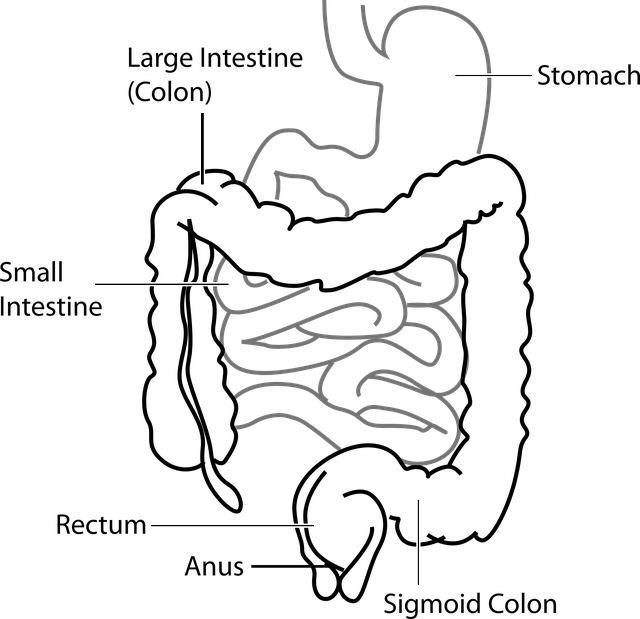
Incorporating chia seeds into your diet requires a gradual, mindful approach to allow your digestive system to adapt and to assess individual tolerance. The primary goal is to leverage their high soluble fiber content for digestive health benefits, such as promoting regularity and supporting a healthy gut microbiome, while avoiding common pitfalls like bloating or gastrointestinal discomfort.
Structured 7-Day Integration Plan
Begin with a small dose and increase slowly. This methodical approach is supported by general dietary guidance for introducing high-fiber foods.
- Days 1–2: Start with 1 teaspoon (approx. 5g) of dry seeds per day. Always mix them into a liquid (water, yogurt, oatmeal) and allow them to soak for at least 15–30 minutes to form a gel. This pre-hydration is crucial to prevent the seeds from absorbing water in your digestive tract, which can cause discomfort.
- Days 3–5: If well-tolerated, increase to 2 teaspoons (approx. 10g) daily. Continue to consume them pre-soaked. Monitor for changes in bowel habits, fullness, and any gas or bloating.
- Days 6–7: You may consider a maintenance dose of 1 to 1.5 tablespoons (approx. 10–15g) daily, which aligns with common intake levels studied for fiber benefits. Consistency is more important than a single large dose.
Key Application Methods & Cautions
To maximize benefit and safety, adhere to these practical guidelines:
- Hydration is Non-Negotiable: Chia seeds absorb 10–12 times their weight in water. Increase your daily water intake significantly when consuming them to help the fiber move through your digestive system and prevent constipation.
- Diversify Your Intake: Incorporate the pre-soaked gel or seeds into smoothies, overnight oats, soups, or as an egg substitute in baking. This variety can aid long-term adherence.
- Listen to Your Body: Individual responses vary. Some may experience improved regularity quickly, while others might notice initial bloating. A gradual increase allows your gut microbiota to adjust.
Clinical Consideration: While the fiber in chia seeds is strongly supported for general digestive health, claims about specific "detoxification" or rapid gut healing over seven days lack robust clinical evidence. The benefits are cumulative and related to consistent dietary fiber intake. Individuals with a history of dysphagia, esophageal strictures, diverticulitis, or inflammatory bowel disease (IBD) flares should consult a gastroenterologist before use, as the gel-like consistency or high fiber load may be problematic. Those on medication for diabetes or blood pressure should also discuss this with their doctor, as chia seeds may potentiate effects.
The most practical takeaway is to view this 7-day plan as an introductory phase to a sustainable habit. Long-term digestive health is built on consistent, balanced nutrition, not short-term interventions.
5. Safety Considerations and When to Consult a Healthcare Provider

While chia seeds are generally recognized as safe for most people when consumed in typical food amounts, their high fiber and nutrient density necessitates a cautious and individualized approach. A responsible evaluation of safety is essential before making significant dietary changes.
Key Safety Considerations
The primary safety concerns relate to gastrointestinal effects, potential drug interactions, and allergic reactions.
- Gastrointestinal Distress: A sudden, large increase in fiber intake can cause bloating, gas, abdominal cramping, or constipation, especially if adequate water is not consumed. Chia seeds absorb 10–12 times their weight in water; insufficient fluid intake can lead to a gel-like bolus that may cause an obstruction, particularly in individuals with a history of swallowing difficulties or strictures.
- Blood Thinning and Blood Pressure: Chia seeds contain omega-3 fatty acids (ALA), which in very high doses may have a mild antiplatelet effect. The evidence for this effect from dietary chia is limited and primarily theoretical, but individuals on anticoagulant (e.g., warfarin) or antiplatelet medications should discuss increased intake with their doctor. The seeds may also contribute to a modest reduction in blood pressure.
- Allergies: Though rare, allergic reactions to chia seeds have been reported. Individuals with known allergies to mustard seeds or sesame seeds may be at higher risk due to potential cross-reactivity.
Clinical Perspective: In practice, the most common issue I see is patients introducing a tablespoon of dry chia seeds without sufficient water, leading to significant discomfort. The key is gradual introduction—start with one teaspoon soaked in liquid—and consistent hydration. For patients with diabetes, the fiber can help modulate blood sugar, but medication dosages may need adjustment, making physician coordination crucial.
Who Should Consult a Healthcare Provider First?
Certain individuals should seek professional medical advice before significantly increasing chia seed consumption:
- Individuals with diagnosed gastrointestinal disorders such as Crohn's disease, ulcerative colitis, diverticulitis, or a history of bowel obstructions.
- Those with kidney disease, particularly on a potassium or phosphorus-restricted diet, as chia seeds are rich in these minerals.
- People taking medications for diabetes, high blood pressure, or blood thinning, due to potential interactions.
- Anyone with a history of food allergies, especially to seeds.
- Pregnant or breastfeeding women, to ensure dietary changes align with their specific nutritional needs.
In summary, while chia seeds offer nutritional benefits, they are not a universal remedy. Integrating them safely requires a gradual approach, attention to hydration, and professional guidance for those with pre-existing health conditions or medications. Always prioritize personalized medical advice over generalized dietary trends.
6. Questions & Expert Insights
Can chia seeds really "transform" my digestion in just one week?
While the term "transform" is strong, significant improvements in digestive comfort and regularity are possible within a week for many individuals, primarily due to chia seeds' high soluble fiber content. When mixed with liquid, chia seeds form a gel that can soften stool, add bulk, and support more consistent bowel movements. This mechanical effect is well-documented. However, "transformation" varies by individual. Someone with chronic constipation may notice a dramatic positive change, while another person with already regular digestion may observe only subtle effects. The one-week timeframe is a reasonable trial period to assess tolerance and initial benefits, but establishing a stable, healthy gut microbiome and achieving optimal digestive function is a longer-term process that also depends on overall diet, hydration, and lifestyle.
What are the potential side effects or risks of starting chia seeds?
The primary risk is a rapid increase in fiber intake, which can cause significant gastrointestinal discomfort, including bloating, gas, and abdominal cramping. To mitigate this, it is crucial to start with a small dose (e.g., half a tablespoon daily) and increase gradually over several weeks while drinking plenty of water. Without adequate hydration, the high fiber content can paradoxically worsen constipation or, in rare cases, lead to an intestinal blockage. Individuals with a history of swallowing difficulties or esophageal strictures should consume chia seeds only in a fully gelled form to avoid the risk of the dry seeds expanding and causing an obstruction. Those with diagnosed irritable bowel syndrome (IBS) should proceed with caution, as the high fermentable fiber (a FODMAP in larger amounts) may trigger symptoms in some individuals.
Who should avoid or be very cautious with this 7-day chia seed approach?
Several groups should consult a healthcare provider before significantly increasing chia seed intake. This includes individuals with inflammatory bowel disease (IBD) like Crohn's or ulcerative colitis during a flare, as high-fiber foods can be irritating. Those with kidney disease need to be mindful, as chia seeds are high in phosphorus, which can accumulate when kidney function is impaired. People taking blood-thinning medications (e.g., warfarin) or with bleeding disorders should be aware that chia seeds contain vitamin K, which can affect clotting, and consistency in intake is key to managing medication dosage. Individuals with a history of eating disorders should avoid any protocol framed around a "superfood fix," as it can promote restrictive or obsessive eating patterns. When in doubt, a personalized assessment is essential.
When should I talk to a doctor about my digestion, and what should I bring up?
Consult a physician or a gastroenterologist if you experience persistent symptoms despite dietary changes, such as abdominal pain, significant bloating, blood in stool, unexplained weight loss, or a major change in bowel habits lasting more than two weeks. Before your appointment, prepare a concise summary. Bring a symptom diary noting frequency and description of bowel movements, pain, and diet. Specifically mention your chia seed regimen—the daily amount and how long you've used it. List all current medications and supplements, as some can affect digestion. Be ready to discuss your full dietary pattern, not just chia seeds, and any family history of digestive conditions like colon cancer or celiac disease. This information helps differentiate between a simple fiber adjustment issue and a condition requiring further investigation.
7. In-site article recommendations
8. External article recommendations
9. External resources
The links below point to reputable medical and evidence-based resources that can be used for further reading. Always interpret them in the context of your own situation and your clinician’s advice.
-
healthline healthline.comchia seeds – Healthline (search)
-
examine examine.comchia seeds – Examine.com (search)
-
mayoclinic mayoclinic.orgchia seeds – Mayo Clinic (search)
These external resources are maintained by third-party organisations. Their content does not represent the editorial position of this site and is provided solely to support readers in accessing additional professional information.