
1. Introduction to Intermittent Fasting and Cleansing Teas: Clinical Context
Intermittent fasting (IF) is a dietary pattern that cycles between periods of fasting and eating. It is not a specific diet but rather an eating schedule. Common protocols include the 16:8 method (fasting for 16 hours, eating within an 8-hour window) and the 5:2 method (eating normally for five days, significantly reducing calories on two non-consecutive days). The primary proposed mechanisms of action involve metabolic switching, where the body depletes liver glycogen and begins to utilize fat stores for energy, potentially improving insulin sensitivity and cellular repair processes.
The evidence supporting intermittent fasting is evolving. Several randomized controlled trials and systematic reviews suggest potential benefits for weight management and metabolic health markers, such as improved insulin sensitivity and reductions in blood pressure and LDL cholesterol in some individuals. However, the evidence is often of moderate quality, with studies varying in design, duration, and participant populations. Long-term sustainability and effects compared to traditional calorie-restricted diets remain areas of active research.
"Cleansing teas," often marketed as detox or wellness teas, typically contain blends of herbs such as senna, dandelion, ginger, or peppermint. It is crucial to distinguish their proposed roles:
- Supportive Role: Some ingredients, like ginger or peppermint, may offer digestive comfort or act as a source of antioxidants.
- Pharmacological Effect: Others, like senna, are herbal laxatives that stimulate bowel movements. Their use for "detoxification" is not supported by clinical evidence, as the liver and kidneys are the body's primary and highly efficient detoxification organs.
The combination of intermittent fasting with the consumption of cleansing teas, as explored in anecdotal reports, merges a structured eating pattern with herbal intake. The clinical rationale for this pairing is not well-established in scientific literature. Any perceived synergistic effect is largely speculative, and the practice may introduce unnecessary risks, particularly from teas with laxative properties, which can lead to dehydration, electrolyte imbalances, and dependency.
Clinical Perspective: From a medical standpoint, intermittent fasting is a dietary intervention with some evidence for specific health outcomes. "Cleansing," however, is not a clinically recognized physiological process in the context these teas are marketed. Combining them often reflects lifestyle trends more than evidence-based practice. The risks associated with certain herbal laxatives are well-documented and should not be underestimated.
Who should exercise caution? Individuals with the following conditions should avoid starting an intermittent fasting regimen or using cleansing teas without explicit medical consultation:
- Pregnancy or breastfeeding
- History of eating disorders
- Diabetes or hypoglycemia
- Kidney or liver disease
- Those taking medications, especially diuretics, diabetes drugs, or blood pressure medications
This chapter provides the clinical context to critically evaluate the subsequent personal experiences and results shared in this article. It is essential to separate anecdotal reports from established medical guidance.
2. Evidence and Mechanisms: Scientific Basis and Limitations
The practice of intermittent fasting (IF) is supported by a substantial body of preclinical and clinical research, while the specific addition of "cleansing teas" is an area with far more limited and mixed evidence. It is crucial to separate the mechanisms of each component.
Intermittent Fasting: Established Biological Pathways
Time-restricted eating, such as a 16:8 protocol, triggers several metabolic adaptations supported by evidence:
- Metabolic Switching: After 12-16 hours of fasting, liver glycogen stores deplete, prompting a shift to fatty acid oxidation and ketone production for energy. This metabolic flexibility is a well-documented physiological response.
- Autophagy: Cellular "self-cleaning" processes are upregulated during fasting periods. While robustly demonstrated in animal models, human data, though promising, is less direct and often inferred from biomarker studies.
- Insulin Sensitivity: Fasting periods lower baseline insulin levels, which can improve cellular insulin sensitivity. This is one of the most consistently reported benefits in human trials for individuals with insulin resistance.
"Cleansing Teas": Mechanisms and Evidence Gaps
The term "cleansing" is not a medical one. Teas often included in such regimens (e.g., dandelion, ginger, senna, green tea) may have specific, limited effects:
- Diuretic & Digestive Effects: Ingredients like dandelion can have mild diuretic properties, while ginger may aid digestion. Senna is a potent stimulant laxative. These effects create a sensation of "cleansing" but do not detoxify the body in a medical sense; the liver and kidneys perform that function continuously.
- Antioxidant Content: Green tea is rich in polyphenols like EGCG, which have demonstrated antioxidant and anti-inflammatory effects in laboratory and some human studies. However, the contribution from a short-term tea regimen during a fast is likely minimal.
The primary limitation is the lack of high-quality clinical trials studying the combined intervention of IF plus specific herbal teas. Most evidence is extrapolated from studying the components separately.
Clinical Perspective: From an evidence-based standpoint, the benefits of a 7-day protocol would be primarily attributed to the calorie restriction and metabolic effects of the fasting window, not the teas. Teas should be viewed as a potentially palatable, non-caloric hydration source with possible mild supportive effects, not as active "cleansing" agents. Caution is warranted with teas containing laxatives like senna, which can lead to dehydration, electrolyte imbalances, and dependency with prolonged use.
Who Should Exercise Caution: Individuals with diabetes (especially on insulin or sulfonylureas), a history of eating disorders, kidney disease, electrolyte imbalances, or who are pregnant or breastfeeding should consult a physician before undertaking any fasting protocol. Anyone considering teas with medicinal ingredients should review potential interactions with their medications.
3. Risks and Contraindications: Who Should Avoid This Approach

While structured fasting and herbal tea regimens can be safe for many healthy adults, they are not universally appropriate. A clinically responsible approach requires understanding the specific populations for whom this combination poses significant risks. The evidence supporting the safety of such protocols in at-risk groups is limited, and the potential for harm is well-established.
Absolute Contraindications: Who Must Avoid This Approach
Certain individuals should not undertake a 7-day intermittent fasting plan with cleansing teas under any circumstances without direct, personalized medical supervision. This includes:
- Individuals with a history of eating disorders: Structured fasting can trigger relapse in conditions like anorexia nervosa or bulimia.
- Pregnant or breastfeeding individuals: Caloric restriction and certain herbal compounds can jeopardize fetal development and milk supply.
- People with type 1 diabetes or advanced type 2 diabetes: Fasting dramatically increases the risk of dangerous hypoglycemia (low blood sugar) and can disrupt medication management.
- Those with significant kidney or liver disease: Fasting alters electrolyte balance and metabolism, placing undue stress on compromised organs.
Populations Requiring Extreme Caution and Medical Consultation
For others, a thorough evaluation with a healthcare provider is essential before considering this protocol. This is strongly advised for:
- Individuals on prescription medications, especially for diabetes, hypertension, or mental health. Fasting and herbs can alter drug metabolism and efficacy.
- Those with a history of gallstones, as rapid dietary changes can precipitate an attack.
- People with gastroesophageal reflux disease (GERD) or peptic ulcers, as fasting and certain teas may exacerbate symptoms.
- Adolescents, the elderly, and individuals who are underweight or malnourished.
Clinical Insight: The term "cleansing" is often a marketing term with no physiological basis. Many herbal teas marketed for cleansing contain laxative or diuretic compounds (e.g., senna, dandelion root). Prolonged use can lead to dehydration, electrolyte imbalances, and dependency. A clinician's primary concern is distinguishing between a safe, evidence-based dietary pattern and a protocol that may promote disordered eating or mask underlying health issues.
Even for generally healthy individuals, potential side effects like headaches, dizziness, irritability, and constipation are common, especially in the initial adaptation phase. Listening to your body and discontinuing the protocol if adverse effects persist is crucial. The strongest evidence for intermittent fasting pertains to weight management and metabolic health in supervised, long-term studies—not short-term "cleanses." Any significant dietary change warrants a discussion with a physician or registered dietitian to ensure it aligns with your personal health status and goals.
4. Practical Takeaways: Balanced Guidance for Implementation
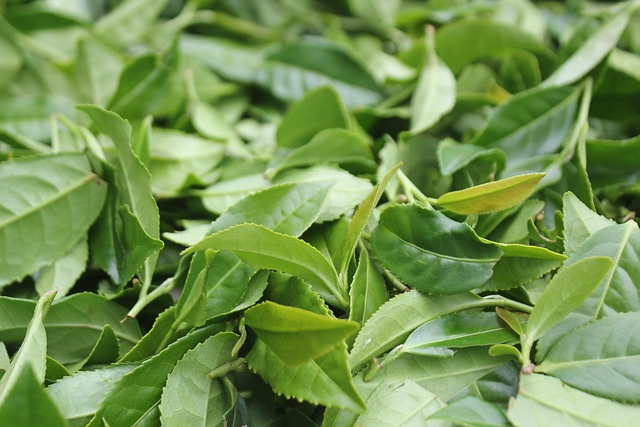
Implementing a structured 7-day protocol involving intermittent fasting and herbal teas requires a balanced, evidence-informed approach. The goal is to integrate principles that may support metabolic health without triggering adverse effects or unsustainable practices.
Core Principles for a Safe Start
If you are considering this approach, begin with these foundational steps:
- Choose a Sustainable Fasting Window: A 14:10 or 16:8 schedule (fasting for 14 or 16 hours, eating within a 10 or 8-hour window) is a common starting point supported by more research for metabolic flexibility than extreme fasting. Ensure your eating window contains balanced, nutrient-dense meals.
- Prioritize Hydration: Consume ample water throughout the day. Herbal teas should complement, not replace, water intake.
- Select Teas with Purpose: Opt for single-ingredient teas like green tea (for catechins), ginger (for digestion), or peppermint (for gastrointestinal comfort). Avoid "cleansing" blends with laxatives like senna or cascara sagrada for daily use.
Clinical Insight: The term "cleansing" is not a recognized physiological concept in medicine. The liver and kidneys perform detoxification continuously. Herbal teas may offer supportive phytochemicals, but claims of detoxification are overstated. The primary benefits of such a protocol likely stem from the structured eating window, reduced caloric intake, and increased mindful hydration.
Evaluating the Evidence and Managing Expectations
It is crucial to separate robust data from preliminary findings. Intermittent fasting has evidence for improving insulin sensitivity and aiding weight management. The evidence for specific "cleansing" teas is far more limited and often anecdotal; any perceived benefits are likely due to increased fluid intake and placebo effect.
Realistic outcomes from a well-executed 7-day protocol may include:
- Improved awareness of hunger and satiety cues.
- A temporary reduction in bloating or water weight.
- Establishment of a more structured daily eating routine.
Significant fat loss, microbiome "resets," or lasting metabolic changes are unlikely in one week and require sustained lifestyle modification.
Essential Precautions and Contraindications
This approach is not suitable for everyone. Consult a physician before starting if you have:
- Diabetes or blood sugar dysregulation.
- A history of eating disorders.
- Are pregnant, breastfeeding, or trying to conceive.
- Kidney disease, electrolyte imbalances, or take diuretic medications.
- Are underweight or have nutritional deficiencies.
Discontinue the protocol and seek medical advice if you experience dizziness, severe hunger headaches, nausea, or signs of dehydration.
The most valuable takeaway is developing a mindful relationship with food and hydration. View this not as a one-time cleanse, but as an opportunity to identify sustainable habits that align with your long-term health goals.
5. Safety Considerations and When to Consult a Healthcare Professional
While intermittent fasting and herbal teas are popular wellness strategies, they are not universally safe or appropriate. A clinically responsible approach requires understanding the potential risks and contraindications. The evidence for the safety of combining these practices, particularly over a defined 7-day period, is limited and primarily based on short-term studies in generally healthy individuals.
Certain populations should exercise extreme caution or avoid this protocol altogether. It is strongly advised that the following individuals consult a qualified healthcare professional—such as a primary care physician, endocrinologist, or registered dietitian—before attempting any significant dietary change:
- Individuals with chronic medical conditions: This includes diabetes (especially those on insulin or sulfonylureas), hypoglycemia, cardiovascular disease, kidney or liver disease, and a history of eating disorders.
- Those on medication: Fasting can alter the metabolism and efficacy of many drugs, including those for blood pressure, diabetes, and mental health. Some herbal teas may also interact with medications.
- Pregnant or breastfeeding individuals: Caloric and nutrient demands are significantly increased during these periods; restrictive protocols are not recommended.
- Children, adolescents, and the elderly: These groups have specific nutritional requirements, and fasting may pose risks of nutrient deficiencies or exacerbate age-related health issues.
- Individuals with a low body mass index (BMI) or a history of nutrient deficiencies.
Clinical Insight: From a medical perspective, the term "cleansing" is a misnomer; the liver and kidneys perform detoxification continuously. Some herbal teas contain bioactive compounds (e.g., senna, dandelion root) that act as diuretics or laxatives. Overuse can lead to electrolyte imbalances, dehydration, or gastrointestinal distress. A physician can help assess if this approach aligns with your individual health status and goals, and rule out underlying conditions that may be contraindicated.
Be vigilant for adverse effects during any fasting protocol. Symptoms such as severe dizziness, fainting, profound fatigue, heart palpitations, severe headaches, or signs of dehydration (e.g., very dark urine, extreme thirst) are red flags. These indicate the protocol should be stopped immediately, and medical advice should be sought.
In summary, the decision to undertake a combined fasting and herbal tea regimen should be an informed one, made with consideration of your complete health profile. Professional guidance is the cornerstone of safe practice.
6. Questions & Expert Insights
Is a 7-day fasting and tea cleanse effective for weight loss, and is the weight loss sustainable?
In the short term, a structured 7-day protocol involving intermittent fasting and calorie restriction will almost certainly lead to a reduction on the scale. However, it is critical to understand the composition of this weight loss. A significant portion will be water weight and glycogen depletion, not pure body fat. The initial rapid loss is not a reliable indicator of long-term fat loss success. Sustainability is the core challenge. Such restrictive, short-term programs do not teach sustainable eating habits or address the psychological and behavioral factors necessary for maintaining weight. Without a gradual transition to a balanced, nutrient-dense diet and a manageable lifestyle pattern after the 7 days, the lost weight is highly likely to be regained, a phenomenon well-documented in the literature on rapid weight loss diets.
What are the potential risks and side effects, and who should absolutely avoid this approach?
This combined approach of fasting and "cleansing" teas carries several risks. Common side effects include fatigue, dizziness, headaches, irritability, and constipation or diarrhea, depending on the tea's ingredients. Many "cleansing" or "detox" teas contain stimulant laxatives (e.g., senna) or diuretics, which can lead to dehydration, electrolyte imbalances, and dependency for bowel function. Certain populations must avoid this protocol entirely: individuals with a history of eating disorders, as it can trigger relapse; those with diabetes, due to severe hypoglycemia risk; individuals with kidney or liver disease; pregnant or breastfeeding women; and people on certain medications (e.g., for diabetes, blood pressure, or blood thinners). The body's liver and kidneys are highly effective natural detoxifiers; extreme measures are unnecessary and can be harmful.
When should I talk to a doctor before or during such a plan, and what should I discuss?
You should consult a healthcare provider before starting any significant dietary change, especially one involving fasting and herbal supplements. This is non-negotiable if you have any pre-existing medical condition, take regular medications, or are pregnant. Schedule an appointment with your primary care physician or a registered dietitian. Bring a complete list of the teas you plan to use (including ingredient labels if possible), a detailed outline of the fasting protocol (hours, allowed foods/beverages), and your full medication and supplement list. Key discussion points should include: potential interactions between tea compounds and your medications, the suitability of fasting for your metabolic health, and monitoring for signs of dehydration or electrolyte disturbance. A professional can help you assess if the risks outweigh any potential short-term benefits.
What does the scientific evidence actually say about the "cleansing" or "detox" claims of these teas?
The scientific evidence does not support the marketing claims that specific teas "cleanse" or "detoxify" the body. The concept of needing an external product to remove "toxins" is a misrepresentation of human physiology. Your liver, kidneys, gastrointestinal tract, and skin are continuously and efficiently eliminating metabolic waste products and exogenous compounds. While certain tea ingredients like green tea catechins or dandelion root have been studied in isolation for potential supportive effects on liver enzyme function or mild diuretic properties, these studies are typically preliminary, use controlled extracts, and do not translate to the "detox" effects marketed with commercial tea blends. Any perceived "cleansing" effect, such as increased bowel movements, is typically due to laxative ingredients, which do not equate to systemic detoxification and can be harmful with prolonged use.
7. In-site article recommendations
8. External article recommendations
9. External resources
The links below point to reputable medical and evidence-based resources that can be used for further reading. Always interpret them in the context of your own situation and your clinician’s advice.
-
healthline healthline.comintermittent fasting – Healthline (search)
-
drugs drugs.comintermittent fasting – Drugs.com (search)
-
wikipedia wikipedia.orgintermittent fasting – Wikipedia (search)
These external resources are maintained by third-party organisations. Their content does not represent the editorial position of this site and is provided solely to support readers in accessing additional professional information.