
1. Introduction and Context of the Mediterranean Diet for Blood Pressure
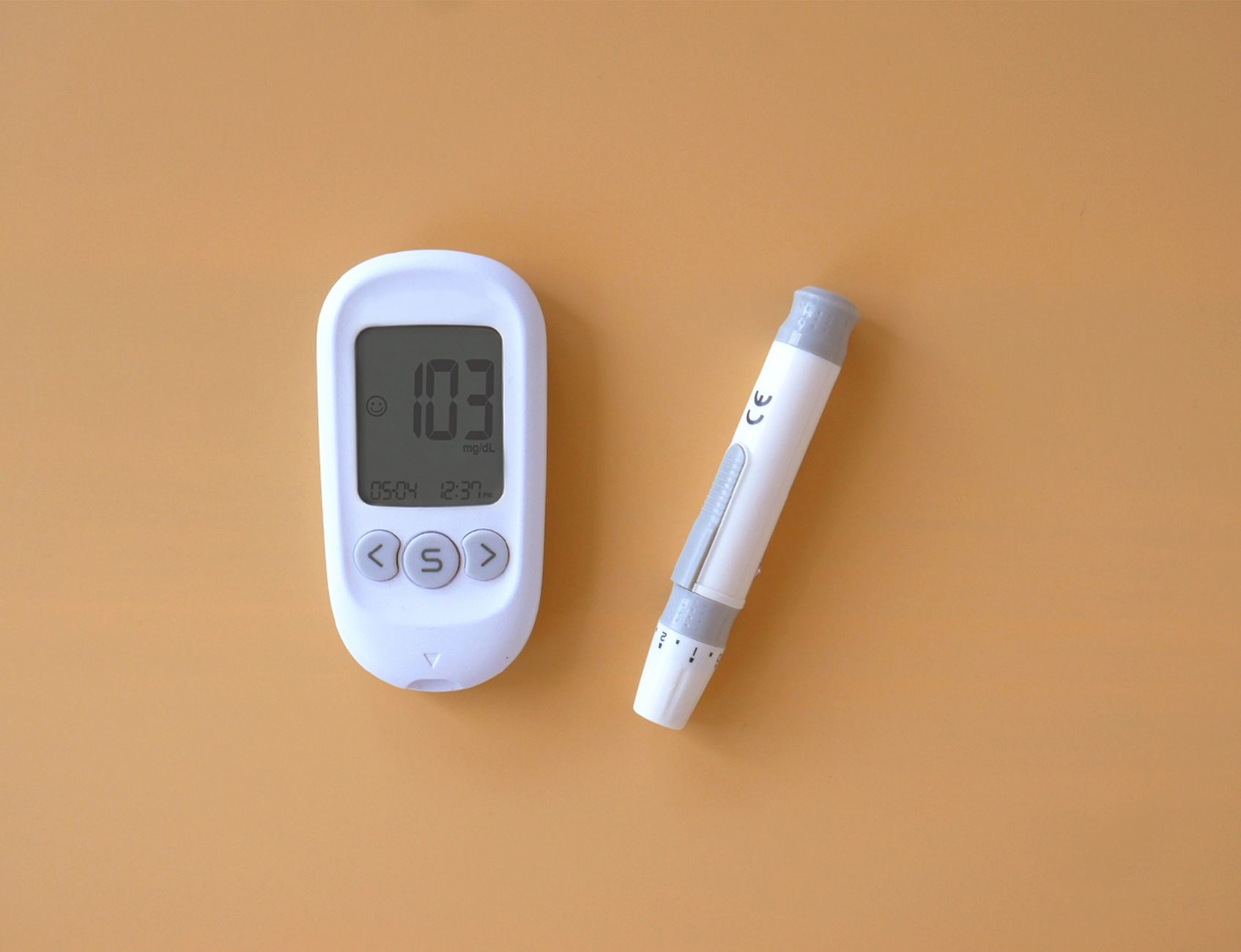
Hypertension, or high blood pressure, is a primary modifiable risk factor for cardiovascular disease, stroke, and kidney failure. While pharmaceutical management is essential for many, lifestyle interventions form the cornerstone of prevention and adjunctive treatment. Among dietary patterns, the Mediterranean diet has emerged as one of the most extensively researched and recommended approaches for cardiovascular health, with blood pressure reduction being a key mechanism of benefit.
The Mediterranean diet is not a restrictive meal plan but a holistic eating pattern inspired by the traditional cuisines of countries bordering the Mediterranean Sea. Its core components are supported by a robust body of epidemiological and clinical trial data, including landmark studies like PREDIMED. The diet is characterized by:
- High intake of vegetables, fruits, whole grains, legumes, and nuts.
- Use of extra virgin olive oil as the principal source of fat.
- Moderate consumption of fish and poultry.
- Low intake of red meat, processed meats, and sweets.
- Optional, moderate consumption of red wine, typically with meals.
The antihypertensive effects are attributed to a synergistic combination of nutrients: high levels of potassium, magnesium, fiber, and polyphenols, coupled with a favorable fatty acid profile and reduced sodium intake (when processed foods are minimized). This nutrient matrix supports endothelial function, reduces oxidative stress and inflammation, and can improve arterial stiffness.
Clinical Perspective: It is important to distinguish between the diet's well-documented role in primary prevention and its use for managing established hypertension. While the evidence for blood pressure lowering is strong, it is typically seen as a complementary strategy. The magnitude of effect can vary significantly between individuals based on genetics, baseline diet, and adherence level. For someone with very high blood pressure, dietary change alone is rarely sufficient and should not replace prescribed medication without direct medical supervision.
This chapter provides the foundational context for understanding how a short-term, structured adoption of this dietary pattern—documented over seven days—may influence blood pressure readings. It is crucial for individuals with existing kidney disease, those on specific medications like potassium-sparing diuretics, or anyone with a complex medical history to consult a physician or a registered dietitian before making significant dietary changes to ensure safety and appropriateness.
2. Scientific Evidence and Physiological Mechanisms
The documented blood pressure benefits of the Mediterranean diet are supported by a robust body of evidence, primarily from large-scale observational studies and several key randomized controlled trials (RCTs). The landmark PREDIMED trial demonstrated that a Mediterranean diet supplemented with extra-virgin olive oil or nuts significantly reduced systolic and diastolic blood pressure compared to a low-fat control diet over a median follow-up of 4.8 years. This effect is clinically meaningful, with reductions often in the range of 3-5 mmHg for systolic pressure, which can translate to a significant decrease in cardiovascular risk at a population level.
The physiological mechanisms behind these effects are multifactorial and synergistic:
- Improved Endothelial Function: The high content of polyphenols (from olive oil, nuts, berries, and red wine in moderation) and unsaturated fats promotes nitric oxide production, a potent vasodilator that relaxes blood vessels.
- Reduced Oxidative Stress & Inflammation: Antioxidants and anti-inflammatory compounds in fruits, vegetables, and olive oil help lower systemic inflammation, a key contributor to arterial stiffness and hypertension.
- Favorable Sodium-Potassium Balance: The diet is naturally rich in potassium, magnesium, and calcium from plant sources, which helps counteract the effects of sodium and regulates vascular tone.
- Weight Management & Insulin Sensitivity: The diet's high fiber and healthy fat profile supports satiety and stable blood glucose, indirectly benefiting blood pressure through improved metabolic health.
It is important to note that while the long-term benefits are strongly supported, evidence for specific blood pressure changes within a strict 7-day window is more limited. Short-term studies often show improvements in endothelial function and arterial stiffness, which are precursors to sustained blood pressure reduction. The changes observed in a week are likely a combination of reduced processed food intake, lower sodium, increased potassium, and the acute vasodilatory effects of dietary nitrates and polyphenols.
Clinical Perspective: The diet acts as a comprehensive vascular therapy, not a single "magic bullet." The blood pressure effect is typically gradual and cumulative. Individuals with hypertension on medication should not alter their treatment based on dietary changes alone without consulting their physician, as adjustments may be needed. Those with kidney disease should consult a dietitian regarding the high potassium content of the diet.
In summary, the scientific case for the Mediterranean diet's impact on blood pressure is strong, rooted in both epidemiological data and understood physiological pathways. A 7-day adherence can initiate beneficial vascular changes, setting the stage for longer-term control.
3. Risks and Populations to Avoid or Modify
While the Mediterranean diet is widely recognized as one of the safest and most sustainable dietary patterns, it is not without potential risks or necessary modifications for specific populations. A blanket application of any diet, even a well-researched one, can inadvertently cause harm if individual health conditions are not considered.
The primary risks are often related to specific food components or preparation methods. For instance:
- High Sodium Intake: Some traditional Mediterranean foods, such as olives, capers, feta cheese, and canned fish, can be high in sodium. For individuals with salt-sensitive hypertension, kidney disease, or heart failure, unmodified consumption could counteract the diet's blood pressure-lowering benefits.
- Caloric Density: The liberal use of olive oil, nuts, and cheeses, while healthy, is calorically dense. For individuals with specific weight management goals or a history of disordered eating, mindful portion control is essential to prevent unintended weight gain.
- Food Allergies and Intolerances: Core components like tree nuts, seafood, wheat (in whole grains), and dairy may pose risks for those with allergies or intolerances, requiring careful substitution.
Clinical Insight: In practice, we see the greatest challenges with patients who have complex, multi-system diseases. For someone with advanced chronic kidney disease (CKD), the typical high potassium content from fruits, vegetables, and legumes in the Mediterranean diet can be dangerous, necessitating significant modification. Similarly, patients on anticoagulants like warfarin must monitor their intake of vitamin K-rich leafy greens to maintain stable INR levels. The diet is a framework, not a prescription, and must be tailored.
Populations who should proceed with caution or seek medical/nutritional guidance before adopting this pattern include:
- Individuals with chronic kidney disease (CKD) or on dialysis.
- Those with liver disease requiring protein or fluid restriction.
- People with diagnosed food allergies or celiac disease.
- Patients on specific medications (e.g., blood thinners, diuretics).
- Those with a history of or active eating disorders.
- Pregnant or breastfeeding women, who have unique nutritional needs.
The evidence strongly supports the Mediterranean diet's safety for the general population. However, the evidence for its unmodified use in the specific populations listed above is limited or non-existent. The key takeaway is that while the dietary pattern is beneficial, its implementation must be individualized. Consulting with a physician or a registered dietitian is strongly advised for anyone with a pre-existing medical condition to ensure the plan is adapted safely to support overall health and specific therapeutic goals.
4. Practical Takeaways for Implementing a 7-Day Meal Plan
Implementing a structured 7-day Mediterranean meal plan can be a practical entry point to adopting this dietary pattern. The goal is not a short-term diet but an experiential week to observe potential physiological responses, such as changes in blood pressure, while building sustainable habits.
Core Implementation Principles
Focus on foundational shifts rather than perfection. Key actionable takeaways include:
- Prioritize Plants: Build meals around vegetables, fruits, legumes, nuts, and whole grains. Aim to fill half your plate with non-starchy vegetables at lunch and dinner.
- Choose Fats Wisely: Use extra virgin olive oil as your primary added fat. Include a small handful of nuts or seeds daily.
- Moderate Protein Sources: Incorporate fish, particularly fatty fish like salmon or mackerel, at least twice during the week. Limit red meat to once, if at all, and prefer poultry, eggs, or legumes on other days.
- Flavor with Herbs and Spices: Actively reduce reliance on added salt by using garlic, onions, basil, oregano, rosemary, and lemon juice to enhance taste.
Managing Expectations and Monitoring
While high-quality evidence supports the long-term cardiovascular benefits of the Mediterranean diet, changes observed within a single week should be interpreted cautiously. A documented drop in blood pressure over seven days may reflect reduced sodium intake, increased potassium from fruits and vegetables, and the vasodilatory effects of dietary nitrates and polyphenols. However, this short-term change can be variable and may not be sustained without consistent adherence.
If you choose to monitor blood pressure during this period, do so under standardized conditions: measure at the same time each day, after resting quietly for five minutes, and avoid caffeine or exercise for 30 minutes prior.
The most valuable takeaway from a 7-day plan is the experiential learning—identifying which meals are enjoyable and practical for your lifestyle. Use this week to establish one or two new, permanent habits, such as a daily vegetable-rich lunch or switching to olive oil for cooking, which form the basis of long-term health benefits.
5. Safety Considerations and When to Consult a Physician
While the Mediterranean dietary pattern is widely recognized as one of the safest and most sustainable nutritional models, any significant change to one's diet warrants thoughtful consideration. The evidence for its cardiovascular benefits, including blood pressure reduction, is strong and supported by numerous long-term observational studies and clinical trials. However, individual health contexts can introduce important nuances and contraindications.
Certain individuals should exercise particular caution or consult a healthcare professional before embarking on a structured dietary change, even one as well-regarded as this.
- Individuals with Chronic Kidney Disease (CKD): The traditional Mediterranean diet is rich in potassium (from fruits, vegetables, nuts, and legumes) and phosphorus (from nuts, seeds, and whole grains). For patients with advanced CKD who require dietary potassium and phosphorus restriction, unmodified adoption could pose risks.
- Those on Specific Medications: The diet's high vitamin K content (from leafy greens) can interfere with the anticoagulant effect of warfarin. Furthermore, a significant increase in fiber intake can alter the absorption rate of some medications. A physician or pharmacist can advise on timing and monitoring.
- People with Active Gastrointestinal Disorders: A sudden, substantial increase in dietary fiber—while beneficial for most—can exacerbate symptoms in individuals with conditions like inflammatory bowel disease (IBD) during a flare, severe irritable bowel syndrome (IBS), or certain gastrointestinal motility disorders.
- Individuals with a History of Disordered Eating: Any prescribed, time-bound meal plan, even one focused on health, can potentially trigger unhealthy patterns in susceptible individuals. A focus on overall dietary patterns rather than strict daily adherence is advised.
Clinical Perspective: From a clinician's standpoint, the Mediterranean diet is often a first-line dietary recommendation. The primary safety check involves reviewing an individual's medication list and renal function. For patients managing hypertension, we view this diet as a powerful adjunct to, not a replacement for, prescribed antihypertensive therapy. Blood pressure should be monitored regularly during dietary transitions, as improvements may necessitate medication adjustment under medical supervision to avoid hypotension.
When to Consult a Physician: It is prudent to seek guidance from your doctor or a registered dietitian before starting if you have any chronic medical condition (especially kidney, liver, or heart disease), are taking prescription medications, are pregnant or breastfeeding, or have significant food allergies. Furthermore, if you experience dizziness, unusual weakness, or a rapid change in weight after altering your diet, discontinue and seek medical advice.
Ultimately, the goal is to adapt the principles of the Mediterranean diet—abundant plants, healthy fats, and whole foods—safely within the framework of your personal health profile. Professional guidance ensures this nutritional strategy supports your blood pressure and overall well-being without unintended consequences.
6. Questions & Expert Insights
Can I expect the same blood pressure reduction in just 7 days?
While some positive changes are possible in a week, expecting a dramatic, sustained reduction is unrealistic. The documented benefits of the Mediterranean diet on blood pressure come from long-term adherence, typically studied over months or years. In a short 7-day period, you might observe initial effects related to reduced sodium intake, increased potassium from fruits and vegetables, and better hydration, which can lead to a modest drop. However, this is often a fluid-balance and acute dietary shift effect rather than a permanent change in vascular health. The 7-day framework is best viewed as a structured starting point to build sustainable habits, not a cure. Lasting hypertension management requires consistent lifestyle integration alongside medical guidance.
Are there any risks or people who should avoid this approach?
While generally safe, certain individuals should exercise caution or modify the plan. Those with chronic kidney disease need to be mindful of the high potassium content from foods like tomatoes, leafy greens, and nuts, which can be dangerous if kidney function is impaired. People on anticoagulants (e.g., warfarin) must maintain consistent vitamin K intake; a sudden increase from leafy greens can interfere with medication efficacy. Individuals with active gallstones may experience discomfort from increased dietary fat, even healthy fats like olive oil. Furthermore, anyone with a history of or current eating disorder should not undertake restrictive meal plans without oversight from a mental health professional. Always contextualize dietary changes within your personal health landscape.
When should I talk to my doctor, and what should I bring to the appointment?
Consult your physician or a cardiologist before starting if you have diagnosed hypertension, are on any blood pressure or heart medications, or have other chronic conditions (e.g., diabetes, kidney disease). It is crucial to discuss dietary changes to avoid interactions, such as overly low blood pressure (hypotension) when combined with medication. For the appointment, bring your 7-day food log, a record of your blood pressure readings (taken at consistent times and conditions), and a list of all medications and supplements. This data transforms the conversation from general advice to a specific, actionable review of how the diet affects you, allowing for safe, personalized adjustments to your overall management plan.
How do I know if the diet is working, or if the changes are just normal fluctuation?
Blood pressure naturally varies throughout the day due to stress, activity, and circadian rhythm. To attribute changes to the diet, you must measure consistently: use a validated home monitor, take readings at the same times each day (e.g., morning and evening), sit quietly for 5 minutes first, and avoid caffeine or exercise 30 minutes prior. A pattern of lower average readings over the week, especially a reduction in morning systolic pressure, is a more reliable indicator than any single measurement. Compare your 7-day average to your baseline before starting. Remember, this initial data point is just that—initial. True efficacy is determined by trends over several weeks and months, not days.
7. In-site article recommendations
8. External article recommendations
9. External resources
The links below point to reputable medical and evidence-based resources that can be used for further reading. Always interpret them in the context of your own situation and your clinician’s advice.
-
mayoclinic mayoclinic.orgMediterranean diet – Mayo Clinic (search)
-
examine examine.comMediterranean diet – Examine.com (search)
-
drugs drugs.comMediterranean diet – Drugs.com (search)
These external resources are maintained by third-party organisations. Their content does not represent the editorial position of this site and is provided solely to support readers in accessing additional professional information.