
1. Introduction to Superfood Smoothies in Morning Routines

Integrating a nutrient-dense smoothie into your morning routine can be a practical strategy to increase your intake of essential vitamins, minerals, and dietary fiber. The concept of "superfoods"—typically whole foods with high nutrient density—is popular in nutrition, though it is not a formal medical term. The potential benefits of this approach are generally linked to the established health advantages of consuming more fruits, vegetables, and other whole foods.
From a clinical perspective, starting the day with a balanced, whole-food-based beverage may support several health goals:
- Improved Nutrient Intake: Smoothies can efficiently deliver a concentrated source of micronutrients and antioxidants, such as vitamin C from berries or vitamin K from leafy greens.
- Enhanced Satiety and Fiber: Ingredients like chia seeds, oats, and leafy greens contribute soluble and insoluble fiber, which can promote feelings of fullness and support digestive health.
- Convenience and Consistency: For individuals with busy schedules, a prepared smoothie can offer a consistent, portable option that may help displace less nutritious breakfast choices.
It is important to distinguish between strong evidence and popular claims. While high intake of fruits and vegetables is robustly associated with reduced risk of chronic diseases like cardiovascular disease, evidence specifically for "superfood" smoothies as a singular transformative intervention is more limited. Benefits are likely contingent on the overall quality of the diet, the specific ingredients used, and appropriate portion sizes.
Clinical Insight: A smoothie is not inherently healthy; its nutritional value is determined by its composition. A smoothie high in added sugars, sweetened juices, or large quantities of high-calorie ingredients can contribute to excessive calorie intake and blood sugar spikes. The goal is to construct a balanced beverage that complements, rather than disrupts, your daily nutritional targets.
Certain individuals should exercise caution or consult a healthcare provider before making significant dietary changes:
- Those with diabetes or prediabetes, due to the potential for rapid carbohydrate absorption.
- Individuals with kidney disease, who may need to monitor potassium and phosphorus levels from certain greens, nuts, or seeds.
- People on blood-thinning medications (e.g., warfarin), as sudden increases in vitamin K-rich greens can interfere with therapy.
- Anyone with a history of eating disorders or significant digestive issues like irritable bowel syndrome (IBS).
This chapter provides a foundational, evidence-aware perspective. The following sections will explore specific ingredients and combinations, emphasizing a balanced, individualized approach to incorporating them into a morning routine.
2. Evidence and Biological Mechanisms of Superfoods

The term "superfood" is not a clinical classification but a popular label for foods exceptionally dense in nutrients and bioactive compounds. The scientific rationale for including them in a diet lies in their potential to modulate specific biological pathways linked to health and disease prevention.
Core Mechanisms of Action
Many commonly cited superfoods, such as berries, leafy greens, nuts, and seeds, exert their effects through several interconnected mechanisms:
- Antioxidant & Anti-inflammatory Activity: Compounds like anthocyanins (in berries), curcumin (in turmeric), and EGCG (in green tea) can neutralize free radicals and downregulate inflammatory signaling pathways like NF-κB. This may help mitigate oxidative stress, a contributor to chronic diseases.
- Gut Microbiome Modulation: High-fiber foods like chia seeds, flaxseeds, and leafy greens act as prebiotics, fostering beneficial gut bacteria. A healthy gut microbiome is strongly linked to improved immune function, metabolism, and even mental health.
- Nutrient Cofactors for Metabolism: Ingredients like spinach (rich in magnesium and B vitamins) and nuts (source of zinc and selenium) provide essential cofactors for enzymatic reactions in energy production, DNA synthesis, and detoxification.
Evaluating the Evidence
It is crucial to distinguish between mechanistic research and outcomes from human trials.
- Stronger Evidence: The benefits of individual nutrients (e.g., fiber for digestion, omega-3s for heart health) and dietary patterns rich in whole plant foods are well-established by large observational studies and some clinical trials.
- More Limited Evidence: Claims about specific superfoods causing dramatic health transformations in otherwise poor diets are often extrapolated from cell or animal studies, or short-term human trials with biomarkers as endpoints. Long-term, large-scale trials on "superfood smoothies" per se are lacking.
Clinical Perspective: From a medical standpoint, no single food can compensate for an overall unbalanced diet or lifestyle. The greatest benefit likely comes from the cumulative, synergistic effect of consistently consuming a variety of nutrient-dense whole foods, which a smoothie can conveniently help achieve. However, it is not a substitute for medical treatment.
Important Cautions: Individuals with kidney disease should be mindful of high-potassium ingredients like spinach and bananas. Those on blood thinners (e.g., warfarin) need consistent vitamin K intake, so sudden large increases from leafy greens should be discussed with a doctor. Anyone with food allergies, swallowing difficulties, or a history of eating disorders should tailor such routines carefully with professional guidance.
3. Potential Risks and Contraindications

While incorporating nutrient-dense smoothies can be a positive dietary shift, a one-week intensive plan is not without potential drawbacks. A balanced, evidence-based approach requires acknowledging these risks to ensure the intervention is safe and appropriate for the individual.
Nutritional and Gastrointestinal Considerations
Even "superfoods" can cause adverse effects, particularly when consumed in concentrated amounts or by sensitive individuals. Common issues include:
- Digestive Distress: A sudden, high intake of fiber from leafy greens, chia seeds, or berries can lead to bloating, gas, or abdominal cramps, especially for those not accustomed to such diets.
- Blood Sugar Spikes: Smoothies high in fruit and fruit juices can deliver a rapid dose of fructose, potentially causing significant fluctuations in blood glucose. This is a particular concern for individuals with insulin resistance, prediabetes, or diabetes.
- Excessive Caloric Intake: Ingredients like nut butters, seeds, avocado, and coconut milk are calorie-dense. Without careful portioning, a single smoothie can constitute a very high-calorie meal, potentially hindering weight management goals.
- Nutrient Interactions: High doses of certain nutrients (e.g., vitamin K from leafy greens, potassium from bananas and spinach) can interfere with medications like blood thinners (warfarin) or pose risks for those with compromised kidney function.
Specific Populations Requiring Caution
Certain individuals should consult a healthcare provider or a registered dietitian before undertaking a significant dietary change. This is strongly advised for those with:
- Chronic Kidney Disease: Due to the need to restrict potassium, phosphorus, and sometimes protein, the unmodified use of common smoothie ingredients can be dangerous.
- Diabetes or Metabolic Syndrome: Careful carbohydrate counting and glycemic load management are essential.
- Food Allergies or Sensitivities: Many recipes include common allergens like nuts, seeds, soy, or dairy.
- History of Eating Disorders: Any structured, restrictive meal plan can trigger unhealthy patterns and should be approached only under professional guidance.
- Pregnancy or Lactation: While nutritious foods are beneficial, specific needs and safe limits for certain ingredients (e.g., unpasteurized additions, specific herbs) must be considered.
Clinical Perspective: From a medical standpoint, the primary risk is viewing a short-term "cleanse" or intensive plan as a substitute for sustainable, balanced eating. There is no high-quality evidence that a 7-day smoothie regimen "detoxifies" the body or resets metabolism. The liver and kidneys perform these functions continuously. The most significant, evidence-supported benefit likely comes from displacing less nutritious breakfast options with whole-food-based meals. Always prioritize long-term dietary patterns over short-term interventions.
In summary, the key to safely integrating superfood smoothies is personalization and moderation. Assess your individual health status, be mindful of ingredient portions and combinations, and view this plan as one component of a varied and balanced diet, not a standalone solution.
4. Practical Guidelines for Incorporating Smoothies
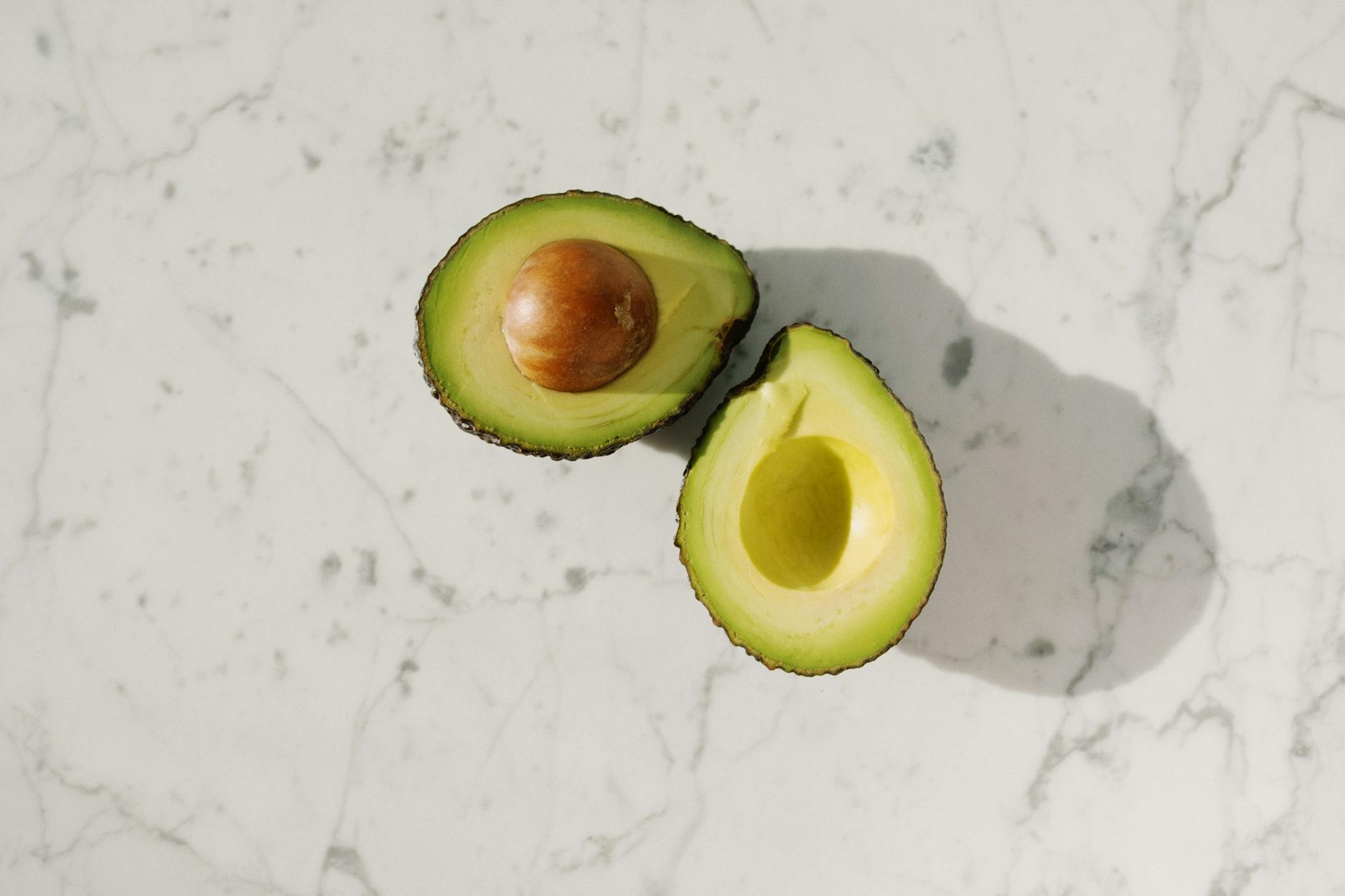
Incorporating smoothies into your routine can be a practical strategy for increasing fruit, vegetable, and fiber intake. For sustainable and healthful integration, consider these evidence-based guidelines focused on balance and consistency.
Focus on Whole-Food Composition
The nutritional value of a smoothie is determined by its ingredients. To create a balanced beverage that supports satiety and stable energy, structure your recipe around these components:
- Liquid Base: Opt for water, unsweetened plant-based milk, or plain kefir. Limit fruit juices to small quantities to manage free sugar intake.
- Fiber Source: Include 1-2 servings of whole vegetables (e.g., spinach, kale) or fruits (e.g., berries, banana). Using the whole fruit, rather than juice, preserves beneficial fiber.
- Protein & Healthy Fat: Add a source of protein (e.g., plain Greek yogurt, protein powder, tofu) and healthy fat (e.g., nut butter, chia seeds, avocado). This macronutrient combination can help modulate the glycemic response and promote fullness.
Integrate Smoothies Thoughtfully
View smoothies as a component of your overall dietary pattern, not a standalone solution. They are most effective when they displace less nutrient-dense choices, such as a sugary breakfast pastry or a skipped meal.
- Timing: They can serve as a convenient breakfast or post-exercise recovery meal. Be mindful of consuming them slowly to aid satiety.
- Portion Awareness: Even healthy ingredients contribute calories. Be cognizant of portion sizes, especially when adding calorie-dense items like nuts, seeds, and avocados.
- Oral Health: Sipping a smoothie over a prolonged period can expose teeth to sugars and acids. Consider using a straw and rinsing with water afterward.
Clinical Consideration: While smoothies can increase micronutrient and fiber intake, the evidence for specific "detox" or "transformative" claims is lacking. Individuals with diabetes should carefully account for carbohydrate content, and those with kidney disease may need to monitor potassium and phosphorus from certain ingredients. Anyone with a history of eating disorders, significant food allergies, or who is on medication affected by dietary vitamin K (e.g., warfarin) should consult a physician or registered dietitian before making significant dietary changes.
Ultimately, the most beneficial routine is one you can maintain. Start with simple recipes, listen to your body's hunger cues, and adjust ingredients to meet your personal nutritional needs and preferences.
5. When to Consult a Healthcare Professional
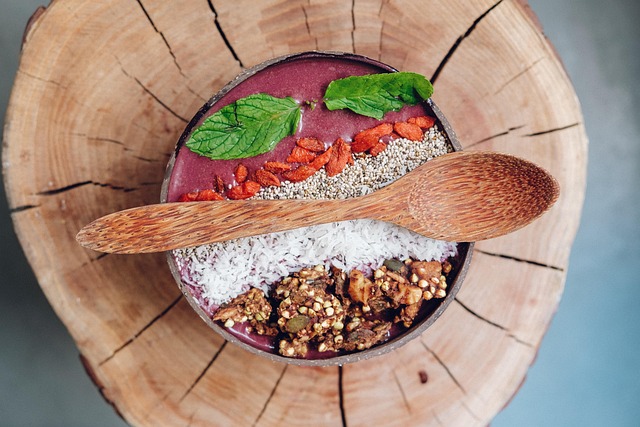
While incorporating nutrient-dense smoothies into your routine is generally safe for most healthy individuals, certain health conditions, medications, and individual circumstances necessitate professional medical guidance. This chapter outlines key scenarios where consulting a physician or registered dietitian is a prudent and necessary step.
Pre-existing Medical Conditions
If you have a diagnosed chronic condition, dietary changes should be coordinated with your healthcare team. This is critical for:
- Kidney Disease: High-potassium ingredients like spinach, bananas, and avocados can be dangerous if kidney function is impaired.
- Diabetes or Prediabetes: Even natural sugars from fruits and some vegetables can significantly impact blood glucose. Careful carbohydrate counting and insulin adjustment may be required.
- Gastrointestinal Disorders: High-fiber blends or specific ingredients (e.g., cruciferous vegetables, certain seeds) may exacerbate symptoms of IBS, IBD, or gastroparesis.
- History of Eating Disorders: Any structured dietary program, even one focused on "health," can potentially trigger disordered eating patterns.
Medication Interactions and Nutrient Absorption
Smoothies can interact with medications. For example, high amounts of vitamin K (from leafy greens) can interfere with blood thinners like warfarin. Furthermore, ingredients like chia or flax seeds may affect the absorption of oral medications. A review of your full medication and supplement list by a doctor or pharmacist is essential.
Clinical Insight: In practice, we see patients who inadvertently create nutritional imbalances. A smoothie heavy in oxalate-rich spinach and almonds, for instance, can contribute to kidney stone risk in susceptible individuals. Professional guidance helps tailor ingredients to your unique health profile, ensuring benefits without unintended harm.
Signs Your Body May Not Be Adapting Well
Listen to your body. While initial digestive adjustment is common, persistent symptoms should be evaluated. Consult a professional if you experience:
- Severe bloating, cramping, or diarrhea lasting more than a few days.
- Unexplained fatigue, headaches, or skin reactions after consumption.
- Significant, unintended weight loss or gain.
Pregnancy, Breastfeeding, and Pediatric Use
Nutritional needs are highly specific during pregnancy, lactation, and childhood. Certain "superfoods" (e.g., unpasteurized ingredients, high-mercury fish, some herbal additions) may be contraindicated. Always seek advice from an obstetrician, pediatrician, or dietitian before implementing such routines for these populations.
In summary, while the evidence for the benefits of a diet rich in fruits, vegetables, and whole foods is strong, its application must be individualized. A brief consultation with a healthcare professional provides a safety check, ensuring your journey toward better health is both effective and secure.
6. Questions & Expert Insights
Can a 7-day smoothie plan really "transform" my health?
While a short-term dietary focus can be a positive catalyst, it's important to interpret the word "transform" with clinical caution. A 7-day plan is not a substitute for sustained lifestyle changes. The primary benefits you might experience in a week are likely related to improved hydration, increased intake of vitamins, minerals, and fiber from whole fruits and vegetables, and a potential reduction in processed foods. This can lead to feelings of increased energy and improved digestion. However, claims of significant weight loss, detoxification, or disease reversal within a week are not supported by robust evidence. The true "transformation" lies in using this focused period to build sustainable habits, like incorporating more whole plant foods into your daily routine, rather than expecting a complete physiological overhaul.
What are the potential risks or side effects of a superfood smoothie plan?
Even nutrient-dense plans carry risks for certain individuals. The most common issues are gastrointestinal, such as bloating or gas from a sudden, large increase in fiber. A significant risk is nutrient imbalance; relying heavily on smoothies can lead to inadequate intake of essential macronutrients like protein and healthy fats, potentially causing fatigue and hunger. For individuals with diabetes, smoothies can cause rapid spikes in blood sugar if they are fruit-heavy and lack protein, fiber, or fat to blunt the glycemic response. Those with kidney disease must be cautious with high-potassium ingredients like spinach and bananas. Furthermore, this approach is not suitable for individuals with a history of or active eating disorders, as it can promote restrictive patterns.
When should I talk to my doctor before starting this, and what should I discuss?
Consult your physician or a registered dietitian before starting if you have any chronic health condition (e.g., diabetes, kidney disease, gastrointestinal disorders), are pregnant or breastfeeding, take medications (especially blood thinners like warfarin, which can interact with high vitamin K from leafy greens), or have a history of disordered eating. Bring a specific list of the ingredients you plan to use regularly. Discuss your goals for the plan (e.g., "increase vegetable intake") and ask for guidance on how to adapt it safely for your health profile. A key question is: "How can I ensure I'm still meeting my full nutritional needs, including protein and essential fats, during this week?" This proactive conversation ensures the plan supports, rather than disrupts, your overall health management.
Are "superfoods" in smoothies scientifically superior to regular fruits and vegetables?
The term "superfood" is a marketing term, not a scientific classification. While ingredients like kale, berries, chia seeds, and turmeric are indeed nutrient-dense, no single food holds the key to optimal health. The robust scientific consensus is that a variety of whole plant foods—common and "super"—provides the broadest spectrum of antioxidants, phytochemicals, and nutrients. A smoothie made with spinach, banana, and flaxseed may offer a similar nutritional profile to one made with kale, acai, and chia at a fraction of the cost. The focus should be on consistent inclusion of diverse fruits, vegetables, nuts, and seeds, rather than seeking expensive, trendy ingredients. The health benefit comes from the overall dietary pattern, not isolated "magic" bullets.
7. In-site article recommendations
8. External article recommendations
9. External resources
The links below point to reputable medical and evidence-based resources that can be used for further reading. Always interpret them in the context of your own situation and your clinician’s advice.
-
mayoclinic mayoclinic.orgsuperfood smoothies – Mayo Clinic (search)
-
wikipedia wikipedia.orgsuperfood smoothies – Wikipedia (search)
-
healthline healthline.comsuperfood smoothies – Healthline (search)
These external resources are maintained by third-party organisations. Their content does not represent the editorial position of this site and is provided solely to support readers in accessing additional professional information.