
1. Introduction to Bodyweight Exercises and Waist Circumference Management
Managing waist circumference is a significant health marker, as excess abdominal fat is strongly associated with an increased risk of cardiometabolic conditions, including type 2 diabetes and cardiovascular disease. While no single exercise plan can guarantee specific results in a fixed timeframe, a structured approach to physical activity is a cornerstone of evidence-based weight and body composition management.
Bodyweight exercises, which use an individual's own mass for resistance, offer a practical and accessible entry point to strength training. The primary physiological goal for reducing waist size is to create a sustainable energy deficit, where caloric expenditure exceeds intake. This is best achieved through a combination of dietary modification and consistent physical activity that includes both cardiovascular exercise and resistance training.
Bodyweight training contributes to this goal in several key ways:
- Increasing Muscle Mass: Resistance exercise helps build and maintain lean muscle tissue. Muscle is metabolically active, meaning it burns more calories at rest than fat tissue, which can support a higher resting metabolic rate over time.
- Improving Insulin Sensitivity: Regular exercise, including strength training, helps the body use insulin more effectively. This can reduce the tendency to store fat, particularly in the abdominal region.
- Enhancing Overall Caloric Expenditure: A workout session burns calories directly, and the muscle repair process afterward creates a smaller, sustained increase in energy use.
It is important to contextualize the evidence. High-quality research consistently supports the role of regular exercise in improving body composition and reducing visceral fat. However, the rate and extent of change in waist circumference vary considerably between individuals based on genetics, baseline fitness, diet, hormonal factors, and adherence. Claims of rapid, localized fat loss ("spot reduction") from specific exercises are not supported by robust scientific evidence; fat loss occurs systematically across the body.
Clinical Perspective: From a medical standpoint, focusing solely on waist measurement can be reductive. A comprehensive health assessment considers blood pressure, lipid profiles, and blood glucose. Bodyweight exercise is a valuable tool for most people, but it should be part of a broader lifestyle strategy that prioritizes sustainable habits over short-term, drastic changes.
Individuals with pre-existing musculoskeletal conditions (e.g., chronic back pain, joint issues), cardiovascular concerns, or who are pregnant should consult a physician or a qualified physical therapist before beginning any new exercise regimen. Proper form is critical to prevent injury and maximize the benefit of bodyweight movements.
2. Physiological Mechanisms and Evidence Base for Exercise-Induced Waist Slimming
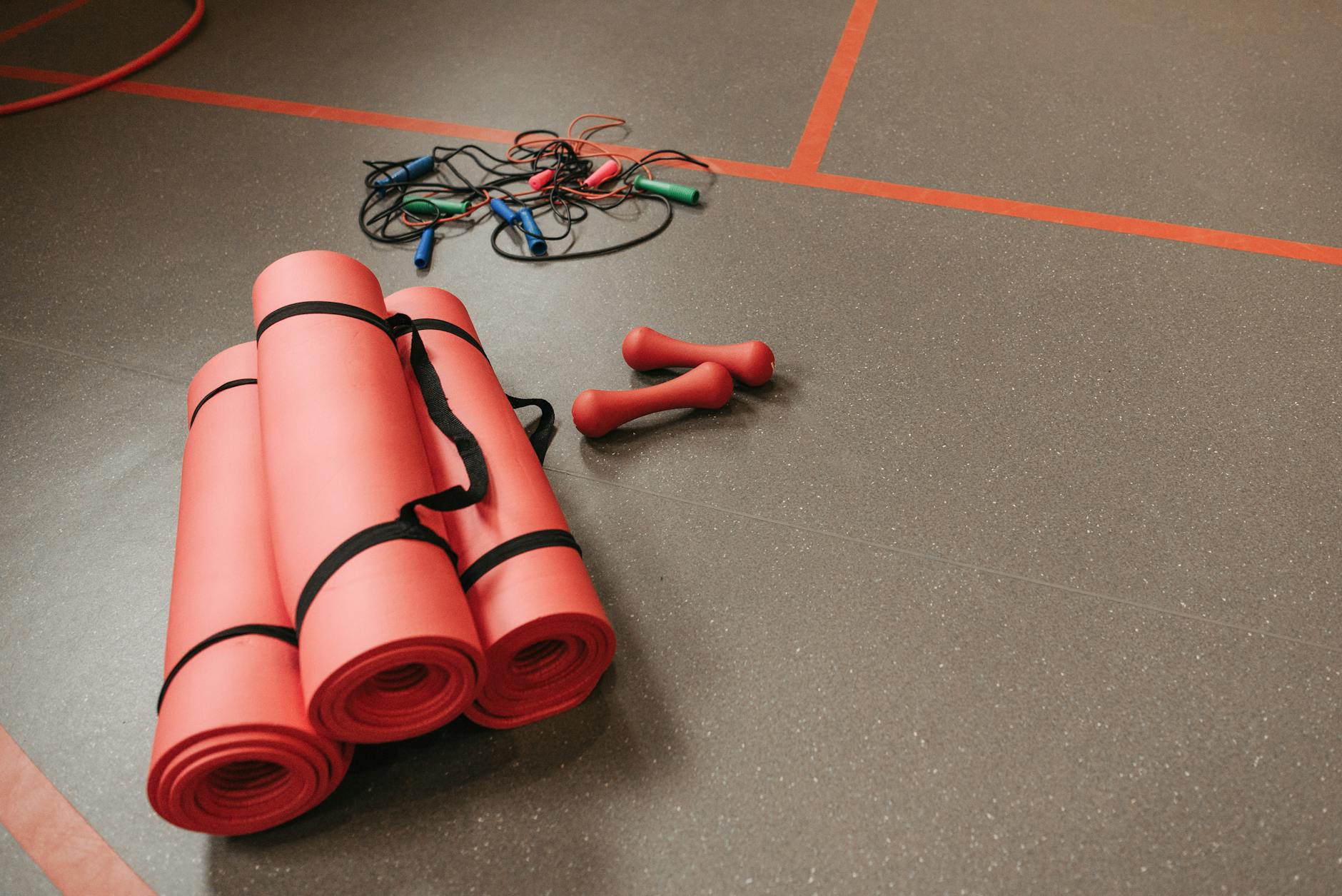
Slimming the waist through exercise is a complex physiological process that involves multiple systems. The primary mechanism is the creation of a sustained caloric deficit, where energy expenditure exceeds intake. Bodyweight exercises contribute to this deficit by increasing metabolic rate both during and after the activity, a phenomenon known as excess post-exercise oxygen consumption (EPOC).
Targeted abdominal exercises, such as planks and leg raises, primarily strengthen the underlying musculature—the rectus abdominis, obliques, and transverse abdominis. While these exercises improve core stability and posture, which can create a more toned appearance, they do not directly "burn" fat from the waist. This is a critical distinction supported by exercise physiology: spot reduction of fat is not a reliable strategy.
Clinical Insight: The concept of spot reduction is a persistent myth. Fat loss occurs systemically, influenced by genetics and hormones. Strengthening core muscles is beneficial for functional health and aesthetics, but a reduction in waist circumference requires a whole-body approach to energy balance.
The evidence base for waist slimming through exercise is strongest when considering comprehensive programs. High-quality systematic reviews confirm that regular aerobic exercise combined with resistance training is effective for reducing visceral adipose tissue—the metabolically active fat stored deep in the abdominal cavity. This type of fat loss is strongly linked to improvements in metabolic health.
However, evidence for rapid, significant waist reduction from short-term (e.g., 7-day) programs is limited. Observable changes in a week are more likely attributable to:
- Reduced bloating and fluid shifts.
- Improved muscle tone and posture.
- Initial motivational adherence to a caloric deficit.
Sustained, measurable fat loss typically requires a consistent regimen over several weeks. Individuals with pre-existing conditions such as cardiovascular disease, musculoskeletal injuries, or a history of eating disorders should consult a physician before beginning any new exercise program. Furthermore, those with specific health goals related to metabolic syndrome or obesity should seek guidance from a healthcare professional for a personalized, evidence-based plan.
3. Risks, Contraindications, and Populations to Avoid This Exercise Plan

Any new exercise regimen, including a bodyweight-focused plan, carries inherent risks if not approached with appropriate caution and preparation. While bodyweight exercises are generally considered safe for many, their intensity and specific demands can pose challenges or dangers for certain individuals. A responsible approach requires understanding these contraindications.
Absolute Contraindications and Populations to Avoid
This plan is not suitable for everyone. Individuals in the following categories should avoid starting this program without explicit clearance from a qualified healthcare provider:
- Acute or Unstable Medical Conditions: This includes recent surgery, acute musculoskeletal injury (e.g., recent sprain, fracture, or herniated disc), uncontrolled hypertension, unstable angina, or any active cardiac condition.
- Certain Chronic Conditions: Individuals with severe osteoporosis, unmanaged hypertension, symptomatic hernias (inguinal, umbilical, or hiatal), or advanced osteoarthritis in weight-bearing joints may risk exacerbating their condition.
- Pregnancy (Second and Third Trimesters) and Postpartum: The plan likely includes exercises that increase intra-abdominal pressure or involve prone positions, which are contraindicated. Postpartum individuals, especially those with diastasis recti or pelvic floor dysfunction, require a tailored rehabilitation program first.
Populations Requiring Medical Consultation & Modification
Others should seek guidance from a physician or physical therapist to assess suitability and potentially modify the program:
- Pre-existing Chronic Pain or Injury: Those with a history of chronic low back pain, rotator cuff issues, or knee pain must ensure exercises do not aggravate these conditions. Proper form is non-negotiable.
- Beginners with Very Low Fitness Levels or Sedentary Lifestyles: Jumping into an intensive daily plan risks overuse injuries, extreme muscle soreness, or discouragement. A more gradual build-up is advised.
- Individuals with Obesity: High-impact or complex bodyweight movements may place excessive stress on joints. A program should be adapted to focus on low-impact strength and mobility initially.
- Older Adults: Age-related decreases in bone density, balance, and joint integrity necessitate caution with plyometric or high-intensity interval training (HIIT) components that may be included.
Clinical Perspective: The promise of rapid change in "7 days" can lead to overexertion and poor technique, the primary drivers of exercise-related injury. Evidence strongly supports that sustainable fat loss and core strengthening occur over weeks and months, not days. A clinician would emphasize that any plan causing sharp pain, dizziness, or shortness of breath should be stopped immediately. The most significant risk is not the exercises themselves, but the potential for individuals to ignore their body's warning signals in pursuit of a short-term goal.
Finally, individuals with a history of or active eating disorders should be aware that tightly timed fitness challenges can sometimes exacerbate unhealthy relationships with food and exercise. In such cases, working with a multidisciplinary team including a mental health professional is essential.
4. Evidence-Based Practical Takeaways for a 7-Day Bodyweight Routine
This chapter consolidates the core principles for implementing a safe and effective 7-day bodyweight routine aimed at improving body composition. The focus is on actionable, evidence-informed strategies rather than short-term, unsustainable measures.
Core Principles for Efficacy
The primary goal is to create a consistent, manageable stimulus. The evidence strongly supports that regular physical activity, particularly when it includes resistance training, is a cornerstone for reducing visceral fat and improving metabolic health. A 7-day plan serves as an initiation protocol to establish this habit.
- Progressive Overload: To stimulate adaptation, you must gradually increase the challenge. This can be achieved by adding repetitions, performing slower tempos, or reducing rest periods between sets.
- Compound Movements: Prioritize exercises like squats, lunges, push-ups, and planks. These multi-joint movements engage more muscle mass, leading to a higher metabolic cost both during and after exercise (Excess Post-exercise Oxygen Consumption, or EPOC).
- Consistency Over Intensity: Completing a moderate routine daily is more beneficial for habit formation and long-term adherence than an exhaustive, unsustainable workout done once.
Realistic Expectations and Limitations
It is crucial to manage expectations. While a week of dedicated exercise can improve muscular endurance, posture, and initiate positive metabolic changes, significant reductions in waist circumference are the result of sustained effort over weeks and months. The initial changes you may see are often related to reduced bloating and improved muscle tone, not substantial fat loss.
Clinical Perspective: From a physiological standpoint, spot reduction—losing fat from a specific area like the waist through targeted exercise—is not supported by robust evidence. Fat loss occurs systemically. However, strengthening the core and major muscle groups improves posture and can create a more toned appearance, which may be perceived as a "slimmer" waistline. The value of a short-term plan lies in its potential to kickstart long-term behavioral change.
Safety and Contraindications
While bodyweight exercises are generally low-risk, certain individuals should exercise caution or seek medical clearance:
- Those with pre-existing musculoskeletal conditions (e.g., chronic low back pain, knee osteoarthritis).
- Individuals with cardiovascular, respiratory, or metabolic diseases.
- Anyone experiencing pain during movement (beyond typical muscular fatigue).
- Pregnant individuals or those in postpartum recovery.
Listening to your body is paramount. Proper form is more important than the number of repetitions. If you are new to exercise or returning after a long hiatus, consider consulting a physician or a certified exercise professional before beginning any new fitness regimen.
5. Safety Considerations and Indicators for Medical Consultation
Any new physical activity regimen, including a bodyweight exercise plan, carries inherent risks that must be acknowledged and managed. A foundational principle of clinical exercise science is that the potential benefits of physical activity are maximized, and risks minimized, when an individual's unique health status is considered. This chapter outlines essential safety protocols and clear indicators for when medical consultation is a prerequisite.
Before commencing this or any exercise program, individuals with known or suspected medical conditions should obtain clearance from a qualified healthcare provider. This is non-negotiable for those with:
- Cardiovascular conditions (e.g., hypertension, coronary artery disease, history of stroke or heart attack).
- Musculoskeletal injuries, chronic joint pain (especially in the spine, hips, or knees), or recent surgery.
- Metabolic disorders such as diabetes.
- Respiratory conditions like asthma or COPD.
- Pregnancy or postpartum status.
Even for individuals without diagnosed conditions, it is critical to differentiate between normal exercise-induced discomfort and pain that signals potential harm. A useful clinical heuristic is to avoid any movement that causes sharp, shooting, or radiating pain, joint instability, or pain that persists or worsens after ceasing the activity. The sensation of muscular fatigue or a mild "burn" is typical; joint pain or pinching is not.
Expert Insight: In practice, the most common preventable injuries in novice exercise programs stem from poor technique and excessive progression. The evidence strongly supports the principle of "progressive overload"—gradually increasing intensity—to allow for musculoskeletal adaptation. Attempting advanced movements or excessive volume too quickly bypasses this adaptive process, significantly elevating injury risk. Quality of movement always supersedes quantity.
Be vigilant for systemic indicators that necessitate immediate cessation of exercise and warrant medical consultation. These include:
- Chest pain, pressure, or unusual tightness.
- Severe shortness of breath, dizziness, lightheadedness, or fainting.
- Palpitations or an irregular heartbeat.
- Excessive or unexpected nausea.
Finally, contextualize the program's claims. While regular exercise is strongly evidenced to improve body composition and metabolic health, the timeframe of "7 days" should be viewed as the start of a behavioral process, not a guarantee of specific anthropometric outcomes. Sustainable waist circumference reduction involves a long-term synergy of consistent exercise, nutritional strategies, and other lifestyle factors. Proceed with patience, attentiveness to your body's signals, and professional guidance when in doubt.
6. Questions & Expert Insights
Can I really slim my waist in just 7 days with bodyweight exercises?
While a dedicated week of exercise can initiate positive changes, it's important to set realistic expectations. A 7-day plan can kickstart a fitness routine, improve posture, and potentially lead to a small reduction in bloating or water retention, which may make your waist appear slimmer. However, significant, sustainable fat loss from a specific area—known as spot reduction—is not supported by exercise physiology evidence. Fat loss occurs systemically. The true value of a short, intensive plan is in building discipline, establishing a movement habit, and strengthening core muscles, which can improve your waist's appearance over a longer period. Think of the first week as a foundation, not a finish line.
Who should avoid or be extremely cautious with this type of intensive plan?
This approach is not suitable for everyone. Individuals with the following conditions or situations should avoid it or seek explicit medical clearance: anyone with a history of back, hip, or abdominal injuries; diagnosed abdominal separation (diastasis recti), especially postpartum; cardiovascular or respiratory conditions; uncontrolled hypertension; or a history of eating disorders, as intensive short-term plans can trigger unhealthy patterns. Furthermore, those who are completely sedentary should not jump into a daily intensive routine without a gradual build-up, as the risk of musculoskeletal injury is high. The plan's intensity and specific movements (like twists or planks) may be contraindicated.
When should I talk to a doctor before starting, and what should I discuss?
Consult a physician or a physical therapist if you have any pre-existing medical conditions, are recovering from injury, are pregnant or postpartum, or are taking medications that affect heart rate or energy levels. Before your appointment, prepare to discuss: 1) The specific exercises in the plan (bring a list), 2) Your full medical history and current symptoms, 3) Your current activity level, and 4) Your specific goals. This allows the professional to give personalized advice, such as recommending safer exercise modifications, advising on appropriate intensity monitoring (e.g., using heart rate or perceived exertion), or suggesting a more suitable starting program. This step is a hallmark of responsible self-care.
How much of the waist "slimming" might be due to reduced bloating versus actual fat loss?
In a one-week timeframe, a noticeable change is more likely attributable to reduced visceral bloating than to substantive fat loss. Factors like increased water intake, reduced intake of high-sodium processed foods that often accompany a new fitness kick, and the physical motion of exercise stimulating digestion can all decrease abdominal distension. Actual fat loss requires a sustained caloric deficit over time. While the exercises will burn calories, creating a large enough deficit to manifest as measurable fat loss in one week is challenging and not typically recommended for health. Therefore, initial results should be framed as a reduction in puffiness and improved muscle tone, which are valuable outcomes in themselves and can motivate longer-term adherence to healthy habits.
7. In-site article recommendations
8. External article recommendations
9. External resources
The links below point to reputable medical and evidence-based resources that can be used for further reading. Always interpret them in the context of your own situation and your clinician’s advice.
-
healthline healthline.combodyweight exercises – Healthline (search)
-
wikipedia wikipedia.orgbodyweight exercises – Wikipedia (search)
-
drugs drugs.combodyweight exercises – Drugs.com (search)
These external resources are maintained by third-party organisations. Their content does not represent the editorial position of this site and is provided solely to support readers in accessing additional professional information.