
1. Introduction to Fiber and Satiety in Healthy Eating

In the landscape of nutrition, dietary fiber stands out for its well-documented role in promoting satiety—the feeling of fullness and satisfaction after a meal. This chapter provides a foundational understanding of how fiber functions within a healthy eating pattern, setting the stage for practical, evidence-based meal ideas.
Fiber is a type of carbohydrate that the human body cannot digest. It passes through the digestive system relatively intact, providing several physiological benefits that contribute to satiety:
- Bulking and Gastric Distension: Soluble fiber absorbs water, forming a gel-like substance that slows gastric emptying. This physical bulking in the stomach sends signals of fullness to the brain.
- Slowed Nutrient Absorption: By delaying the digestion and absorption of other nutrients, particularly carbohydrates, fiber helps prevent rapid spikes and subsequent crashes in blood sugar, which are often linked to hunger and cravings.
- Hormonal Modulation: The fermentation of fiber by gut bacteria produces short-chain fatty acids, which may influence the release of gut hormones like peptide YY (PYY) and glucagon-like peptide-1 (GLP-1), both associated with increased satiety.
The evidence supporting fiber's role in promoting fullness is robust, primarily from systematic reviews and meta-analyses of intervention studies. However, it is important to note that individual responses can vary based on gut microbiome composition, baseline diet, and the specific type and amount of fiber consumed.
Clinical Perspective: From a clinical standpoint, prioritizing fiber-rich whole foods is a cornerstone of sustainable weight management and metabolic health. It shifts focus from restrictive calorie counting to nourishing food choices that naturally regulate appetite. The subsequent chapters provide meal examples that integrate these principles.
While increasing fiber intake is widely recommended for the general population, certain individuals should proceed with caution and ideally consult a healthcare provider first. This includes people with active inflammatory bowel disease (e.g., Crohn's disease flare-up), those with a history of bowel obstructions, or individuals with certain gastrointestinal motility disorders. A gradual increase in fiber intake with adequate fluid is universally advised to minimize potential side effects like bloating or gas.
This foundational knowledge underscores why high-fiber meals can be a powerful tool for feeling full for hours, supporting a balanced approach to eating that emphasizes food quality and physiological signals over strict numerical tracking.
2. Evidence-Based Mechanisms of Fiber-Induced Satiety

The ability of dietary fiber to promote satiety—the feeling of fullness and satisfaction after eating—is one of its most well-documented physiological effects. This is not a single mechanism but a cascade of physical and hormonal events initiated by fiber's unique properties. Understanding these mechanisms provides a scientific foundation for why high-fiber meals can be so effective for appetite control.
Primary Physiological Mechanisms
The evidence for fiber's role in satiety is robust and centers on three core, interrelated actions:
- Gastric Distension and Delayed Emptying: Soluble fibers, such as those in oats, beans, and apples, form a viscous gel in the stomach. This gel increases the volume and thickness of stomach contents, promoting a sense of fullness through mechanoreceptor signaling. It also slows gastric emptying, which prolongs the distension signal and the release of nutrients into the small intestine.
- Nutrient Absorption and Hormonal Signaling: The slowed digestion leads to a more gradual absorption of glucose and other nutrients. This blunts the post-meal spike in blood sugar and insulin. Concurrently, the presence of nutrients in the small intestine stimulates the release of satiety hormones like peptide YY (PYY) and glucagon-like peptide-1 (GLP-1), which signal the brain to reduce appetite.
- Fermentation and Short-Chain Fatty Acids (SCFAs): A significant portion of dietary fiber, particularly insoluble and resistant types, reaches the colon intact. Here, gut bacteria ferment it, producing SCFAs like acetate, propionate, and butyrate. These SCFAs are not just fuel for colon cells; they also act as signaling molecules that can influence appetite-regulating hormones and pathways in the brain.
Clinical Insight: While the hormonal and fermentative pathways are strongly supported by research, their direct magnitude of effect on subjective hunger in free-living individuals can vary. Individual differences in gut microbiota composition, baseline diet, and metabolic health mean the satiety response is consistent in direction but variable in degree. The most reliable and immediate effect for most people is the physical bulk and delayed gastric emptying.
Evidence Strength and Practical Considerations
The evidence for the physical (bulking and slowing) effects of fiber is considered strong and consistent across numerous randomized controlled trials. The evidence for the hormonal and SCFA-mediated pathways is also substantial, though some details on their relative contributions in humans are still an active area of research.
It is important to note that increasing fiber intake should be done gradually, with adequate water consumption, to minimize potential gastrointestinal discomfort like bloating or gas. Individuals with certain digestive conditions, such as active inflammatory bowel disease (IBD), small intestinal bacterial overgrowth (SIBO), or a history of bowel obstructions, should consult a gastroenterologist or registered dietitian before significantly altering their fiber intake.
3. Risks and Contraindications for High-Fiber Diets
While a high-fiber diet is broadly recommended for its well-established benefits, including improved digestion and satiety, a rapid or poorly managed increase in fiber intake can lead to significant discomfort and, in specific clinical scenarios, pose health risks. Acknowledging these potential issues is a critical component of responsible dietary planning.
Common Adverse Effects and Mitigation
The most frequently reported issues are gastrointestinal and are strongly linked to a sudden, large increase in fiber consumption. These effects are typically transient but can be unpleasant.
- Bloating, Gas, and Abdominal Cramping: This occurs as gut bacteria ferment soluble fiber. The evidence is clear that a gradual increase over several weeks, coupled with adequate fluid intake, allows the gut microbiome to adapt and significantly reduces these symptoms.
- Constipation: Paradoxically, increasing fiber without a proportional increase in water intake can worsen constipation. Insoluble fiber adds bulk, but requires fluid to form a soft stool. This is a key practical consideration often overlooked.
Clinical Insight: In practice, we advise patients to increase fiber by about 5 grams per day each week, while ensuring they drink an extra glass of water with each high-fiber meal. This paced approach is far more sustainable and comfortable than a drastic change.
Important Contraindications and Precautions
For individuals with certain medical conditions, a standard high-fiber diet may be inappropriate or require close medical supervision.
- Inflammatory Bowel Disease (IBD) Flares: During active flares of Crohn's disease or ulcerative colitis, high-fiber foods, particularly insoluble fiber, can irritate the inflamed intestinal lining and exacerbate symptoms. A low-residue diet is often prescribed temporarily.
- History of Bowel Obstruction or Strictures: Individuals with a narrowed gastrointestinal tract, from conditions like advanced diverticulitis or surgical adhesions, are at risk of blockage from high-fiber bulk.
- Chronic Kidney Disease (CKD): Many high-fiber foods like beans, nuts, and whole grains are also high in phosphorus and potassium. In advanced CKD, where mineral balance is critical, dietary fiber sources must be carefully selected and managed by a renal dietitian.
Medication Interactions
Fiber can bind to certain medications in the gut, reducing their absorption and efficacy. This is a well-documented interaction. Key examples include some antibiotics (e.g., tetracyclines), thyroid hormones (levothyroxine), and certain heart medications (e.g., digoxin). The standard clinical advice is to take these medications at least 2-4 hours apart from fiber supplements or high-fiber meals.
Key Takeaway: The benefits of fiber are substantial, but they are best achieved through a gradual, hydrated approach. Individuals with the conditions mentioned above, those on long-term medications, or anyone with persistent digestive distress should consult a physician or a registered dietitian before making significant dietary changes. Personalized guidance can help you increase fiber safely and effectively.
4. Practical Strategies for High-Fiber Meal Planning
Successfully integrating high-fiber meals into your routine requires a structured, sustainable approach. The goal is to increase fiber intake gradually and consistently to avoid gastrointestinal discomfort while achieving the well-documented satiety benefits. Evidence from systematic reviews strongly supports that dietary fiber promotes fullness and aids in weight management by slowing gastric emptying and modulating gut hormones.
Begin by focusing on whole-food swaps. Instead of overhauling your entire diet, make incremental substitutions:
- Choose whole-grain bread, pasta, and brown rice over refined versions.
- Add legumes like lentils, chickpeas, or black beans to soups, salads, and stews.
- Incorporate a serving of vegetables at both lunch and dinner, aiming for variety in color and type.
Meal prepping is a highly effective strategy. Dedicate time to prepare key high-fiber components that can be mixed and matched:
- Cook a large batch of quinoa or barley to use as a base for grain bowls.
- Roast a tray of diverse vegetables (e.g., broccoli, bell peppers, carrots).
- Prepare a bean-based salad or a hearty lentil soup that can be portioned for several days.
Hydration is non-negotiable. Fiber absorbs water, so increasing intake without adequate fluids can lead to constipation. Aim to drink water consistently throughout the day.
Clinical Consideration: While increasing dietary fiber is broadly recommended, certain individuals should proceed with caution and ideally consult a physician or registered dietitian first. This includes people with active inflammatory bowel disease (e.g., Crohn's disease flare-ups), a history of bowel obstructions, or those with specific renal (kidney) or gastrointestinal motility disorders. Furthermore, a sudden, large increase in fiber can cause bloating and gas; the "start low and go slow" adage is evidence-based advice to improve tolerability.
Finally, listen to your body's response. The evidence for fiber's role in satiety and metabolic health is robust, but individual tolerance varies. Note which high-fiber foods you enjoy and which leave you feeling comfortably full for longest. This personalized approach, grounded in consistent habits rather than calorie counting, is the cornerstone of sustainable nutrition.
5. Safety Considerations and When to Consult a Healthcare Provider
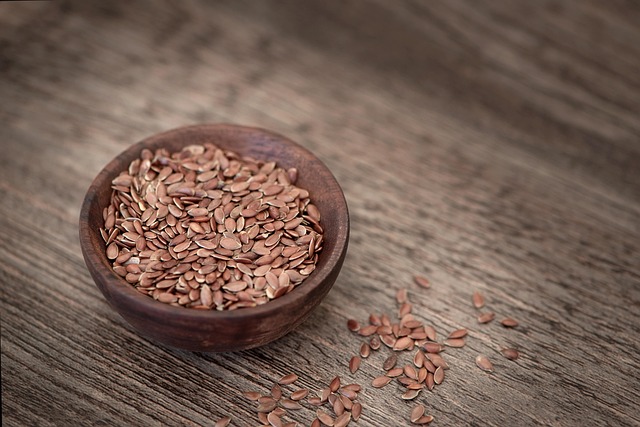
While a high-fiber diet is broadly recommended for its well-established benefits for digestive health, blood sugar control, and satiety, a rapid or significant increase in fiber intake is not without potential side effects. A measured, gradual approach is essential for safety and comfort.
The most common issues arise from a sudden dietary shift. Introducing large amounts of fiber too quickly can lead to gastrointestinal distress, including:
- Bloating and Gas: This is a normal result of gut bacteria fermenting soluble fiber. It typically subsides as the microbiome adapts.
- Abdominal Cramping: Often related to increased bulk and motility in the digestive tract.
- Constipation: Ironically, increasing fiber without a concurrent, significant increase in fluid intake can worsen constipation. Fiber absorbs water to add bulk to stool.
To mitigate these effects, it is strongly advised to increase fiber intake gradually over several weeks, ensuring you drink plenty of water throughout the day.
Clinical Insight: In clinical practice, we emphasize "low and slow." A jump from 15 to 40 grams of fiber daily in a couple of days is a recipe for discomfort. Aim to add an extra 3-5 grams per day each week, paired with at least 2 liters of water for most adults, to allow the gut to adapt smoothly.
Who Should Exercise Particular Caution or Consult a Provider First?
For individuals with certain pre-existing health conditions, dietary changes should be undertaken only after consultation with a physician or registered dietitian. This is not to discourage a high-fiber diet but to ensure it is implemented safely within the context of your overall health management.
- Individuals with Chronic Kidney Disease (CKD): Those on potassium- or phosphorus-restricted diets must be mindful, as many high-fiber foods (like beans, lentils, and certain vegetables) are also high in these minerals.
- Those with Active Inflammatory Bowel Disease (IBD): During a flare-up of Crohn's disease or ulcerative colitis, high-fiber foods, particularly insoluble fiber, may exacerbate symptoms. Dietary guidance should come from a gastroenterologist.
- People with a History of Bowel Obstruction or Major Abdominal Surgery: A healthcare provider can advise on safe fiber levels and types.
- Individuals Taking Specific Medications: High fiber intake can interfere with the absorption of certain medications, including some for thyroid conditions (levothyroxine), heart issues (digoxin), and mental health (some tricyclic antidepressants). Taking medications at least 1-2 hours apart from a high-fiber meal is a standard precaution, but professional advice is key.
Furthermore, if you experience severe pain, persistent vomiting, or an inability to pass gas or stool after increasing fiber, seek immediate medical attention, as these could be signs of a more serious complication like an obstruction.
In summary, the evidence for the long-term health benefits of a high-fiber diet is robust. However, its implementation requires a personalized and cautious strategy. Consulting a healthcare provider ensures this dietary approach supports your health goals without unintended consequences.
6. Questions & Expert Insights
Can eating high-fiber meals really help with weight management without counting calories?
High-fiber foods can be a valuable component of a weight management strategy, but they are not a standalone solution. The mechanism is physiological: fiber, particularly soluble fiber, slows gastric emptying and promotes the release of satiety hormones like GLP-1 and PYY, which can lead to reduced overall calorie intake at subsequent meals. This can create a natural calorie deficit without meticulous tracking. However, the evidence shows this effect is supportive and modest; it does not override the fundamental principle of energy balance. Long-term weight management success typically involves a combination of dietary quality, portion awareness, physical activity, and behavioral strategies. Relying solely on fiber without any attention to overall dietary patterns is unlikely to be effective.
What are the potential side effects or risks of suddenly increasing my fiber intake?
A rapid, significant increase in dietary fiber—especially if fluid intake is not concurrently increased—can lead to uncomfortable gastrointestinal side effects. These commonly include bloating, gas, abdominal cramping, and either constipation or diarrhea. To mitigate this, it is crucial to increase fiber intake gradually over several weeks and ensure adequate hydration by drinking plenty of water throughout the day. There are specific populations who should exercise particular caution or consult a doctor before making major changes: individuals with active inflammatory bowel disease (IBD), certain types of bowel obstructions, or a history of gastrointestinal surgeries. Those with chronic kidney disease needing to limit potassium or phosphorus may also need guidance, as many high-fiber foods (like beans and lentils) are rich in these minerals.
I have a medical condition. When should I talk to my doctor before changing to a high-fiber diet?
You should consult your physician or a registered dietitian before significantly altering your diet if you have a chronic gastrointestinal condition (e.g., Crohn's disease, ulcerative colitis, IBS, diverticulitis), chronic kidney disease, diabetes (as fiber affects medication needs), or are on medications that affect nutrient absorption. It is also prudent before making changes if you are pregnant or breastfeeding. For the appointment, bring a list of your current medications and supplements, a typical day's food log, and specific questions about the high-fiber meals you wish to incorporate. This allows your healthcare provider to give personalized advice, adjust medication timing if needed, and ensure the dietary shift supports your overall treatment plan without unintended interactions.
Is there a risk of nutrient deficiency if I focus too much on high-fiber, plant-based meals?
While high-fiber, plant-based meals are rich in vitamins, minerals, and phytonutrients, an overly restrictive focus without variety can potentially lead to insufficiencies in certain nutrients that are less abundant or less bioavailable in plants. These include vitamin B12, iron (heme iron), zinc, calcium, and omega-3 fatty acids (DHA and EPA). The risk is not from the fiber itself, but from an imbalanced diet that excludes or severely limits animal products or other food groups without careful planning. To ensure nutritional adequacy, emphasize diversity within plant-based foods (legumes, nuts, seeds, whole grains, fruits, vegetables) and consider fortified foods or supplements for nutrients like B12. If adopting a predominantly or exclusively plant-based pattern, consulting a dietitian is highly recommended to develop a comprehensive plan.
7. In-site article recommendations
8. External article recommendations
9. External resources
The links below point to reputable medical and evidence-based resources that can be used for further reading. Always interpret them in the context of your own situation and your clinician’s advice.
-
mayoclinic mayoclinic.orghigh-fiber meals – Mayo Clinic (search)
-
healthline healthline.comhigh-fiber meals – Healthline (search)
-
wikipedia wikipedia.orghigh-fiber meals – Wikipedia (search)
These external resources are maintained by third-party organisations. Their content does not represent the editorial position of this site and is provided solely to support readers in accessing additional professional information.