
1. Introduction to High-Fiber Mediterranean Diets and Weight Management
The Mediterranean diet is consistently ranked among the most evidence-based dietary patterns for long-term health. Its core principles—emphasizing fruits, vegetables, whole grains, legumes, nuts, seeds, and olive oil, with moderate fish and poultry and limited red meat and sweets—are strongly associated with reduced risks of cardiovascular disease, type 2 diabetes, and certain cancers. A key mechanism underlying these benefits, and one particularly relevant for weight management, is its inherently high dietary fiber content.
Integrating high-fiber foods into this dietary framework creates a synergistic approach to sustainable weight control. The evidence for this combined strategy is robust, supported by numerous observational studies and clinical trials. The mechanisms are well-understood and multifactorial:
- Enhanced Satiety: Fiber, especially viscous soluble fiber found in foods like oats, barley, legumes, and apples, slows gastric emptying and promotes the release of satiety hormones, helping to reduce overall calorie intake.
- Improved Gut Health: Fiber acts as a prebiotic, feeding beneficial gut bacteria. A healthy gut microbiome is increasingly linked to better metabolic regulation and reduced inflammation, which can influence body weight.
- Nutrient Density: High-fiber Mediterranean foods are typically rich in essential vitamins, minerals, and phytonutrients while being relatively low in energy density, allowing for satisfying portions without excessive calories.
- Stabilized Blood Glucose: The fiber and healthy fats in this diet pattern help prevent sharp spikes and crashes in blood sugar, reducing cravings and promoting stable energy levels.
It is important to distinguish the strong evidence for the general Mediterranean diet pattern from more specific claims about "high-fiber" versions. While the logic is sound and supported by mechanistic studies, long-term randomized controlled trials specifically on "high-fiber Mediterranean diets" for weight loss are less extensive. The benefits presented here are extrapolated from the well-established effects of both components.
Clinical Consideration: While increasing fiber is generally safe for most, it should be done gradually with adequate hydration to prevent gastrointestinal discomfort. Individuals with certain medical conditions, such as active inflammatory bowel disease (IBD), a history of bowel obstructions, or severe kidney disease requiring potassium restriction (as many high-fiber foods are also high in potassium), should consult a physician or registered dietitian before significantly altering their diet. Those with swallowing difficulties or gastroparesis also require individualized guidance.
This chapter serves as the foundation for understanding how the following seven meal concepts are designed. They are not short-term "diets" but examples of how to operationalize the principles of a high-fiber Mediterranean eating pattern to support lasting weight management as part of a holistic lifestyle.
2. Evidence and Mechanisms Supporting Weight Management
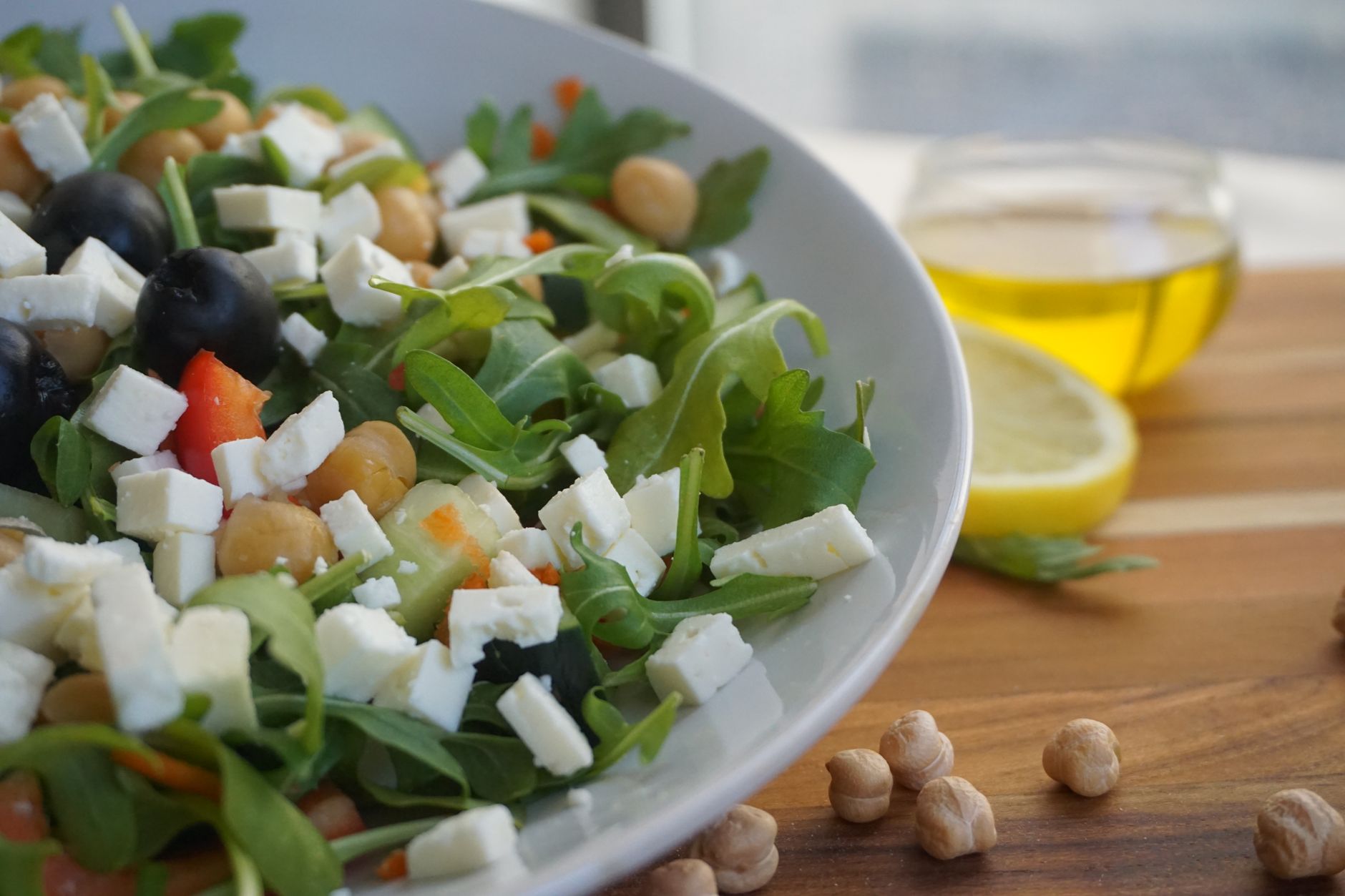
The Mediterranean diet, particularly when rich in high-fiber foods, is one of the most extensively studied dietary patterns for long-term health and weight management. Its efficacy is not attributed to a single "miracle" component but to a synergistic combination of mechanisms supported by a robust body of evidence.
High-fiber Mediterranean meals support weight management through several well-documented physiological pathways:
- Enhanced Satiety and Reduced Caloric Intake: Dietary fiber, especially soluble fiber from legumes, oats, and vegetables, slows gastric emptying and promotes the release of satiety hormones like GLP-1 and PYY. This leads to a natural reduction in subsequent calorie consumption.
- Improved Gut Microbiota Composition: Fiber acts as a prebiotic, fermenting in the colon to produce short-chain fatty acids (SCFAs) like butyrate. SCFAs are linked to improved metabolic health, reduced inflammation, and enhanced insulin sensitivity, which can facilitate healthier body weight regulation.
- Nutrient Density and Displacement: Meals centered on vegetables, fruits, whole grains, and legumes are high in volume and nutrients but relatively low in energy density. This promotes fullness while displacing more calorie-dense, ultra-processed foods.
The evidence supporting this approach is strong. Systematic reviews and meta-analyses of randomized controlled trials consistently show that adherence to a Mediterranean dietary pattern is associated with greater weight loss and reduced waist circumference compared to control diets, particularly low-fat diets. Furthermore, long-term observational studies link the Mediterranean diet with a lower risk of weight gain and obesity over time.
Clinical Perspective: It's important to contextualize this evidence. While the diet is effective for many, individual results vary based on genetics, baseline diet, and activity level. The diet's benefits for weight are most pronounced when it replaces a typical Western diet high in processed foods and added sugars. It is not a rapid weight-loss protocol but a sustainable framework for weight management and metabolic health.
It is also crucial to note limitations and cautions. Some individuals, particularly those with certain gastrointestinal conditions like Irritable Bowel Syndrome (IBS) or Inflammatory Bowel Disease (IBD), may need to modify fiber intake and introduce it gradually under medical guidance. Those with kidney disease should consult a dietitian regarding the potassium and phosphorus content of a plant-rich diet. As with any significant dietary change, individuals on medication or with chronic health conditions should discuss this approach with their physician.
3. Risks and Contraindications

While a high-fiber Mediterranean diet is widely recognized as a safe and sustainable pattern of eating, a responsible approach requires acknowledging specific scenarios where caution is warranted. The principles of increasing fiber and adopting this dietary model are not universally applicable without individual consideration.
Gastrointestinal Considerations
A rapid, significant increase in dietary fiber—particularly from legumes, whole grains, and vegetables—can lead to uncomfortable gastrointestinal symptoms. This is the most common "risk" for individuals new to this way of eating.
- Bloating, Gas, and Cramping: The gut microbiome requires time to adapt to increased fermentable fibers (prebiotics). A sudden influx can cause excessive gas production.
- Constipation or Diarrhea: Insoluble fiber adds bulk, but without adequate fluid intake, it can worsen constipation. Conversely, too much soluble fiber too quickly can have a laxative effect.
Mitigation Strategy: Increase fiber intake gradually over several weeks and ensure consistent, high water intake (at least 2-3 liters daily).
Medical Conditions Requiring Professional Guidance
Individuals with certain chronic health conditions should consult a physician or registered dietitian before making substantial dietary changes.
- Chronic Kidney Disease (CKD): Some Mediterranean staples, like legumes, nuts, and whole grains, are higher in potassium and phosphorus. Patients with advanced CKD often require controlled intake of these minerals.
- Small Intestinal Bacterial Overgrowth (SIBO) or IBS: High-fiber and high-FODMAP foods (e.g., garlic, onions, legumes, certain fruits) common in Mediterranean meals can exacerbate symptoms like bloating and pain in these conditions. A low-FODMAP adaptation may be necessary.
- History of Eating Disorders: Any prescriptive dietary pattern, even a healthy one, can potentially trigger restrictive or obsessive behaviors in susceptible individuals. Focus should be on overall health, not rigid meal rules.
Clinical Insight: In practice, the Mediterranean diet's flexibility is its strength. For patients with contraindications, we don't discard the model; we adapt it. For someone with CKD, we might emphasize lower-potassium vegetables and adjust portion sizes of legumes. The core principles—prioritizing whole foods, healthy fats, and plant-based proteins—remain the guiding framework, tailored to the individual's medical needs.
Medication and Nutrient Interactions
High fiber intake can interfere with the absorption of certain medications, such as some thyroid hormones (levothyroxine), certain antidepressants, and specific heart medications. It is generally advised to take these medications at least 1-2 hours apart from high-fiber meals. Furthermore, while the diet is nutrient-dense, individuals with specific malabsorption issues (e.g., Crohn's disease, celiac disease) or those on very restrictive calorie intakes should be mindful of monitoring nutrient status.
Key Takeaway: The evidence strongly supports the general safety and health benefits of a high-fiber Mediterranean diet. However, its implementation should be gradual and individualized. If you have a chronic digestive condition, kidney disease, are on long-term medication, or have a complex medical history, a consultation with your healthcare provider is a prudent first step to ensure this dietary approach supports your specific health goals safely.
4. Practical Implementation and Meal Ideas

Translating the principles of a high-fiber Mediterranean diet into daily practice requires a focus on whole-food swaps and strategic meal assembly. The goal is to create satisfying, nutrient-dense meals that naturally support satiety and metabolic health.
Core Meal Assembly Framework
Each meal should be built around a balanced plate:
- Half the plate: Non-starchy vegetables (e.g., leafy greens, broccoli, peppers, tomatoes).
- One quarter: High-fiber, complex carbohydrates (e.g., quinoa, farro, bulgur, lentils, chickpeas, or whole-grain bread/pasta).
- One quarter: Lean protein (e.g., fish, skinless poultry, eggs, or legumes).
- Add healthy fats: A serving of unsaturated fat (e.g., extra virgin olive oil, olives, avocado, or a small handful of nuts/seeds).
Sample High-Fiber Mediterranean Meal Ideas
These ideas illustrate the framework with specific, evidence-based combinations known for their nutrient profile and satiating properties.
- Lentil & Vegetable Soup: A broth-based soup with brown lentils, carrots, celery, kale, and onions, seasoned with herbs. Served with a side of whole-grain bread drizzled with olive oil.
- Chickpea & Quinoa Bowl: A base of cooked quinoa and chickpeas topped with roasted vegetables (zucchini, eggplant, red onion), crumbled feta, and a lemon-tahini dressing.
- Mediterranean Stuffed Peppers: Bell peppers stuffed with a mixture of lean ground turkey or lentils, bulgur wheat, tomatoes, spinach, and herbs, baked with a tomato sauce.
Clinical Insight: The high fiber and protein content in these meals promotes the release of satiety hormones like GLP-1 and peptide YY, which can help regulate appetite. However, individuals with certain gastrointestinal conditions (e.g., IBS, IBD, or gastroparesis) or those new to high-fiber diets should increase fiber intake gradually and with adequate hydration to minimize bloating or discomfort. Those with chronic kidney disease should consult a dietitian regarding potassium content from vegetables and legumes.
For sustainable implementation, focus on meal prepping core components like cooked grains, roasted vegetables, and homemade dressings. This reduces reliance on processed convenience foods. Remember, while the Mediterranean dietary pattern is strongly supported by extensive observational and interventional research for cardiometabolic health and weight management support, individual results vary. It is a long-term lifestyle, not a short-term diet.
5. Safety Guidelines and When to Consult a Healthcare Provider
While a high-fiber Mediterranean dietary pattern is widely supported by robust evidence for its general health benefits, any significant dietary change requires a thoughtful and individualized approach. Adopting these meals for weight management is a safe strategy for most people, but certain conditions and circumstances necessitate caution and professional guidance.
Key Safety Considerations
A rapid, substantial increase in dietary fiber can cause gastrointestinal discomfort, including bloating, gas, and abdominal cramps. To mitigate this, it is prudent to increase fiber intake gradually over several weeks while ensuring adequate hydration. This allows the gut microbiome to adapt.
Individuals with specific medical histories or conditions should proceed with particular care:
- Chronic Kidney Disease (CKD): While the Mediterranean diet is generally renal-friendly, some high-fiber plant foods are also high in potassium or phosphorus. Patients with advanced CKD often require tailored dietary plans to manage these electrolytes.
- Irritable Bowel Syndrome (IBS) or Inflammatory Bowel Disease (IBD): High-fiber foods, especially certain types (e.g., cruciferous vegetables, legumes), can be triggers during flare-ups. A low-FODMAP approach, which modifies fiber sources, is often integrated under medical supervision.
- History of Eating Disorders: Any structured dietary plan, even one focused on whole foods, can potentially trigger disordered eating patterns. A focus on nourishment rather than restriction is essential.
Clinical Insight: In practice, we see the most issues not from the diet itself, but from its implementation. Patients sometimes misinterpret "high-fiber" as "all plants, all the time," neglecting protein and healthy fats, which can lead to unintended caloric deficits or nutrient imbalances. The Mediterranean pattern is about balance and variety, not elimination.
When to Consult a Healthcare Provider
It is strongly recommended to seek advice from a physician or a registered dietitian before making significant dietary changes if you:
- Have a diagnosed chronic condition (e.g., diabetes, cardiovascular disease, CKD, liver disease).
- Are taking medications, especially for diabetes (as dietary changes can affect blood sugar control) or blood thinners (which can interact with vitamin K in leafy greens).
- Are pregnant, breastfeeding, or planning a pregnancy.
- Experience persistent digestive distress (e.g., severe bloating, pain, changes in bowel habits) after adjusting your diet.
- Have a complex medical history or are undergoing active treatment for any condition.
A healthcare professional can help you adapt these principles to your personal health status, medications, and nutritional needs, ensuring the approach supports your weight management goals safely and effectively.
6. Questions & Expert Insights
Can a high-fiber Mediterranean diet alone guarantee weight loss?
No dietary pattern, including the Mediterranean diet, can guarantee weight loss. Weight management is a complex process influenced by total caloric intake, physical activity, genetics, sleep, stress, and underlying health conditions. High-fiber Mediterranean meals are an excellent tool because they promote satiety, which can help reduce overall calorie consumption, and they support stable blood sugar levels. However, they are not a standalone solution. Sustainable weight management is achieved through consistent, long-term lifestyle changes. The evidence strongly supports the Mediterranean diet for improving metabolic health and aiding weight maintenance, but individual results will vary. It is most effective when integrated into a holistic approach to wellness.
What are the potential side effects or risks of suddenly increasing fiber intake?
A rapid, significant increase in dietary fiber—especially from legumes, whole grains, and vegetables—can cause gastrointestinal discomfort, including bloating, gas, cramping, and constipation or diarrhea. This is because your gut microbiota needs time to adjust. To mitigate this, increase fiber intake gradually over several weeks and ensure adequate hydration, as fiber absorbs water. There are specific individuals who should exercise particular caution and consult a doctor before making such changes: those with active inflammatory bowel disease (e.g., Crohn's, ulcerative colitis), a history of bowel obstructions, or certain gastrointestinal surgeries. People with chronic kidney disease may also need to monitor specific high-fiber foods like whole grains and legumes for their potassium and phosphorus content.
When should I talk to my doctor before starting this eating plan, and what should I discuss?
You should consult your physician or a registered dietitian if you have any chronic medical condition, take regular medications, or have a history of an eating disorder. This is crucial for those with diabetes (to adjust medication for changes in carb intake), kidney disease, liver disease, or gastrointestinal disorders. Before your appointment, prepare a list of your current medications and typical daily diet. Discuss your weight management goals and ask specific questions: "Are there foods in this plan I should modify or avoid given my health status?" and "How should I monitor for potential interactions between this dietary pattern and my medications?" This proactive conversation ensures the approach is tailored safely to your individual health profile.
Is the weight management benefit mostly from fiber, or are other aspects of the Mediterranean diet important?
The benefit is synergistic, arising from the entire dietary pattern, not fiber alone. While fiber is a key component for satiety and gut health, other critical factors include: the high intake of monounsaturated fats (e.g., from olive oil) which promote satiety and metabolic health; the emphasis on lean proteins (fish, legumes) over red meat; and the reduction of added sugars and refined carbohydrates. Furthermore, the diet's high volume of low-energy-density foods (vegetables) allows for satisfying portions with fewer calories. Research, such as the PREDIMED study, attributes the diet's success to this combined effect. Isolating fiber would miss the anti-inflammatory and cardiometabolic benefits provided by the full spectrum of nutrients in this eating pattern.
7. In-site article recommendations
8. External article recommendations
9. External resources
The links below point to reputable medical and evidence-based resources that can be used for further reading. Always interpret them in the context of your own situation and your clinician’s advice.
-
wikipedia wikipedia.orghigh-fiber Mediterranean diet – Wikipedia (search)
-
healthline healthline.comhigh-fiber Mediterranean diet – Healthline (search)
-
drugs drugs.comhigh-fiber Mediterranean diet – Drugs.com (search)
These external resources are maintained by third-party organisations. Their content does not represent the editorial position of this site and is provided solely to support readers in accessing additional professional information.