
1. Introduction to High-Protein Mediterranean Nutrition for Exercise

The Mediterranean diet is consistently associated with a lower risk of chronic disease and improved longevity. Its core principles—emphasizing whole foods, healthy fats, and complex carbohydrates—provide a robust nutritional foundation. For individuals engaged in regular physical training, strategically adapting this pattern to meet increased protein demands can offer a synergistic approach to fueling performance and recovery.
Evidence strongly supports the role of adequate protein intake for athletes and active individuals. It is essential for muscle protein synthesis, tissue repair, and the maintenance of lean body mass. The traditional Mediterranean pattern, while rich in many nutrients, is not inherently high in protein. Therefore, a conscious integration of high-quality protein sources is necessary to align it with exercise physiology needs.
A high-protein Mediterranean approach prioritizes lean, whole-food sources integrated into the diet's existing framework. Key sources include:
- Legumes: Lentils, chickpeas, and various beans provide plant-based protein and fiber.
- Fish and Seafood: Fatty fish like salmon and sardines offer protein alongside anti-inflammatory omega-3 fatty acids.
- Poultry and Eggs: Lean poultry, eggs, and dairy like Greek yogurt and cheese.
- Nuts and Seeds: Almonds, walnuts, and pumpkin seeds contribute protein, healthy fats, and micronutrients.
This combination supports not only muscle metabolism but also provides sustained energy from complex carbohydrates (e.g., whole grains, vegetables) and supports systemic recovery through anti-inflammatory and antioxidant compounds abundant in fruits, vegetables, and olive oil.
Clinical Perspective: While the health benefits of the Mediterranean diet are well-established in epidemiological studies, high-quality, long-term intervention trials specifically on "high-protein Mediterranean" diets for athletic performance are more limited. The proposed benefits for exercise are extrapolated from strong evidence on protein needs for athletes and the known health benefits of the Mediterranean dietary pattern. Individuals with pre-existing kidney disease should consult a physician before significantly increasing protein intake. Furthermore, those with specific performance or body composition goals may require personalized macronutrient calculations best determined with a registered dietitian or sports nutritionist.
In summary, a high-protein Mediterranean diet is not a departure from its core principles but an intentional adaptation. It leverages the diet's proven health-promoting qualities while ensuring protein adequacy to meet the demands of physical training, creating a sustainable and nutrient-dense framework for active lifestyles.
2. Evidence and Mechanisms: Scientific Support for Dietary Benefits
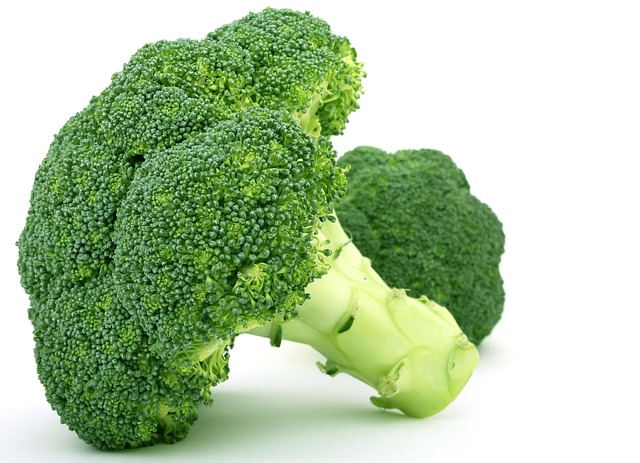
The health benefits of the Mediterranean diet are among the most robustly studied in nutritional epidemiology. Its core principles—high intake of vegetables, fruits, legumes, whole grains, nuts, and olive oil, with moderate consumption of fish, poultry, and dairy—are consistently associated with reduced risks of cardiovascular disease, type 2 diabetes, and certain cancers. The synergy of its components, rather than any single food, drives its efficacy.
When adapted for athletic performance with a higher protein emphasis, the evidence base shifts from large observational studies to smaller, more targeted intervention trials. The scientific support for this adaptation rests on several established physiological mechanisms:
- Muscle Protein Synthesis (MPS): High-quality protein from sources like fish, legumes, and Greek yogurt provides essential amino acids, particularly leucine, which is a primary trigger for MPS. This is crucial for post-exercise recovery and muscle adaptation.
- Anti-inflammatory & Antioxidant Support: The diet's abundance of polyphenols (from olive oil, nuts, berries) and omega-3 fatty acids (from fatty fish) helps modulate exercise-induced inflammation and oxidative stress, potentially improving recovery time.
- Sustained Energy Availability: Complex carbohydrates from whole grains and legumes provide glycogen for fuel, while healthy fats from olive oil and nuts offer a dense, slow-burning energy source, supporting endurance.
It is important to distinguish the strength of evidence. The cardiometabolic benefits of the traditional Mediterranean pattern are strongly supported. Evidence for its specific superiority in enhancing athletic performance over other balanced, high-protein diets is more preliminary, though mechanistically sound. Most performance studies are of shorter duration and involve specific athlete populations.
Clinical Perspective: From a practical standpoint, this dietary pattern is valuable for active individuals because it promotes overall health while meeting increased protein needs. The focus on whole foods and healthy fats also supports joint health and hormonal balance, which are critical for long-term training sustainability. However, athletes with very high calorie or protein requirements should ensure careful planning to avoid unintended energy deficits.
Individuals with pre-existing kidney disease should consult a physician or registered dietitian before significantly increasing protein intake. Those with specific food allergies or gastrointestinal conditions (e.g., to legumes or nuts) should seek alternatives to maintain nutritional balance.
3. Risks and Populations to Avoid High-Protein Mediterranean Diets

While a high-protein Mediterranean diet is widely considered a balanced and sustainable approach, it is not universally appropriate. Certain health conditions and individual circumstances necessitate caution, modification, or avoidance of this dietary pattern. A key principle is that any significant dietary change, especially one that alters macronutrient intake, should be discussed with a healthcare provider, particularly for individuals with pre-existing medical conditions.
Populations Requiring Medical Supervision
Individuals with the following conditions should consult a physician or a registered dietitian before adopting a high-protein Mediterranean diet:
- Chronic Kidney Disease (CKD): High protein intake increases the glomerular filtration rate and can accelerate the decline of kidney function in those with established CKD. Protein sources must be carefully managed and monitored by a nephrologist.
- Liver Disease: Impaired liver function can hinder the metabolism of protein and ammonia. A high-protein load may exacerbate hepatic encephalopathy in advanced cases.
- Gout or Hyperuricemia: Certain high-protein foods, particularly some animal-based proteins like red meat and seafood, are rich in purines, which can elevate serum uric acid levels and potentially trigger gout flares.
- History of Eating Disorders: The focus on macronutrient tracking and "clean" eating inherent in some high-protein plans can be triggering for individuals in recovery from restrictive eating disorders or orthorexia.
Potential Risks and Considerations
Even for generally healthy individuals, there are considerations. The evidence for risks in healthy people is mixed and often dependent on the protein source and overall diet quality.
- Nutrient Imbalance: An overemphasis on protein, especially from animal sources, can sometimes crowd out other essential food groups, potentially leading to inadequate fiber or phytonutrient intake if not carefully planned.
- Digestive Discomfort: A sudden, significant increase in protein—particularly from legumes, a staple of the Mediterranean diet—can cause bloating, gas, or constipation if fiber and fluid intake are not increased proportionally.
- Long-Term Satiety and Adherence: For some, the high satiety from protein and fat can lead to unintentionally low calorie intake, which may not be suitable for athletes with high energy demands or individuals needing to maintain weight.
Clinical Perspective: The primary risk is not the Mediterranean pattern itself—which emphasizes plants, healthy fats, and whole foods—but the "high-protein" modification. Clinically, we assess renal function (e.g., eGFR) before recommending increased protein. The advice is highly individualized: a person with gout might be steered toward plant-based proteins like lentils and beans, while someone with early-stage CKD would require a precise daily protein prescription. The cornerstone is integrating the change into a comprehensive medical history.
In summary, the high-protein Mediterranean diet is a powerful tool for many, but it is not a one-size-fits-all solution. Proactive medical consultation is the safest first step for anyone with the conditions mentioned above or other significant health concerns.
4. Practical Takeaways: Implementing Protein-Rich Mediterranean Meals
Successfully integrating the principles of a high-protein Mediterranean diet into your routine requires a strategic, sustainable approach. The goal is to enhance your nutritional support for physical activity without compromising the diet's foundational benefits for cardiovascular and metabolic health.
Building a Sustainable Framework
Adherence is the strongest predictor of long-term benefit. Focus on incremental changes rather than a complete overhaul. Begin by identifying one or two meals per day where you can consistently apply the principles, such as ensuring your post-workout meal includes a lean protein source paired with complex carbohydrates and healthy fats.
- Batch Preparation: Cook staples like grilled chicken breast, lentils, quinoa, and roasted vegetables in bulk. This reduces decision fatigue and makes assembling balanced meals effortless.
- Smart Substitutions: Incrementally increase protein density. Add canned sardines or chickpeas to salads, use Greek yogurt as a base for sauces and dips, or blend silken tofu into smoothies.
- Prioritize Whole Foods: The evidence strongly supports the health benefits of obtaining protein from whole food sources like fish, legumes, and poultry within this dietary pattern, as opposed to relying heavily on processed supplements.
Timing and Individual Needs
The evidence for precise nutrient timing is mixed and often overstated for the general population. For most individuals engaging in moderate exercise, total daily protein and calorie intake are far more critical. A practical takeaway is to aim for a protein-rich meal or snack within 1-2 hours post-exercise to support muscle protein synthesis, but flexibility is key.
Finally, remember that the Mediterranean diet is inherently flexible. Use the specific meal examples as templates, not rigid prescriptions. Adjust portions and ingredients based on your energy expenditure, satiety cues, and personal preferences to create a pattern that is both effective and enjoyable for the long term.
5. Safety Considerations and When to Consult a Healthcare Provider
While the Mediterranean diet is one of the most extensively researched and broadly recommended dietary patterns for long-term health, and high-protein intake is generally safe for most active individuals, certain considerations warrant attention. A balanced, evidence-based approach is essential to ensure nutritional strategies support rather than compromise your health.
Key Populations for Caution
Individuals with pre-existing medical conditions should exercise particular caution and consult their physician or a registered dietitian before significantly increasing dietary protein, even from healthy sources.
- Kidney Disease: Those with diagnosed chronic kidney disease (CKD) or significantly reduced kidney function are often advised to moderate protein intake. A sudden, substantial increase can place additional strain on renal function.
- Liver Conditions: Individuals with advanced liver disease may require protein restriction or specific monitoring, as impaired liver function affects protein metabolism.
- Gout or Hyperuricemia: Certain high-protein foods, particularly some types of seafood and meats, are purine-rich and may trigger gout flares in susceptible individuals.
- Pregnancy and Lactation: While protein needs increase during these periods, any major dietary changes should be discussed with an obstetrician or midwife to ensure all nutritional requirements are met safely.
Navigating Protein Sources and Balance
The emphasis should remain on the quality and context of protein intake. The Mediterranean pattern prioritizes plant-based proteins, fish, and lean poultry. However, an unbalanced focus solely on protein can inadvertently lead to:
- Excessive caloric intake if portion sizes are not managed.
- Inadequate intake of other vital nutrients, such as fiber from whole grains and vegetables.
- Potential digestive discomfort if fiber and fluid intake are not increased alongside higher protein.
Clinical Insight: In practice, we rarely see issues from protein derived from a balanced, whole-food Mediterranean diet in otherwise healthy individuals. The concern arises with excessive reliance on processed protein supplements or very high intakes from red and processed meats, which are not characteristic of the traditional pattern. The evidence strongly supports the safety of the Mediterranean diet framework; the caution lies in its misapplication or extreme modification.
When to Consult a Healthcare Provider
It is prudent to seek personalized medical advice before making significant dietary changes if you:
- Have any diagnosed chronic condition (e.g., kidney, liver, or cardiovascular disease, diabetes).
- Are taking medications that may interact with dietary changes (e.g., blood thinners like warfarin, which require consistent vitamin K intake).
- Have a history of disordered eating or are undergoing treatment for an eating disorder.
- Experience persistent adverse symptoms after changing your diet, such as unusual digestive distress, fatigue, or changes in urination.
Ultimately, integrating high-protein Mediterranean meals is a sustainable strategy for most. A consultation with a primary care physician or a registered dietitian nutritionist can provide tailored guidance, ensuring your nutritional plan aligns with your specific health status, fitness goals, and overall well-being.
6. Questions & Expert Insights
Can a high-protein Mediterranean diet truly support muscle building as effectively as a traditional high-protein diet?
Evidence suggests it can be highly effective, but with a different nutrient profile. Traditional muscle-building diets often emphasize isolated protein sources and may be higher in saturated fats. The Mediterranean approach provides protein primarily from fish, legumes, poultry, and dairy, which come packaged with other beneficial nutrients like omega-3 fatty acids, fiber, and antioxidants. A 2020 review in Advances in Nutrition noted that protein quality and timing are more critical for muscle protein synthesis than sheer quantity alone. The anti-inflammatory properties of the Mediterranean diet may also support better recovery. However, individuals with very high protein requirements (e.g., elite athletes in heavy training) may need to plan meals more carefully to hit targets without excessive calories from fats like olive oil. It’s a sustainable, health-promoting strategy for most, though those with specific performance goals should consider consulting a sports dietitian for personalization.
Are there any risks or people who should avoid high-protein Mediterranean meals?
Yes, certain individuals should exercise caution. While generally safe, significantly increasing protein intake can pose risks for people with pre-existing kidney disease, as their kidneys may struggle to excrete the extra nitrogenous waste. Those with gout may need to monitor intake of certain seafood and legumes, which are purine sources. The high fiber content from legumes and vegetables, while beneficial, can cause gastrointestinal discomfort if increased too rapidly. Individuals with a history of eating disorders should avoid any diet that prescribes strict macronutrient tracking without professional supervision. Furthermore, anyone on medication for diabetes or blood thinners (like warfarin) should note that dietary changes can affect blood sugar and vitamin K levels, potentially requiring medication adjustments. The key is gradual modification and medical guidance for at-risk groups.
When should I talk to a doctor or dietitian about changing my diet for workouts, and what should I bring to the appointment?
Consult a healthcare professional before making significant dietary changes if you have any chronic condition (kidney, liver, or heart disease, diabetes), are pregnant or breastfeeding, take multiple medications, or have a history of disordered eating. Schedule an appointment with your primary care physician or a registered dietitian (RD/RDN). To prepare, bring a 3-day food diary of your current eating patterns, a list of all medications and supplements, and a clear outline of your fitness goals and typical workout routine. Discuss any gastrointestinal symptoms, energy fluctuations, or injuries. This information allows the professional to assess nutritional adequacy, identify potential nutrient-drug interactions, and provide tailored advice that aligns the Mediterranean principles with your specific health status and objectives, ensuring safety and efficacy.
How strong is the evidence linking the Mediterranean diet directly to improved workout performance?
The evidence is promising but primarily indirect. Robust, long-term studies conclusively show the Mediterranean diet reduces systemic inflammation and improves cardiovascular health and endothelial function—all of which enhance recovery and endurance capacity. A 2022 meta-analysis in the International Journal of Sport Nutrition and Exercise Metabolism found that anti-inflammatory diets can reduce muscle soreness and perceived fatigue. However, direct, high-quality intervention studies measuring performance metrics (like VO2 max or strength gains) specifically against a Mediterranean diet are more limited compared to studies on general health outcomes. Most performance research focuses on macronutrient timing or specific supplements. Therefore, while the diet is excellent for creating a physiological environment conducive to performance and recovery, claims of direct, dramatic performance boosts should be viewed as extrapolated from its proven health benefits rather than from sport-specific clinical trials.
7. In-site article recommendations
8. External article recommendations
9. External resources
The links below point to reputable medical and evidence-based resources that can be used for further reading. Always interpret them in the context of your own situation and your clinician’s advice.
-
mayoclinic mayoclinic.orghigh-protein Mediterranean meals – Mayo Clinic (search)
-
healthline healthline.comhigh-protein Mediterranean meals – Healthline (search)
-
examine examine.comhigh-protein Mediterranean meals – Examine.com (search)
These external resources are maintained by third-party organisations. Their content does not represent the editorial position of this site and is provided solely to support readers in accessing additional professional information.