
1. Introduction to Plant-Based Smoothies for Gentle Body Resets
In the context of nutritional science, a "gentle body reset" refers to a short-term, supportive dietary strategy focused on increasing nutrient density, promoting hydration, and supporting the body's intrinsic metabolic and digestive processes. It is not a medical detoxification or a cure for disease. Incorporating plant-based smoothies can be a practical component of this approach, offering a convenient vehicle for vitamins, minerals, fiber, and phytonutrients.
The potential benefits of this practice are primarily linked to the nutritional profile of the ingredients used. A smoothie rich in leafy greens, berries, and seeds can contribute to:
- Enhanced Micronutrient Intake: Providing a concentrated source of essential vitamins (e.g., vitamin C, K, folate) and minerals (e.g., potassium, magnesium).
- Dietary Fiber Support: Soluble fiber from fruits like bananas and berries can support healthy digestion and promote satiety.
- Hydration: The liquid base and water content of fruits and vegetables contribute to daily fluid goals.
- Antioxidant Provision: Phytonutrients such as flavonoids and carotenoids, found abundantly in colorful plants, have antioxidant properties that help combat oxidative stress, a factor implicated in general cellular aging.
Clinical Perspective: It is important to distinguish between the general health benefits of a nutrient-dense diet and specific claims of "detoxification" or "cleansing." The human liver, kidneys, and gastrointestinal system are highly efficient at metabolic clearance. The value of a plant-focused smoothie lies in reducing the intake of ultra-processed foods and increasing beneficial nutrients, thereby supporting the body's own regulatory systems. It should be viewed as a dietary supplement, not a substitute for medical treatment.
The evidence supporting the use of smoothies for health is mixed and context-dependent. Strong evidence exists for the benefits of diets high in fruits, vegetables, and fiber for cardiovascular and metabolic health. However, evidence specifically for short-term "resets" is more limited and often anecdotal. Outcomes can vary based on an individual's baseline diet, overall lifestyle, and adherence.
Who Should Exercise Caution: Individuals with kidney disease need to be mindful of potassium content from ingredients like spinach and bananas. Those with diabetes should account for the carbohydrate and sugar load, potentially prioritizing lower-glycemic ingredients. People with fructose malabsorption or certain gastrointestinal disorders may experience bloating or discomfort. Anyone with a history of eating disorders or on specific medications should consult a physician or registered dietitian before making significant dietary changes.
This chapter provides a foundation for understanding the rational, evidence-informed use of plant-based smoothies. The following recipes are designed with balance and nutrient synergy in mind, intended to be part of a varied and sustainable eating pattern.
2. Evidence-Based Mechanisms Behind Plant-Based Smoothies

The concept of a "gentle body reset" is often framed as a period of focused nutritional support to promote homeostasis. While not a formal medical intervention, incorporating plant-based smoothies can be a practical strategy to leverage several well-established physiological mechanisms. The benefits are derived from the synergistic effects of their core components: fiber, phytonutrients, water, and easily digestible macronutrients.
Key Mechanisms of Action
The primary evidence-based mechanisms through which these beverages may support systemic function include:
- Enhanced Micronutrient & Phytonutrient Density: Blending whole fruits and vegetables preserves their fiber and nutrient content. This provides a concentrated source of vitamins, minerals, and antioxidant/anti-inflammatory compounds like polyphenols and flavonoids. Robust epidemiological data consistently links high intake of these foods to improved metabolic and cardiovascular health markers.
- Dietary Fiber for Digestive & Metabolic Health: The soluble and insoluble fiber in plants supports gut motility and serves as a prebiotic for beneficial gut microbiota. A healthy gut microbiome is strongly associated with improved immune function, reduced systemic inflammation, and better glycemic control. The gel-forming property of soluble fiber can also promote satiety.
- Hydration and Electrolyte Provision: The high water content of fruits and vegetables contributes to fluid intake. Ingredients like spinach, banana, and coconut water also provide electrolytes such as potassium and magnesium, which are crucial for cellular function and nerve transmission.
- Temporary Reduction in Digestive Load: For individuals accustomed to diets high in processed foods, a smoothie can offer a meal that is mechanically pre-digested (blended), requiring less enzymatic effort from the GI tract. This may allow for a perceived "rest," though the evidence for this as a systemic detoxification mechanism is limited.
Clinical Perspective: It is critical to distinguish between the strong evidence for the benefits of a plant-rich diet and the more limited evidence for short-term "resets." Smoothies are a tool for increasing fruit and vegetable intake, not a cure-all. Their liquid calories can be substantial, and rapid sugar absorption is a concern if they are made primarily from fruit without protein, fat, or fiber to blunt the glycemic response. They should complement, not replace, a balanced diet.
Caveats and Considerations
The mechanisms above are most supportive within the context of an overall healthy lifestyle. It is important to note that the scientific literature does not support the concept of "detoxing" organs through specific foods. Individuals with kidney disease, diabetes, or fructose malabsorption should consult a physician or dietitian, as the potassium, sugar, and FODMAP content in smoothies may require modification. Those with a history of eating disorders should approach any restrictive dietary pattern, including liquid-focused resets, with extreme caution and professional guidance.
3. Risks and Contraindications for Specific Populations
While plant-based smoothies can be a nutritious component of a dietary pattern, they are not universally appropriate. Certain populations must exercise caution or avoid specific ingredients and practices altogether. A clinically responsible approach requires understanding these contraindications to prevent adverse effects.
Individuals with Kidney Disease or Impaired Renal Function
Smoothies rich in potassium and phosphorus, from ingredients like spinach, bananas, and nuts, can pose a significant risk. In chronic kidney disease (CKD), the kidneys' ability to excrete these minerals is impaired, potentially leading to dangerous hyperkalemia (high blood potassium) or hyperphosphatemia. Patients with CKD should consult a nephrologist or renal dietitian for strict, individualized guidance on fluid, potassium, and phosphorus intake before incorporating such beverages.
Those with Diabetes or Significant Insulin Resistance
The carbohydrate load, particularly from fruits and sweeteners like dates or honey, can cause rapid spikes in blood glucose. While the fiber in whole fruits can mitigate this, blending can increase the glycemic response compared to eating whole fruit. Individuals managing diabetes should:
- Monitor blood glucose closely when introducing new recipes.
- Prioritize low-glycemic fruits like berries and include sources of healthy fat (e.g., avocado, chia seeds) and protein (e.g., unsweetened pea protein) to blunt the glycemic impact.
- Avoid recipes with added sweeteners or large portions of high-sugar fruits like mango or pineapple.
People with Gastrointestinal Sensitivities or Disorders
High-fiber ingredients and certain compounds (e.g., FODMAPs in certain fruits, vegetables, and nuts; oxalates in spinach) can exacerbate symptoms in individuals with irritable bowel syndrome (IBS), inflammatory bowel disease (IBD) flares, or other functional gut disorders. A low-FODMAP or otherwise restricted diet may be necessary, requiring careful ingredient selection.
Other Key Considerations
Pregnancy and Lactation: While nutrient-dense smoothies can be beneficial, certain ingredients must be avoided (e.g., unpasteurized juices, high-mercury algae supplements). High doses of vitamin A from supplements or excessive consumption of liver should also be avoided during pregnancy.
Medication Interactions: High-vitamin K foods (kale, spinach) can interfere with the anticoagulant effect of warfarin. Consistency in vitamin K intake is key; sudden large increases should be avoided without consulting a physician.
History of Eating Disorders: Any protocol focused on dietary restriction, "resets," or "cleansing" can be triggering and is strongly contraindicated. Nutritional guidance should come from a specialized healthcare team.
In summary, the decision to incorporate specific smoothie recipes should be made in the context of an individual's complete health profile. Consulting with a physician or a registered dietitian is strongly advised for anyone with a chronic health condition, medication regimen, or specific dietary needs.
4. Practical Takeaways for Safe Smoothie Integration
Integrating plant-based smoothies into your routine can be a practical way to increase intake of fruits, vegetables, and fiber. However, for a safe and sustainable approach, it is essential to view them as a component of a balanced diet rather than a standalone solution. The following evidence-based guidelines can help you incorporate them effectively while avoiding common pitfalls.
Core Principles for Integration
Adhering to a few key principles can maximize benefits and minimize risks:
- Complement, Don't Replace: Use smoothies to supplement meals or as a snack, not as a wholesale replacement for solid foods. This helps maintain healthy chewing function, supports satiety signals, and ensures a more diverse nutrient intake.
- Prioritize Whole Foods: Build your smoothie around whole fruits, vegetables, leafy greens, nuts, and seeds. Limit or avoid adding large quantities of isolated sweeteners like honey, agave, or maple syrup to prevent excessive free sugar intake.
- Mind Your Macros: For a balanced beverage, include a source of protein (e.g., unsweetened nut butter, hemp seeds, or a measured scoop of protein powder) and healthy fats (e.g., avocado, chia seeds). This combination can help stabilize blood glucose levels and promote longer-lasting fullness.
Important Cautions and Contraindications
While generally safe for most people, certain individuals should exercise particular caution or consult a healthcare provider.
- Kidney Health: Individuals with chronic kidney disease (CKD) or on potassium-restricted diets must be mindful of high-potassium ingredients like spinach, bananas, and avocados. Medical guidance is crucial.
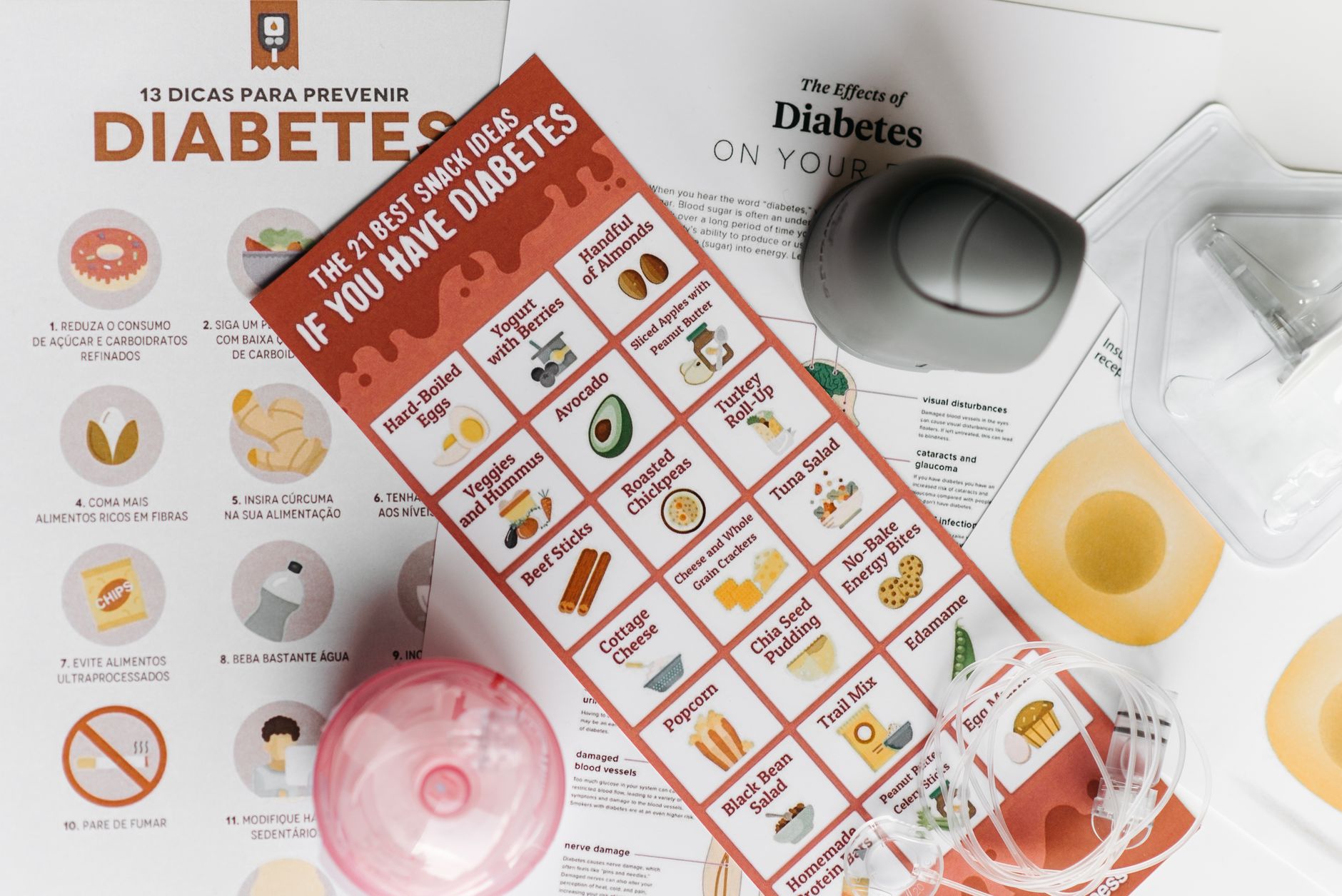
- Blood Sugar Management: Those with diabetes or insulin resistance should carefully account for the total carbohydrate and sugar content of their smoothie, prioritizing low-glycemic ingredients like berries and greens.
- Digestive Sensitivities: A sudden, large increase in fiber from smoothies can cause bloating, gas, or abdominal discomfort. Introduce them gradually and ensure adequate water intake.
- Nutritional Adequacy: Using smoothies as meal replacements for extended periods without professional oversight can risk deficiencies in certain nutrients more abundant in solid foods, such as iron, zinc, and vitamin B12 in strictly plant-based regimens.
Clinical Perspective: From a dietary standpoint, smoothies are a tool, not a therapy. The strongest evidence supports their role in increasing fruit and vegetable consumption. Claims about "detoxification" or "resetting" the body are not grounded in human physiology and should be viewed skeptically. The most sustainable benefit comes from consistent, balanced integration into an overall healthy eating pattern.
Before making significant dietary changes, especially if you have underlying health conditions, are pregnant or breastfeeding, or take medications, a consultation with a registered dietitian or your physician is strongly recommended to ensure personal safety and appropriateness.
5. Safety Considerations and When to Consult a Healthcare Provider
While incorporating plant-based smoothies can be a supportive element of a balanced diet, it is crucial to approach any dietary modification with an awareness of individual health status and potential risks. These beverages are not a substitute for medical treatment or a comprehensive health plan.
Key Safety Considerations
First, smoothies can be deceptively high in natural sugars, even without added sweeteners. A blend of multiple fruits and high-sugar vegetables (like carrots or beets) can lead to a significant fructose load, which may impact blood glucose management. Individuals with insulin resistance, prediabetes, or diabetes should account for these carbohydrates within their overall meal plan.
Second, ingredients common in "reset" or detox-oriented recipes require caution:
- High-Oxalate Greens: Large, frequent servings of spinach, Swiss chard, or beet greens can contribute to kidney stone formation in susceptible individuals.
- Cruciferous Vegetables: Raw kale, cabbage, or broccoli in very high amounts may interfere with thyroid function in those with pre-existing iodine deficiency or hypothyroidism.
- Herbal Additives: Ingredients like turmeric (in large doses), spirulina, or adaptogenic herbs can interact with medications (e.g., blood thinners, immunosuppressants) and are not regulated for purity or potency.
Third, relying heavily on liquid meals can reduce intake of essential nutrients best obtained from whole, solid foods, such as certain proteins, fats, and fiber. This is not aligned with long-term nutritional adequacy.
Clinical Perspective: The concept of a "gentle body reset" is not a recognized medical term. From a clinical standpoint, sustainable health is supported by consistent, balanced eating patterns, not short-term dietary interventions. There is no high-quality evidence that short-term smoothie regimens "detoxify" or "reset" the body, as the liver and kidneys perform these functions continuously. The perceived benefits often stem from increased hydration, micronutrient intake, and a temporary reduction in processed foods.
When to Consult a Healthcare Provider
You should discuss dietary changes with a physician or a registered dietitian before beginning if you have:
- Chronic kidney disease or a history of kidney stones.
- Diabetes, insulin resistance, or other metabolic conditions.
- Thyroid disorders, especially hypothyroidism.
- Gastrointestinal conditions like IBS, IBD, or gastroparesis, as high-fiber smoothies may exacerbate symptoms.
- A history of eating disorders or are undergoing significant weight changes.
- Are pregnant, breastfeeding, or planning pregnancy.
- Take prescription medications, particularly for blood thinning, diabetes, thyroid, or immune suppression.
Discontinue use and seek medical advice if you experience persistent digestive discomfort, allergic reactions, blood sugar instability, or fatigue. A healthcare professional can help you integrate beneficial dietary habits safely within the context of your overall health profile.
6. Questions & Expert Insights
Can a "gentle body reset" smoothie plan replace a medically supervised detox or cleanse?
No, it cannot and should not. The term "gentle body reset" in this context refers to a short-term dietary pattern focused on incorporating nutrient-dense, whole plant foods to support the body's intrinsic metabolic and detoxification pathways—primarily the liver, kidneys, and gastrointestinal system. This is fundamentally different from commercial "detox" or "cleanse" programs that often promise to purge toxins. The body is continuously and efficiently detoxifying itself. High-quality evidence supporting the need for or efficacy of external "cleanses" is lacking. A plant-based smoothie approach is best viewed as a supportive nutritional strategy, not a medical intervention. It cannot treat disease, reverse organ damage, or substitute for professional medical care in cases of substance dependence or toxin exposure.
What are the potential risks or side effects of relying heavily on smoothies, even plant-based ones?
While generally safe for most people as part of a varied diet, over-reliance on liquid meals carries specific risks. First, smoothies can be deceptively high in calories and natural sugars (fructose), which may impact blood sugar control, particularly for individuals with insulin resistance, prediabetes, or diabetes. Second, they lack the structured fiber and chewing mechanism of whole fruits and vegetables, which can affect satiety signals and, for some, lead to rapid blood sugar spikes. Third, prolonged use can contribute to unintended weight loss or nutritional gaps if they displace adequate protein, healthy fats, and essential minerals like iron, zinc, and calcium from solid foods. Individuals with kidney disease must be cautious with high-potassium ingredients like spinach and bananas. Those with a history of disordered eating should avoid any regimen that promotes restrictive meal replacement.
How do I know if I should talk to a doctor before starting a plan like this, and what should I discuss?
Consult a physician or a registered dietitian before significantly altering your diet if you have any chronic health condition, are pregnant or breastfeeding, take medications, or have a history of nutritional deficiencies or eating disorders. This is crucial. Prepare for the conversation by bringing a list of the specific ingredients and their quantities you plan to use. Discuss your goals (e.g., "increase vegetable intake," "improve energy") rather than vague terms like "detox." Be ready to review your current medications, as high-vitamin K foods (like kale) can interact with blood thinners (e.g., warfarin), and high-potassium foods can be problematic with certain heart or kidney medications. Your doctor can help you adapt the plan safely to your personal health context.
Is there strong scientific evidence that these specific recipes improve health markers?
The evidence supports the benefits of the dietary patterns and nutrients these recipes exemplify, rather than the recipes themselves. High-quality, long-term studies consistently show that diets rich in fruits, vegetables, nuts, seeds, and legumes—core components of these smoothies—are associated with improved cardiovascular health, better glycemic control, and reduced inflammation. The specific combinations (e.g., ginger with turmeric for potential anti-inflammatory effects) are supported by promising but preliminary phytochemical research, often from cell or animal studies. Direct, large-scale human trials on "smoothie recipes for body resets" are not available. Therefore, the most evidence-informed takeaway is that incorporating these nutrient-dense ingredients into your overall diet is beneficial, but they are not a unique or magical solution. The clinical value lies in consistent, long-term dietary habits, not short-term "resets."
7. In-site article recommendations
8. External article recommendations
9. External resources
The links below point to reputable medical and evidence-based resources that can be used for further reading. Always interpret them in the context of your own situation and your clinician’s advice.
-
wikipedia wikipedia.orgplant-based smoothies – Wikipedia (search)
-
healthline healthline.complant-based smoothies – Healthline (search)
-
mayoclinic mayoclinic.orgplant-based smoothies – Mayo Clinic (search)
These external resources are maintained by third-party organisations. Their content does not represent the editorial position of this site and is provided solely to support readers in accessing additional professional information.