
1. Introduction to Whole-Food Smoothies for Satiety

In the context of weight management and metabolic health, achieving satiety—the feeling of fullness and satisfaction after eating—is a critical factor for sustainable dietary patterns. Whole-food smoothies, when formulated with specific nutritional principles, can be a practical tool to support this goal by leveraging the intrinsic properties of unprocessed ingredients.
The satiating power of a smoothie is not inherent to its blended form but is determined by its macronutrient and fiber composition. Evidence from systematic reviews suggests that dietary fiber, protein, and the physical volume of food are key drivers of satiety. A well-designed smoothie can integrate these elements effectively:
- Dietary Fiber: Soluble fibers, such as those found in oats, chia seeds, flaxseeds, and certain fruits, form a gel-like substance in the gut. This slows gastric emptying and nutrient absorption, which is associated with prolonged feelings of fullness and moderated blood glucose response.
- Protein: Incorporating sources like Greek yogurt, cottage cheese, or plant-based protein powders can increase satiety hormones (e.g., peptide YY, GLP-1) more significantly than carbohydrates or fats alone.
- Food Volume and Low Energy Density: Blending water-rich vegetables (like spinach or cucumber) and whole fruits increases the physical volume of the beverage with relatively few calories, which can promote satiety through gastric distension.
It is important to distinguish between the strong evidence supporting the satiating effects of fiber and protein generally, and the more limited direct research on smoothies as a specific delivery method. Most high-quality studies examine nutrients in isolation or within solid meals. The clinical impact of consuming these nutrients in a liquid form may vary between individuals, and long-term data on smoothies for weight management is mixed.
Clinical Perspective: From a nutritional standpoint, a smoothie should be considered a meal replacement, not a low-calorie snack. To avoid unintentional calorie surplus, careful attention must be paid to portion sizes, especially with calorie-dense ingredients like nuts, seeds, and nut butters. Furthermore, chewing solid food triggers cephalic phase responses that influence satiety; this is absent with liquid consumption, which may affect fullness signaling for some people.
Individuals with certain medical conditions should exercise caution or consult a healthcare provider before regularly using smoothies for satiety. This includes those with diabetes or prediabetes (due to potential carbohydrate load), kidney disease (regarding protein and potassium content), or a history of eating disorders. Anyone on medication should discuss significant dietary changes with their physician, as nutrient interactions can occur.
The following chapters provide specific recipes that apply these evidence-based principles, focusing on whole-food combinations designed to maximize nutrient density and satiety while avoiding added sugars, artificial sweeteners, and processed ingredients.
2. Evidence-Based Mechanisms Behind Satiety
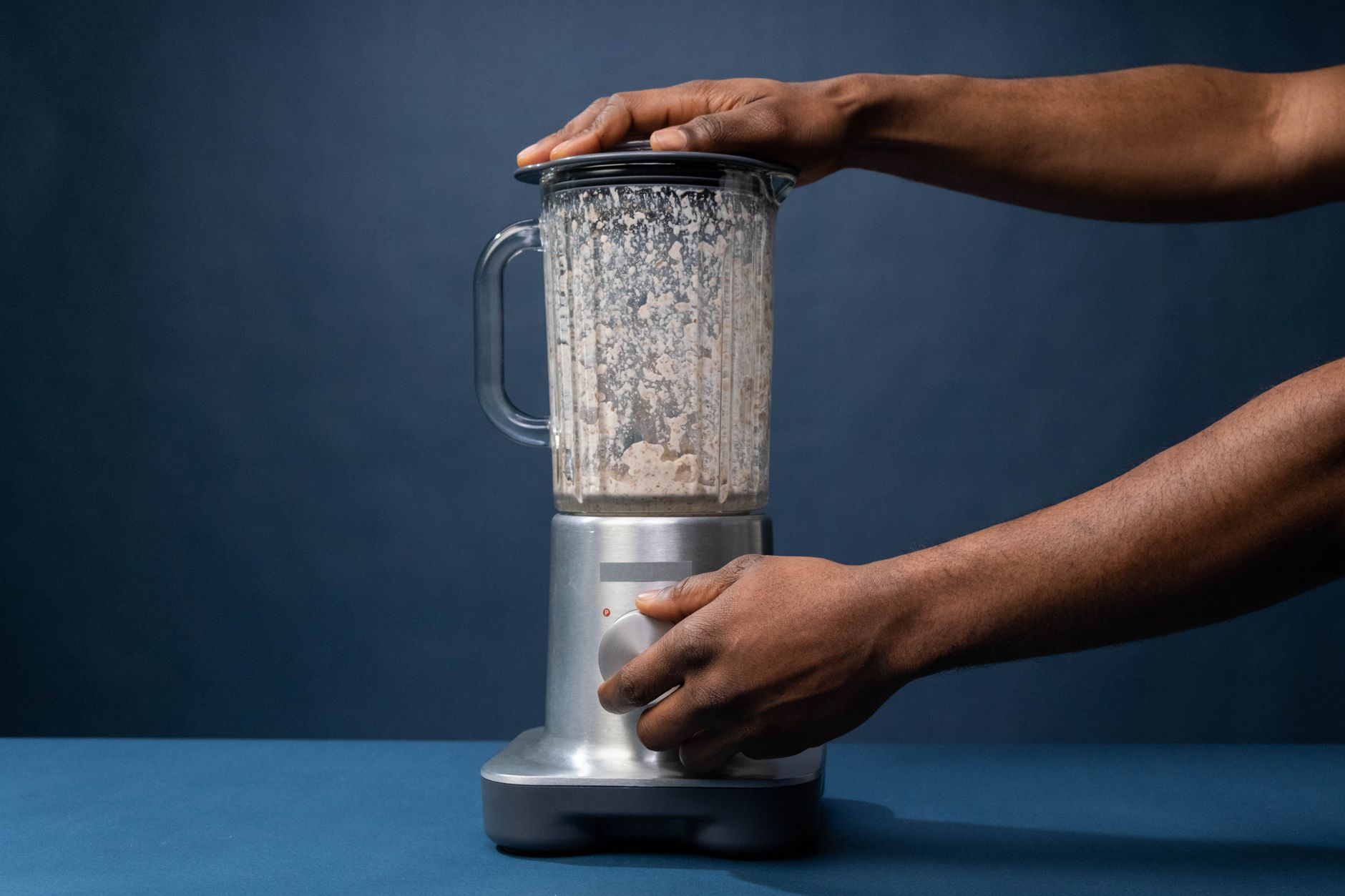
The satiating effect of whole-food smoothies is not a single mechanism but a synergistic interplay of several well-researched physiological processes. Understanding these mechanisms allows for a more deliberate and effective approach to managing hunger and energy intake.
Key Physiological Drivers of Satiety
Three primary, evidence-based factors contribute to the feeling of fullness and sustained satiety:
- Dietary Fiber and Gastric Distention: Soluble fibers (e.g., from oats, chia seeds, flaxseed, fruits) form a viscous gel in the stomach, slowing gastric emptying. This physical distention activates stretch receptors, sending direct signals of fullness to the brain. The evidence for fiber's role in promoting satiety and reducing subsequent calorie intake is robust and consistent across numerous studies.
- Protein Content and Hormonal Response: Protein is the most satiating macronutrient. Its digestion stimulates the release of hormones like peptide YY (PYY) and glucagon-like peptide-1 (GLP-1), which act on the brain's hypothalamus to suppress appetite. Including a high-quality protein source (e.g., Greek yogurt, protein powder, nut butter) is a strongly supported strategy for enhancing satiety.
- Energy Density and Volume: Smoothies prepared with whole fruits, vegetables, and water or ice have a low energy density—they provide a high volume of food for relatively few calories. This volume, combined with the fiber and water content, promotes fullness through both physical and cognitive cues.
Nuances and Considerations
While the mechanisms are sound, application requires nuance. The satiety response can be influenced by the smoothie's physical form. Some research suggests that consuming calories in liquid form may be less satiating than eating whole solid foods with equivalent nutrients, a phenomenon known as "liquid calorie compensation." However, this effect is significantly mitigated when the beverage is thick, viscous, and nutrient-dense, as opposed to a thin, sugary juice.
It is also important to distinguish between short-term satiety (feeling full immediately after consumption) and long-term appetite control over several hours. A smoothie high in refined carbohydrates and low in protein and fiber may cause a rapid spike and subsequent drop in blood glucose, leading to quicker return of hunger.
Clinical Perspective: From a dietary management standpoint, smoothies can be an effective tool for appetite control when formulated correctly. The key is to prioritize the synergistic combination of fiber, protein, and healthy fats. Individuals with conditions requiring careful nutrient monitoring—such as diabetes, chronic kidney disease, or those with a history of disordered eating—should consult with a physician or registered dietitian to ensure a smoothie regimen aligns with their individual health goals and medical needs.
In summary, the satiety-promoting potential of a smoothie is not inherent but engineered through evidence-based ingredient selection that leverages these core physiological mechanisms.
3. Potential Risks and Populations to Exercise Caution

While incorporating whole-food smoothies can be a beneficial dietary strategy, it is not without potential risks. A clinically responsible approach requires acknowledging these risks and identifying populations for whom caution is paramount.
Nutritional and Metabolic Considerations
Smoothies, even those made from whole ingredients, can be calorie-dense and high in natural sugars. The mechanical blending process breaks down fiber, which may lead to a more rapid absorption of sugars compared to eating whole fruits and vegetables. For individuals with insulin resistance, prediabetes, or diabetes, this can cause undesirable blood glucose spikes. Careful attention to portion size, overall carbohydrate load, and inclusion of protein and healthy fats is essential for glycemic management.
Furthermore, relying heavily on smoothies can inadvertently lead to nutrient deficiencies if they displace other whole foods from the diet. They may lack adequate protein, essential fatty acids, or specific micronutrients like iron, zinc, or B12, depending on their composition.
Populations Requiring Specific Caution
Certain individuals should consult a healthcare provider or registered dietitian before making significant dietary changes, including regular smoothie consumption.
- Individuals with Kidney Disease: Smoothies high in potassium (e.g., from spinach, bananas) or phosphorus can be dangerous for those with compromised kidney function who require dietary restriction of these minerals.
- Those with Gastrointestinal Disorders: People with conditions like irritable bowel syndrome (IBS) may react poorly to high-FODMAP ingredients common in smoothies, such as certain fruits, honey, or high-fiber additions.
- People with Dental Issues or Dysphagia: The acidic nature of many fruits can erode tooth enamel, and the thick consistency may pose a choking risk for individuals with swallowing difficulties.
- Individuals with a History of Eating Disorders: Using smoothies primarily as a meal replacement or hunger-suppression tool can reinforce disordered eating patterns and an unhealthy relationship with food.
- Those on Specific Medications: High-vitamin K foods (like kale) can interfere with blood thinners like warfarin, and high-fiber blends can affect the absorption of various medications.
Clinical Perspective: From a medical standpoint, the primary risk is viewing any single food or recipe as a universal solution. Smoothies are a tool, not a treatment. The evidence supporting their use for sustained hunger management is mixed and highly individual, depending on composition and context within the total diet. The strongest recommendation is for personalized advice, especially for anyone with a chronic health condition, to ensure nutritional adequacy and avoid adverse interactions.
In summary, while whole-food smoothies can be part of a healthy diet, they are not suitable for everyone. Prioritizing whole foods in their unblended form most of the time and seeking professional guidance for personalized needs is the most evidence-based and safe approach.
4. Practical Guidelines for Incorporating Smoothies

Integrating smoothies into your dietary pattern requires a strategic approach to ensure they contribute to satiety and nutritional adequacy without unintended consequences. The primary goal is to use them as a tool for nutrient density and portion-controlled energy intake, not as a means of extreme calorie restriction.
Strategic Timing and Composition
For optimal hunger management, consider smoothies as a meal replacement, typically for breakfast or lunch, rather than an addition to a full meal. This approach is supported by evidence showing that liquid meals can induce similar satiety to solid meals when matched for calories and macronutrients, though individual responses vary. To maximize fullness, each smoothie should contain a balanced triad:
- Protein (20-30g): From Greek yogurt, cottage cheese, protein powder, or silken tofu. Protein is the most satiating macronutrient.
- Dietary Fiber (5-10g): From whole fruits (like berries or pear), vegetables (spinach, cauliflower), chia seeds, or flaxseed. Fiber slows gastric emptying.
- Healthy Fats (10-15g): From avocado, nut butter, or seeds. Fats trigger satiety hormones.
Consume your smoothie slowly, over 15-20 minutes, to allow satiety signals from the gut to reach the brain. Using a bowl and spoon instead of a straw may enhance mindful eating and perceived fullness.
Clinical Perspective: While smoothies can be a convenient vehicle for nutrients, their liquid form may lead to less thorough oral processing and faster consumption compared to whole foods. This can potentially impact glycemic response and satiety duration for some individuals, particularly those with insulin resistance. Monitoring your personal hunger and energy levels 2-3 hours post-consumption is key to assessing efficacy.
Integration and Precautions
View smoothies as one component of a varied diet. Relying on them for multiple meals daily may lead to reduced intake of other important whole foods and textures. Ensure your overall weekly intake includes ample whole vegetables, lean proteins, and complex carbohydrates.
Individuals who should exercise caution or consult a healthcare provider first include:
- Those with kidney disease, who need to monitor potassium and phosphorus levels from certain fruits, vegetables, and seeds.
- Individuals with diabetes or prediabetes, who must carefully account for the total carbohydrate and sugar content, even from natural sources.
- People with swallowing difficulties (dysphagia), as texture modifications may be necessary.
- Anyone with a history of eating disorders, for whom focused liquid meals might disrupt a healthy relationship with food.
Finally, maintain hydration with water throughout the day. A smoothie contributes to fluid intake but should not replace plain water, which is essential for all metabolic processes.
5. Safety Protocols and When to Consult Healthcare Providers

While incorporating nutrient-dense smoothies into your routine can be a positive step, it is essential to approach this practice with clinical awareness. The evidence supporting smoothies for appetite control is generally positive but nuanced; they can promote satiety through fiber, protein, and volume, yet their liquid form may lead to less sustained fullness compared to whole foods for some individuals. The following safety protocols and contraindications should be considered.
Key Safety Considerations
Adopting a balanced and cautious approach is paramount for safety and efficacy.
- Not a Meal Replacement Plan: These recipes are designed as part of a balanced diet, not as a sole source of nutrition. Relying exclusively on smoothies can lead to nutrient deficiencies and may disrupt normal hunger cues.
- Mindful of Blood Sugar: Even without added sugars, smoothies high in fruit can cause a rapid spike in blood glucose. Pairing fruits with sources of healthy fat, protein, and fiber (like nuts, seeds, or greens) can help mitigate this effect.
- Food Safety & Allergies: Always use fresh, properly washed ingredients. Be vigilant about known food allergies or intolerances (e.g., to nuts, dairy, or soy) and modify recipes accordingly.
Who Should Exercise Caution or Consult a Provider
Certain individuals should seek personalized medical advice before making significant dietary changes.
- Individuals with Chronic Conditions: Those with diabetes, kidney disease (who may need to monitor potassium and phosphorus from greens and bananas), or liver conditions should consult their physician or a registered dietitian to ensure recipe ingredients are appropriate for their specific dietary restrictions.
- People on Medications: Some ingredients, particularly leafy greens high in vitamin K (like spinach and kale), can interact with blood-thinning medications (e.g., warfarin). Consistency in intake is key, and changes should be discussed with a healthcare provider.
- Individuals with a History of Eating Disorders: Using smoothies specifically to "curb hunger" can potentially trigger or exacerbate disordered eating patterns. A healthcare team specializing in eating disorders should guide any dietary strategy.
- Pregnant or Breastfeeding Individuals: While generally safe, specific needs for calories, protein, and micronutrients must be met. Discussing any new dietary regimen with an obstetrician or midwife is recommended.
Clinical Perspective: From a healthcare standpoint, the greatest risk is viewing any single food or recipe as a standalone solution. Sustainable weight management and appetite regulation are multifactorial, involving overall diet quality, physical activity, sleep, and stress management. Smoothies can be a useful tool within this broader context, but they are not a substitute for comprehensive medical advice for those with underlying health conditions.
In summary, while these smoothie recipes focus on whole-food ingredients, their implementation requires individualization. If you have any pre-existing health conditions, are on long-term medication, or have concerns about how these dietary changes fit into your overall health plan, scheduling a consultation with your primary care physician or a registered dietitian is a prudent and necessary step.
6. Questions & Expert Insights
Can a smoothie truly replace a meal for weight management?
While a nutrient-dense smoothie can serve as a convenient meal replacement in certain contexts, it is not a universally superior choice. The effectiveness depends heavily on its composition. A smoothie with adequate protein (e.g., from Greek yogurt, protein powder, or nut butter), fiber (from vegetables, chia seeds, or flaxseed), and healthy fats can promote satiety and help manage calorie intake. However, liquid calories are often less satiating than whole foods, potentially leading to increased hunger later. Evidence suggests that for some individuals, this can undermine weight goals. It is more clinically sound to view such smoothies as a tool within a balanced diet rather than a guaranteed solution. Their utility is highest for those with specific needs, like difficulty consuming solid food or intense time constraints.
What are the potential risks or side effects of daily "hunger-curbing" smoothies?
Incorporating these smoothies daily carries several considerations. First, even natural ingredients are calorie-dense (e.g., nuts, seeds, avocado, fruit). Without portion awareness, smoothies can contribute to unintended weight gain. Second, high-fiber and high-FODMAP ingredients (like certain greens, cauliflower, or mango) may cause significant bloating, gas, or abdominal discomfort, especially for individuals with irritable bowel syndrome (IBS). Third, smoothies with spinach, kale, or beet greens are high in oxalates; daily consumption in large amounts may increase kidney stone risk in susceptible individuals. Finally, relying on liquid meals can disrupt a healthy relationship with food and is not recommended for those with or recovering from eating disorders.
Who should avoid this approach or speak to a doctor first?
Several groups should exercise particular caution or seek medical advice before adopting a smoothie-focused regimen. This includes individuals with kidney disease (due to potassium and oxalate content), diabetes (who must carefully manage carbohydrate and sugar intake, even from fruit), and those with gastrointestinal disorders like IBS or IBD. People on blood-thinning medications (e.g., warfarin) need to maintain consistent vitamin K intake (found in leafy greens), and sudden dietary changes can interfere. Anyone with a history of eating disorders should avoid structured meal replacement plans. If you have a chronic medical condition or take regular medication, a consultation is prudent.
When should I talk to a specialist, and how should I prepare for that conversation?
Consult a registered dietitian (RD/RDN) or your physician if you have a specific medical condition, experience adverse symptoms (like digestive distress), or if you plan to use smoothies as a primary strategy for weight loss or management. To make the conversation productive, come prepared. Bring a list of the specific ingredients and approximate quantities you use. Note your current medications and supplements. Keep a brief food and symptom journal for a few days, recording what you consume, when you feel hungry, and any bloating or energy crashes. Clearly state your health goal (e.g., "I want to manage mid-afternoon hunger without junk food"). This data allows the specialist to provide personalized, safe, and effective guidance rather than general advice.
7. In-site article recommendations
8. External article recommendations
9. External resources
The links below point to reputable medical and evidence-based resources that can be used for further reading. Always interpret them in the context of your own situation and your clinician’s advice.
-
drugs drugs.comwhole-food smoothies – Drugs.com (search)
-
healthline healthline.comwhole-food smoothies – Healthline (search)
-
examine examine.comwhole-food smoothies – Examine.com (search)
These external resources are maintained by third-party organisations. Their content does not represent the editorial position of this site and is provided solely to support readers in accessing additional professional information.