
1. Introduction to Herbal Teas for Appetite Management Without Stimulants
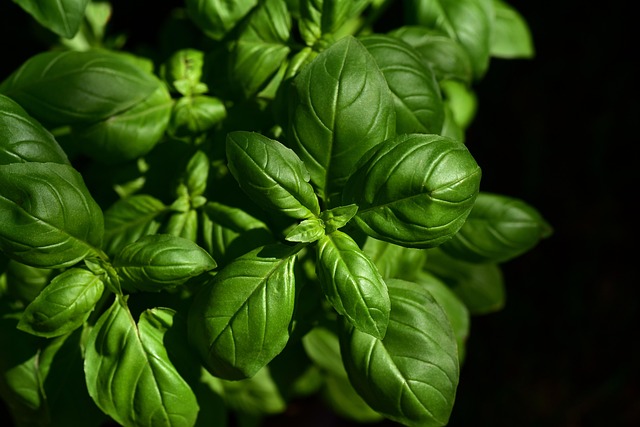
In the pursuit of weight management and healthier eating habits, the desire to modulate appetite without relying on stimulants is a common and clinically relevant goal. Stimulant-based appetite suppressants, which often contain caffeine or other sympathomimetic compounds, can cause side effects like jitteriness, anxiety, insomnia, and increased heart rate, making them unsuitable for many individuals. This has led to significant interest in gentler, botanical alternatives, with herbal teas emerging as a focal point of both traditional use and modern scientific inquiry.
Herbal teas, or tisanes, are infusions made from the leaves, flowers, seeds, or roots of various plants. Their potential role in appetite management is multifaceted and not based on a single mechanism. Unlike stimulants that act primarily on the central nervous system, certain herbs may influence satiety through:
- Bulking and Viscosity: Some herbs contain soluble fibers or mucilage that can form a gel-like substance in the stomach, promoting a feeling of fullness.
- Modulating Digestive Hormones: Preliminary research suggests some botanicals may influence the release of hormones like ghrelin (hunger hormone) and cholecystokinin (satiety hormone).
- Slowing Gastric Emptying: By delaying the rate at which food leaves the stomach, certain compounds can prolong satiety signals.
- Addressing Underlying Cravings: Some herbs are used traditionally to support balanced blood sugar or manage stress-related eating, which are indirect factors in appetite control.
Clinical Perspective: It is crucial to approach herbal teas not as "magic bullets" for weight loss, but as potential supportive tools within a broader lifestyle strategy. The evidence base varies greatly between different herbs; for some, human clinical data is robust, while for others, it is primarily derived from animal studies, traditional use, or mechanistic hypotheses. Their effects are typically subtle and synergistic with proper nutrition and physical activity.
This exploration focuses specifically on herbs with a lower likelihood of stimulant properties, aiming to provide options for those sensitive to caffeine or seeking a calming ritual. However, "natural" does not automatically mean "safe for everyone." Individuals who are pregnant, breastfeeding, managing a chronic condition (such as diabetes, kidney, or liver disease), or taking prescription medications should consult a physician or a qualified herbalist before incorporating new herbal teas regularly, due to potential interactions or contraindications.
The following chapters will examine seven specific herbal teas, evaluating the available scientific evidence for their role in appetite management, their proposed mechanisms of action, and important safety considerations to ensure a balanced and clinically responsible approach.
2. Evidence-Based Mechanisms of Appetite-Suppressing Herbal Teas
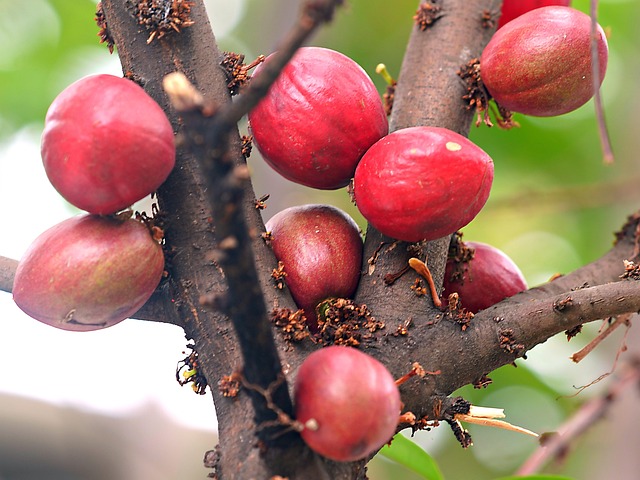
Herbal teas do not suppress appetite through a single, universal mechanism. Instead, their potential effects are attributed to a combination of physiological actions, primarily involving the digestive system, satiety signaling, and metabolic processes. The evidence supporting these mechanisms varies significantly between herbs, ranging from well-established to preliminary.
Primary Mechanisms of Action
The most robust evidence for appetite modulation centers on three core pathways:
- Slowing Gastric Emptying & Enhancing Satiety: Certain herbs, like ginger and cinnamon, contain bioactive compounds that may delay the rate at which food leaves the stomach. This prolongs the sensation of fullness (satiety) and can lead to a natural reduction in subsequent calorie intake. The evidence for this mechanism in human studies is promising but often based on acute, short-term trials.
- Modulating Blood Sugar & Insulin Response: Herbs such as fenugreek and cinnamon are studied for their potential to improve insulin sensitivity and blunt post-meal blood sugar spikes. Sharp rises and falls in blood glucose are associated with increased hunger and cravings. By promoting more stable glucose levels, these herbs may indirectly help regulate appetite. This area is supported by a mix of human and animal research.
- Influencing Gut-Brain Signaling: The gut microbiome plays a crucial role in communicating with the brain's appetite centers. Some herbal compounds may act as prebiotics, supporting beneficial gut bacteria that produce short-chain fatty acids linked to increased satiety hormone (e.g., GLP-1, PYY) release. This is an emerging area of research with compelling preliminary data but requires more long-term human studies.
Evidence Strength and Clinical Nuance
It is critical to distinguish between mechanistic evidence and proven weight-loss outcomes. While laboratory and some clinical studies demonstrate these biological actions, translating them into significant, sustained weight reduction in free-living individuals is less consistently proven. Effects are often modest and can vary based on dosage, preparation method, and individual physiology.
Clinical Perspective: From a medical standpoint, these teas are best viewed as potential adjuncts to a comprehensive weight management strategy, not as standalone solutions. Their primary value may lie in promoting mindful eating habits, increasing fluid intake (which can aid satiety), and providing a non-caloric alternative to sugary beverages. They lack the potent stimulant effect of caffeine-based appetite suppressants, which reduces certain risks but also means their impact is generally subtler.
Who Should Exercise Caution: Individuals with diabetes (due to potential blood sugar effects), those on anticoagulant medications (some herbs like ginger may have mild blood-thinning properties), pregnant or breastfeeding women, and people with known allergies to specific plants should consult a healthcare provider before regularly consuming herbal teas for appetite control.
3. Risks, Contraindications, and Populations to Avoid

While herbal teas are often perceived as benign, their bioactive compounds can interact with physiology and medications. A responsible approach requires understanding their potential risks and contraindications. The evidence for appetite suppression is often preliminary, and individual responses can vary significantly.
Key Populations Requiring Caution or Avoidance
The following individuals should exercise particular caution and consult a healthcare provider before using herbal teas for appetite control:
- Pregnant and Breastfeeding Individuals: Many herbs lack robust safety data for fetal or infant development. For example, peppermint in large quantities may affect milk supply, and fenugreek is a known uterine stimulant. It is generally advised to avoid medicinal use of herbs during these periods unless under direct medical supervision.
- Individuals with Chronic Medical Conditions: Those with kidney or liver disease may have impaired ability to metabolize or excrete plant compounds. Herbs like dandelion, which have diuretic properties, could exacerbate electrolyte imbalances in individuals with kidney dysfunction or on certain medications.
- People Taking Prescription Medications: Herbal teas can induce pharmacokinetic interactions. For instance, green tea (Camellia sinensis) contains vitamin K, which can antagonize the anticoagulant effect of warfarin. Other herbs may potentiate or diminish the effects of drugs for diabetes, hypertension, or immunosuppression.
- Individuals with a History of Eating Disorders: Using any substance, including herbal teas, specifically to suppress appetite can reinforce disordered eating patterns and is strongly contraindicated. Management should focus on psychological and nutritional therapy.
- Those with Known Allergies: Individuals with allergies to plants in the Asteraceae family (e.g., chamomile, dandelion) or Lamiaceae family (e.g., mint, sage) may experience cross-reactive allergic reactions.
Clinical Perspective: From a medical standpoint, the primary concern is the potential for these teas to be used as a substitute for a balanced diet and professional weight management guidance. Appetite suppression is a symptom-level intervention that does not address the root causes of overeating or nutritional deficiencies. Furthermore, "natural" does not equate to "risk-free"; the concentration of active constituents in teas can be inconsistent, leading to unpredictable effects.
General Safety and Quality Considerations
Quality control is a significant issue. Herbal products can be contaminated with heavy metals, pesticides, or adulterated with pharmaceutical agents. Sourcing from reputable suppliers is crucial. Additionally, chronic, high-volume consumption of any single herb may lead to unforeseen long-term effects, as comprehensive post-market surveillance for herbal teas is limited.
The most prudent course is to discuss the intent to use herbal teas with a physician or a registered dietitian. They can help assess individual risk factors, potential drug-herb interactions, and ensure the approach aligns with overall health goals without compromising safety.
4. Practical Evidence-Based Recommendations for Use

To integrate herbal teas into a weight management strategy effectively and safely, a methodical, evidence-informed approach is essential. The goal is to support satiety and healthy habits, not to replace meals or serve as a sole intervention.
Establishing a Routine
Consistency is more impactful than sporadic use. Consider these practical steps:
- Timing: Brew a cup 15-30 minutes before a main meal. This leverages the proposed satiating effects of compounds like polysaccharides and fiber, potentially helping to reduce portion size.
- Mindful Consumption: Drink slowly and without distraction. This practice enhances awareness of satiety cues and supports the psychological component of appetite regulation.
- Hydration Baseline: Ensure adequate daily water intake. Herbal tea should complement, not substitute, plain water, which is fundamental for metabolism and appetite control.
Dosage and Preparation
Adhering to standard preparation methods maximizes potential benefits while minimizing risks.
- Use 1-2 teaspoons of dried herb or one tea bag per cup (approx. 240ml) of hot water.
- Steep for 5-10 minutes, covered, to preserve volatile oils.
- Most evidence for appetite effects is based on 1-3 cups daily. Exceeding this does not equate to greater efficacy and may increase the risk of adverse effects.
Clinical Perspective: In practice, we view these teas as adjuncts to core lifestyle modifications—balanced nutrition and regular physical activity. Their primary value lies in creating helpful rituals and providing a zero-calorie alternative to sugary beverages. The evidence for direct, potent appetite suppression is preliminary for most herbs; effects are likely modest and highly individual.
Important Cautions and Contraindications
Natural does not mean risk-free. Specific populations should exercise particular caution:
- Pregnancy & Lactation: Many herbs are contraindicated. For example, peppermint in large amounts may affect milk supply, and fenugreek has uterine-stimulant properties. Always consult an obstetrician.
- Chronic Conditions & Medications: Individuals with kidney disease, liver conditions, hormone-sensitive cancers, or on medications for diabetes, hypertension, or blood thinners must consult a physician. Herbs can interact with drug metabolism and efficacy.
- Underlying GI Disorders: Those with GERD, hiatal hernia, or sensitive digestion may find strong peppermint or ginger tea exacerbates symptoms.
Discontinue use if you experience any adverse reactions like gastrointestinal upset, allergic symptoms, or headaches. For sustainable weight management, these teas are best framed as one component of a comprehensive, medically supervised plan.
5. Safety Protocols and When to Consult a Healthcare Provider

While the herbal teas discussed in this article are generally considered safe for most people when consumed in typical dietary amounts, they are not without potential risks. A foundational safety protocol is to treat them as active substances, not benign beverages. Their bioactive compounds can interact with medications, pre-existing conditions, and each other.
Adopting a cautious, evidence-based approach is essential. The appetite-modulating effects of these herbs are primarily supported by preliminary animal studies, traditional use, and some small-scale human trials. Robust, large-scale clinical data confirming efficacy and long-term safety for weight management is often lacking. Do not exceed typical culinary doses (e.g., 1-3 cups per day) in an attempt to enhance effects, as this can increase the risk of adverse reactions.
You should consult a healthcare provider—such as a physician, pharmacist, or a registered dietitian—before incorporating these teas regularly, especially if you fall into any of the following categories:
- Individuals on Medication: Particularly blood thinners (e.g., warfarin), antiplatelet drugs, diabetes medications, antihypertensives, diuretics, or immunosuppressants.
- Those with Chronic Health Conditions: Including kidney or liver disease, hormone-sensitive conditions (e.g., breast cancer, endometriosis), gastroesophageal reflux disease (GERD), or iron-deficiency anemia (as tannins can inhibit iron absorption).
- Pregnant or Breastfeeding Women: Many herbs have not been proven safe during pregnancy or lactation and should be avoided unless explicitly cleared by an obstetrician.
- Individuals with a History of Eating Disorders: Using any substance explicitly to suppress appetite can be triggering and counterproductive to recovery.
- People Scheduled for Surgery: Some herbs may affect bleeding risk or blood sugar control; discontinuation at least two weeks prior is often advised.
Finally, monitor your body's response. Discontinue use and seek medical advice if you experience symptoms like allergic reactions, gastrointestinal distress, headaches, dizziness, or palpitations. Herbal teas can be a complementary part of a holistic health strategy, but they are not a substitute for medical advice, a balanced diet, or professional nutritional guidance.
6. Questions & Expert Insights
Can herbal teas really suppress appetite, or is this just a placebo effect?
Some herbal teas have plausible biological mechanisms that may influence appetite signals, though the evidence is often preliminary. For example, compounds in green tea (like EGCG) and peppermint tea may influence hormones such as ghrelin (the "hunger hormone") or promote a feeling of fullness. However, the clinical trials supporting these effects are typically small, short-term, and sometimes show mixed results. The ritual of preparing and drinking a warm, non-caloric beverage can also promote mindful eating and hydration, which independently help with satiety. It is most accurate to view these teas as a supportive component of a broader healthy lifestyle, not as a standalone, powerful appetite suppressant. The effect is likely a combination of mild physiological action and behavioral placebo benefits, which can still be valuable when used responsibly.
Who should avoid using herbal teas for appetite control?
Certain individuals should exercise caution or avoid this approach entirely. Those with known allergies to plants in the Asteraceae/Compositae family (e.g., chamomile, dandelion) should avoid related teas. Individuals with kidney disease must be wary of teas high in oxalates (like star anise or high-dose hibiscus) or potassium. People with gastroesophageal reflux disease (GERD) may find mint teas aggravating. Crucially, individuals with a history of or current eating disorders should avoid any practice focused on appetite suppression, as it can reinforce harmful patterns. Pregnant or breastfeeding women must consult their doctor, as many herbs lack safety data for these populations. Anyone on medication, especially for diabetes, blood pressure, or blood thinning, should be aware of potential interactions.
When should I talk to my doctor about using herbal teas for weight management, and what should I discuss?
Consult a healthcare provider before starting if you have any chronic health condition (e.g., diabetes, heart, liver, or kidney disease), are taking prescription medications, or are pregnant. Schedule a specific conversation rather than mentioning it in passing. Bring a list of the specific teas you're considering, including their Latin names (e.g., Camellia sinensis for green tea). Note the intended frequency and dosage (cups per day). Provide your complete medication and supplement list to screen for interactions. Discuss your overall weight management plan to ensure the teas are a safe adjunct. This allows your doctor to assess risks related to your unique health profile and medication regimen, providing personalized guidance that generic articles cannot.
How long does it take to see effects, and what are realistic expectations?
Any potential appetite-modulating effects from herbal teas are subtle and cumulative. Do not expect immediate or dramatic suppression. If an effect exists, it might be noticed over weeks as part of a consistent routine that includes adequate hydration, balanced nutrition, and mindful eating. Realistic expectations are crucial: these teas are not a substitute for dietary quality or portion control. Their primary benefit may be helping you stay hydrated, providing a zero-calorie alternative to sugary drinks, and creating a mindful moment that helps you distinguish between true hunger and habitual or emotional eating. Relying on them alone for significant weight loss is unlikely to be successful and may lead to disappointment or the pursuit of riskier alternatives.
7. In-site article recommendations
8. External article recommendations
9. External resources
The links below point to reputable medical and evidence-based resources that can be used for further reading. Always interpret them in the context of your own situation and your clinician’s advice.
-
wikipedia wikipedia.orgherbal teas – Wikipedia (search)
-
healthline healthline.comherbal teas – Healthline (search)
-
mayoclinic mayoclinic.orgherbal teas – Mayo Clinic (search)
These external resources are maintained by third-party organisations. Their content does not represent the editorial position of this site and is provided solely to support readers in accessing additional professional information.