
1. Introduction to Herbal Teas and Natural Cleansing: A Clinical Perspective

In clinical and wellness contexts, the term "natural cleansing" often refers to supporting the body's intrinsic detoxification and elimination pathways. These are not one-time events but continuous physiological processes managed by organs like the liver, kidneys, gastrointestinal tract, skin, and lungs. From a medical perspective, the goal is to optimize the function of these systems, not to "purge" or "flush" the body in an aggressive manner.
Herbal teas, or tisanes, represent a traditional and widely accessible modality for this supportive role. Their potential benefits are typically attributed to bioactive phytochemicals—such as polyphenols, flavonoids, and alkaloids—which may exert mild diuretic, cholagogic (promoting bile flow), antioxidant, or anti-inflammatory effects. It is crucial to frame these teas not as curative treatments but as complementary elements within a broader lifestyle focused on adequate hydration, a nutrient-rich diet, and healthy organ function.
Clinical Insight: The concept of "detox" is often commercially exploited. A clinician evaluates supportive herbs based on their specific mechanistic actions (e.g., dandelion for potential cholagogue effects) and the quality of evidence, rather than vague promises of "cleansing." The primary pillars of systemic health remain balanced nutrition, hydration, sleep, and minimizing exposure to toxins.
The evidence supporting various herbal teas exists on a spectrum:
- Stronger Evidence: Some herbs, like peppermint for irritable bowel syndrome symptoms or ginger for nausea, have substantial clinical trial data supporting specific gastrointestinal benefits, which relate directly to digestive tract "cleansing" or motility.
- Traditional & Preliminary Evidence: Many other herbs discussed for liver or kidney support have a long history of use in herbal medicine systems, with emerging but often preliminary, mixed, or mechanistically focused (in vitro or animal) scientific data. Their role in human health is often supportive and preventive.
It is essential to approach herbal tea consumption with informed caution. Individuals with certain conditions should consult a physician before use, including those with:
- Kidney or liver disease
- Pregnancy or breastfeeding
- Known allergies to plants in the Asteraceae/Compositae family (e.g., chamomile, dandelion)
- Those on multiple medications, due to potential herb-drug interactions
This chapter provides a clinical foundation for understanding how specific herbal teas, reviewed in subsequent sections, may gently support the body's natural processes, always within the context of evidence and safety.
2. Evidence-Based Mechanisms of Herbal Teas in Cleansing Support
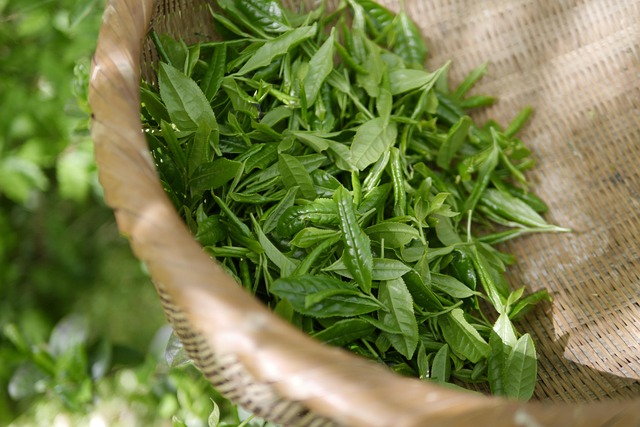
The term "cleansing" in a health context often refers to supporting the body's intrinsic detoxification and elimination pathways. It is crucial to understand that the human body—primarily the liver, kidneys, gastrointestinal tract, and skin—continuously performs these functions. Herbal teas do not "detox" the body in a novel way but may provide bioactive compounds that support the efficiency of these existing physiological processes. The evidence for this support varies significantly between herbs.
Several key mechanisms are supported by preclinical and some clinical research:
- Phase II Liver Enzyme Induction: Compounds like silymarin in milk thistle and catechins in green tea may upregulate the activity of enzymes like glutathione S-transferase, which conjugate toxins for safer excretion.
- Choleretic and Cholagogue Effects: Herbs such as dandelion root and artichoke leaf have demonstrated the ability to stimulate bile production and flow from the liver. Bile is essential for excreting fat-soluble metabolites and waste.
- Diuretic Action: Plants like nettle leaf and dandelion leaf contain potassium and other compounds that promote a mild increase in urine output, potentially aiding renal filtration and the elimination of water-soluble wastes.
- Gastrointestinal Motility and Microbiome Support: Peppermint and ginger teas can soothe digestive discomfort and support healthy motility, while teas high in prebiotic fibers (e.g., chicory root) may nourish beneficial gut bacteria, which play a role in metabolizing various compounds.
It is essential to distinguish the strength of this evidence. While the biochemical mechanisms for herbs like milk thistle and dandelion are well-documented in cell and animal studies, high-quality, large-scale human trials are often limited. Effects in humans are typically modest and should be viewed as complementary support, not a primary treatment.
Clinical Perspective: From a medical standpoint, "cleansing" is not a recognized therapeutic endpoint. A more accurate framing is "supporting organ function." The diuretic effect of some teas, for instance, is mild and temporary; it does not "flush" kidneys but may support their normal workload. Individuals with kidney disease, heart conditions, or on diuretic medications must exercise extreme caution and consult a physician, as these teas can alter fluid and electrolyte balance.
Furthermore, the safety profile is not universal. Individuals with known allergies to plants in the Asteraceae family (e.g., chamomile, dandelion), those who are pregnant or breastfeeding, and individuals on medications metabolized by the liver (via cytochrome P450 pathways) should seek professional medical advice before incorporating herbal teas for therapeutic purposes. The foundation of any "cleansing" support remains a balanced diet, adequate hydration, and healthy lifestyle choices.
3. Risks, Contraindications, and Populations to Avoid

While herbal teas are often perceived as inherently safe, they contain bioactive compounds that can interact with physiology and medications. A responsible approach requires understanding these potential risks and contraindications. The evidence for safety profiles varies, with some herbs having extensive pharmacovigilance data and others relying primarily on traditional use.
Key populations should exercise particular caution or avoid certain herbal teas without explicit medical guidance:
- Pregnant and Breastfeeding Individuals: Many herbs are contraindicated. For example, dandelion root and senna are generally not recommended during pregnancy due to potential uterine stimulation or electrolyte shifts.
- Individuals with Chronic Kidney or Liver Disease: Herbs like dandelion and burdock are sometimes marketed for "detox," but they can place additional metabolic strain on compromised organs. The evidence for their safety in these populations is extremely limited.
- Those on Prescription Medications: Significant drug-herb interactions are possible. Dandelion may interact with diuretics and lithium, while milk thistle can affect the metabolism of drugs processed by the liver's cytochrome P450 system (e.g., some statins, anticoagulants).
- People with Known Allergies: Individuals allergic to plants in the Asteraceae/Compositae family (e.g., ragweed, chrysanthemums) may react to chamomile, dandelion, or milk thistle.
- Individuals with Electrolyte Imbalances or Heart Conditions: Diuretic herbs like dandelion leaf can exacerbate electrolyte disturbances, which is critical for those on certain heart medications or with arrhythmias.
Clinical Perspective: The term "cleansing" is not a medical diagnosis. From a clinical standpoint, supporting the body's innate detoxification pathways (primarily the liver and kidneys) is about reducing toxic load and supporting function, not "flushing" systems. Herbal teas should be viewed as mild dietary adjuncts, not substitutes for medical treatment. Always disclose all supplement and herbal tea use to your healthcare provider, as it is a relevant part of your medication history.
Furthermore, the quality and sourcing of herbal products are not uniformly regulated. Contaminants like heavy metals, pesticides, or misidentification of plant species pose real, though uncommon, risks. Choosing teas from reputable suppliers that adhere to good agricultural and collection practices is advised.
In summary, the decision to use herbal teas should be informed and individualized. If you belong to any of the groups mentioned above, or if you are managing a chronic health condition, a consultation with a physician or a qualified herbalist is strongly recommended before beginning regular consumption.
4. Practical Recommendations for Safe Herbal Tea Integration

Integrating herbal teas into a wellness routine requires a measured, evidence-based approach. While many herbs have a long history of traditional use, their bioactive compounds can interact with the body in significant ways. The following recommendations are designed to help you adopt these practices safely and effectively.
General Principles for Safe Use
Adhering to these core principles minimizes risk and maximizes potential benefit:
- Start Low and Go Slow: Begin with one cup per day of a single herb to assess tolerance. Do not combine multiple new herbal teas simultaneously.
- Cycle Your Intake: Avoid continuous, long-term daily use of the same herb. A common practice is to consume a tea for 4-6 weeks, then take a 1-2 week break to prevent potential habituation or unintended physiological effects.
- Prioritize Quality: Source teas from reputable suppliers that provide information on origin and testing for contaminants like heavy metals or pesticides.
- Mind the Dosage: Follow package instructions for steeping time and quantity. More is not necessarily better and can increase the risk of adverse effects.
Key Populations for Caution
Certain individuals should exercise particular caution and consult a healthcare provider before using herbal teas:
- Pregnant or Breastfeeding Women: Many herbs are contraindicated due to a lack of safety data or known uterine-stimulating properties.
- Individuals with Chronic Conditions: Those with kidney disease, liver disease, or hormone-sensitive conditions (e.g., certain cancers) must seek medical advice, as herbs can affect organ function and hormonal pathways.
- People on Medications: Herbal compounds can inhibit or induce liver enzymes (Cytochrome P450), altering the metabolism of prescription drugs. This is a critical consideration for blood thinners, antidepressants, immunosuppressants, and others.
- Those with Known Allergies: Be aware of plant families (e.g., Asteraceae) if you have pollen or related food allergies.
Clinical Perspective: From a medical standpoint, "cleansing" is not a physiological process that requires external stimulation in healthy individuals; the liver, kidneys, and gastrointestinal tract perform this function continuously. Therefore, view herbal teas not as detoxifiers, but as potential supportive agents for overall organ function and hydration. Their primary evidence often supports general wellness, not acute detoxification. Always disclose all herbal supplement use to your physician, as it is a relevant part of your medical history.
Finally, maintain realistic expectations. The evidence for most herbal teas is supportive and often preliminary, highlighting a need for more robust, long-term human trials. They are best considered as one component of a balanced lifestyle that includes a nutrient-rich diet, adequate hydration, and regular physical activity.
5. Safety Protocols and Indications for Medical Consultation

While herbal teas are often perceived as benign, they contain bioactive compounds that can interact with physiological processes and medications. A foundational safety protocol is to approach them as mild dietary supplements, not as substitutes for medical treatment or a balanced diet. The concept of "natural cleansing" is not a recognized medical diagnosis; these teas are best understood as supporting normal hepatic, renal, and digestive function within a healthy lifestyle.
Certain populations should exercise particular caution and consult a physician before regular consumption. Key contraindications and considerations include:
- Pregnancy and Lactation: Many herbs are contraindicated. For example, dandelion root may stimulate uterine contractions, and senna is a potent laxative unsuitable for pregnancy.
- Chronic Medical Conditions: Individuals with kidney disease must avoid teas high in oxalates or potassium (e.g., dandelion, nettle). Those with liver conditions should avoid herbs metabolized by the liver (e.g., high doses of turmeric) without specialist oversight.
- Medication Interactions: Herbs can significantly alter drug efficacy. Dandelion may interact with diuretics and lithium; milk thistle may affect drugs metabolized by cytochrome P450 enzymes (e.g., some statins, anticoagulants).
- Pre- and Post-Surgical Patients: Discontinue herbal teas at least two weeks prior to any scheduled surgery due to potential effects on bleeding (e.g., ginger) or anesthesia.
Clinical Perspective: From a medical standpoint, the primary risk is the assumption of absolute safety. Patients often omit herbal teas from their medication history, leading to unrecognized interactions. A prudent rule is to "start low and go slow"—begin with small, infrequent servings to assess tolerance. Any adverse effects like gastrointestinal distress, allergic reactions, or changes in urine/stool patterns warrant immediate discontinuation and medical consultation.
Evidence for the safety and efficacy of herbal teas is often based on traditional use and preliminary studies rather than large-scale, long-term clinical trials. Therefore, their use should be informed and temporary, not indefinite. If you are considering herbal teas for specific health goals, a consultation with a primary care physician, gastroenterologist, or a registered dietitian can provide personalized guidance that integrates these beverages safely into your overall health plan.
6. Questions & Expert Insights
What does "natural cleansing" really mean in a medical context?
In clinical terms, "cleansing" does not refer to a single event but to the body's continuous, innate processes of detoxification and elimination. This primarily involves the liver (which metabolizes toxins), the kidneys (which filter blood), the gastrointestinal tract (which excretes waste), and the lymphatic system. The scientific premise behind certain herbal teas is that specific bioactive compounds may offer mild, supportive effects on these systems. For example, compounds like silymarin in milk thistle may support liver cell membrane integrity, while dandelion root's bitter principles may promote bile flow. It is crucial to understand that these teas are not "detoxes" that purge toxins; rather, they are considered potential adjuncts to a healthy lifestyle that supports the body's own, always-running physiological functions. The evidence for most herbs is supportive but not definitive, often based on traditional use, cell studies, or small human trials.
Who should be cautious or avoid using herbal teas for cleansing support?
Several populations should exercise significant caution or avoid these teas without explicit medical consultation. Individuals with kidney disease must avoid teas with diuretic properties (like dandelion or nettle) as they can alter fluid and electrolyte balance. Those with liver disease should not use any herbs, including milk thistle, without hepatologist guidance, as herb-drug interactions or unpredictable effects on liver enzymes are possible. Pregnant or breastfeeding individuals should generally avoid medicinal herbal teas due to a lack of safety data. People on multiple medications, especially blood thinners (e.g., warfarin), diabetes drugs, or immunosuppressants, risk significant interactions; for instance, green tea may affect warfarin metabolism. Anyone with a history of eating disorders should avoid any protocol labeled "cleansing," as it may trigger unhealthy patterns.
When should I talk to my doctor about using these teas, and what should I bring to the appointment?
Consult a physician or a registered dietitian before starting if you have any chronic health condition, take regular medications, or are pregnant. Schedule the conversation specifically to review "herbal supplements and teas for general wellness support." To make the conversation productive, bring a complete list of all teas and supplements you're considering, including their Latin names (e.g., Silybum marianum for milk thistle). Bring a list of all your current prescription and over-the-counter medications and dosages. Be prepared to discuss your specific health goals (e.g., "support digestion" vs. "improve energy"). This allows your provider to check for interactions, contraindications, and appropriateness based on your latest lab work (e.g., kidney or liver function tests). A transparent conversation ensures any herbal adjunct fits safely within your overall care plan.
How long does it take to notice effects, and are these teas safe for daily use?
Effects, if any, are typically subtle and cumulative rather than immediate. For digestive support (e.g., ginger, peppermint), effects may be noticed within hours or days. For systemic support related to liver or kidney function, any potential benefit would be observed over weeks to months of consistent use alongside a healthy diet. Regarding daily use, safety depends on the herb, dosage, and the individual. Common culinary herbs like peppermint or ginger in typical tea preparations are generally safe for daily consumption for most healthy adults. However, herbs with stronger pharmacological actions, like milk thistle or dandelion root, are best used in cyclical periods (e.g., 6-8 weeks followed by a break) unless otherwise guided by a healthcare professional. Long-term safety data for many herbal teas is limited. Monitoring for any new symptoms (digestive upset, allergic reactions, headaches) is essential, as is purchasing from reputable sources to avoid contamination.
7. In-site article recommendations
8. External article recommendations
9. External resources
The links below point to reputable medical and evidence-based resources that can be used for further reading. Always interpret them in the context of your own situation and your clinician’s advice.
-
examine examine.comherbal teas – Examine.com (search)
-
healthline healthline.comherbal teas – Healthline (search)
-
mayoclinic mayoclinic.orgherbal teas – Mayo Clinic (search)
These external resources are maintained by third-party organisations. Their content does not represent the editorial position of this site and is provided solely to support readers in accessing additional professional information.