
1. Introduction to HIIT and Its Context

High-Intensity Interval Training (HIIT) is a structured exercise methodology characterized by alternating short bursts of near-maximal or maximal effort with periods of lower-intensity recovery or complete rest. This approach contrasts with steady-state, moderate-intensity continuous training (MICT), such as jogging at a consistent pace. The fundamental premise of HIIT is to elicit significant physiological adaptations in a time-efficient manner by repeatedly challenging the body's aerobic and anaerobic energy systems.
The evidence supporting HIIT for improving cardiorespiratory fitness (VO₂ max) and metabolic health is robust and well-established. Numerous systematic reviews and meta-analyses confirm that HIIT can produce superior improvements in VO₂ max compared to MICT, particularly in populations with cardiometabolic risk factors, within similar or shorter time commitments. HIIT has also demonstrated efficacy for:
- Improving insulin sensitivity and glycemic control.
- Reducing visceral adipose tissue (abdominal fat).
- Enhancing endothelial function and blood pressure regulation.
However, claims regarding physique "transformation"—often implying substantial fat loss and muscle gain—require careful contextualization. While HIIT can be a potent tool for fat loss due to its high caloric expenditure and potential for excess post-exercise oxygen consumption (EPOC), the magnitude of change in body composition over 30 days is inherently limited by physiological realities. Significant physique alterations are primarily governed by sustained nutritional strategies and consistent training over longer periods. HIIT should be viewed as a highly effective component of a comprehensive program, not a standalone shortcut.
Clinical Perspective: From a safety and applicability standpoint, HIIT is not a one-size-fits-all protocol. The "high-intensity" component is relative to an individual's current fitness level. For sedentary individuals or those with underlying health conditions, what constitutes "high intensity" must be carefully calibrated. The risk of musculoskeletal injury or cardiovascular stress is elevated compared to moderate-intensity exercise, particularly with improper form or excessive volume.
Individuals with the following conditions should seek medical clearance and likely begin under professional supervision:
- Known or suspected cardiovascular disease (e.g., coronary artery disease, heart failure).
- Uncontrolled hypertension.
- Musculoskeletal injuries or conditions that may be aggravated by high-impact movements.
- Pregnancy, unless previously accustomed to high-intensity exercise and with obstetrician approval.
This chapter provides the foundational context for understanding HIIT's mechanisms and evidence base. The following routines are presented as evidence-backed examples, but their application must be tailored to individual capacity, goals, and health status.
2. Scientific Evidence and Physiological Mechanisms of HIIT
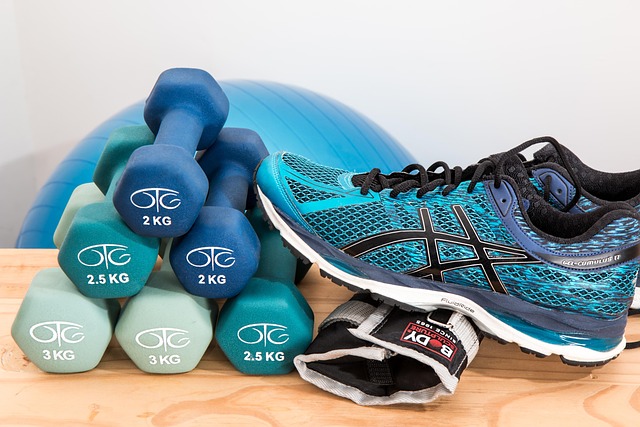
High-Intensity Interval Training (HIIT) is supported by a robust body of research demonstrating its efficacy for improving cardiorespiratory fitness, body composition, and metabolic health. The physiological adaptations are driven by the intense, repeated bursts of effort that create a significant metabolic and cardiovascular stress, followed by periods of recovery or low-intensity activity.
Key Physiological Adaptations
The primary mechanisms by which HIIT induces change include:
- Excess Post-Exercise Oxygen Consumption (EPOC): The intense work creates a substantial oxygen debt, elevating metabolic rate for hours after the session, which can contribute to increased calorie expenditure.
- Mitochondrial Biogenesis: HIIT is a potent stimulus for improving the density and function of mitochondria (the energy powerhouses of cells) in skeletal muscle, enhancing the body's ability to use fat and carbohydrates for fuel.
- Improved Insulin Sensitivity: HIIT has been shown to improve glucose uptake by muscles, a benefit strongly supported by evidence, which is crucial for metabolic health and body composition management.
- Cardiovascular Enhancements: Regular HIIT can increase stroke volume (the amount of blood pumped per heartbeat) and improve the efficiency of the heart and vascular system.
Evidence and Considerations
The evidence for HIIT's impact on VO2 max (a key measure of aerobic fitness) and metabolic markers is strong and consistent across numerous randomized controlled trials. Evidence for fat loss is also compelling, though outcomes can be influenced by diet and individual adherence. It is important to note that while HIIT is time-efficient, the claim of "transforming your physique in 30 days" should be interpreted with caution; significant, sustainable body recomposition typically requires consistency over a longer period alongside nutritional support.
Clinical Perspective: From a safety standpoint, the high-intensity nature of HIIT demands respect. Individuals with pre-existing cardiovascular conditions, uncontrolled hypertension, orthopedic limitations, or who are sedentary should obtain medical clearance before starting. The protocol must include a proper warm-up and cool-down. Furthermore, more is not always better; adequate recovery between sessions is essential to prevent overtraining and injury.
In summary, HIIT is a scientifically validated training modality that elicits powerful physiological adaptations. Its effectiveness is rooted in these evidence-based mechanisms, but it must be implemented appropriately within an individual's health context and fitness level.
3. Risks and Contraindications for HIIT
While High-Intensity Interval Training (HIIT) is a potent stimulus for physiological adaptation, its very intensity introduces specific risks that must be acknowledged and managed. A responsible approach requires understanding both the common pitfalls and the absolute contraindications to ensure safety and sustainability.
Common Risks and Overuse Injuries
The repetitive, high-impact nature of many HIIT protocols can lead to musculoskeletal overuse injuries, particularly for those with poor foundational strength or improper technique. Common issues include:
- Patellofemoral pain syndrome and other knee pathologies from excessive jumping or squatting volume.
- Achilles tendinopathy and plantar fasciitis from aggressive plyometrics.
- Rotator cuff strains from high-volume push-up or overhead pressing variations.
- Stress fractures, particularly in the lower limbs, often stemming from a rapid increase in training load without adequate recovery.
Furthermore, the extreme cardiopulmonary demand can provoke adverse events in susceptible individuals, such as dizziness, exertional syncope, or abnormal heart rhythms (arrhythmias).
Key Contraindications and Precautions
HIIT is not appropriate for everyone. Certain conditions significantly increase the risk of harm, making medical clearance essential. High-risk populations include individuals with:
- Known or suspected cardiovascular disease: This includes coronary artery disease, heart failure, uncontrolled hypertension, or a history of arrhythmia. The acute spike in blood pressure and heart rate can be dangerous.
- Uncontrolled metabolic disease: Such as Type 1 diabetes or poorly managed Type 2 diabetes, due to the risk of extreme glycemic fluctuations.
- Active musculoskeletal injuries: Acute sprains, strains, or inflammatory conditions.
- Pregnancy: While moderate exercise is generally encouraged, the specific stresses and impact of HIIT are not recommended without direct obstetrician guidance.
Clinical Insight: The "weekend warrior" phenomenon is a major risk factor for HIIT-related injury. Jumping into multiple weekly sessions without a base of consistent, moderate-intensity exercise dramatically increases the likelihood of musculoskeletal and cardiac strain. A prudent approach is to build a foundation of several weeks of steady-state cardio and resistance training before incorporating true high-intensity intervals. Always prioritize technique over speed or load, especially when fatigued.
For those with no known contraindications, a gradual, phased introduction is critical. Begin with lower-intensity intervals, focus on mastering movement patterns, and ensure adequate recovery between sessions. Anyone with pre-existing health conditions, symptoms like chest pain or undue shortness of breath with exertion, or who is new to vigorous exercise should consult a physician before starting a HIIT program.
4. Practical Takeaways for Implementing HIIT Routines

Successfully implementing a High-Intensity Interval Training (HIIT) program requires a structured, evidence-based approach that prioritizes safety and sustainability over rapid results. The following practical takeaways are synthesized from current exercise science literature to guide your practice.
Foundational Principles for Safe Implementation
Before beginning any new routine, a foundational understanding of intensity and recovery is critical. HIIT is defined by brief, near-maximal effort intervals (typically >80% of maximum heart rate) followed by active or passive recovery. Strong evidence supports its efficacy for improving cardiorespiratory fitness and body composition, but adherence to these principles is non-negotiable.
- Progressive Overload: Start with a lower work-to-rest ratio (e.g., 20 seconds of work, 40 seconds of rest) and gradually increase work intervals or decrease rest periods over weeks.
- Frequency: Robust data indicates 2-3 non-consecutive HIIT sessions per week is optimal for physiological adaptations while allowing for adequate musculoskeletal recovery.
- Warm-up and Cool-down: Dedicate 5-10 minutes to dynamic warm-up and a similar period to cool-down with static stretching to mitigate injury risk.
Integrating HIIT into a Balanced Regimen
HIIT should not constitute your entire exercise program. It is most effective and sustainable when part of a periodized plan that includes lower-intensity steady-state cardio, resistance training, and dedicated rest days. This balanced approach prevents overtraining syndrome and supports long-term adherence, which is the true driver of physique transformation.
Clinical Insight: The "transform in 30 days" premise should be interpreted with caution. While significant improvements in VO2 max and insulin sensitivity can occur within weeks, visible changes in body composition often require a longer, consistent commitment combined with appropriate nutrition. HIIT is a powerful tool, not a shortcut.
Essential Precautions and Contraindications
HIIT imposes significant cardiovascular and orthopedic stress. Certain individuals should seek medical clearance from a physician or exercise professional before commencing a program. This includes those with:
- Known or suspected cardiovascular disease, uncontrolled hypertension, or arrhythmias.
- Recent musculoskeletal injury or chronic joint issues (e.g., severe osteoarthritis).
- Pregnancy, unless previously cleared for and experienced with high-intensity exercise.
- A sedentary lifestyle; a period of baseline moderate-intensity conditioning is strongly advised first.
Listen to your body. Sharp pain, dizziness, or excessive shortness of breath are signals to stop immediately. Consistency with proper form and sensible progression will yield more reliable and safer outcomes than pushing through extreme fatigue.
5. Safety Considerations and When to Consult a Healthcare Provider

While high-intensity interval training (HIIT) is supported by robust evidence for improving cardiorespiratory fitness and body composition, its very intensity necessitates a structured approach to safety. The physiological demands—including rapid spikes in heart rate, blood pressure, and intramuscular pressure—mean it is not universally appropriate without prior evaluation.
Who Should Seek Medical Clearance First?
It is strongly recommended that individuals with known or suspected medical conditions consult a physician, such as a primary care doctor or cardiologist, before initiating a HIIT program. This is not a mere formality but a critical risk-mitigation step. Key populations include:
- Individuals with any cardiovascular condition (e.g., coronary artery disease, hypertension, arrhythmia).
- Those with metabolic disorders like type 1 or type 2 diabetes, due to the significant impact on blood glucose levels.
- People with musculoskeletal injuries, joint problems (e.g., osteoarthritis), or who are in post-operative rehabilitation.
- Pregnant individuals, especially if new to vigorous exercise.
- Those who are sedentary or have a history of exercise avoidance.
Clinical Perspective: From a clinical standpoint, the "talk test" is a useful, evidence-based tool for self-monitoring intensity. If you cannot say a few words without gasping for breath during a work interval, you are likely in a very high-intensity zone. For beginners, the evidence strongly supports starting with modified, lower-impact intervals and focusing on mastering form before maximizing speed or load. The risk of overuse injury or cardiovascular strain is highest when proper progression is ignored.
Recognizing Warning Signs
Understanding when to stop is as important as knowing how to start. Discontinue exercise and seek medical attention if you experience:
- Chest pain, pressure, or unusual discomfort.
- Severe shortness of breath that does not resolve quickly with rest.
- Dizziness, lightheadedness, or near-fainting.
- Palpitations or an irregular heartbeat.
- Joint pain that is sharp or persistent.
In summary, the transformative potential of HIIT is best realized within a framework of safety. A proactive consultation with a healthcare provider provides a personalized risk assessment, ensuring your 30-day journey is effective and sustainable, not hazardous.
6. Questions & Expert Insights
Is HIIT truly more effective for fat loss than steady-state cardio?
High-Intensity Interval Training (HIIT) can be a highly time-efficient strategy for improving body composition, but its superiority over steady-state cardio is nuanced. The primary advantage of HIIT is its ability to elicit Excess Post-Exercise Oxygen Consumption (EPOC), a period of elevated metabolism post-workout. However, the total calorie burn from this effect, while real, is often modest—typically an additional 6-15% of the workout's calories. The greater benefit may come from HIIT's potent effects on improving insulin sensitivity and preserving lean muscle mass during a calorie deficit, which can support fat loss. For pure calorie expenditure, longer steady-state sessions often burn more total calories. The "best" method depends on individual goals, schedule, and preference. A combination of both modalities is often the most sustainable and effective long-term approach.
What are the main risks of starting a 30-day HIIT transformation program?
Jumping into an aggressive HIIT program carries significant risks, primarily musculoskeletal injury and cardiovascular strain. Without a foundation of strength and conditioning, the explosive movements common in HIIT (e.g., jumps, sprints) place high stress on joints, tendons, and ligaments, leading to issues like patellar tendinitis or stress reactions. Cardiovascular risks include arrhythmias or extreme blood pressure spikes in those with undiagnosed heart conditions. Overtraining syndrome—characterized by persistent fatigue, mood disturbances, and performance decline—is a real risk with daily high-intensity sessions. Furthermore, such programs can foster an unhealthy, all-or-nothing relationship with exercise and nutrition, which is particularly risky for individuals with a history of or predisposition to eating disorders.
Who should avoid HIIT or consult a doctor before starting?
Medical clearance is strongly advised for individuals with known or suspected cardiovascular disease (e.g., coronary artery disease, heart failure, uncontrolled hypertension), pulmonary conditions, or metabolic disorders like diabetes. Those who are sedentary, significantly deconditioned, or have musculoskeletal limitations (e.g., chronic knee or back pain) should build a base of strength and mobility first. HIIT is generally not recommended during pregnancy or for individuals with a history of exercise-induced complications. If you have any of these conditions, a conversation with your physician or a relevant specialist (e.g., cardiologist, physiotherapist) is a critical first step. They can help determine if HIIT is appropriate and, if so, guide safe progression.
Can HIIT alone transform my physique without dietary changes?
While HIIT can improve cardiovascular fitness, insulin sensitivity, and even modestly increase calorie expenditure, it is highly unlikely to produce a dramatic transformation in body composition without concurrent dietary modifications. The principle of energy balance is fundamental: to lose body fat, you must consume fewer calories than you expend. Exercise, including HIIT, contributes to the "expenditure" side but can also increase appetite. Without mindful nutrition, it's easy to negate the calorie deficit created by the workout. For building muscle (hypertrophy), while HIIT can help preserve muscle during fat loss, dedicated resistance training with progressive overload is far more effective. For meaningful physique changes, evidence consistently points to the synergy of structured exercise and appropriate nutrition as the cornerstone.
7. In-site article recommendations
8. External article recommendations
9. External resources
The links below point to reputable medical and evidence-based resources that can be used for further reading. Always interpret them in the context of your own situation and your clinician’s advice.
-
mayoclinic mayoclinic.orghigh-intensity interval training – Mayo Clinic (search)
-
drugs drugs.comhigh-intensity interval training – Drugs.com (search)
-
healthline healthline.comhigh-intensity interval training – Healthline (search)
These external resources are maintained by third-party organisations. Their content does not represent the editorial position of this site and is provided solely to support readers in accessing additional professional information.