
1. Introduction to the Mediterranean Diet and Its Role in Fitness
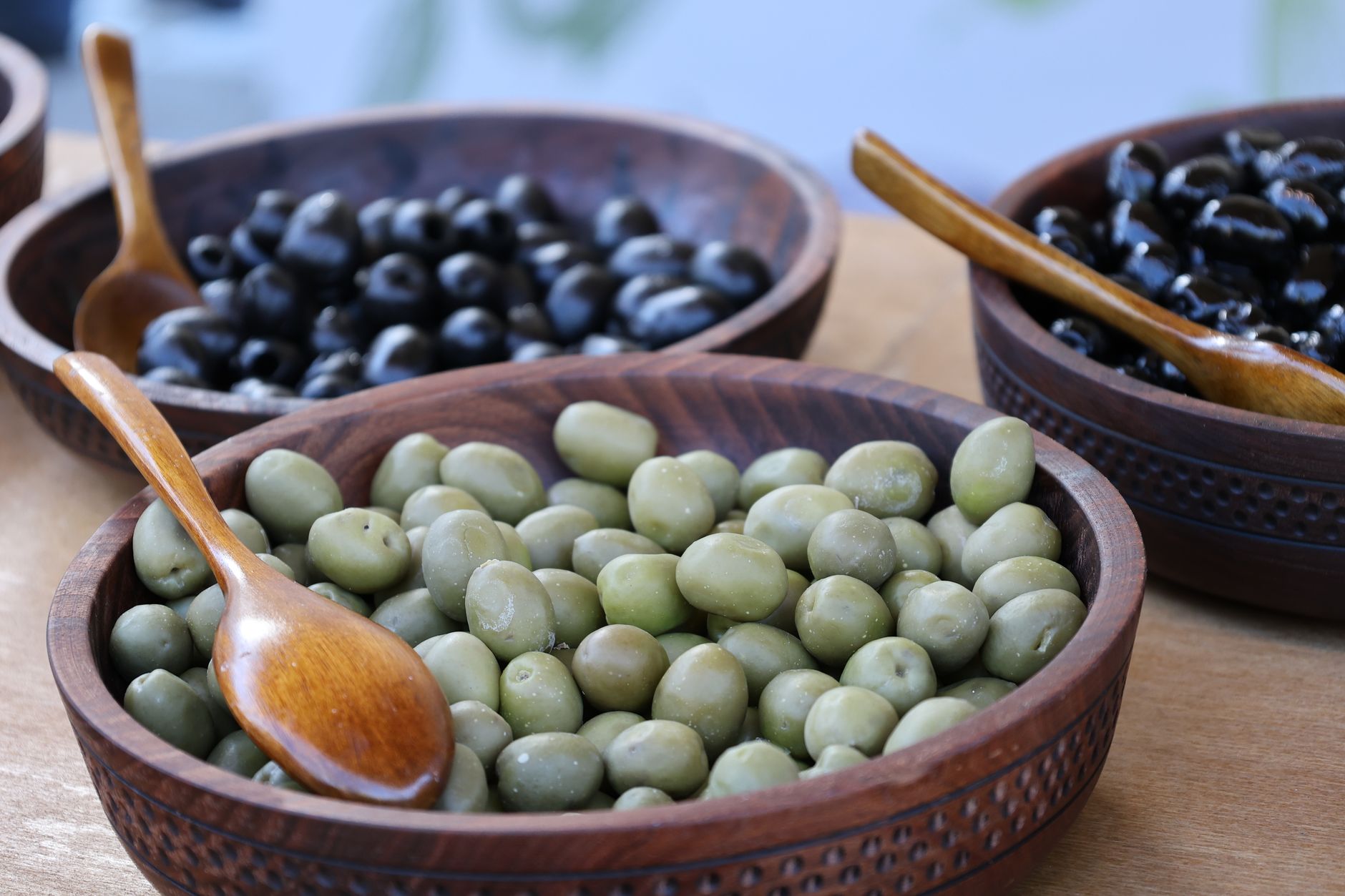
The Mediterranean diet is not a restrictive meal plan but a dietary pattern inspired by the traditional eating habits of countries bordering the Mediterranean Sea. It is consistently ranked among the healthiest dietary approaches by global health authorities, supported by a robust body of epidemiological and clinical trial data. Its core principles focus on whole, minimally processed foods, creating a nutrient-dense foundation that can effectively support physical fitness and overall health.
At its essence, this pattern emphasizes:
- Abundant plant foods: Vegetables, fruits, legumes, nuts, seeds, and whole grains form the dietary base.
- Healthy fats as the primary fat source: Extra virgin olive oil is central, replacing butter and other saturated fats.
- Moderate intake of fish and seafood: Particularly fatty fish like salmon and sardines, rich in omega-3 fatty acids.
- Limited consumption of red meat and sweets: These are enjoyed occasionally rather than as staples.
- Cultural context: Meals are often social, and physical activity is a regular part of life.
The synergy of these components provides a unique nutritional profile for active individuals. The diet offers complex carbohydrates for sustained energy, high-quality proteins for muscle repair, and anti-inflammatory fats that may aid recovery. Strong evidence from large-scale studies, such as the PREDIMED trial, links this dietary pattern to reduced risks of cardiovascular disease and improved metabolic health—factors critical for long-term fitness capacity.
Clinical Perspective: From a sports nutrition standpoint, the Mediterranean diet is valued for its density of antioxidants and phytonutrients, which may help mitigate exercise-induced oxidative stress. However, athletes with very high energy and protein demands may need to consciously adjust portion sizes and meal timing within this framework to meet their specific goals. It is not typically designed as a high-protein diet without modification.
It is important to note that while the evidence for its general health benefits is strong, direct research on its impact on specific athletic performance metrics (e.g., strength gains, sprint times) is more limited compared to its well-documented cardiometabolic effects. Most data supports its role in enhancing overall health, which is the essential foundation for any fitness journey.
Individuals with specific health conditions, such as kidney disease requiring protein restriction, or those on blood-thinning medications who need to monitor vitamin K intake from leafy greens, should consult a physician or registered dietitian before making significant dietary changes. This ensures the pattern is adapted safely to their individual health profile.
2. Scientific Evidence and Mechanisms Linking Diet to Fitness
The connection between the Mediterranean diet and enhanced physical fitness is not anecdotal; it is supported by a robust body of scientific research. The diet's benefits are primarily attributed to its synergistic combination of high-quality macronutrients and potent bioactive compounds, which operate through several key physiological mechanisms.
Evidence from Clinical and Observational Studies
Strong evidence from large-scale, long-term observational studies, such as the PREDIMED trial, consistently links adherence to a Mediterranean dietary pattern with improved cardiovascular health, reduced systemic inflammation, and better metabolic markers—all foundational for fitness. Randomized controlled trials in active individuals show that this diet can improve endurance performance, enhance recovery, and support favorable body composition changes compared to Western-style diets.
Key Mechanisms of Action
The diet's efficacy can be traced to specific biological pathways:
- Enhanced Mitochondrial Function & Energy Metabolism: The high intake of polyphenols (from olive oil, nuts, berries) and unsaturated fats supports mitochondrial biogenesis and efficiency, improving the body's ability to produce energy (ATP) during exercise.
- Reduced Systemic Inflammation & Oxidative Stress: Chronic inflammation impairs recovery and performance. The anti-inflammatory and antioxidant properties of omega-3 fatty acids (from fish), oleic acid (from olive oil), and phytonutrients help mitigate exercise-induced muscle damage and soreness.
- Optimized Fuel Availability & Glycogen Storage: The diet's emphasis on complex carbohydrates from whole grains, legumes, and vegetables provides a steady glucose supply, supporting glycogen stores for sustained energy during training.
- Improved Vascular Function & Blood Flow: Nitrate-rich vegetables (like leafy greens) and healthy fats promote endothelial function and vasodilation, enhancing oxygen and nutrient delivery to working muscles.
Clinical Perspective: While the evidence for general health and fitness support is strong, it's important to note that performance outcomes can vary based on an individual's sport, training intensity, and specific nutritional periodization needs. The diet provides an excellent foundational framework, but athletes with very high energy or protein demands may need to strategically adjust portions or timing within this pattern.
It is also crucial to acknowledge limitations. Much of the performance-specific research has been conducted over weeks or months; long-term adaptations over years are less documented. Individuals with specific medical conditions, such as kidney disease requiring protein restriction, or those with complex dietary needs should consult a physician or registered dietitian before making significant dietary changes, even to a health-promoting pattern like the Mediterranean diet.
3. Potential Risks and Populations to Approach with Caution

While the Mediterranean diet is widely celebrated for its health benefits, it is not a one-size-fits-all prescription. A balanced, evidence-based approach requires acknowledging contexts where its standard application may need modification or medical supervision.
Certain populations should consult a healthcare provider or registered dietitian before making significant dietary shifts:
- Individuals with Kidney Disease: The diet's emphasis on plant-based foods like nuts, legumes, and whole grains can be high in potassium and phosphorus. For patients with advanced chronic kidney disease (CKD), uncontrolled intake of these minerals can be dangerous and requires careful management.
- Those on Specific Medications: The high vitamin K content in leafy greens (e.g., spinach, kale) can interfere with the anticoagulant effect of warfarin. Consistency, not avoidance, is key, but changes must be coordinated with a physician.
- People with Active Gastrointestinal Disorders: During flares of conditions like Crohn's disease, diverticulitis, or irritable bowel syndrome (IBS), the high fiber content from whole grains, legumes, and raw vegetables may exacerbate symptoms like bloating, gas, or abdominal pain.
- Individuals with a History of or at Risk for Eating Disorders: Any prescriptive diet, even one as wholesome as the Mediterranean pattern, can inadvertently trigger restrictive or obsessive eating behaviors in susceptible individuals.
Clinical Perspective: The core principles of the Mediterranean diet—whole foods, healthy fats, and plant-forward eating—are sound for most. The clinical nuance lies in adaptation. For instance, a patient with CKD can follow a "renal-friendly" Mediterranean approach, focusing on lower-potassium vegetables and appropriate protein sources. The goal is to harness the diet's benefits while mitigating individual risks through personalized planning.
Potential risks for the general population are relatively minor but worth noting. The reliance on olive oil, while beneficial, adds significant calories. Without mindful portion control, this can lead to unintended weight gain. Furthermore, while evidence strongly supports the diet's role in cardiovascular health, claims regarding its direct impact on specific fitness outcomes (like muscle hypertrophy or athletic performance) are more preliminary. It provides excellent foundational nutrition but may need to be tailored for elite athletic or specific body composition goals.
In summary, the Mediterranean diet is a robust template for health, but its implementation must be contextual. If you have a pre-existing medical condition, take medications, or have specific health goals, discussing this dietary approach with a qualified professional is the most responsible first step.
4. Practical Applications and Sample Meal Strategies
Translating the principles of the Mediterranean diet into daily practice requires a focus on whole-food composition and meal timing to support physical activity. The goal is to provide sustained energy, aid muscle repair, and leverage the diet's well-documented anti-inflammatory and cardiometabolic benefits. The following strategies are grounded in the diet's core evidence base, which is strongest for cardiovascular health and metabolic syndrome management.
Strategic Meal Composition for Active Individuals
For pre- and post-workout nutrition, balance is key. A sample day might include:
- Pre-Workout (2-3 hours prior): A meal combining complex carbohydrates and lean protein, such as a quinoa bowl with grilled chicken, roasted vegetables, and a drizzle of olive oil. This provides slow-releasing energy.
- Post-Workout (within 1-2 hours): Focus on protein for muscle synthesis and carbohydrates to replenish glycogen. An example is Greek yogurt with berries, a handful of walnuts, and a teaspoon of honey.
- General Daily Pattern: Prioritize vegetables and legumes at every meal, use olive oil as the primary fat, include fatty fish 2-3 times per week, and opt for whole fruits over juice.
Clinical Insight: While the macronutrient distribution of the Mediterranean diet is supportive for general fitness, evidence for its direct superiority in elite athletic performance versus other structured diets is more limited. Its greatest strength for active individuals lies in its systemic benefits—reducing exercise-induced inflammation and supporting long-term cardiometabolic health, which underpins consistent training capacity. Individuals with specific performance or body composition goals should consider consulting a sports dietitian for personalization.
Considerations and Cautions
These guidelines are intended for generally healthy adults. Certain individuals should exercise caution or seek tailored medical advice:
- Those with kidney disease may need to moderate protein intake and monitor potassium from high vegetable/legume consumption.
- Individuals on anticoagulant therapy (e.g., warfarin) should maintain consistent vitamin K intake (found in leafy greens) and consult their physician.
- Anyone with a history of disordered eating should approach any prescribed meal pattern under the guidance of a healthcare professional.
Adopting these meal strategies is a sustainable approach to fueling activity. Consistency with the overall dietary pattern, rather than fixation on single "superfoods," is supported by the strongest evidence for long-term health and fitness outcomes.
5. Safety Guidelines and Indications for Medical Consultation
While the Mediterranean diet is one of the most extensively researched and broadly recommended dietary patterns for general health and fitness, it is not a one-size-fits-all prescription. Adopting any new nutritional strategy, even one with strong evidence, warrants a thoughtful approach that considers individual health status and potential risks.
The core principles—emphasizing vegetables, fruits, whole grains, legumes, nuts, olive oil, and lean proteins like fish—are widely considered safe for most adults. High-quality evidence from long-term observational studies and controlled trials consistently links this pattern to reduced risks of cardiovascular disease, certain cancers, and improved metabolic health. However, the application of these principles in the context of an active fitness journey requires specific considerations.
Key Safety Considerations
Individuals with the following conditions or circumstances should exercise particular caution and are strongly advised to consult with a physician or a registered dietitian before making significant dietary changes:
- Kidney Disease: The diet's typical emphasis on plant-based proteins (legumes, nuts) and potassium-rich fruits and vegetables may require modification for those with impaired kidney function.
- Blood Thinners (e.g., Warfarin): A sudden, significant increase in vitamin K-rich leafy greens can interfere with medication efficacy, requiring careful monitoring and dose adjustment.
- Food Allergies or Intolerances: Common Mediterranean diet components like tree nuts, seafood, wheat, and dairy are frequent allergens. Safe, nutritionally equivalent substitutions are essential.
- Active Gallbladder Disease: A sharp increase in dietary fat, even from healthy sources like olive oil and nuts, may trigger symptoms in susceptible individuals.
- History of Disordered Eating: Any diet, even one focused on whole foods, can potentially trigger restrictive or obsessive behaviors. A focus on flexibility and overall pattern, not rigid meal rules, is crucial.
Clinical Perspective: In practice, the greatest risk often lies not in the diet itself, but in its improper implementation. For fitness goals, an individual may inadvertently create a significant calorie deficit or macronutrient imbalance that undermines performance and recovery. A common oversight is insufficient carbohydrate intake from whole-food sources to support rigorous training, leading to fatigue. A healthcare professional can help tailor the Mediterranean framework to support both your health conditions and your energy needs.
When to Seek Medical Consultation
Consult your doctor or a qualified nutrition specialist before starting if you:
- Have any diagnosed chronic condition (e.g., diabetes, hypertension, autoimmune disease).
- Are pregnant, breastfeeding, or planning pregnancy.
- Take prescription medications regularly, especially for chronic diseases.
- Experience unexplained digestive discomfort, significant weight change, or fatigue after implementing dietary changes.
Ultimately, the Mediterranean diet offers a robust, evidence-based template for wellness. Integrating it safely into your fitness journey requires aligning its principles with your unique physiological needs and health profile, ideally under professional guidance.
6. Questions & Expert Insights
Can the Mediterranean diet really improve my athletic performance?
The Mediterranean diet is strongly associated with improved cardiovascular health, reduced inflammation, and enhanced endothelial function—all of which support the physiological foundation for endurance and recovery. The diet's emphasis on complex carbohydrates (whole grains, legumes) provides sustained glycogen stores, while its healthy fats (olive oil, nuts) may aid in managing exercise-induced inflammation. However, direct evidence linking the diet to measurable performance gains like VO2 max or strength increases in elite athletes is more limited and mixed. The benefits are likely more pronounced for general fitness, health, and consistent training capacity rather than for achieving marginal, competition-level gains. For high-performance athletes, precise macronutrient timing and caloric intake may require adjustments to the standard Mediterranean framework.
Are there any risks or people who should avoid this diet?
While generally safe, certain individuals should proceed with caution or seek modification. Those with specific medical conditions require attention: individuals with chronic kidney disease may need to monitor the high potassium content from fruits, vegetables, and legumes; those on blood thinners like warfarin must maintain consistent vitamin K intake (abundant in leafy greens) to avoid medication fluctuations. The diet's high fiber content, while beneficial, can cause significant gastrointestinal distress if introduced too quickly. Furthermore, individuals with a history of or active eating disorders should approach any prescribed dietary pattern under the guidance of a therapist or dietitian, as the focus on "good" vs. "bad" foods can be triggering.
I have a health condition. When should I talk to my doctor before starting?
Consult your physician or a registered dietitian before making significant dietary changes if you have a chronic condition such as diabetes, cardiovascular disease, autoimmune disorders, or digestive issues like IBS or IBD. This is crucial if you are on medication, as dietary shifts can affect drug efficacy (e.g., blood pressure, blood sugar, or blood-thinning medications). Prepare for the conversation by bringing a 3-day food log of your current eating habits, a list of your medications and supplements, and your specific fitness goals. This allows your provider to give personalized advice on how to adapt the Mediterranean diet principles—like carbohydrate portions or specific food choices—to safely support your health and fitness journey.
How long does it take to see health benefits from this eating pattern?
Timelines for observable benefits vary by the health metric in question. Improvements in biomarkers like LDL cholesterol and blood pressure can be detected within a few weeks to months of consistent adherence, as shown in controlled trials. Subjective feelings of improved energy, digestion, or satiety may be noticed earlier. However, more significant outcomes—such as reduced risk of major cardiovascular events or sustained weight management—are long-term benefits observed over years of adherence. It's important to view this not as a short-term "diet" but as a sustainable lifestyle pattern. The evidence is strongest for cumulative, long-term health protection rather than immediate, dramatic transformations.
7. In-site article recommendations
8. External article recommendations
9. External resources
The links below point to reputable medical and evidence-based resources that can be used for further reading. Always interpret them in the context of your own situation and your clinician’s advice.
-
healthline healthline.comMediterranean diet – Healthline (search)
-
mayoclinic mayoclinic.orgMediterranean diet – Mayo Clinic (search)
-
wikipedia wikipedia.orgMediterranean diet – Wikipedia (search)
These external resources are maintained by third-party organisations. Their content does not represent the editorial position of this site and is provided solely to support readers in accessing additional professional information.