
1. Introduction to Nutrition and Mental Energy

Mental energy, distinct from mood or clinical mental health, refers to the cognitive resources required for focus, motivation, and sustained mental performance. It is a foundational element of daily functioning, influencing productivity, learning, and resilience. While often overlooked, the connection between dietary intake and this cognitive fuel is robust and supported by a growing body of nutritional neuroscience.
The brain, constituting only about 2% of body weight, consumes approximately 20% of the body's energy at rest. This high metabolic demand makes it exceptionally sensitive to the quality and timing of nutrient supply. The primary mechanisms through which nutrition influences mental energy include:
- Blood Glucose Regulation: The brain relies almost exclusively on glucose for energy. Diets high in refined sugars can cause rapid spikes and crashes in blood glucose, leading to fluctuations in alertness and concentration. Consistent, slow-release energy from complex carbohydrates, fiber, and protein is strongly associated with more stable cognitive performance.
- Neurotransmitter Synthesis: Key neurotransmitters governing alertness (e.g., dopamine, norepinephrine) and calm focus (e.g., serotonin) are built from amino acids derived from dietary protein. Their production also depends on micronutrients like B vitamins, iron, and vitamin C as essential cofactors.
- Mitochondrial Function & Oxidative Stress: The brain's mitochondria generate cellular energy (ATP). Nutrients such as B vitamins, magnesium, CoQ10, and antioxidants (e.g., vitamins C and E, polyphenols) support mitochondrial efficiency and protect neural tissue from oxidative damage, which can impair energy metabolism.
Evidence for the impact of specific dietary patterns—such as the Mediterranean diet—on general cognitive function is strong. However, research isolating "mental energy" as a specific outcome is more nuanced. While certain nutrients (e.g., caffeine, L-theanine, specific B vitamins) have good evidence for acute or sustained effects on alertness, the evidence for complex whole-food blends is often preliminary or mixed, relying on shorter-term studies.
Clinical Consideration: It is crucial to distinguish nutritional support for mental energy from the treatment of medical conditions like chronic fatigue, depression, anxiety, or ADHD. While diet is a supportive pillar, these conditions require comprehensive medical evaluation and management. Individuals with underlying metabolic disorders (e.g., diabetes, kidney disease), those on specific medications, or who are pregnant should consult a physician or registered dietitian before making significant dietary changes.
This chapter establishes the scientific premise that what we consume directly fuels our cognitive machinery. The following sections will translate these principles into practical, evidence-informed smoothie recipes designed to provide targeted nutritional support for mental clarity and sustained energy.
2. Evidence-Based Mechanisms for Cognitive Support

The cognitive benefits attributed to certain smoothie ingredients are not merely anecdotal; they are grounded in specific, evidence-based physiological mechanisms. Understanding these pathways is crucial for making informed dietary choices that support mental energy, focus, and neuroprotection.
The most robust evidence supports the role of antioxidants and anti-inflammatory compounds. Chronic inflammation and oxidative stress are implicated in cognitive decline and fatigue. Ingredients like berries (rich in flavonoids), dark leafy greens (high in carotenoids and vitamin K), and spices like turmeric (containing curcumin) have demonstrated, in numerous studies, the ability to modulate these pathways. This can support cerebral blood flow, enhance neuronal signaling, and protect brain cells from damage.
Another key mechanism is the provision of essential cofactors for neurotransmitter synthesis. Neurotransmitters like dopamine and serotonin are critical for motivation, mood, and alertness. Their production depends on micronutrients found in whole foods:
- B vitamins (especially B6, B9, B12): Abundant in spinach, avocado, and fortified plant milks, they are essential for homocysteine metabolism and neurotransmitter production.
- Magnesium: Found in nuts, seeds, and leafy greens, it acts as a cofactor for hundreds of enzymatic reactions, including those in energy metabolism and nerve function.
- Tyrosine and Tryptophan: These amino acid precursors, found in seeds, nuts, and dairy, are building blocks for key neurotransmitters.
Furthermore, a stable glycemic response is fundamental for sustained mental energy. Smoothies with a balance of fiber (from whole fruits, vegetables, chia, or flax), healthy fats (avocado, nut butters), and protein (Greek yogurt, protein powder) can prevent the rapid blood sugar spikes and crashes that lead to brain fog and fatigue.
Clinical Perspective: While the mechanistic evidence for individual nutrients is strong, it is important to contextualize it. Most high-quality data comes from observational studies or trials using concentrated extracts, not necessarily from smoothie consumption itself. The synergistic effect of whole foods in a smoothie is plausible but harder to isolate in research. Individuals with conditions like diabetes, kidney disease, or on blood-thinning medications (e.g., warfarin) should consult a healthcare provider, as certain high-nutrient ingredients can affect blood sugar, potassium levels, or medication efficacy.
In summary, a science-backed smoothie supports cognitive function through a multi-faceted approach: reducing oxidative stress, supplying critical biochemical building blocks, and promoting metabolic stability. The strongest evidence lies in the nutrient-density and anti-inflammatory properties of the whole ingredients, rather than in any single "magic" component.
3. Risks and Population-Specific Contraindications

While nutrient-dense smoothies can be a valuable component of a health-conscious diet, a one-size-fits-all approach carries inherent risks. The ingredients commonly promoted for mental energy—such as leafy greens, nuts, seeds, and certain supplements—are not universally safe. A clinically responsible perspective requires identifying specific populations for whom these recipes may be contraindicated or require significant modification.
Key Populations Requiring Caution
Individuals with the following conditions should consult a physician or registered dietitian before incorporating new smoothie regimens:
- Kidney Disease: Smoothies high in potassium (spinach, bananas) or phosphorus (chia seeds, nuts) can be dangerous for those with impaired renal function, potentially leading to hyperkalemia or hyperphosphatemia.
- **Liver Disease:** Impaired metabolism necessitates caution with high-dose green powders, certain herbal additives, or excessive fruit sugars, which may exacerbate hepatic strain.
- Diabetes or Prediabetes: Recipes with multiple servings of fruit, honey, or sweetened yogurts can cause significant postprandial glycemic spikes, undermining metabolic control.
- Digestive Disorders: For those with IBS, IBD, or gastroparesis, high-fiber ingredients (flaxseed, kale, psyllium) and FODMAPs (certain fruits, inulin) can trigger severe bloating, pain, or obstruction.
Medication and Supplement Interactions
A critical and often overlooked risk is nutrient-drug interactions. For example, high-vitamin K greens (kale, spinach) can antagonize the anticoagulant effect of warfarin. Adding supplemental powders like ashwagandha or high-dose B vitamins may interfere with thyroid medications, antidepressants, or chemotherapy drugs. The evidence for many herbal adaptogens in smoothies is preliminary, and their safety profiles in polypharmacy are not fully established.
Clinical Insight: In practice, we see patients inadvertently using smoothies as meal replacements without considering caloric or macronutrient density. This can lead to unintended weight loss or nutritional imbalances, particularly in older adults or those with heightened energy needs. Furthermore, for individuals with a history of or active eating disorders, the focus on "perfect" or "clean" ingredients can reinforce pathological food rules and behaviors. Always contextualize dietary changes within the individual's complete medical and psychological history.
Practical Takeaways for Safe Consumption
To mitigate these risks:
- Disclose Ingredients to Your Doctor: Share any recipe you plan to use regularly, especially if it includes non-food supplements.
- Start Gradually: Introduce one new ingredient at a time to monitor for gastrointestinal or allergic reactions.
- Prioritize Whole Foods: Favor whole fruits and vegetables over concentrated powders or extracts, whose potency and purity can vary.
- Treat as Part of a Meal, Not a Miracle: Smoothies should complement a balanced diet, not replace whole foods or medical treatment for fatigue or cognitive concerns.
The strongest evidence supports smoothies as a vehicle for increasing fruit and vegetable intake. However, their application for targeted "mental energy" is supported by more mixed and mechanistic data. Individual biochemistry and pre-existing health conditions are the primary determinants of safety and efficacy.
4. Practical Implementation and Balanced Nutrition

Integrating nutrient-dense smoothies into your routine can support mental energy, but they should be implemented thoughtfully as part of a broader, balanced diet. The goal is to use them as a strategic tool, not a complete dietary replacement.
Strategic Integration into Your Day
For sustained cognitive benefits, timing and context matter. Consider these evidence-based approaches:
- As a Nutrient-Dense Breakfast or Snack: A smoothie containing protein, healthy fats, and fiber can provide a steady release of glucose, which is the brain's primary fuel. This can help avoid the mid-morning energy crash associated with high-sugar, low-fiber meals.
- Pre- or Post-Mental Work: Consuming a smoothie rich in antioxidants (e.g., from berries) and B-vitamins (e.g., from spinach) before a period of focused work may support cognitive function. Preliminary research suggests certain nutrients can acutely influence neurotransmitter synthesis and oxidative stress.
- Not as a Meal Replacement for All: While convenient, relying solely on smoothies for meals can lead to inadequate chewing, which may affect satiety signals, and can inadvertently reduce dietary variety.
Clinical Insight: From a nutritional psychiatry perspective, we view these recipes as a method to increase the density of neuroprotective compounds—like polyphenols, omega-3s, and magnesium—in one's diet. The strong evidence supports the benefits of these individual nutrients for brain health. The specific format of a smoothie is a practical vehicle, but the core principle is consistent, high-quality nutrient intake.
Maintaining Overall Dietary Balance
A smoothie is one component of nutritional intake. To ensure it contributes positively without creating deficits:
- Prioritize Whole Foods: Smoothies should complement, not replace, whole fruits, vegetables, lean proteins, and whole grains in your diet. The fiber in whole fruits and vegetables has distinct benefits for gut microbiota, which is linked to brain health via the gut-brain axis.
- Monitor Sugar Content: Even from natural sources like fruit and honey, excessive fructose can impact energy stability. Balance sweet fruits with low-glycemic vegetables (like spinach or avocado) and protein sources (like Greek yogurt or nut butter).
- Consider Nutrient Synergy: The bioavailability of some nutrients is enhanced when consumed together. For example, adding a source of vitamin C (like citrus) to a spinach-based smoothie can improve the absorption of non-heme iron.
Important Cautions and Contraindications
While generally safe, certain individuals should exercise caution or consult a healthcare provider:
- Kidney Disease: Those with impaired kidney function must monitor potassium and phosphorus intake, which can be high in smoothies made with spinach, bananas, nuts, and seeds.
- Diabetes or Prediabetes: Careful carbohydrate counting and pairing with protein/fat is essential to manage postprandial blood glucose spikes.
- Digestive Disorders: Individuals with IBS or fructose malabsorption may need to modify recipes, as high FODMAP ingredients (e.g., mango, honey, certain nuts) can trigger symptoms.
- Medication Interactions: High vitamin K content (from leafy greens) can interfere with blood thinners like warfarin. Consistency in daily intake is key, and changes should be discussed with a physician.
In summary, for optimal mental energy, view these smoothies as a component of a varied diet. Their effectiveness is supported by the science of their ingredients, but their impact is greatest within a holistic framework of balanced nutrition, adequate sleep, and stress management.
5. Safety Protocols and Indications for Medical Consultation
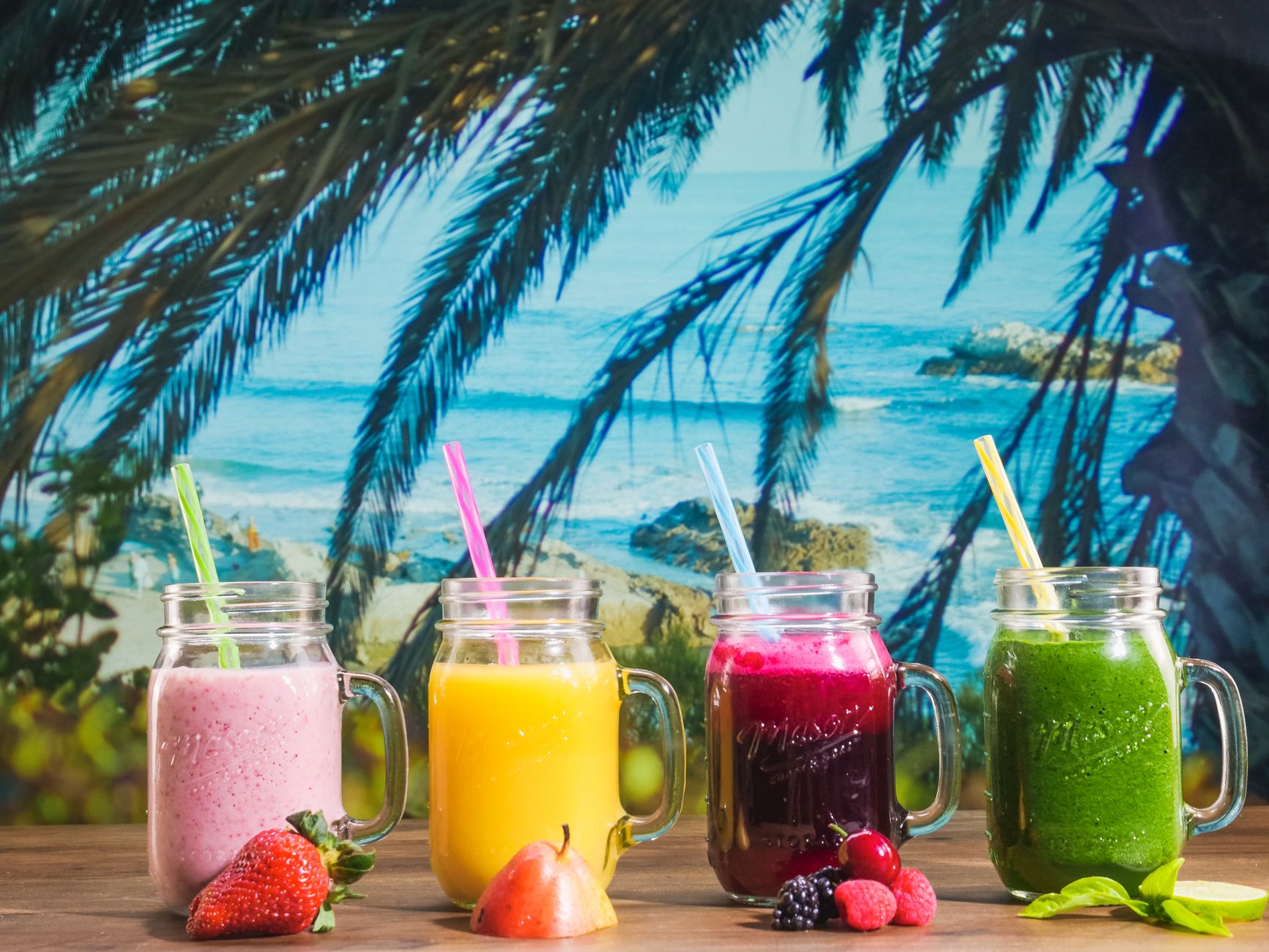
While the ingredients in these smoothies are generally considered safe whole foods, their concentrated nature and specific nutrient profiles necessitate a cautious, individualized approach. The evidence supporting their use for mental energy is promising but often preliminary, consisting of observational data and small-scale trials. They are not a substitute for a comprehensive medical evaluation or treatment for underlying conditions like depression, anxiety, or chronic fatigue.
Before incorporating any new dietary regimen, consider the following safety protocols:
- Assess for Allergies and Intolerances: Carefully review each recipe for potential allergens (e.g., nuts, seeds, dairy) or food intolerances (e.g., FODMAPs in certain fruits).
- Mind the Sugar Content: Even natural sugars from fruit and juices can impact blood glucose. Monitor portions, especially if using multiple high-glycemic fruits like mango or pineapple.
- Consider Drug-Nutrient Interactions: High-vitamin K greens (like spinach) can interfere with blood thinners like warfarin. Ingredients like turmeric may have mild anticoagulant effects.
- Start Gradually: Introduce one new recipe at a time to monitor your body's response, particularly to high-fiber ingredients which can cause gastrointestinal discomfort.
Clinical Insight: In practice, we view these smoothies as a potential adjunct to a balanced diet, not a cornerstone. The "mental energy" benefit is multifactorial—hydration, micronutrient repletion, stable blood sugar—and highly variable between individuals. We caution against viewing them as a direct treatment for cognitive or mood disorders.
Consult a physician or a registered dietitian before proceeding if you fall into any of the following categories:
- Individuals with chronic kidney disease, who may need to monitor potassium and phosphorus intake from bananas, spinach, and nuts.
- Those with known liver conditions, as very high doses of certain compounds (e.g., from green tea extract if added) may pose a risk.
- Pregnant or breastfeeding women, due to specific nutritional needs and potential sensitivities.
- Anyone with a history of eating disorders, for whom focused dietary protocols can be triggering.
- Individuals on multiple medications (polypharmacy), particularly for diabetes, hypertension, or blood clotting.
- If you experience persistent fatigue, brain fog, or low mood, seek professional evaluation to rule out medical causes like thyroid dysfunction, sleep apnea, or nutrient deficiencies.
Ultimately, these recipes are tools for nutritional support. Their effectiveness and safety depend on your unique health context. Professional guidance ensures they complement, rather than complicate, your overall wellness plan.
6. Questions & Expert Insights
Can a smoothie really improve my mental energy, or is this just a marketing trend?
The concept is grounded in nutritional neuroscience, but expectations must be realistic. A smoothie cannot replace sleep, treat a clinical condition like depression, or provide a sustained cognitive boost if your overall diet is poor. The potential benefit lies in providing a concentrated, bioavailable dose of nutrients that are co-factors for neurotransmitter synthesis and brain cell energy metabolism. For example, ingredients like spinach (folate, magnesium), berries (flavonoids), and nuts (healthy fats, vitamin E) support processes that reduce oxidative stress and improve cerebral blood flow. The effect is often subtle—helping to mitigate the mental fog from a nutrient gap or a skipped meal—rather than creating a dramatic surge in energy. It's a supportive dietary tool, not a standalone solution.
Who should be cautious or avoid these high-nutrient smoothies?
Several groups should exercise caution or seek medical advice first. Individuals with kidney disease, particularly those on potassium or phosphorus restrictions, must be wary of high-potassium ingredients like spinach, bananas, and avocado. Those with diabetes or prediabetes need to carefully manage the carbohydrate load, even from natural sugars in fruit, to avoid blood sugar spikes. People with certain digestive disorders (e.g., IBS, IBD in flare) may not tolerate high-fiber blends or specific ingredients like cruciferous greens. Anyone with a history of eating disorders should approach any prescriptive food plan with their therapist, as it can inadvertently reinforce restrictive or obsessive patterns. Always consider your personal health context.
When should I talk to a doctor about persistent low mental energy?
If fatigue and brain fog persist despite dietary improvements, it is essential to consult a physician. This is not a smoothie deficiency; it could be a symptom of an underlying condition. Schedule an appointment if low energy lasts more than two weeks, significantly impairs daily function, or is accompanied by other symptoms like unexplained weight change, sleep disturbances, or low mood. For the conversation, bring a symptom diary (timing, severity, triggers), a complete list of all medications and supplements, and an honest overview of your diet, sleep, and stress levels. This information helps differentiate between nutritional, hormonal (e.g., thyroid), metabolic, sleep-related, or psychological causes, ensuring you receive appropriate investigation and management.
How strong is the evidence linking specific smoothie ingredients to cognitive benefits?
The evidence is promising but nuanced, derived largely from population studies and smaller clinical trials on individual nutrients or foods. For instance, strong epidemiological data links higher intake of leafy greens and berries to slower cognitive decline. Trials show acute improvements in attention and mood following flavonoid-rich berry consumption. However, direct evidence from randomized controlled trials on "mental energy smoothies" as a specific intervention is limited. Most studies examine ingredients in isolation over long periods, not their combined, acute effect in a blended drink. Furthermore, individual biochemistry, gut health, and baseline nutritional status greatly influence outcomes. The recipes are based on a scientifically plausible mechanism, but they represent a dietary pattern approach rather than a precisely dosed pharmaceutical intervention.
7. In-site article recommendations
Related articles (placeholder links):
Why Berberine Supplements May Enhance Your Fitness Journey — EvidenceProven Low-carb Recipes That Stabilize Blood Sugar and CravingsBefore and After — My 90-day Journey with Strategic Calorie Cycling MethodsI Tried the 30-30-30 Method for 30 Days — Real Hunger and Energy Results7 Science-backed Mediterranean Diet Recipes That Fuel Intense Training8. External article recommendations
External resources (placeholder):