
1. Introduction to Morning Energy and Smoothie Nutrition

Many individuals report experiencing a mid-morning energy slump, which can be influenced by factors such as sleep quality, hydration status, and the composition of the first meal of the day. A strategically formulated smoothie can serve as a convenient vehicle for nutrients that support sustained energy metabolism, though it is not a universal solution. The goal is to move beyond a simple sugar rush and provide the body with substrates for gradual energy release.
The nutritional foundation for a supportive morning smoothie typically includes a balance of macronutrients:
- Complex Carbohydrates & Fiber: From sources like oats, leafy greens, or berries. Fiber slows gastric emptying and glucose absorption, which can help moderate blood sugar levels and prevent a sharp insulin response followed by a crash. This is supported by consistent evidence from nutritional science.
- Protein: From Greek yogurt, nut butters, or protein powders. Protein promotes satiety and provides amino acids necessary for various physiological functions. Its role in stabilizing energy is well-documented.
- Healthy Fats: From avocado, chia seeds, or flaxseed. Fats further slow digestion and are a dense energy source. The evidence for specific fats, like medium-chain triglycerides (MCTs) from coconut, providing a quick energy source is more preliminary and individual responses can vary.
Clinical Perspective: While the general principle of a balanced macronutrient meal for energy is sound, the direct, causative evidence that "smoothies" themselves are superior to whole-food meals is limited. The benefit often lies in convenience and consistency for those who might otherwise skip breakfast. Practitioners also note that liquid calories can be less satiating for some individuals, potentially leading to increased caloric intake later.
It is crucial to approach this information with nuance. The recipes discussed in subsequent chapters are examples of applying these principles, not guaranteed prescriptions. Individual biochemistry, underlying health conditions, and personal tolerance must be considered.
Who should exercise caution? Individuals with diabetes or prediabetes should carefully monitor carbohydrate content and total glycemic load. Those with kidney disease may need to manage potassium and phosphorus intake from certain fruits, nuts, and seeds. Anyone with a history of eating disorders or on specific medication regimens should consult their physician or a registered dietitian before making significant dietary changes. A smoothie is a dietary tool, not a substitute for professional medical advice.
2. Scientific Mechanisms of Smoothie Ingredients for Energy

The perceived energy boost from a well-formulated smoothie is not a single effect but the result of several interacting physiological mechanisms. Understanding these mechanisms helps explain why certain ingredients are consistently featured in evidence-based recipes.
Macronutrient Synergy for Sustained Release
The foundational energy benefit comes from a balanced macronutrient profile. A smoothie containing complex carbohydrates (e.g., oats, berries), protein (e.g., Greek yogurt, protein powder), and healthy fats (e.g., nut butter, chia seeds) promotes a gradual, sustained release of glucose into the bloodstream. This helps avoid the rapid spike and subsequent crash associated with high-sugar, low-fiber beverages.
- Fiber: Soluble fiber from fruits, vegetables, and seeds slows gastric emptying and carbohydrate digestion, moderating the postprandial glycemic response.
- Protein & Fat: These macronutrients further delay gastric emptying and increase satiety, contributing to stable energy levels over several hours.
Micronutrient Cofactors in Cellular Energy Production
Many smoothie ingredients provide essential micronutrients that act as cofactors in mitochondrial adenosine triphosphate (ATP) production, the body's primary energy currency.
- B Vitamins: Leafy greens (spinach, kale) and bananas are sources of B vitamins like folate (B9) and B6, which are crucial for converting dietary carbohydrates into usable energy.
- Magnesium: Found in spinach, avocado, and nuts, magnesium is a cofactor for over 300 enzymatic reactions, including those in the ATP cycle.
- Iron: Spinach and certain seeds provide non-heme iron, necessary for oxygen transport in hemoglobin. Iron deficiency anemia is a common, correctable cause of fatigue.
Clinical Perspective: While the mechanisms are well-established, the magnitude of effect from a single smoothie is individual and should not be overstated. The energy benefit is most apparent in individuals with suboptimal diets or nutrient gaps. For those with balanced diets, the primary advantage may be convenience and satiety rather than a dramatic physiological shift. Always consider the total calorie and sugar content, as excess can negate benefits.
Hydration and Phytonutrients
The liquid base (water, milk, unsweetened plant milk) contributes to hydration, a key but often overlooked factor in combating fatigue. Furthermore, the diverse polyphenols and antioxidants in berries, cocoa, and leafy greens may support energy indirectly by reducing exercise-induced oxidative stress and supporting vascular function, though this evidence is more preliminary.
Who Should Exercise Caution: Individuals with diabetes or prediabetes should monitor carbohydrate content and glycemic load closely. Those with kidney disease may need to limit high-potassium ingredients like bananas and spinach. Anyone with a history of eating disorders or on specific medication regimens should consult a healthcare provider before making significant dietary changes.
3. Risks, Contraindications, and Populations to Avoid

While nutrient-dense smoothies can be a valuable component of a balanced diet, a one-size-fits-all approach is not clinically appropriate. Certain ingredients, preparation methods, and individual health conditions can introduce risks that must be acknowledged to ensure safety and efficacy.
Specific Medical Conditions Requiring Caution
Individuals with the following conditions should consult a healthcare provider or registered dietitian before incorporating new smoothie recipes, especially those high in specific nutrients:
- Chronic Kidney Disease (CKD): Recipes high in potassium (e.g., from bananas, spinach, avocado) or phosphorus (e.g., from nuts, seeds, dairy) may need significant modification to avoid dangerous electrolyte imbalances.
- Diabetes or Prediabetes: Smoothies can cause rapid spikes in blood glucose if they contain large amounts of fruit, fruit juice, or added sweeteners without adequate fiber, protein, or healthy fats to blunt the glycemic response.
- Gastroesophageal Reflux Disease (GERD) or Hiatal Hernia: Citrus fruits, pineapple, and tomatoes are common smoothie ingredients that can trigger or worsen acid reflux symptoms.
- History of Eating Disorders: The focus on "clean" ingredients or using smoothies as meal replacements can inadvertently reinforce restrictive eating patterns or disordered behaviors around food.
Medication Interactions and Nutrient Overload
High concentrations of certain vitamins and minerals can interfere with medications. For example, large amounts of vitamin K from leafy greens like kale or spinach can reduce the anticoagulant effect of warfarin. Furthermore, while rare from food alone, excessive consumption of "superfood" additives like spirulina or certain seeds could theoretically lead to an overload of specific compounds or heavy metals if sourced from contaminated supplies.
Clinical Perspective: From a clinical standpoint, the primary risk is the unintended substitution of a balanced meal. A smoothie, even a nutrient-packed one, may lack the chewing satisfaction and specific macronutrient balance of a whole-food meal, potentially leading to reduced satiety and compensatory overeating later. It is also easy to inadvertently create a high-calorie beverage. Always consider the smoothie within the context of your total daily dietary intake.
Populations to Exercise Particular Prudence
- Pregnant Women: Avoid unpasteurized juices, sprouts, or unwashed produce in smoothies due to the risk of foodborne illness. Certain herbal add-ins are also contraindicated.
- Individuals with Food Allergies or Sensitivities: Cross-contamination from blenders or ingredient substitutions (e.g., nut butters, seeds) poses a significant risk.
- Those on Fluid-Restricted Diets: For conditions like heart failure or advanced kidney disease, the liquid volume of a smoothie counts toward strict daily fluid limits.
The evidence supporting the benefits of whole fruits and vegetables is robust. However, the specific formulation and application of smoothie recipes require individualization. If you have a chronic health condition or take regular medication, a brief discussion with your physician is a prudent step before making significant dietary changes.
4. Practical Implementation of Smoothie Recipes
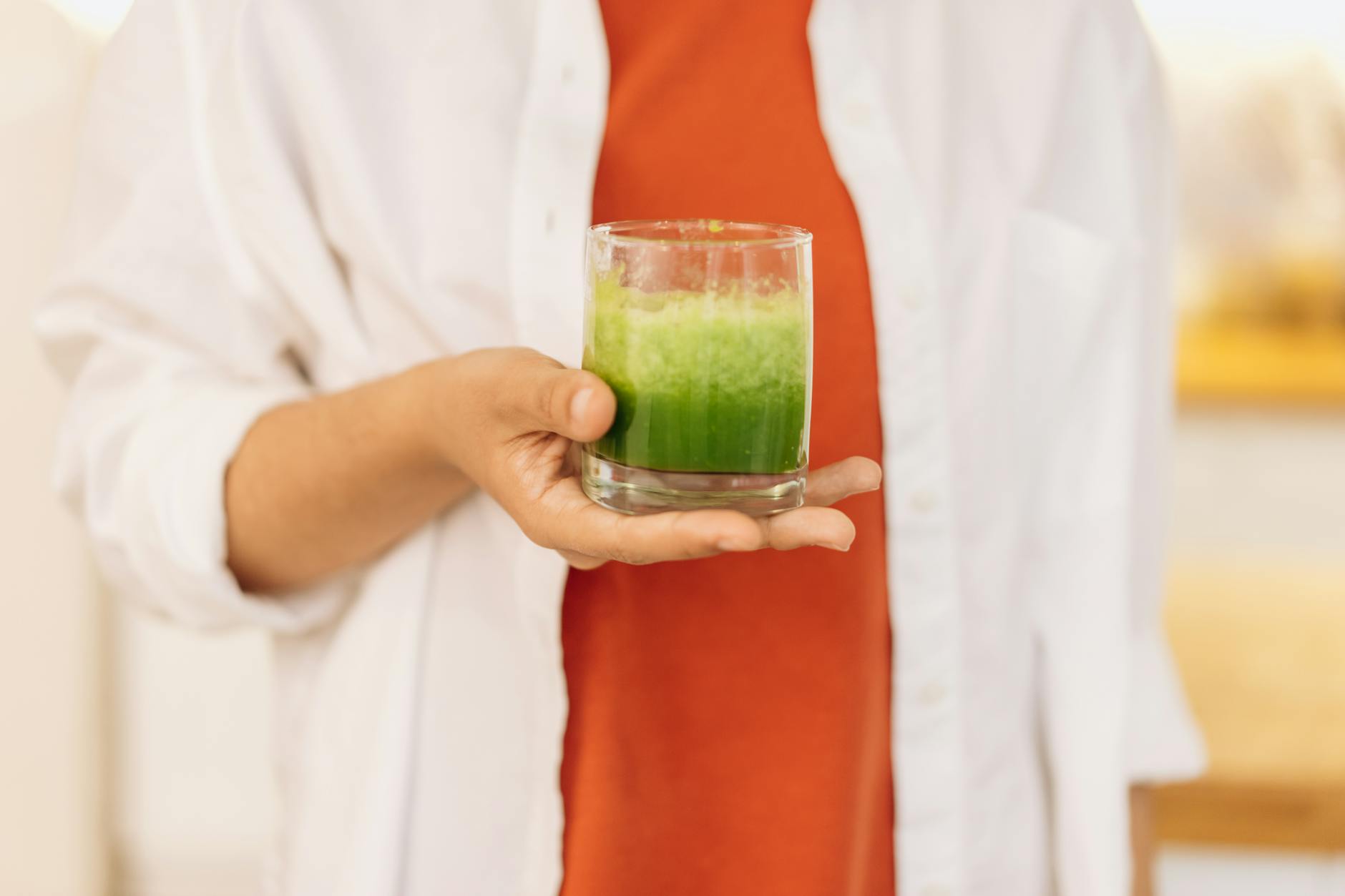
Successfully integrating nutrient-dense smoothies into a daily routine requires a systematic approach that prioritizes consistency, safety, and individual health needs. The recipes provided are templates; their effectiveness depends on proper implementation.
Key Principles for Daily Use
To derive potential benefits, such as improved satiety and micronutrient intake, adherence to these principles is advised:
- Consistency Over Perfection: Regular consumption, even with minor variations, is more impactful than sporadic "perfect" preparation.
- Portion Awareness: Smoothies can be calorie-dense. Be mindful of serving size, especially if weight management is a goal. Using measured cups for ingredients like nut butters, seeds, and higher-sugar fruits is prudent.
- Sequential Ingredient Addition: For optimal blending, add liquids and soft ingredients first, followed by hard items like frozen fruit or ice, and powders last to prevent clumping.
- Batch Preparation: Consider preparing ingredient packs or base smoothies (without perishable dairy/alternatives) in advance to streamline morning routines.
Adapting to Individual Needs & Safety
While smoothies can be a convenient vehicle for nutrients, they are not universally appropriate. Individual health status must guide adaptation.
- Glycemic Management: Individuals with diabetes or insulin resistance should prioritize recipes lower in high-glycemic fruits and consider adding sources of healthy fat (e.g., avocado, chia seeds) and protein to blunt the glycemic response.
- Renal Considerations: Those with chronic kidney disease, particularly on potassium or phosphorus restrictions, must carefully select ingredients. High-potassium foods like bananas, spinach, and certain seeds may require limitation.
- Digestive Sensitivities: Introduce high-fiber ingredients like flaxseed or cruciferous greens gradually to assess tolerance. Pre-soaking nuts and seeds may improve digestibility.
- Medication Interactions: Be aware that ingredients like spinach (vitamin K) can interact with blood thinners like warfarin, and high doses of certain seeds may affect medication absorption.
Clinical Perspective: From a dietary standpoint, smoothies are a tool, not a solution. The strongest evidence supports their role in increasing fruit/vegetable intake and improving diet quality in the short term. Evidence for long-term, specific health outcomes like sustained energy "surges" is more limited and can be highly individual. Always consider the smoothie as part of your total daily nutritional intake, not an isolated "magic bullet." Consult a registered dietitian or your physician for personalized advice, especially if you have underlying metabolic, renal, or gastrointestinal conditions.
Finally, listen to your body's response. Note changes in energy, digestion, and satiety. This practical, observant approach allows you to tailor these recipes into a sustainable and health-supportive habit.
5. Safety Precautions and Indications for Medical Consultation

While nutrient-dense smoothies can be a valuable component of a balanced diet, they are not universally appropriate and carry specific considerations. A clinically responsible approach requires understanding their potential interactions with health conditions and medications.
Key Safety Considerations
Several common smoothie ingredients require caution:
- High-Potassium Foods: Ingredients like spinach, bananas, and avocado are rich in potassium. For individuals with chronic kidney disease or those taking certain medications like ACE inhibitors or potassium-sparing diuretics, excessive intake can lead to dangerous hyperkalemia.
- Vitamin K-Rich Greens: Kale, spinach, and Swiss chard are high in vitamin K, which can interfere with the anticoagulant effect of warfarin (Coumadin). Consistency in daily intake is crucial for patients on this medication.
- Natural Sugars and Glycemic Load: Even from whole fruits, the concentrated sugars in a smoothie can cause significant blood glucose spikes. Individuals with diabetes, insulin resistance, or metabolic syndrome should account for these carbohydrates within their daily meal plan and monitor their blood sugar response.
- Oxalate Content: Greens like spinach are also high in oxalates. For those with a history of calcium-oxalate kidney stones, frequent consumption may increase recurrence risk.
Clinical Insight: From a medical perspective, a smoothie is not inherently "healthy" or "unhealthy." Its impact is entirely contextual, dependent on an individual's overall diet, health status, and portion size. Blending does not negate the caloric or biochemical content of its ingredients. We assess it as a food preparation method, not a therapeutic intervention.
When to Consult a Healthcare Professional
You should seek personalized advice from a physician or a registered dietitian before making significant dietary changes, including regularly incorporating these smoothies, if you:
- Have a diagnosed chronic condition (e.g., kidney disease, diabetes, heart failure, liver disease).
- Are taking prescription medications, especially for blood thinning, blood pressure, diabetes, or immune suppression.
- Have a history of eating disorders or are undergoing significant weight management.
- Are pregnant or breastfeeding, as nutritional needs and food safety considerations are specific.
- Experience any adverse reactions after consumption, such as gastrointestinal distress, allergic symptoms, or unusual blood sugar readings.
The evidence supporting the benefits of whole fruits and vegetables is strong. However, the specific claims about "energy surges" from particular smoothie combinations are often based on anecdotal reports or short-term observational data rather than controlled trials. A sustainable increase in energy is more reliably achieved through comprehensive lifestyle factors—balanced nutrition, adequate sleep, stress management, and regular physical activity—rather than any single food or drink.
6. Questions & Expert Insights
Can a morning smoothie really provide a sustained energy boost, or is it just a sugar spike?
The potential for a sustained energy boost depends heavily on the recipe's macronutrient composition. A smoothie high in simple sugars from fruit juices, sweetened yogurts, or added sweeteners can cause a rapid rise in blood glucose, followed by a "crash" as insulin levels surge. For a more stable energy release, the recipe should be anchored in components that slow digestion: adequate protein (e.g., Greek yogurt, protein powder, nut butter), healthy fats (e.g., avocado, chia seeds, flax oil), and fiber from whole fruits and vegetables (not just juice). This combination promotes a slower, more gradual release of glucose into the bloodstream. The evidence supporting this macronutrient balance for sustained energy is strong in nutritional science, though individual responses can vary based on metabolism, activity level, and overall diet.
Are there any risks or people who should avoid daily smoothies?
Yes, certain individuals should exercise caution or avoid this approach. For people with chronic kidney disease, smoothies high in potassium (from bananas, spinach, avocados) or phosphorus (from nuts, seeds, dairy) can pose a health risk and require careful portion management under medical supervision. Those with diabetes or prediabetes must be vigilant about total carbohydrate and sugar content, even from natural sources, to avoid undesirable blood sugar spikes. Individuals with a history of eating disorders may find that liquid calories can disrupt hunger/fullness cues. Furthermore, adding numerous supplements (e.g., high-dose greens powders, adaptogens) can lead to unintended nutrient excesses, interactions with medications, or gastrointestinal distress. Always consider your personal health context.
When should I talk to my doctor or a dietitian about my nutrition and energy levels?
Consult a healthcare professional if you experience persistent fatigue despite dietary changes, as this can signal underlying conditions like thyroid dysfunction, anemia, or sleep disorders. It is also prudent to speak with a doctor or registered dietitian before making significant dietary shifts if you have a chronic condition (e.g., diabetes, kidney disease, heart disease), are pregnant or breastfeeding, or take medications that may interact with foods (e.g., blood thinners and vitamin K-rich greens). For a productive conversation, bring a typical day's food log, a list of any supplements you take, and details about your specific energy crashes (timing, associated symptoms). This data helps differentiate between a nutritional issue and a potential medical one.
How important is the specific ingredient quality (e.g., organic, fresh vs. frozen) for the health benefits?
While ingredient quality can influence nutrient density and exposure to pesticides, the primary driver of health benefit is the overall dietary pattern. Frozen fruits and vegetables are nutritionally comparable to fresh, often flash-frozen at peak ripeness, and can be a cost-effective, convenient choice. The evidence for a significant health advantage of organic produce in smoothies for the general population is not conclusive from a clinical perspective; the priority should be increasing fruit and vegetable intake overall. However, individuals with specific concerns or conditions may choose organic based on personal risk assessment. Ultimately, a smoothie made with conventional frozen spinach and berries is far more beneficial than no fruits and vegetables at all. The "best" smoothie is the one you can consistently prepare with a balance of protein, fiber, and healthy fats.
7. In-site article recommendations
8. External article recommendations
9. External resources
The links below point to reputable medical and evidence-based resources that can be used for further reading. Always interpret them in the context of your own situation and your clinician’s advice.
-
mayoclinic mayoclinic.orgsmoothie recipes – Mayo Clinic (search)
-
healthline healthline.comsmoothie recipes – Healthline (search)
-
wikipedia wikipedia.orgsmoothie recipes – Wikipedia (search)
These external resources are maintained by third-party organisations. Their content does not represent the editorial position of this site and is provided solely to support readers in accessing additional professional information.