
1. Introduction to Liver Health and Dietary Support
The liver is a central metabolic organ, performing over 500 vital functions, including detoxification, protein synthesis, and the regulation of macronutrient metabolism. Its health is foundational to overall systemic well-being. While remarkably resilient, the liver is susceptible to damage from factors like chronic alcohol consumption, viral hepatitis, non-alcoholic fatty liver disease (NAFLD), and certain medications.
Dietary patterns are a primary modifiable factor influencing liver health. A growing body of evidence suggests that specific nutrients and food compounds can support hepatic function through several key mechanisms:
- Antioxidant Activity: Combating oxidative stress, a key driver of liver cell injury and inflammation.
- Anti-inflammatory Effects: Modulating inflammatory pathways implicated in conditions like steatohepatitis.
- Enhancement of Detoxification Pathways: Supporting the liver's two-phase enzymatic processes for neutralizing and eliminating toxins.
- Modulation of Fat Metabolism: Helping to reduce hepatic fat accumulation, a hallmark of NAFLD.
It is crucial to distinguish the strength of evidence. While the general benefits of a diet rich in fruits, vegetables, and whole foods for metabolic health are strongly supported, evidence for specific "liver-cleansing" protocols or individual superfoods is often preliminary, based on cell or animal studies, or derived from small human trials. The most robust data supports comprehensive dietary patterns, such as the Mediterranean diet, which is consistently associated with improved liver enzyme profiles and reduced risk of NAFLD progression.
Clinical Perspective: From a hepatology standpoint, "supporting" liver health is best viewed as reducing the daily metabolic burden on the organ and providing the micronutrient cofactors it needs to function optimally. There is no credible evidence that short-term "cleanses" or "detoxes" can repair existing damage. Sustainable, long-term dietary habits are the cornerstone of nutritional hepatoprotection.
Individuals with pre-existing liver conditions (e.g., cirrhosis, hepatitis), those on multiple medications, pregnant or breastfeeding women, and people with kidney disease or specific food allergies should consult a physician or a registered dietitian before making significant dietary changes. The recipes that follow are intended as examples of how to incorporate liver-supportive ingredients into a balanced diet, not as medical treatments.
2. Evidence and Mechanisms Behind Smoothie Ingredients

The potential liver-supportive effects of smoothie ingredients are grounded in their rich content of specific bioactive compounds. These compounds are thought to act through several key mechanisms, including antioxidant activity, anti-inflammatory effects, and modulation of detoxification enzymes. It is crucial to interpret this evidence with nuance, distinguishing between robust clinical findings and promising preliminary research.
Ingredients like beetroot and leafy greens (e.g., spinach, kale) are high in dietary nitrates and chlorophyll, respectively. Some human and animal studies suggest these compounds may enhance the production of nitric oxide, supporting healthy blood flow to the liver, and aid in the body's natural phase II detoxification pathways. The evidence here is supportive but often comes from studies using concentrated extracts, not necessarily whole foods in a smoothie.
Turmeric, containing the polyphenol curcumin, has demonstrated potent anti-inflammatory and antioxidant properties in preclinical models. However, its bioavailability is poor when consumed alone. Pairing it with black pepper (piperine) or a source of healthy fat like avocado or flaxseed oil can significantly enhance absorption, a practical consideration for recipe formulation.
Berries (blueberries, cranberries) and citrus provide flavonoids (e.g., anthocyanins, naringenin). Research indicates these antioxidants can help reduce oxidative stress in liver cells and may inhibit the accumulation of fat, a factor in non-alcoholic fatty liver disease (NAFLD). The evidence is stronger for general antioxidant benefit, while direct clinical outcomes for liver disease require more long-term human trials.
Key considerations and cautions:
- Evidence Level: Much of the data is derived from cell cultures, animal studies, or observational human studies. Robust, large-scale randomized controlled trials specifically on smoothies for liver health are lacking.
- Sugar Content: Be mindful of total fructose load. Excessive fructose from multiple fruits, sweetened yogurts, or juices can contribute to hepatic fat accumulation, counteracting potential benefits.
- Who Should Be Cautious: Individuals with known kidney disease (due to high potassium content from greens and bananas), those on blood thinners (due to vitamin K in leafy greens affecting warfarin), or with gallbladder issues (high-fat ingredients) should consult their physician before making significant dietary changes.
In summary, the rationale for using these ingredients is scientifically plausible, focusing on reducing metabolic and oxidative stress on the liver. Their incorporation into a balanced diet represents a supportive, rather than curative, nutritional strategy.
3. Risks and Populations to Exercise Caution
While incorporating nutrient-dense smoothies can be a supportive dietary strategy, it is crucial to approach this practice with clinical awareness. The ingredients discussed, while generally safe for most healthy individuals, can pose risks for specific populations or when consumed without appropriate context.
Key Populations for Caution
Individuals with the following conditions should consult a physician or a registered dietitian before significantly altering their diet with liver-focused smoothies:
- Chronic Kidney Disease (CKD): Many "liver-healthy" ingredients like spinach, beet greens, and certain seeds are high in potassium and oxalates. For patients with impaired kidney function, excessive intake can lead to dangerous electrolyte imbalances or contribute to kidney stone formation.
- Established Liver Disease: Patients with cirrhosis, advanced fibrosis, or hepatic encephalopathy require strict management of protein and fluid intake. High-protein smoothies or those with certain herbal supplements (e.g., high-dose turmeric, milk thistle) may interfere with medications or exacerbate their condition without professional guidance.
- Diabetes or Severe Insulin Resistance: Smoothies can concentrate natural sugars from fruits. Even without added sugar, a large smoothie may cause a significant glycemic spike. Careful carbohydrate counting and ingredient selection are essential.
- Individuals on Anticoagulant Therapy: Ingredients high in vitamin K (e.g., kale, spinach) can interfere with the efficacy of blood thinners like warfarin. Consistency in vitamin K intake is key, and sudden increases should be discussed with a healthcare provider.
Clinical Insight: From a hepatology perspective, there is no high-quality evidence that any specific smoothie recipe can treat or reverse liver disease. These recipes are best viewed as a component of an overall healthy dietary pattern, not a therapeutic intervention. For patients with diagnosed liver conditions, dietary modifications must be personalized and integrated into their comprehensive medical management plan.
General Considerations and Potential Risks
Even for healthy individuals, certain risks warrant consideration:
- Nutrient Excess and Interactions: "Overloading" on specific vitamins or minerals through concentrated sources is possible. For example, excessive vitamin A from large amounts of certain greens or supplements can be hepatotoxic. Furthermore, bioactive compounds in ingredients like turmeric or grapefruit can alter the metabolism of many prescription drugs.
- Caloric Density and Weight Management: Smoothies can be calorie-dense. Adding multiple tablespoons of nuts, seeds, or oils may inadvertently promote weight gain, which is counterproductive for metabolic liver conditions like NAFLD.
- Food Safety: Using unpasteurized juices or sprouts in smoothies increases the risk of foodborne illness, which can be severe for immunocompromised individuals.
The strongest evidence supports a balanced, whole-foods diet for liver health. The role of specific smoothie formulations is supported by preliminary data on individual ingredients, but clinical trials on the recipes themselves are lacking. Always prioritize professional medical advice over generalized dietary trends.
4. Practical Takeaways for Safe Implementation
Incorporating liver-supportive smoothies into your routine can be a beneficial dietary strategy, but it should be approached with clinical awareness and realistic expectations. The evidence for individual ingredients like turmeric (curcumin), beetroot, and cruciferous vegetables is promising, primarily from preclinical and some human studies, but it is not a substitute for medical diagnosis or treatment of liver disease.
Integrating Smoothies into a Holistic Plan
View these recipes as one component of a broader liver-healthy lifestyle. For optimal benefit, pair them with:
- A balanced diet low in processed foods, added sugars, and unhealthy fats.
- Regular physical activity appropriate for your fitness level.
- Moderate or abstinent alcohol consumption.
- Adequate hydration and maintenance of a healthy weight.
The smoothies are intended to add beneficial nutrients and phytochemicals, not to compensate for other detrimental habits.
Key Safety Considerations and Contraindications
While generally safe for most healthy individuals, certain populations should exercise caution and consult a healthcare provider before making significant dietary changes:
- Individuals with known liver conditions (e.g., cirrhosis, hepatitis, NAFLD/NASH): Dietary modifications must be supervised by a hepatologist or dietitian to ensure they are appropriate and do not interfere with medications or disease stage.
- Those on anticoagulant/antiplatelet medications (e.g., warfarin): High amounts of vitamin K from leafy greens or potential interactions with ingredients like turmeric require medical guidance.
- People with kidney disease: Smoothies high in potassium (e.g., from bananas, spinach) or oxalates may need to be modified.
- Individuals with diabetes or prediabetes: Monitor the carbohydrate and sugar content from fruits and juices to avoid blood glucose spikes. Using whole fruits and limiting high-glycemic additions is crucial.
- Those with food allergies or sensitivities: Always check ingredients carefully.
Clinical Perspective: From a medical standpoint, no smoothie can "detoxify" or "cleanse" the liver. The liver performs its own metabolic detoxification processes continuously. The goal of these recipes is to provide nutritional support that may reduce oxidative stress and inflammation, thereby potentially supporting hepatic function. Always disclose the use of any herbal or concentrated supplements in your smoothies to your physician, as they can have pharmacological effects.
Practical Implementation Tips
- Start Gradually: Introduce one new recipe per week to assess tolerance.
- Mind Portions: A smoothie is a meal or substantial snack, not a beverage to be consumed in addition to full meals, to avoid excessive caloric intake.
- Prioritize Whole Foods: Use whole fruits and vegetables over juices to retain fiber, which aids in satiety and blood sugar regulation.
- Maintain Variety: Rotate ingredients to obtain a broad spectrum of nutrients and avoid overconsumption of any single compound.
If you experience any adverse gastrointestinal symptoms or other reactions, discontinue use and discuss them with your doctor. Sustainable, evidence-based dietary patterns yield far greater long-term health benefits than any single "superfood" trend.
5. Safety Considerations and When to Consult a Physician
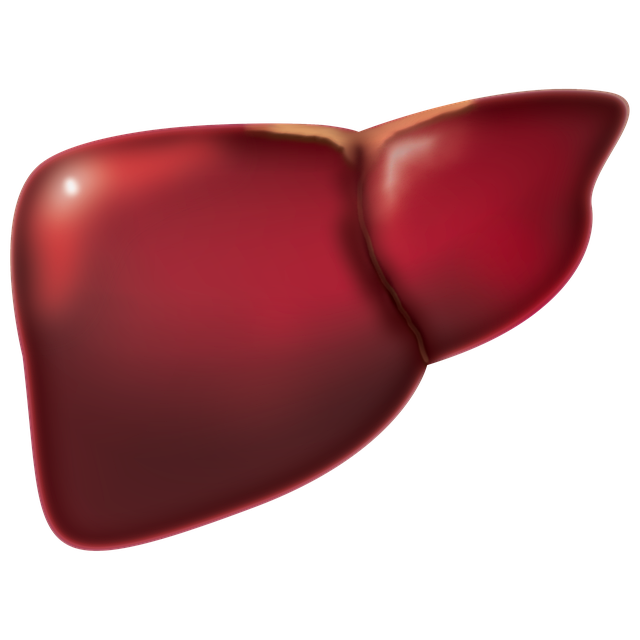
While incorporating nutrient-dense smoothies can be a supportive component of a healthy lifestyle, it is essential to approach this practice with clinical awareness and caution. These recipes are not medical treatments and should not replace professional medical advice, diagnosis, or therapy for any liver condition.
Key Safety Considerations
Several important factors must be considered to ensure these dietary additions are safe and appropriate for you.
- Underlying Medical Conditions: Individuals with diagnosed liver disease (e.g., cirrhosis, hepatitis, fatty liver disease), kidney impairment, diabetes, or gastrointestinal disorders should consult their physician. For example, high-oxalate greens (like spinach) may be problematic for those prone to kidney stones, and high-fructose fruits can affect blood sugar and liver fat metabolism.
- Medication Interactions: Certain ingredients, particularly cruciferous vegetables (e.g., kale) and citrus fruits, can interact with medications metabolized by the liver's cytochrome P450 system, such as blood thinners (warfarin), some statins, and anti-seizure drugs. They may alter the drug's effectiveness.
- Nutrient Overload and Balance: A smoothie is a concentrated source of nutrients and calories. Consuming them in addition to a regular diet without adjustment can lead to unintended weight gain or nutrient imbalances, which may counteract liver health benefits.
- Food Safety and Quality: Always wash produce thoroughly to minimize exposure to pesticides and pathogens. For individuals with compromised immune systems, this is critically important.
When to Consult a Physician
You should seek guidance from a healthcare professional before making significant dietary changes in the following scenarios:
- If you have any diagnosed liver, kidney, metabolic (e.g., diabetes), or autoimmune condition.
- If you are taking any prescription medications, especially for blood thinning, cholesterol, blood pressure, or immune modulation.
- If you are pregnant, breastfeeding, or planning to become pregnant.
- If you have a history of eating disorders or are undergoing significant weight management.
- If you experience any adverse symptoms—such as abdominal pain, bloating, allergic reactions, or changes in bowel habits—after consuming new foods.
Clinical Perspective: From a medical standpoint, dietary support for liver health is most effective as part of a comprehensive, individualized plan. The evidence for specific "liver-detox" smoothies is often preliminary or extrapolated from studies on individual nutrients. A physician or registered dietitian can help integrate these foods safely, ensuring they complement—rather than conflict with—your overall health status and treatment regimen. Always disclose all supplements and dietary changes to your care team.
In summary, while the ingredients in these smoothies are generally recognized as safe foods, their therapeutic application requires personalized consideration. Proceeding with caution and professional guidance is the most responsible approach to supporting your liver health naturally.
6. Questions & Expert Insights
Can a smoothie really improve my liver health, or is this just a trend?
While no single food or drink is a cure-all, incorporating specific, nutrient-dense ingredients into a smoothie can be a supportive dietary strategy. The benefit lies in the synergy of compounds like antioxidants (e.g., from berries, citrus), anti-inflammatory agents (e.g., from turmeric, ginger), and fibers (e.g., from leafy greens, flaxseed). These can help modulate oxidative stress and inflammation, which are key drivers of liver dysfunction. However, it is crucial to view these smoothies as one component of a broader liver-healthy lifestyle that includes maintaining a healthy weight, limiting alcohol and processed sugars, and exercising. The evidence for individual ingredients is often from cell or animal studies, with human data being more observational. A smoothie is a tool, not a treatment.
Are there any risks or people who should avoid these liver-support smoothies?
Yes, certain individuals should exercise caution or avoid these recipes without medical consultation. Key considerations include:
- Kidney Disease: Recipes high in potassium (e.g., from spinach, beetroot) or oxalates can be problematic for those with compromised kidney function.
- Blood Sugar Disorders: Even natural sugars from fruits can spike blood glucose. Individuals with diabetes or insulin resistance should carefully monitor portions and prioritize low-glycemic ingredients like berries and greens, potentially avoiding high-sugar fruits like mango.
- Medication Interactions: Ingredients like grapefruit can interfere with the metabolism of many medications, including some statins and blood pressure drugs. High vitamin K content (from kale, spinach) can affect blood thinners like warfarin.
- Specific Conditions: Those with gallstones may need to limit high-fat additions like avocado or nut butters.
When should I talk to my doctor about my liver health, and how should I prepare?
You should consult a doctor if you experience symptoms like persistent fatigue, unexplained weight loss, jaundice (yellowing of skin/eyes), dark urine, or abdominal pain. More commonly, a proactive conversation is warranted if you have risk factors like a history of heavy alcohol use, obesity, type 2 diabetes, or a family history of liver disease. Before your appointment:
- Document Your Diet: Keep a brief food log for a few days, noting any supplements or functional foods (like these smoothies) you're consuming.
- List Your Questions: Write down specific concerns, e.g., "Are my current ALT/AST levels of concern?" or "Is this dietary approach safe given my other conditions?"
- Bring Your Recipes: Share the specific ingredients in your smoothies with your physician or a registered dietitian. This allows them to assess for potential nutrient excesses, interactions, or contraindications based on your full health profile.
How long does it take to see benefits, and what should I realistically expect?
Dietary changes work gradually and preventatively. You should not expect to "feel" a direct liver benefit quickly, as the liver is not an organ with many pain receptors. Improvements in biomarkers (like liver enzymes ALT and AST) seen in studies often take weeks to months of consistent dietary modification alongside other lifestyle changes. Realistic expectations include potentially having more energy from better nutrition, improved digestion from increased fiber, and the knowledge that you are consistently providing your body with supportive nutrients. The greatest benefit is likely in preventing progression of early-stage issues like non-alcoholic fatty liver disease (NAFLD). It is not a substitute for medical treatment of established liver disease.
7. In-site article recommendations
8. External article recommendations
9. External resources
The links below point to reputable medical and evidence-based resources that can be used for further reading. Always interpret them in the context of your own situation and your clinician’s advice.
-
healthline healthline.comliver health smoothies – Healthline (search)
-
examine examine.comliver health smoothies – Examine.com (search)
-
mayoclinic mayoclinic.orgliver health smoothies – Mayo Clinic (search)
These external resources are maintained by third-party organisations. Their content does not represent the editorial position of this site and is provided solely to support readers in accessing additional professional information.