
1. Introduction to Intermittent Fasting and Nutritional Smoothies

Intermittent fasting (IF) is a dietary pattern that cycles between periods of eating and fasting. It is not a diet that prescribes specific foods, but rather a schedule for when to eat. The most common methods include the 16/8 method (fasting for 16 hours, eating within an 8-hour window) and the 5:2 approach (eating normally for five days and significantly restricting calories on two non-consecutive days). The primary proposed mechanisms for its potential benefits involve metabolic switching, where the body shifts from using glucose for energy to burning stored fat, a state known as ketosis.
Current evidence suggests intermittent fasting can be an effective tool for weight management and may improve certain metabolic markers, such as insulin sensitivity. However, the evidence is mixed and often comparable to results from traditional daily calorie restriction. Long-term sustainability and effects are still areas of active research. It is crucial to distinguish between strong preliminary data and definitive clinical proof.
Clinical Perspective: From a clinical standpoint, IF is a tool, not a universal solution. Success depends heavily on the nutritional quality of food consumed during eating windows. Consuming excessive calories or highly processed foods during feeding periods can negate potential benefits. The focus should be on a nutrient-dense, balanced diet.
This is where the strategic use of nutritional smoothies becomes relevant. When breaking a fast, the body is primed for nutrient absorption. A well-formulated smoothie can:
- Provide essential vitamins, minerals, and antioxidants efficiently.
- Deliver high-quality protein to support muscle preservation, which is critical during weight loss.
- Include healthy fats and fiber to promote satiety and stabilize blood sugar levels post-fast.
Ingredients like chia seeds are particularly valuable in this context. They are a concentrated source of alpha-linolenic acid (an omega-3 fatty acid), soluble fiber, and plant-based protein. Their gel-forming property can slow digestion, helping to prolong feelings of fullness and providing a steady release of energy.
Important Considerations: Intermittent fasting is not suitable for everyone. Individuals who should exercise caution or consult a healthcare provider before starting include those who are pregnant or breastfeeding, have a history of eating disorders, have diabetes (especially on insulin or sulfonylureas), have adrenal dysregulation, or are underweight. It is essential to approach any dietary change, including the recipes that follow, within the context of your overall health and under professional guidance if you have pre-existing conditions.
2. Evidence-Based Mechanisms of Chia Seeds in Fasting
Chia seeds (Salvia hispanica L.) are often incorporated into fasting protocols not as a "hack" but for their specific nutritional properties that may support the physiological state of fasting. Their proposed benefits are primarily attributed to their high soluble fiber and healthy fat content, which interact with digestion and metabolism in evidence-based ways.
Primary Mechanisms of Action
The most robustly supported mechanism is their effect on satiety and glycemic control. When mixed with liquid, chia seeds form a viscous gel due to their high soluble fiber content (primarily mucilage).
- Delayed Gastric Emptying: This gel can slow the rate at which food leaves the stomach, promoting a prolonged feeling of fullness, which is a practical aid during fasting windows.
- Attenuated Blood Glucose Response: By forming a physical barrier in the gut, this gel can slow the enzymatic breakdown of carbohydrates and the absorption of glucose into the bloodstream. This helps avoid sharp insulin spikes, which is a key goal in maintaining metabolic flexibility during intermittent fasting.
A secondary, well-documented mechanism is their contribution of alpha-linolenic acid (ALA), a plant-based omega-3 fatty acid. While the conversion of ALA to the more active forms (EPA and DHA) in the body is limited, ALA itself has anti-inflammatory properties. Managing low-grade inflammation is a theorized benefit of intermittent fasting, and chia seeds may contribute to this foundational support.
Clinical Perspective: It's important to contextualize these mechanisms. The satiety effect is real but individual. For some, consuming chia seeds during a fast may blunt hunger effectively; for others, any caloric intake might stimulate appetite. Furthermore, while chia seeds are low in net carbs, they do contain calories (~60 per tablespoon). For individuals practicing strict, water-only fasting for autophagy research purposes, even these calories could theoretically interrupt the fasted state.
Evidence Strength and Considerations
The evidence for chia's impact on satiety and postprandial glycemia is supported by human trials, though many are small or short-term. Evidence for direct, significant weight loss or profound metabolic transformation from chia seeds alone is less conclusive and should not be overstated.
Who should exercise caution? Individuals with swallowing difficulties, esophageal strictures, or significant gastrointestinal disorders like IBD should consult a doctor, as the gel-forming property can cause obstruction. Those on blood-thinning medications or with upcoming surgery should discuss high omega-3 intake with their physician due to potential additive effects. Always ensure chia seeds are consumed with ample fluid to prevent gastrointestinal discomfort.
3. Risks and Populations to Exercise Caution
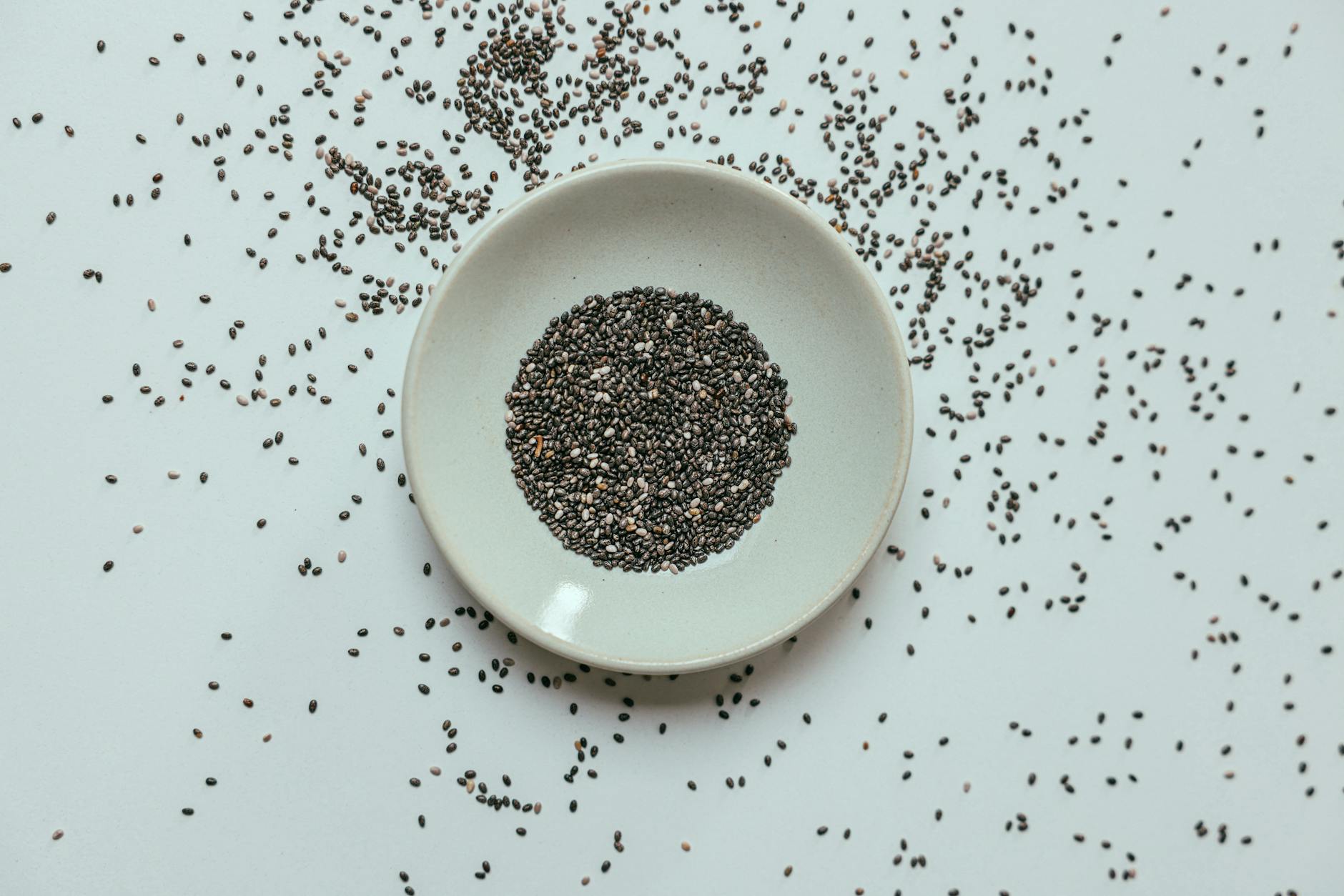
While incorporating chia seeds into smoothies during an intermittent fasting (IF) window can be a nutritious strategy, it is not universally appropriate. Certain individuals and health conditions warrant specific caution or may require medical consultation before proceeding.
Key Populations for Caution
The following groups should exercise particular care:
- Individuals with Gastrointestinal Sensitivities: Chia seeds are high in fiber. A sudden, significant increase in fiber intake can cause bloating, gas, and abdominal discomfort. Those with irritable bowel syndrome (IBS), inflammatory bowel disease (IBD), or a history of bowel obstructions should introduce chia seeds gradually and monitor tolerance.
- People on Specific Medications: The high fiber content can potentially interfere with the absorption of certain medications, including some for diabetes, thyroid conditions, and heart disease. It is generally advised to take medications at least 1-2 hours apart from consuming high-fiber meals or supplements.
- Those with Dysphagia or Swallowing Difficulties: When mixed with liquid, chia seeds form a gel. If not properly hydrated before consumption, they can pose a choking risk or cause esophageal blockage, particularly in older adults or individuals with swallowing disorders.
- Individuals with Kidney Disease: Chia seeds contain a moderate amount of phosphorus and potassium. For patients with advanced chronic kidney disease (CKD) who are on a restricted mineral diet, the cumulative intake from chia seeds and other foods must be carefully managed by a renal dietitian.
Considerations for Intermittent Fasting
Integrating a calorie-containing smoothie, even a nutrient-dense one, technically breaks a fast. For those practicing IF strictly for metabolic benefits like autophagy, this must be considered. The evidence is mixed on how specific macronutrients impact fasting states, but it is generally accepted that consuming calories ends the fasted period.
Furthermore, individuals with a history of eating disorders should approach any structured eating pattern, including IF, with extreme caution and only under the guidance of a healthcare team, as it can potentially trigger disordered eating behaviors.
Clinical Insight: From a medical perspective, the primary risk is not the chia seeds themselves, but their context. A patient with well-controlled type 2 diabetes might benefit from the fiber's moderating effect on blood sugar. However, the same patient, if on insulin or sulfonylureas, could be at risk for hypoglycemia if the smoothie significantly alters their typical meal timing and carbohydrate intake during a fasting window. Always contextualize dietary changes within an individual's full medical and medication profile.
Practical Takeaway: If you fall into any of the above categories, or if you have any underlying chronic health condition, it is prudent to discuss changes to your diet and fasting regimen with your physician or a registered dietitian. They can help you tailor an approach that maximizes potential benefits while mitigating personal risks.
4. Practical Application and Recipe Integration

Successfully integrating chia seed smoothies into an intermittent fasting (IF) regimen requires a strategic approach that aligns with your fasting goals and nutritional needs. The primary objective is to consume these nutrient-dense beverages during your designated eating window to support satiety, nutrient intake, and metabolic health without inadvertently breaking your fast prematurely.
Strategic Timing Within Your Eating Window
Consider these smoothies as a foundational component of your meal plan, not an addition. Their high fiber, protein, and healthy fat content makes them ideal for:
- Breaking the fast: A well-formulated smoothie can provide a gentle, nutrient-rich reintroduction of calories, helping to manage hunger and prevent overeating later.
- As a meal replacement: For a shorter eating window (e.g., 4-6 hours), a substantial chia smoothie can serve as a complete, balanced meal, ensuring adequate micronutrient and macronutrient intake.
- Pre-fast satiety aid: Consuming one 1-2 hours before your fasting window begins can promote lasting fullness, potentially easing the transition into the fasted state.
Clinical Insight: From a metabolic perspective, the impact of a smoothie depends on its total caloric and macronutrient load. A smoothie containing 300-400 calories with significant protein and fat will elicit a substantial insulin and metabolic response, effectively ending the fasted state. Therefore, precise timing relative to your chosen eating window is critical for adhering to IF protocols.
Recipe Customization and Considerations
While the provided recipes offer a strong foundation, individualization is key. Consider these evidence-based adjustments:
- For enhanced satiety: Increase chia seed quantity gradually (e.g., from 1 to 2 tablespoons) and ensure adequate protein sources like Greek yogurt, protein powder, or nut butter are included.
- For blood sugar management: Prioritize low-glycemic index fruits like berries and pair them with the fats and fiber from chia seeds and nuts to blunt the postprandial glucose response.
- For specific dietary needs: Use unsweetened plant-based milks for dairy-free versions, and opt for sugar-free protein powders if minimizing added sugars is a goal.
Important Precautions and Contraindications
While generally safe for most, certain individuals should exercise caution or consult a healthcare provider:
- Those with a history of swallowing difficulties or esophageal strictures should ensure chia seeds are fully soaked and blended thoroughly to avoid gel clumps that may pose a risk.
- Individuals with kidney disease or on potassium-restricted diets should be mindful of high-potassium ingredients like spinach and bananas, adjusting recipes accordingly.
- People with inflammatory bowel disease (IBD) during a flare-up or those with a known sensitivity to high-fiber foods may need to introduce chia seeds in very small amounts to assess tolerance.
- Anyone with a complex medical condition, taking multiple medications, or with a history of eating disorders should discuss dietary changes, including intermittent fasting, with a physician or registered dietitian before proceeding.
Ultimately, the practical application is about consistency and listening to your body's responses. Monitor your energy levels, hunger cues, and overall well-being, and adjust the timing, composition, and portion sizes of your smoothies to find what optimally supports your individual health objectives within the intermittent fasting framework.
5. Safety Precautions and Medical Consultation Indicators
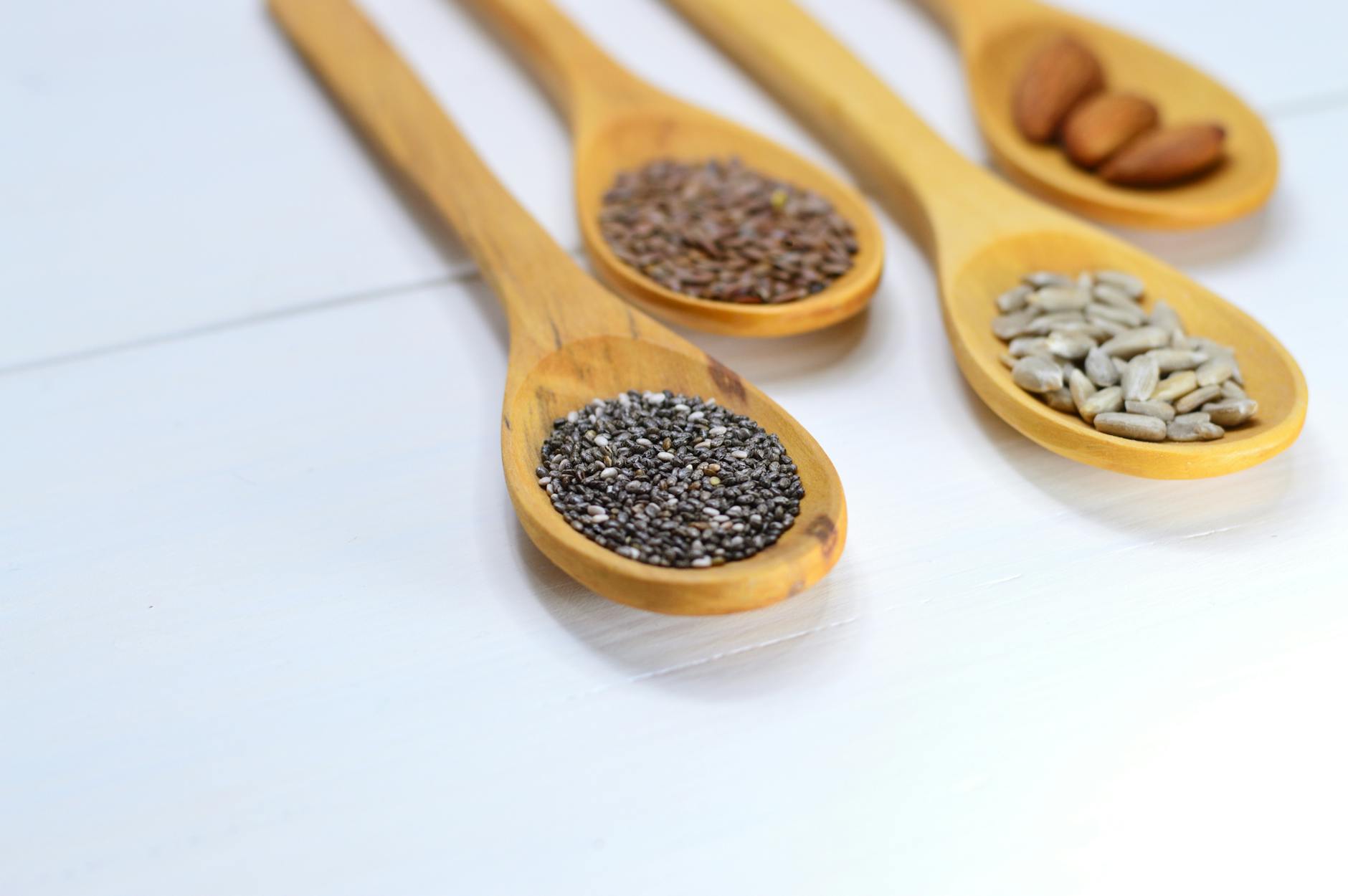
While incorporating chia seeds and smoothies into an intermittent fasting (IF) regimen can be a practical nutritional strategy, it is not universally appropriate. A clinically responsible approach requires acknowledging specific contraindications, potential interactions, and individual variability. The following precautions are essential for safe implementation.
Key Populations Requiring Medical Consultation
Certain individuals should consult a physician or a registered dietitian before beginning this or any new dietary protocol. This is not a substitute for personalized medical advice.
- Individuals with Gastrointestinal Conditions: Chia seeds are high in fiber. For those with inflammatory bowel disease (IBD), diverticulitis, or a history of bowel obstructions, a sudden increase in fiber can exacerbate symptoms.
- Individuals on Specific Medications: The high fiber content can bind to certain medications (e.g., for diabetes, thyroid, or heart conditions) and reduce their absorption. Timing medication intake away from the smoothie consumption is often necessary and should be discussed with a pharmacist or doctor.
- Individuals with Kidney Impairment: Chia seeds contain notable amounts of phosphorus and potassium. Patients with chronic kidney disease (CKD) often need to restrict these minerals and should avoid high intake without nephrology guidance.
- Pregnant or Breastfeeding Individuals: While IF itself may be safe for some, nutritional needs are significantly elevated during these periods. Initiating a fasting protocol without professional oversight is not recommended.
- Those with a History of Disordered Eating: The structured nature of IF can sometimes trigger or exacerbate unhealthy eating patterns. This approach should be avoided in such cases.
Clinical Insight: From a medical perspective, the primary concern is not the smoothie recipes themselves, but their context within a fasting window and an individual's complete health profile. We assess suitability by reviewing medication lists, renal function, glycemic control, and gastrointestinal history. A "one-size-fits-all" approach is clinically unsound.
Recognizing When to Pause or Adjust
Listen to your body's signals. Discontinue the regimen and seek medical advice if you experience:
- Severe bloating, abdominal pain, or constipation.
- Signs of hypoglycemia, such as dizziness, sweating, or confusion, especially if you have diabetes or metabolic syndrome.
- Excessive fatigue, lightheadedness, or an inability to maintain normal daily activities.
- Any allergic reaction (though rare with chia seeds).
In summary, these recipes are tools within a broader dietary pattern. Their safety and efficacy are entirely dependent on the individual using them. Proactive medical consultation is the cornerstone of responsible dietary modification.
6. Questions & Expert Insights
Can a chia seed smoothie truly break my fast?
The answer depends on your specific fasting goals. If your primary aim is strict autophagy (cellular cleanup), any caloric intake, including from chia seeds, is likely to interrupt this process. For the goal of weight management through caloric restriction, a very low-calorie chia smoothie (under ~50 calories) may be considered a "fasting-compatible" beverage by some protocols, but it is not a true fast. Chia seeds contain fiber, protein, and fat, which trigger metabolic responses. The most evidence-supported approach for metabolic health benefits like improved insulin sensitivity is consuming only water, black coffee, or plain tea during the fasting window. Using a chia smoothie as a tool to transition into or extend a fast is a practical strategy, but it should not be conflated with the physiological state of a pure fast.
What are the potential side effects or risks of consuming chia seeds daily?
While chia seeds are generally safe for most people, there are important considerations. Their high soluble fiber content (about 10 grams per ounce) can cause significant gastrointestinal distress—including bloating, gas, and constipation or diarrhea—if intake is increased too quickly or without adequate fluid. They absorb 10-12 times their weight in water, so inadequate hydration poses a risk for esophageal or intestinal blockage, particularly in individuals with a history of swallowing disorders or strictures. Furthermore, chia seeds contain phytic acid, which can minimally inhibit the absorption of minerals like iron and zinc. For individuals on blood-thinning medications (e.g., warfarin) or with bleeding disorders, the vitamin K content, though modest, should be monitored for consistency. Starting with a small dose (e.g., 1 teaspoon) and ensuring the seeds are well-soaked in the smoothie can mitigate most common issues.
Who should avoid or be extremely cautious with chia seed smoothies during intermittent fasting?
Several groups should consult a healthcare provider before incorporating this approach. Individuals with kidney disease, particularly those on potassium or phosphorus restrictions, need to be cautious as chia seeds are rich in these minerals. Those with diagnosed gastrointestinal disorders like Crohn's disease, ulcerative colitis, or a history of bowel obstructions may not tolerate the high fiber load. People with dysphagia (swallowing difficulties) should avoid dry chia seeds entirely and ensure they are fully gelled in smoothies. The practice is also not recommended for individuals with a history of eating disorders, as focusing on restrictive eating windows and specific "allowed" foods can exacerbate disordered patterns. Pregnant or breastfeeding women should not undertake intermittent fasting or significantly alter their diet without medical guidance.
When should I talk to my doctor, and what information should I bring?
You should schedule a conversation with your doctor or a registered dietitian before starting if you have any chronic health condition (e.g., diabetes, hypertension, thyroid disorders), take daily medications, or are pregnant. Bring a clear outline of your planned protocol: the fasting window length (e.g., 16:8), the exact composition of your intended chia smoothie (including approximate amounts of chia, fruit, protein powder, etc.), and your overall daily calorie and nutrient goals. Specifically discuss your medications, as fasting can alter the metabolism and efficacy of drugs for diabetes, blood pressure, and thyroid function, potentially requiring timing or dosage adjustments. This proactive discussion ensures your approach supports—rather than conflicts with—your overall health management plan.
7. In-site article recommendations
8. External article recommendations
9. External resources
The links below point to reputable medical and evidence-based resources that can be used for further reading. Always interpret them in the context of your own situation and your clinician’s advice.
-
healthline healthline.comchia seeds – Healthline (search)
-
mayoclinic mayoclinic.orgchia seeds – Mayo Clinic (search)
-
wikipedia wikipedia.orgchia seeds – Wikipedia (search)
These external resources are maintained by third-party organisations. Their content does not represent the editorial position of this site and is provided solely to support readers in accessing additional professional information.