
1. Introduction to Fat Burning Supplements
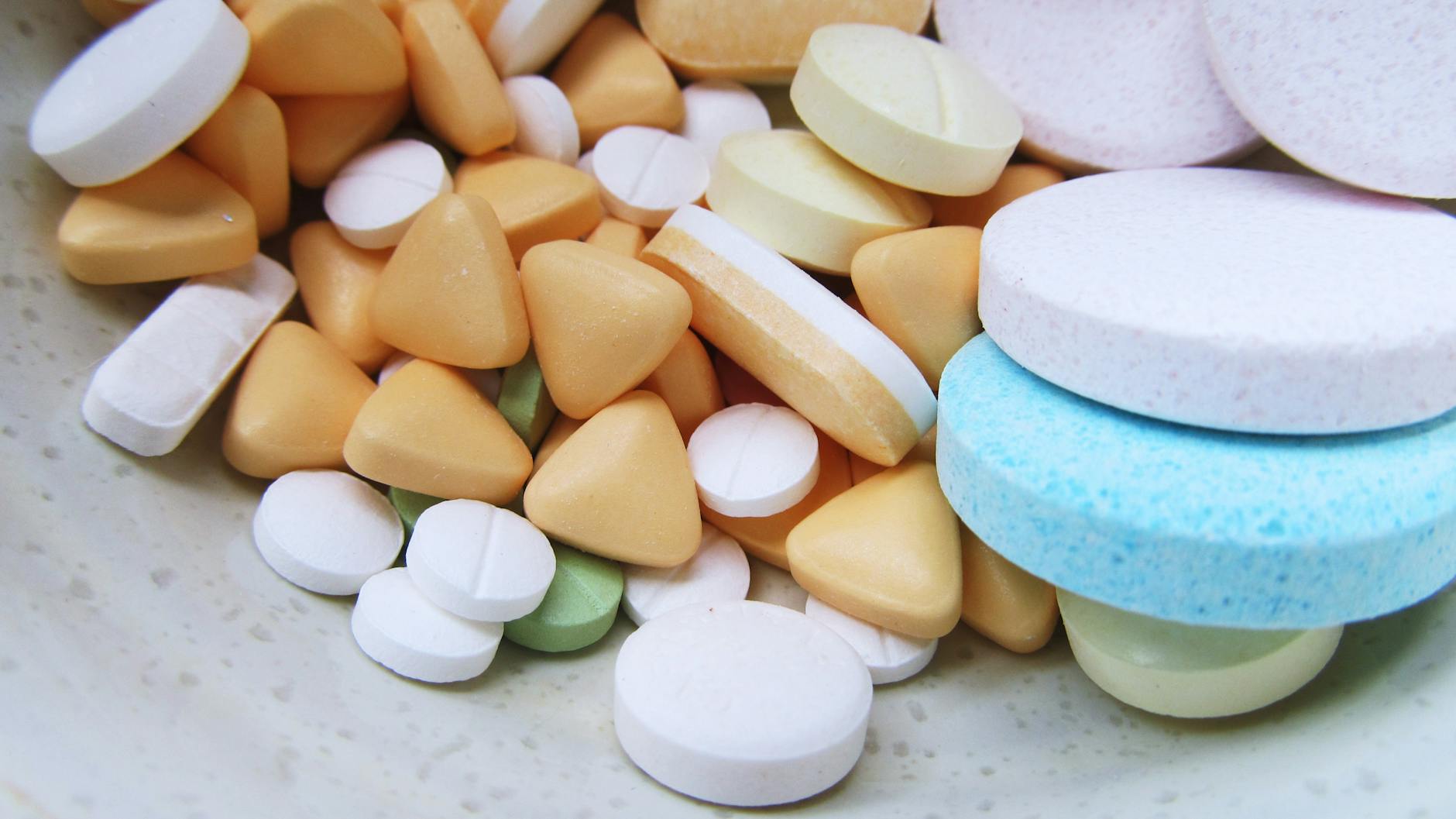
In the context of weight management, the term "fat burning" refers to the physiological process of increasing the body's use of stored fat for energy, a concept known as lipolysis. While a sustained calorie deficit achieved through diet and exercise remains the cornerstone of fat loss, certain dietary supplements are investigated for their potential to modestly support this process. This chapter provides a foundational, evidence-based perspective on how such supplements are understood within clinical nutrition and metabolic science.
It is critical to frame expectations appropriately. No supplement can replace the fundamental requirements of a balanced diet and regular physical activity. The role of evidence-backed ingredients is typically adjunctive, aiming to:
- Provide a slight, temporary increase in metabolic rate (thermogenesis).
- Support satiety, potentially aiding adherence to a calorie-controlled diet.
- Modulate pathways involved in fat breakdown and oxidation.
The scientific evidence for these effects varies significantly between compounds. Some, like caffeine, have extensive human trial data demonstrating a measurable but modest increase in metabolic rate and fat oxidation. For others, the evidence may be promising but derived from smaller studies, specific populations, or pre-clinical models, indicating a need for more robust confirmation.
Clinical Perspective: From a medical standpoint, a "science-backed" supplement is one where the proposed mechanism is biologically plausible and supported by multiple randomized controlled trials (RCTs) in humans, even if the effect size is small. Clinicians evaluate these tools not as standalone solutions, but as potential minor adjuvants within a comprehensive lifestyle plan, always weighing potential benefits against cost and any risk of side effects.
Safety and individual context are paramount. Several ingredients commonly found in fat-burning formulations can stimulate the cardiovascular and nervous systems. Therefore, individuals with the following conditions should exercise extreme caution and consult a physician before use:
- Hypertension, heart conditions, or a history of stroke.
- Anxiety disorders or sensitivity to stimulants.
- Thyroid disorders.
- Pregnancy or breastfeeding.
Furthermore, supplements are not regulated with the same rigor as pharmaceutical drugs. Product quality, purity, and accurate labeling can be inconsistent, making third-party verification from organizations like USP or NSF International a valuable marker of reliability.
The following chapters will examine specific supplements, detailing the current state of evidence for each, their proposed mechanisms, typical dosages studied, and important safety considerations. The goal is to provide a balanced, objective resource to inform discussions with healthcare providers.
2. Scientific Evidence Behind Fat Burning Supplements
When evaluating the scientific evidence for supplements that may enhance fat burning, it is crucial to distinguish between robust, replicated findings and preliminary or context-dependent results. The most credible supplements are those whose proposed mechanisms align with established human physiology and are supported by multiple randomized controlled trials (RCTs).
The primary mechanisms through which these supplements are studied include:
- Increasing Metabolic Rate & Thermogenesis: Enhancing the body's energy expenditure at rest, often by stimulating brown adipose tissue or through adrenergic pathways.
- Supporting Fat Oxidation: Shifting substrate utilization to favor fat as a fuel source during exercise or at rest.
- Modulating Appetite & Energy Intake: Influencing hormones like leptin and ghrelin to promote satiety, thereby creating a sustainable caloric deficit.
High-quality evidence, typically from meta-analyses of RCTs, exists for a select few compounds. For instance, caffeine consistently demonstrates a modest but statistically significant increase in metabolic rate and fat oxidation, particularly when combined with exercise. Green tea extract, specifically for its catechin and caffeine content, shows reproducible effects on thermogenesis and fat oxidation in numerous studies, though the absolute magnitude of fat loss is often modest.
For other supplements, the evidence is more nuanced. It may be positive but limited to specific populations (e.g., trained athletes), dependent on precise dosing protocols, or derived from short-term studies where long-term efficacy and safety are less clear. Some agents show promise in mechanistic or animal studies but lack conclusive human trial data.
Clinical Perspective: A clinician evaluates these supplements not as magic bullets but as potential adjuncts. The foundational intervention for fat loss remains a sustained caloric deficit achieved through diet and exercise. Supplements may offer a minor, incremental benefit—often in the range of a 3-5% increase in daily energy expenditure or fat oxidation—which can be meaningful over time but is not a substitute for core lifestyle changes. The individual response varies significantly based on genetics, diet, and activity level.
It is essential to approach this topic with caution. Individuals with cardiovascular conditions, hypertension, anxiety disorders, liver or kidney impairment, or those who are pregnant or breastfeeding should consult a physician before using any thermogenic or stimulant-based supplement. Furthermore, the supplement industry is not tightly regulated; product purity, accurate labeling, and the absence of contaminants cannot be guaranteed, underscoring the need to choose third-party tested brands.
3. Risks and Populations to Avoid

While the supplements discussed in this article are generally well-tolerated in healthy populations, they are not without potential risks. The perception of "natural" does not equate to "risk-free," and the potential for adverse effects, drug interactions, and contraindications must be carefully considered. A foundational principle is that no supplement can compensate for poor dietary habits or a sedentary lifestyle.
The most common risks are often dose-dependent and relate to gastrointestinal upset, such as nausea, bloating, or diarrhea, particularly with ingredients like green tea extract, caffeine, or high-fiber compounds. More serious concerns, though rarer, include hepatotoxicity (liver injury) associated with high-dose green tea extract supplements and cardiovascular effects like increased heart rate or blood pressure from stimulant-based compounds.
Specific Populations Requiring Caution or Avoidance
Certain individuals should exercise extreme caution or completely avoid these supplements without explicit medical guidance:
- Individuals with Pre-existing Medical Conditions: Those with cardiovascular issues (hypertension, arrhythmias), liver disease, kidney disorders, thyroid imbalances, or diabetes must consult a physician, as supplements can exacerbate these conditions or interfere with medications.
- Pregnant or Breastfeeding Women: Safety data for most fat-burning supplements in these populations is severely limited or non-existent. Avoidance is the standard, conservative recommendation.
- Individuals on Polypharmacy: Many supplements can interact with prescription drugs. For example, green tea extract may interact with blood thinners (e.g., warfarin), and caffeine can interact with stimulants, bronchodilators, and certain antidepressants.
- Those with a History of Eating Disorders: The use of any supplement for weight or fat loss can potentially trigger unhealthy behaviors and is strongly discouraged.
- Adolescents and Children: These products are not intended for this demographic, whose nutritional needs are best met through whole foods and established dietary guidelines.
Clinical Perspective: From a clinician's standpoint, the primary risk is the unsupervised use of these supplements as a substitute for comprehensive lifestyle medicine. The evidence for their efficacy is often derived from short-term studies in controlled settings, and long-term safety data is frequently lacking. A responsible approach involves viewing any supplement as a potential adjunct, not a cornerstone, of a health strategy, and always disclosing its use to your healthcare provider during consultations.
Before initiating any new supplement regimen, a discussion with a qualified healthcare professional—such as a physician, registered dietitian, or pharmacist—is imperative. This is especially crucial for individuals in the high-risk categories listed above. Transparency about all supplements and medications you are taking allows for an assessment of potential interactions and ensures a personalized, safe approach to health.
4. Practical Guidelines for Use
To integrate the supplements discussed in this article into a health regimen safely and effectively, a structured, evidence-informed approach is essential. The goal is to support metabolic health without resorting to extreme measures or creating undue risk.
General Principles for Supplementation
First, understand that no supplement can compensate for poor foundational habits. Their role is adjunctive, intended to complement a consistent diet and regular physical activity. Second, quality and sourcing matter. Look for products from reputable manufacturers that undergo third-party testing for purity and potency (e.g., NSF, USP, or ConsumerLab seals). Finally, "more" is not better; adhere to the researched dosage ranges to avoid adverse effects and unnecessary expense.
Implementation Strategy
A phased, monitored approach is clinically prudent:
- Start Low and Go Slow: Introduce one new supplement at a time, beginning at the lower end of the recommended dose. This allows you to assess individual tolerance and identify any adverse reactions.
- Consistency Over Intensity: Effects on metabolic rate or fat oxidation are typically subtle and cumulative. Consistent daily use as directed by the evidence is more effective than sporadic high-dose consumption.
- Timing Considerations: Align intake with physiological need. For instance, caffeine or green tea extract is often taken prior to exercise, while fiber supplements like glucomannan are consumed with water before meals to promote satiety.
- Monitor and Adjust: Keep a simple log noting dosage, timing, and any subjective changes in energy, appetite, or digestion. This data can inform adjustments and provide valuable context if you consult a healthcare provider.
Clinical Insight: In practice, the observed benefits of these supplements are often modest and highly variable between individuals. Factors like genetics, gut microbiome composition, baseline diet, and activity level significantly influence outcomes. Viewing supplements as a single tool in a broader toolkit, rather than a standalone solution, aligns with a responsible, evidence-based approach to health optimization.
Critical Safety and Consultation Notes
It is imperative to recognize populations for whom caution is required. The evidence for many supplements, while promising, is not uniformly strong and often comes from short-term studies.
- Seek Medical Advice If: You are pregnant, breastfeeding, have a known medical condition (especially cardiovascular, liver, kidney, or thyroid issues), or are taking prescription medications. Supplements can interact with drugs, such as blood thinners or medications for diabetes and hypertension.
- Specific Cautions: Stimulant-based supplements (e.g., caffeine, synephrine) should be avoided by individuals with anxiety disorders, arrhythmias, or high blood pressure. High-dose isolated compounds may not be suitable for those with a history of eating disorders.
Ultimately, the most "practical guideline" is to make informed decisions. Prioritize lifestyle foundations, choose quality products, use them judiciously, and involve a healthcare professional to ensure the approach is tailored to your personal health profile.
5. Safety Precautions and Medical Consultation

While the supplements discussed in this article are supported by varying degrees of scientific evidence, they are not without potential risks. An evidence-based approach to supplementation requires a foundation of safety and professional oversight. The most effective and safe regimen is one tailored to your individual health status, which can only be determined through consultation with a qualified healthcare provider.
Key safety considerations include:
- Underlying Health Conditions: Individuals with hypertension, cardiovascular disease, diabetes, thyroid disorders, kidney or liver impairment, or a history of eating disorders should exercise extreme caution. Many supplements can interact with these conditions or their standard treatments.
- Medication Interactions: Supplements can have pharmacokinetic or pharmacodynamic interactions with prescription and over-the-counter medications. For example, compounds that affect metabolism or blood sugar may interfere with diabetes medications, while stimulant-like ingredients can be dangerous when combined with certain antidepressants or ADHD medications.
- Pregnancy and Lactation: The safety profile of most fat-burning supplements is not established for pregnant or breastfeeding individuals. Their use is generally contraindicated during these periods.
- Quality and Purity: The supplement industry is not regulated with the same rigor as pharmaceuticals. Products may contain contaminants, undisclosed ingredients, or doses that differ from the label. Choosing third-party tested brands (e.g., USP, NSF, Informed-Choice) is a prudent but not infallible safety step.
Clinical Perspective: From a medical standpoint, supplements intended to alter metabolism or body composition are pharmacological interventions, not benign "natural" products. A clinician will assess their necessity against your baseline diet, exercise habits, and metabolic health. The goal is to avoid causing harm—such as hepatotoxicity, cardiovascular strain, or nutrient deficiencies—while pursuing a body composition goal that may be better achieved through foundational lifestyle modifications.
It is essential to distinguish between supplements with a strong long-term safety record in specific contexts (e.g., caffeine, green tea extract) and those where evidence is primarily short-term or derived from specific, healthy populations. The long-term effects of continuous, high-dose use of many "fat-burning" compounds remain uncertain.
Actionable Takeaway: Before initiating any new supplement regimen, schedule a consultation with your physician or a registered dietitian. Bring a complete list of all medications and supplements you currently take, and be prepared to discuss your full medical history. This step is non-negotiable for responsible, personalized health optimization.
6. Questions & Expert Insights
Can supplements really "burn fat" on their own?
It is more accurate to view these supplements as metabolic modulators rather than direct "fat burners." They work through mechanisms like modestly increasing thermogenesis (heat production), supporting fatty acid oxidation, or influencing appetite-regulating hormones. For instance, caffeine can increase metabolic rate and fat oxidation during exercise, while protein can promote satiety and the thermic effect of food. Crucially, their effects are adjunctive. They are not a substitute for the fundamental energy deficit created by a balanced diet and regular physical activity. The most robust evidence for their efficacy is when they are used to support, not replace, these foundational lifestyle measures. Expecting significant fat loss from supplements alone, without dietary or activity changes, is not supported by science.
What are the main risks or side effects, and who should be especially cautious?
Even "natural" supplements carry risks, primarily related to dosage, purity, and individual health status. Common side effects for stimulant-based ingredients like caffeine or green tea extract can include jitteriness, anxiety, insomnia, and increased heart rate. High doses may cause gastrointestinal distress. Specific populations must exercise extreme caution or avoid these supplements entirely: Individuals with cardiovascular conditions (hypertension, arrhythmias), those with anxiety or panic disorders, pregnant or breastfeeding women, and people with liver or kidney disease. Furthermore, supplements are not regulated with the same rigor as pharmaceuticals, leading to potential issues with ingredient accuracy, contamination, or undisclosed stimulants.
When should I talk to my doctor before starting a fat-burning supplement regimen?
Consulting a healthcare provider is strongly advised before starting any new supplement regimen, especially if you have a pre-existing medical condition or take other medications. This is non-negotiable if you fall into the high-risk categories mentioned above. To make the conversation productive, come prepared with: 1) A list of all supplements and medications you currently take (including dosages), 2) The specific product name(s) and their ingredient labels you are considering, and 3) A clear summary of your health goals and any symptoms you are experiencing. This allows your doctor to assess for potential interactions (e.g., with blood thinners, antidepressants, or diabetes drugs) and provide personalized, safe guidance based on your complete health profile.
How long should I take these supplements, and will I develop a tolerance?
The evidence for long-term efficacy and safety of most fat-burning supplements is limited. Many studies are short-term, lasting 8-12 weeks. It is generally prudent to use these supplements cyclically or for a specific, time-limited goal, rather than indefinitely. Tolerance, particularly to stimulant ingredients like caffeine, is common. The body adapts, diminishing the perceived energy and metabolic effects over time, which can lead users to increase the dose unsafely. A more sustainable approach is to focus on building non-supplement-dependent habits. Periodically "taking a break" from supplements can help reset sensitivity and reduce the risk of dependence or adverse effects from chronic use.
7. In-site article recommendations
8. External article recommendations
9. External resources
The links below point to reputable medical and evidence-based resources that can be used for further reading. Always interpret them in the context of your own situation and your clinician’s advice.
-
examine examine.comfat burning supplements – Examine.com (search)
-
mayoclinic mayoclinic.orgfat burning supplements – Mayo Clinic (search)
-
healthline healthline.comfat burning supplements – Healthline (search)
These external resources are maintained by third-party organisations. Their content does not represent the editorial position of this site and is provided solely to support readers in accessing additional professional information.