
1. Introduction to Tai Chi and Its Metabolic Context
Tai Chi, an ancient Chinese mind-body practice, is increasingly recognized in modern integrative medicine for its potential to support metabolic health. Often described as "meditation in motion," it combines slow, deliberate movements, deep diaphragmatic breathing, and mental focus. While traditionally a martial art, its contemporary application is primarily for health promotion, stress reduction, and improving functional capacity.
From a metabolic perspective, Tai Chi is considered a form of light-to-moderate physical activity. Its potential benefits for metabolism are thought to arise from several interconnected mechanisms:
- Gentle Physical Exertion: The sustained, weight-bearing postures and transitions engage major muscle groups, promoting energy expenditure and potentially improving insulin sensitivity over time.
- Stress Modulation: Chronic stress elevates cortisol, a hormone that can promote fat storage and disrupt blood sugar regulation. Tai Chi's meditative component may help downregulate the stress response.
- Enhanced Mind-Body Awareness: The practice fosters a heightened connection to bodily sensations, which may indirectly support healthier lifestyle choices related to diet and activity.
The evidence supporting Tai Chi for metabolic outcomes is promising but requires careful interpretation. Systematic reviews, such as those published in journals like the British Journal of Sports Medicine, indicate that regular Tai Chi practice can lead to modest but statistically significant improvements in markers like fasting blood glucose, HbA1c, and lipid profiles in populations with type 2 diabetes or metabolic syndrome. However, it is crucial to note that the quality of evidence is often limited by factors like small sample sizes, short study durations, and variability in Tai Chi styles and practice frequency.
Clinical Perspective: In practice, Tai Chi is rarely positioned as a standalone metabolic intervention but as a valuable adjunct to foundational lifestyle medicine. Its greatest strength may lie in sustainability and safety, making it accessible for individuals who find conventional aerobic or resistance exercise challenging due to age, joint issues, or deconditioning. It complements, but does not replace, dietary modifications and more vigorous exercise for optimal metabolic health.
Individuals with certain health conditions should exercise caution and consult a healthcare provider before beginning. This includes those with:
- Severe osteoporosis or balance disorders
- Active joint inflammation or acute injury
- Uncontrolled hypertension or cardiovascular disease
- Pregnancy, particularly in the second and third trimesters
This chapter provides the foundational context for understanding how specific Tai Chi movements, detailed in subsequent sections, may be strategically used to support metabolic function within a comprehensive health plan.
2. Evidence and Mechanisms Behind Tai Chi's Metabolic Effects
The metabolic benefits of Tai Chi are not attributed to a single mechanism but rather to a synergistic interplay of physiological and psychological adaptations. While the evidence base is promising, it is important to distinguish between well-supported mechanisms and those requiring further high-quality research.
Stronger evidence supports Tai Chi's role in modulating the autonomic nervous system and stress response. The practice's emphasis on deep, diaphragmatic breathing and mindful movement activates the parasympathetic nervous system, reducing cortisol and other stress hormones. Chronically elevated cortisol is linked to increased abdominal fat deposition and insulin resistance. By mitigating stress, Tai Chi may help create a more favorable hormonal environment for metabolic health.
Furthermore, Tai Chi functions as a form of low-to-moderate intensity physical activity. Regular practice can contribute to:
- Improved Insulin Sensitivity: Several randomized controlled trials, particularly in older adults and individuals with type 2 diabetes, have shown Tai Chi can significantly lower fasting blood glucose and HbA1c levels, comparable to other forms of aerobic exercise.
- Enhanced Mitochondrial Function: The sustained, weight-bearing postures and controlled transitions may improve muscle quality and efficiency, potentially boosting basal metabolic rate over time.
- Reduction of Systemic Inflammation: Emerging research suggests Tai Chi may lower levels of pro-inflammatory cytokines like TNF-α and IL-6, which are implicated in metabolic syndrome.
Clinical Perspective: From a mechanistic standpoint, we view Tai Chi not as a high-calorie burner, but as a metabolic regulator. Its primary value lies in improving metabolic efficiency—how well the body uses insulin and manages energy—rather than creating a large energy deficit. This makes it particularly relevant for populations where high-impact exercise is contraindicated.
The evidence for direct, significant weight loss from Tai Chi alone is more limited and mixed. It should not be considered a substitute for conventional aerobic and resistance training for that primary goal. However, as an adjunct therapy, it supports the behavioral and psychological aspects of weight management, such as improving body awareness and stress-related eating.
Who should proceed with caution? Individuals with severe osteoporosis, acute vertigo, uncontrolled hypertension, or recent joint injury should consult a physician or physical therapist before beginning. The movements can be adapted, but professional guidance ensures safety.
3. Contraindications and Populations to Exercise Caution
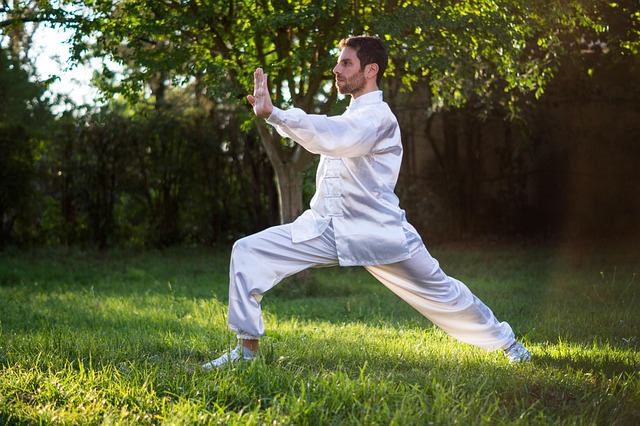
While Tai Chi is widely regarded as a safe, low-impact mind-body practice, it is not universally appropriate without modification or medical guidance. Acknowledging contraindications and populations requiring caution is a fundamental principle of responsible, evidence-based practice.
The primary contraindications relate to acute, unstable medical conditions. Individuals should postpone practice or seek explicit clearance from their physician if they have:
- Uncontrolled hypertension or cardiovascular disease (e.g., recent heart attack, unstable angina).
- Acute vertigo or vestibular disorders that significantly impair balance.
- Active joint inflammation, injury, or recent post-surgical recovery where specific movements could impede healing.
- Severe osteoporosis with high fracture risk, particularly in the spine.
For several populations, Tai Chi can be highly beneficial, but initiation requires professional supervision and adapted forms.
Populations Requiring Modified Practice & Medical Consultation
- Older adults with significant frailty or fall history: While Tai Chi is a proven fall-prevention intervention, starting should be under the guidance of a qualified instructor who can provide seated or supported standing modifications.
- Individuals with chronic pain conditions (e.g., severe osteoarthritis, fibromyalgia): Movement amplitude and duration must be carefully titrated. Evidence supports its benefits for pain and function, but an aggressive approach can exacerbate symptoms.
- Pregnant individuals, particularly in the second and third trimesters: The evidence for Tai Chi in pregnancy is limited. Consultation with an obstetric provider is essential to avoid poses that challenge balance or involve deep stances.
- Those with specific neurological conditions: For people with Parkinson's disease or post-stroke, Tai Chi has shown promise in research for improving gait and balance. However, programs must be specifically tailored by therapists experienced in neurological rehabilitation.
Clinical Perspective: The principle of "first, do no harm" applies. A key strength of Tai Chi is its adaptability. A responsible instructor will always ask about medical history and encourage open communication with healthcare providers. The goal is integration, not substitution, for conventional medical care. If any movement causes sharp pain, dizziness, or shortness of breath, it should be stopped immediately.
In summary, the low-impact nature of Tai Chi makes it accessible, but its application must be individualized. The strongest evidence for safety and efficacy comes from programs designed for specific clinical populations. For anyone with a pre-existing health condition, a discussion with a physician and seeking out a certified, experienced instructor are critical first steps.
4. Practical Application of Key Tai Chi Moves
Integrating Tai Chi into a routine for metabolic health requires consistent, mindful practice. The following moves, selected for their potential to engage major muscle groups and promote mindful movement, should be performed in a slow, continuous, and controlled manner. Focus on deep, diaphragmatic breathing coordinated with each motion.
Core Moves for Metabolic Engagement
Perform these movements in sequence, holding each posture for several breaths before transitioning smoothly to the next.
- Commencement (Qi Shi): Start with feet shoulder-width apart, knees slightly bent. Inhale as you slowly raise your arms forward to shoulder height, palms down. Exhale as you gently lower them. This foundational move establishes breath awareness and postural alignment.
- Parting the Wild Horse's Mane (Ye Ma Fen Zong): This weight-shifting movement engages the legs and core. Shift weight to one leg, stepping forward with the other, while your hands perform a coordinated "holding the ball" and parting motion. It promotes balance and lower-body strength.
- Wave Hands Like Clouds (Yun Shou): With knees bent in a low stance, shift weight side-to-side while your hands move in gentle, horizontal arcs in front of your torso. This move enhances lateral stability and continuous low-intensity muscle engagement.
Integrating Practice for Consistency
To potentially influence metabolic parameters, regularity is more critical than duration or intensity. A practical approach is to aim for a short daily practice.
- Start Small: Dedicate 10-15 minutes per day to practicing the sequence above.
- Focus on Form: Prioritize slow, precise movements and deep breathing over speed or range of motion.
- Build a Habit: Link practice to an existing daily routine, such as after morning coffee or before an evening shower.
Clinical Perspective: While the evidence for Tai Chi's direct, significant impact on basal metabolic rate is limited and mixed, its value lies in sustainable, low-impact physical activity and stress modulation. From a clinical standpoint, this makes it a viable long-term practice for supporting overall metabolic health, particularly for individuals for whom high-impact exercise is contraindicated. The emphasis on mindfulness may also positively influence eating behaviors.
Important Precautions: Individuals with severe osteoporosis, acute joint injuries, vertigo, or uncontrolled hypertension should consult a physician or a qualified Tai Chi instructor before beginning practice. Those who are pregnant or have significant balance impairments should exercise particular caution with weight-shifting and stance postures.
5. When to Consult a Healthcare Provider
While Tai Chi is widely regarded as a safe, low-impact practice, it is not a substitute for professional medical care. Integrating these movements into your routine should be done with awareness of your personal health context. Consulting a healthcare provider before beginning any new exercise regimen is a prudent step, particularly for individuals with pre-existing conditions.
You should consider scheduling a consultation with your doctor or a relevant specialist in the following situations:
- Existing Musculoskeletal Issues: If you have acute or chronic pain in your joints (e.g., knees, hips, spine), osteoporosis, or are recovering from a recent injury. A physical therapist or physician can advise on modifications to prevent strain.
- Cardiovascular or Pulmonary Conditions: This includes uncontrolled hypertension, heart failure, chronic obstructive pulmonary disease (COPD), or a history of dizziness or fainting. Monitoring is crucial as Tai Chi can influence heart rate and blood pressure.
- Balance Disorders or High Fall Risk: While Tai Chi improves balance, initiating practice without guidance can be risky for those with severe vertigo, neuropathy, or significant mobility impairment. Supervision is recommended.
- Pregnancy: Pregnant individuals, especially in the second and third trimesters, should seek guidance from an obstetrician or a prenatal exercise specialist to adapt postures and avoid positions that may compromise stability or circulation.
Clinical Perspective: From a medical standpoint, the primary concern is not Tai Chi itself, but the assumption that it is universally "safe enough" to start without assessment. For patients with complex, multi-system conditions like advanced diabetes with neuropathy or severe osteoarthritis, a tailored approach developed in collaboration with a care team is essential. Furthermore, while evidence supports Tai Chi for metabolic parameters like insulin sensitivity, it is a complementary strategy, not a primary treatment for conditions like diabetes or thyroid disorders.
It is also important to manage expectations regarding the metabolic benefits discussed in this article. The evidence for Tai Chi's positive influence on metabolism is promising but derived from specific, often small-scale studies. The effects are generally modest and synergistic with other lifestyle factors like nutrition and sleep. It should not be viewed as a rapid metabolic "fix."
In summary, proactive communication with your healthcare provider ensures that your practice of Tai Chi supports your overall health plan safely and effectively. This step allows for personalized advice, helping you to gain the potential benefits while minimizing any risks.
6. Questions & Expert Insights
Can Tai Chi really increase my metabolism in a meaningful way?
The evidence suggests Tai Chi can positively influence metabolic markers, but it's important to frame expectations realistically. Research indicates that regular Tai Chi practice can improve insulin sensitivity, reduce fasting blood glucose, and lower levels of inflammatory markers like C-reactive protein. These changes are associated with a healthier metabolic profile. However, Tai Chi is not a high-intensity calorie-burning exercise like running or cycling. Its primary metabolic benefits likely stem from stress reduction (lowering cortisol, which is linked to abdominal fat), improved mitochondrial function in muscles, and enhanced mind-body awareness that can support healthier lifestyle choices. The effect is more "metabolic tuning" than a dramatic spike in basal metabolic rate. Consistency over months is key to observing these subtle but significant systemic benefits.
Who should be cautious or avoid practicing Tai Chi for metabolism?
While Tai Chi is generally low-impact, certain individuals should proceed with caution or seek medical clearance. Those with severe, uncontrolled osteoporosis or significant balance disorders risk falls during weight-shifting movements. Individuals with acute joint inflammation (e.g., a recent knee or ankle injury) should avoid stressing the affected area. People with certain eye conditions like advanced glaucoma or retinal detachment may need to avoid inverted head positions. Crucially, those with serious cardiovascular conditions (e.g., unstable angina, severe heart failure) must consult a cardiologist, as even gentle exercise carries risk. If you have any condition causing dizziness or vertigo, inform your instructor to modify movements. The "low-risk" label does not mean "no-risk."
How does the evidence for Tai Chi compare to other exercises for metabolic health?
The evidence base for Tai Chi is robust for its specific benefits but differs from that for aerobic or resistance training. High-intensity interval training (HIIT) and strength training have more direct, potent effects on muscle mass and maximal oxygen consumption (VO2 max), leading to a higher calorie burn. Tai Chi's comparative advantage lies in its unique combination of gentle physical activity, stress modulation, and mindfulness. Systematic reviews show it can be as effective as conventional exercise for improving glycemic control and lipid profiles in some populations, particularly older adults or those with chronic diseases. It is best viewed not as a replacement for other exercise, but as a complementary practice that addresses the stress-related and neurological components of metabolism often overlooked in more intense regimens.
When should I talk to my doctor before starting, and what should I discuss?
Consult your physician or a relevant specialist (e.g., cardiologist, orthopedist) if you have any chronic or unstable health condition, are pregnant, or are taking medications that affect balance or heart rate. Before your appointment, prepare to discuss: 1) Your specific health goals (e.g., "I want to improve my blood sugar control"). 2) Any recent injuries or pain in joints. 3) A list of your current medications. 4) Any experiences with dizziness or falls. Ask your doctor: "Are there any specific movements or postures I should avoid given my health history?" and "How can I monitor my body's response safely?" This conversation ensures your practice is tailored to your personal health context, maximizing benefit and minimizing risk. Bring a description of the Tai Chi moves you plan to practice, if possible.
7. In-site article recommendations
8. External article recommendations
9. External resources
The links below point to reputable medical and evidence-based resources that can be used for further reading. Always interpret them in the context of your own situation and your clinician’s advice.
-
healthline healthline.comTai Chi – Healthline (search)
-
drugs drugs.comTai Chi – Drugs.com (search)
-
wikipedia wikipedia.orgTai Chi – Wikipedia (search)
These external resources are maintained by third-party organisations. Their content does not represent the editorial position of this site and is provided solely to support readers in accessing additional professional information.