
1. Introduction to Natural Detoxification and Nutritional Support

The term "detox" is often associated with extreme juice cleanses or restrictive protocols, but in a clinical and physiological context, it refers to the body's innate, continuous processes for neutralizing and eliminating metabolic waste products and environmental toxins. The primary organs responsible for this are the liver, kidneys, gastrointestinal tract, skin, and lungs. A foundational approach to supporting these systems focuses on providing nutritional support, not on deprivation.
Evidence suggests that certain dietary patterns and specific nutrients can enhance the body's endogenous detoxification pathways. For instance, adequate protein is essential for the liver's phase II conjugation reactions, while fiber from whole foods supports regular bowel elimination, preventing the reabsorption of waste. Cruciferous vegetables contain compounds like sulforaphane, which may upregulate the production of protective antioxidant enzymes. However, it is crucial to distinguish between strong mechanistic evidence from cellular studies and more limited clinical data on long-term health outcomes in diverse human populations.
This chapter and the recipes that follow are grounded in the principle of supportive nutrition. The goal is not a short-term "cleanse" but the consistent inclusion of foods that provide:
- Essential Nutrients: Vitamins and minerals that act as cofactors for detoxification enzymes.
- Dietary Fiber: To promote gut health and regular excretion.
- Phytonutrients: Plant-based antioxidants that may help mitigate oxidative stress.
- Adequate Hydration: Fundamental for kidney function and all cellular processes.
Clinical Perspective: From a medical standpoint, the most effective "detox" strategy is to reduce the body's toxic burden by limiting the intake of processed foods, excessive alcohol, and environmental exposures where possible, while simultaneously supporting the organs that handle these compounds daily. Extreme diets can be counterproductive, often leading to nutrient deficiencies, electrolyte imbalances, and metabolic stress.
Individuals with pre-existing liver or kidney conditions, those who are pregnant or breastfeeding, or anyone on multiple medications should consult with a physician or a registered dietitian before making significant dietary changes. The following recipes are designed as practical, evidence-informed components of a balanced diet, not as a substitute for medical advice or treatment.
2. Evidence-Based Mechanisms of Dietary Detox Support
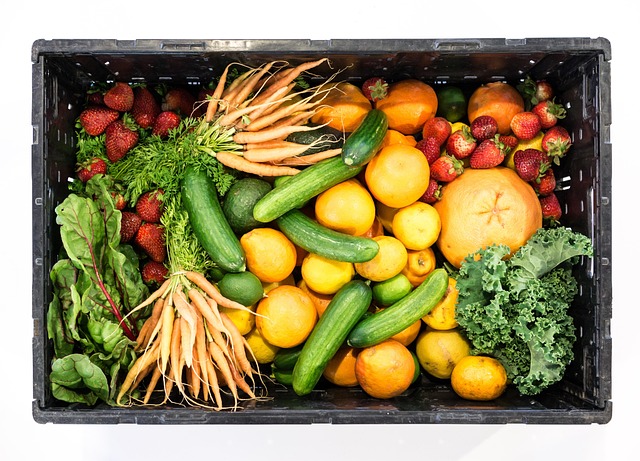
The concept of "detox" is often associated with extreme cleanses, but the body's intrinsic detoxification systems are sophisticated and continuous. A more evidence-based approach focuses on supporting these endogenous pathways through targeted nutrition, rather than attempting to override them. This support primarily occurs through three interconnected mechanisms: enhancing antioxidant defenses, optimizing phase I and II liver biotransformation, and promoting the elimination of metabolic byproducts.
First, many whole foods provide antioxidants like vitamins C and E, flavonoids, and carotenoids. These compounds help neutralize reactive oxygen species (ROS) generated during normal metabolism and the detoxification process itself, protecting cellular structures from oxidative damage. This is a well-established mechanism with strong supporting evidence from nutritional biochemistry.
Second, certain nutrients can modulate the liver's enzymatic pathways. Cruciferous vegetables (e.g., broccoli, kale) contain glucosinolates, which are converted into compounds like sulforaphane. Research, including human and cell studies, suggests these may support the activity of Phase II enzymes, which conjugate toxins into water-soluble forms for excretion. The evidence here is promising but often based on specific compounds in isolation; the effect of whole-food consumption within a varied diet is more complex.
Third, dietary components aid in the physical elimination of waste:
- Fiber: Soluble fiber can bind to certain waste products (e.g., excess cholesterol, bile acids) in the gut, while insoluble fiber adds bulk, promoting regular bowel movements and reducing the reabsorption of toxins. This is a strongly supported, fundamental benefit of a high-fiber diet.
- Hydration: Adequate water intake is essential for kidney filtration and the urinary excretion of water-soluble metabolites.
Clinical Perspective: It's crucial to understand that "supporting" detox is not the same as "accelerating" it. The goal is nutritional sufficiency for optimal function. Extreme restriction or high-dose supplementation can disrupt these delicate systems. For instance, drastically altering Phase I enzyme activity without concurrent support for Phase II can potentially increase the presence of intermediate metabolites.
Individuals with pre-existing liver or kidney conditions, those on medications metabolized by the liver (e.g., warfarin, certain statins), or pregnant individuals should consult a healthcare provider before making significant dietary changes aimed at "detox support," as these can interact with medical conditions and treatments.
3. Risks, Contraindications, and Populations to Avoid

While the recipes in this article are designed to be gentle and food-based, the concept of "detoxification" itself requires careful consideration. It is crucial to understand that the human body possesses highly efficient, intrinsic detoxification systems primarily involving the liver, kidneys, gastrointestinal tract, and skin. The evidence supporting the need for specific dietary protocols to "boost" or "support" these processes beyond standard healthy eating is often preliminary or mixed.
The primary risk of any dietary change, even one focused on whole foods, is the potential for unintended consequences in vulnerable individuals. Before incorporating new recipes or ingredients, certain populations should exercise particular caution or avoid these approaches altogether without direct medical supervision.
- Individuals with Chronic Kidney Disease (CKD): Recipes high in potassium (e.g., from leafy greens, bananas, avocados) or phosphorus can be dangerous for those with impaired kidney function. Fluid intake recommendations must also be individually tailored.
- Those with Liver Disease: While supporting liver health is a common goal, any significant dietary shift should be coordinated with a hepatologist, as protein and micronutrient needs are highly specific.
- People on Medication Regimens (Polypharmacy): Certain foods, particularly cruciferous vegetables (like kale or broccoli) and citrus fruits, can interact with medications by affecting liver enzymes responsible for drug metabolism (e.g., warfarin, some statins, thyroid medications).
- Individuals with a History of Eating Disorders: Any diet that labels foods as "cleansing" or implies a need for purification can trigger harmful thought patterns and behaviors. A focus on overall nourishment is essential.
- Pregnant or Breastfeeding Individuals: Nutritional needs are heightened and specific during this period. Drastic changes in diet or the use of large quantities of herbal ingredients (often found in "detox" teas or supplements) are not recommended without obstetric guidance.
Clinical Perspective: From a medical standpoint, the term "detox diet" is a red flag. However, a dietary pattern rich in fiber, antioxidants, and water from whole foods is unequivocally beneficial for overall health and organ function. The key distinction is between adding nutritious foods to a balanced diet versus replacing meals with restrictive, short-term protocols. The latter can lead to nutrient deficiencies, electrolyte imbalances, and a counterproductive focus on quick fixes rather than sustainable habits.
If you have a pre-existing medical condition, take prescription medications, or are considering significant dietary changes, consulting with a physician or a registered dietitian is a necessary first step. They can help you adapt general healthy eating principles to your personal health context safely and effectively.
4. Practical Takeaways for Implementing Detox-Supportive Recipes
Integrating nutrient-dense recipes into your routine is a sustainable approach to supporting the body's intrinsic detoxification pathways, primarily the liver, kidneys, and gastrointestinal system. The goal is not a radical cleanse but a consistent dietary pattern that provides the vitamins, minerals, antioxidants, and fiber these systems require to function optimally.
To implement these recipes effectively, consider the following practical strategies:
- Focus on Addition, Not Subtraction: Instead of fixating on eliminating foods, prioritize incorporating supportive ingredients like cruciferous vegetables (e.g., broccoli, kale), alliums (e.g., garlic, onions), and high-fiber foods (e.g., legumes, whole grains) into your weekly meal plan.
- Plan for Consistency: Select one or two recipes to prepare in batches. Having a ready supply of a lentil soup or a vegetable-rich grain bowl makes a supportive choice the easy choice during a busy week.
- Hydrate Intelligently: Adequate water intake is fundamental for renal function and digestion. Pairing recipes with water, herbal teas, or infused water enhances their supportive role.
It is important to contextualize the evidence. While the individual nutrients in these recipes (e.g., sulforaphane in broccoli, glutathione precursors in avocados) are well-studied for their roles in hepatic phase II detoxification in vitro and in some animal models, direct evidence from large, long-term human trials showing that specific "detox recipes" significantly enhance overall toxin clearance is more limited. The benefit is likely derived from the cumulative effect of a high-quality dietary pattern.
Clinical Perspective: From a medical standpoint, these recipes are best viewed as components of an overall healthful diet. They are not substitutes for medical treatment for liver or kidney disease. Patients with these conditions, those with specific food allergies, or individuals on complex medication regimens (e.g., blood thinners affected by vitamin K in leafy greens) should consult their physician or a registered dietitian before making significant dietary changes to ensure safety and appropriateness.
Ultimately, the most effective "detox" strategy is a long-term commitment to dietary patterns rich in whole foods, which these recipes exemplify. By weaving them into your regular rotation, you support systemic health without resorting to extreme or potentially harmful restrictive diets.
5. Safety Considerations and Indications for Medical Consultation

While the recipes in this article focus on whole foods and hydration, it is essential to approach any dietary change with a foundation of clinical safety. The concept of "detoxification" is often misunderstood; the human body possesses highly efficient, intrinsic detoxification systems primarily involving the liver, kidneys, gastrointestinal tract, and skin. The evidence supporting the need for specific "detox" foods or diets beyond a balanced, nutrient-rich eating pattern is limited. The recipes are best viewed as supportive of overall organ function, not as a substitute for medical treatment or a means to "cleanse" the body of toxins.
Certain individuals should exercise particular caution and consult a healthcare provider before making significant dietary changes, including increasing intake of specific foods or fluids. This is not an exhaustive list, but key groups include:
- Individuals with Chronic Kidney Disease (CKD): Recipes high in potassium (e.g., from leafy greens, bananas, avocados) or that encourage high fluid intake may need to be modified under medical supervision.
- Those with Liver Conditions: While supportive nutrition is crucial, any dietary regimen should be coordinated with a hepatologist or dietitian.
- People on Prescription Medications: Certain foods (like cruciferous vegetables or grapefruit) can interact with drug metabolism. A pharmacist or doctor can advise on potential food-drug interactions.
- Individuals with a History of Eating Disorders: Any focus on "clean" eating or dietary restriction can be triggering and should be avoided without guidance from a mental health professional.
- Pregnant or Breastfeeding Women: Nutritional needs are specific, and some herbal ingredients sometimes included in detox concepts (e.g., certain teas, high-dose supplements) are contraindicated.
Clinical Perspective: From a medical standpoint, the most significant risk associated with "detox" practices is the potential delay in seeking appropriate diagnosis and treatment for underlying health conditions. Symptoms like fatigue, brain fog, or digestive discomfort should be evaluated by a physician, not self-treated with dietary changes alone. Furthermore, extreme versions of detox diets can lead to electrolyte imbalances, nutrient deficiencies, and metabolic stress.
The practical takeaway is to integrate these recipes mindfully as part of a varied diet. If you have any pre-existing medical condition, are taking medications, or experience persistent symptoms, a consultation with your primary care physician or a registered dietitian is an essential first step. They can help you tailor nutritional advice to your personal health profile safely and effectively.
6. Questions & Expert Insights
What does "detox" actually mean in a medical sense, and can food really do it?
In a clinical context, "detoxification" refers to the body's innate, continuous biochemical processes—primarily in the liver, but also the kidneys, lungs, skin, and gastrointestinal tract—that neutralize and eliminate metabolic waste, environmental toxins, and drugs. The goal of using food to "support detox" is not to perform a novel cleanse, but to provide the essential nutrients these organs need to function optimally. For instance, cruciferous vegetables contain compounds like sulforaphane that support phase II liver detoxification enzymes, while adequate fiber from fruits and vegetables promotes regular bowel movements, a key route of excretion. It's crucial to understand that no single food or recipe "detoxes" you; rather, a consistent pattern of nutrient-dense, whole foods supports the body's existing, highly efficient systems. The evidence for specific "detox diets" is often weak, but the evidence for the health benefits of a diet rich in plants, fiber, and water is robust.
Are there any risks or side effects from increasing "detox-supporting" foods?
Yes, even healthy dietary changes carry potential risks for specific individuals. A sudden, significant increase in high-fiber foods (like leafy greens, legumes, and whole grains featured in many detox recipes) can cause bloating, gas, and abdominal discomfort. For those with Irritable Bowel Syndrome (IBS), certain high-FODMAP vegetables (e.g., onions, garlic, asparagus) may trigger symptoms. More seriously, individuals with kidney disease, particularly those on potassium-restricted diets, need to be cautious with recipes high in potassium (e.g., those featuring spinach, avocado, sweet potato). Consuming very large quantities of raw cruciferous vegetables (like kale and cabbage) may interfere with thyroid function in individuals with pre-existing iodine deficiency or hypothyroidism. The key is gradual integration and personal awareness.
Who should avoid or be extremely cautious with these dietary approaches?
Several groups should consult a healthcare provider before making significant dietary shifts, even toward whole foods. This includes:
- Individuals with chronic kidney disease (CKD): They often require specific restrictions on potassium, phosphorus, and sometimes oxalates, which are abundant in many "detox" staples like spinach, chard, and beets.
- Those with a history of eating disorders: Any diet that labels foods as "cleansing" or "purifying" can inadvertently reinforce restrictive patterns and harmful all-or-nothing thinking.
- People on certain medications: For example, warfarin (a blood thinner) requires consistent vitamin K intake; suddenly eating large amounts of vitamin K-rich leafy greens can alter its efficacy.
- Individuals with active digestive disorders like IBD (Crohn's, ulcerative colitis) or severe IBS, who may need tailored dietary plans.
When should I talk to my doctor, and how should I prepare for that conversation?
You should consult a physician or a registered dietitian before starting if you have any chronic health condition, take regular medications, or experience persistent symptoms like fatigue or digestive issues you hope to address. To make the conversation productive, come prepared with specific information. First, bring a list of the specific recipes or food groups you plan to emphasize. Second, have a clear list of all medications and supplements you take. Third, articulate your goals (e.g., "I want more energy and less bloating," not just "I want to detox"). This allows your provider to assess for nutrient-drug interactions, underlying conditions that may mimic "toxicity" (like anemia or thyroid dysfunction), and to help you set safe, measurable objectives. A good question to ask is, "Given my health history, are there any foods in this plan I should modify or avoid?"
7. In-site article recommendations
8. External article recommendations
9. External resources
The links below point to reputable medical and evidence-based resources that can be used for further reading. Always interpret them in the context of your own situation and your clinician’s advice.
-
mayoclinic mayoclinic.orgnatural detox recipes – Mayo Clinic (search)
-
wikipedia wikipedia.orgnatural detox recipes – Wikipedia (search)
-
examine examine.comnatural detox recipes – Examine.com (search)
These external resources are maintained by third-party organisations. Their content does not represent the editorial position of this site and is provided solely to support readers in accessing additional professional information.