
1. Introduction to Core Exercises for Waistline Transformation
This chapter provides a foundational, evidence-based perspective on the role of targeted core exercises in influencing waistline appearance and function. It is crucial to understand that the term "waistline transformation" encompasses multiple physiological components, and exercise is one strategic element within a broader health framework.
The core musculature is not limited to the superficial rectus abdominis ("six-pack" muscles). It is an integrated cylinder of muscles, including the deeper transverse abdominis, internal and external obliques, the multifidus, and the diaphragm. A well-conditioned core provides essential stability for the spine and pelvis, improves posture, and enhances efficiency in all movement patterns.
From a body composition standpoint, the relationship between core exercise and waist circumference is nuanced:
- Muscle Development: Strengthening the abdominal and oblique muscles can improve muscle tone and provide a modest tightening effect under the subcutaneous fat layer.
- Fat Reduction: It is a physiological fact that spot reduction—losing fat from a specific area by exercising it—is not supported by robust evidence. Fat loss occurs systemically in response to a sustained caloric deficit.
- Postural Impact: A strong core promotes an upright posture, which can create the visual impression of a slimmer waistline by preventing a slouched, protruding abdominal position.
Therefore, the most effective strategy for altering waistline measurements integrates consistent core strengthening with overall metabolic conditioning and evidence-based nutritional strategies. The exercises presented in subsequent chapters are selected for their efficacy in building functional strength with a focus on controlled movement and stability, rather than extreme volume or intensity.
Clinical Perspective: While core exercises are generally safe for most individuals, they are not without risk if performed incorrectly or in the presence of certain conditions. Individuals with a history of chronic lower back pain, diastasis recti (separation of the abdominal muscles, common postpartum), recent abdominal surgery, or cardiovascular concerns should consult a physician or a qualified physical therapist before beginning a new core regimen. Proper form, emphasizing engagement of the deep transverse abdominis and avoiding breath-holding or excessive spinal flexion, is paramount to safety and effectiveness.
This introduction sets the stage for a practical, balanced approach. The following chapters detail specific exercises, each chosen for its strategic value in building a resilient, functional core that supports both aesthetic goals and long-term musculoskeletal health.
2. Evidence and Mechanisms of Core Training
Core training is not merely about achieving a defined waistline; it is a targeted approach to strengthening the deep and superficial musculature that stabilizes the spine and pelvis. The primary anatomical targets include the rectus abdominis, obliques, transverse abdominis, erector spinae, and the muscles of the pelvic floor and diaphragm. The physiological mechanisms by which these exercises can influence body composition and appearance are multi-faceted.
Key Physiological Mechanisms
Effective core training works through several interconnected pathways:
- Increased Muscle Activation and Metabolic Demand: Compound and isometric exercises engage large muscle groups, elevating energy expenditure both during and after the workout via excess post-exercise oxygen consumption (EPOC).
- Improved Postural Alignment: Strengthening the core helps maintain a neutral spine, which can create the visual impression of a taller, leaner torso and prevent the anterior pelvic tilt that can protrude the abdomen.
- Enhanced Neuromuscular Control: Training improves the coordination and timing of core muscle firing, which is critical for stability during all movement, reducing injury risk and improving efficiency in other physical activities.
Evidence for Waistline Impact
The evidence supporting core exercise for direct fat loss at the waist (spot reduction) is limited and generally not supported by high-quality research. Fat loss occurs systemically in response to a sustained caloric deficit. However, strong evidence supports that core training can transform the waistline through other means:
- Muscle Hypertrophy and Toning: Strengthening the abdominal wall muscles can improve muscle definition, provided overall body fat percentage is in a healthy range.
- Reduction in Low Back Pain: Numerous systematic reviews confirm that core stabilization exercises are effective for managing and preventing non-specific low back pain, which can facilitate more consistent overall physical activity.
Clinical Perspective: From a rehabilitation and sports medicine standpoint, the primary value of core training is in creating a stable "cylinder" of support for the spine. This functional stability is paramount for injury prevention and performance. While aesthetic changes can be a motivating byproduct, they are often secondary to these fundamental health benefits and are highly dependent on nutrition and overall energy balance.
Who Should Exercise Caution: Individuals with a history of chronic low back pain, disc pathology, osteoporosis, diastasis recti, or those who are pregnant or postpartum should consult a physician or physical therapist before beginning a new core regimen. Certain dynamic exercises may be contraindicated, and proper form is non-negotiable to avoid strain.
In summary, the transformation of the waistline through core exercise is best understood as a combination of improved muscular structure, posture, and functional capacity, working in concert with a holistic approach to nutrition and cardiovascular health.
3. Risks and Contraindications for Core Exercises

While core exercises are foundational for fitness, they are not universally safe. A strategic approach requires understanding the associated risks and clear contraindications to prevent injury and ensure long-term health. The primary risks stem from improper technique, excessive load, or performing movements that are inappropriate for an individual's current physical condition.
Common risks include:
- Musculoskeletal Strain: Aggressive flexion-based exercises (e.g., full sit-ups) can place excessive compressive and shear forces on the lumbar spine, potentially exacerbating or causing disc issues.
- Pelvic Floor Dysfunction: High-intensity core work, especially maneuvers that increase intra-abdominal pressure (like V-ups or heavy loaded carries), may contribute to or worsen conditions like stress urinary incontinence or pelvic organ prolapse, particularly in postpartum individuals.
- Exacerbation of Existing Pain: Exercises performed with poor motor control can reinforce harmful movement patterns, leading to or amplifying low back, hip, or neck pain.
Evidence strongly supports modifying or avoiding specific exercises in the presence of certain medical conditions. The following are key contraindications where consulting a healthcare professional—such as a physiotherapist or sports medicine physician—is non-negotiable before beginning any new core regimen.
Clinical Insight: In rehabilitation, we distinguish between "absolute" and "relative" contraindications. An acute abdominal hernia or recent post-surgical status are absolute stops. However, for chronic conditions like osteoporosis or managed diastasis recti, the prescription shifts to specific, controlled exercises that avoid spinal flexion and focus on tension management. The goal is always to build capacity safely, not to avoid movement entirely.
Who Should Proceed with Extreme Caution or Seek Clearance:
- Postpartum Individuals (especially with diastasis recti): Avoid crunches and rotational motions until core closure and function are assessed. Focus should be on gentle engagement and transverse abdominis activation.
- Those with Osteoporosis or Osteopenia: Spinal flexion exercises are contraindicated due to the high risk of vertebral compression fractures. Exercise programming must emphasize spinal neutrality and extension.
- Individuals with Acute Injury or Pain: This includes acute low back pain, herniated discs, recent abdominal or spinal surgery, and diagnosed abdominal hernias. Exercise through sharp pain is strongly discouraged.
- People with Certain Chronic Conditions: Those with uncontrolled hypertension should be cautious with breath-holding (the Valsalva maneuver). Individuals with a history of eating disorders should approach core-focused workouts with care, as they can exacerbate body image preoccupations.
The most reliable strategy is to start conservatively, prioritize perfect form over intensity or volume, and seek personalized guidance from a qualified professional if any of the above scenarios apply or if you are uncertain about your readiness.
4. Practical Takeaways: Seven Strategic Exercises
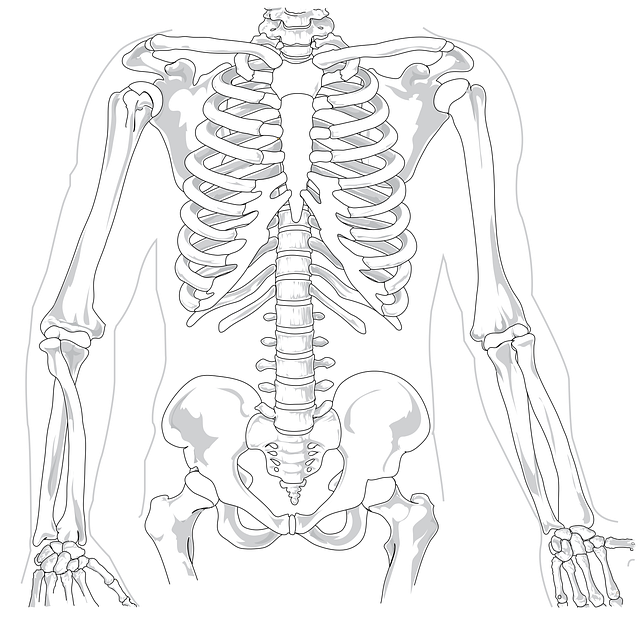
This chapter outlines seven core-focused exercises selected for their strategic engagement of the abdominal and oblique muscles. The goal is to build functional strength and stability, which can contribute to a more defined waistline as part of a comprehensive fitness and nutrition plan. It is important to note that spot reduction—losing fat from a specific area through exercise—is not strongly supported by evidence. These exercises build muscle, which can improve posture and tone, but visible changes depend on overall body composition.
Perform each exercise with controlled form for 2-3 sets of 10-15 repetitions, 2-3 times per week, allowing for rest days. Quality of movement is paramount over speed or quantity.
- Dead Bug: Lie on your back with arms extended toward the ceiling and knees bent at 90 degrees. Slowly lower your right arm and left leg toward the floor without arching your back, then return to the start. Alternate sides. This is a foundational exercise for core stability and protecting the lower back.
- Bird-Dog: Start on all fours. Simultaneously extend your right arm forward and left leg back, keeping your hips level and core braced. Hold briefly, then return and switch sides. It enhances anti-rotation stability.
- Plank with Shoulder Taps: Hold a high plank position. While keeping your hips as still as possible, tap your left hand to your right shoulder, then alternate. This challenges anti-rotational core strength.
- Pallof Press: Using a resistance band anchored to a sturdy point at chest height, stand perpendicular to it. Hold the band with both hands at your sternum and press straight out, resisting the band's pull to rotate. Hold for a few seconds before returning. This is a highly effective anti-rotation exercise.
- Hollow Body Hold: Lie on your back, press your lower back into the floor, and lift your shoulders and legs off the ground, forming a shallow "banana" shape. Hold this position, focusing on maintaining core tension. This engages the entire anterior core chain.
- Side Plank: Lie on your side propped up on your forearm and feet stacked. Lift your hips to form a straight line from head to heels. Hold, then switch sides. This directly targets the obliques and quadratus lumborum.
- Farmer's Carry: Hold a heavy dumbbell or kettlebell in each hand, stand tall with your shoulders back and down, and walk for a set distance or time. This full-body exercise builds core stability under load and improves posture.
Clinical Perspective: These exercises prioritize spinal safety and functional movement patterns over high-repetition crunches. The evidence strongly supports the role of such stability work in reducing low back pain risk and improving movement efficiency. However, evidence for their direct, isolated impact on waist circumference is more limited and contingent on dietary factors. Individuals with a history of back injury, disc issues, diastasis recti, or hypertension should consult a physician or physical therapist before beginning a new core program to ensure exercise appropriateness.
5. Safety Considerations and Medical Consultation Triggers
While the core exercises outlined in this article are generally safe for most individuals, a strategic approach to fitness must be grounded in safety. The principle of "without extreme effort" is central to this, but it must be contextualized within your personal health profile. The evidence supporting core strengthening for functional stability and posture is robust; however, individual application requires careful consideration of contraindications and risk factors.
Before initiating any new exercise regimen, certain individuals should consult with a physician or a qualified physical therapist. This is not a sign of limitation but of prudent, personalized care.
- Pre-existing musculoskeletal conditions: If you have a history of chronic back pain (especially disc-related issues), recent abdominal or spinal surgery, osteoporosis, or diagnosed hernias (umbilical, inguinal, or diastasis recti), professional guidance is essential to modify movements and avoid exacerbation.
- Cardiovascular or respiratory concerns: Individuals with uncontrolled hypertension, heart conditions, or significant respiratory issues should seek clearance, as core work can transiently increase intra-abdominal and blood pressure.
- Pregnancy and postpartum: Pregnant individuals and those in the postpartum period (typically the first 12 weeks, or longer with complications) require specific exercise modifications. Certain core exercises can be inappropriate or require significant alteration.
- Acute pain or injury: Never exercise through sharp, shooting, or acute pain. Pain is a signal to stop and assess.
Clinical Perspective: In practice, we distinguish between muscle soreness and pathological pain. A common error is performing advanced maneuvers like full sit-ups or leg lowers with poor form, which can strain the lumbar spine rather than engage the deep abdominal stabilizers. The evidence for "waistline transformation" is mixed and heavily dependent on overall nutrition and metabolic health; core exercises primarily build muscle tone and support, with spot reduction of fat being a biological myth. A clinician would prioritize exercise safety and functional improvement over aesthetic metrics alone.
Begin each session with a proper warm-up and focus intently on form over speed or quantity. If you are new to exercise, have been sedentary, or have any of the conditions mentioned, a consultation is a critical first step. This allows for the development of a tailored plan that aligns the strategic exercises with your health status, ensuring your efforts are both effective and sustainably safe.
6. Questions & Expert Insights
Can core exercises alone significantly reduce waist circumference?
While targeted core exercises are essential for building abdominal muscle strength and endurance, they are not a standalone solution for significant waist circumference reduction. A reduction in waist size is primarily driven by a loss of subcutaneous and visceral fat, which occurs through a sustained calorie deficit. Core exercises contribute by increasing muscle mass, which can slightly elevate your resting metabolic rate and improve posture, making your waist appear tighter. However, spot reduction—losing fat from a specific area by exercising it—is a myth not supported by exercise physiology. The most effective strategy combines these exercises with consistent cardiovascular activity and, most importantly, a balanced, calorie-conscious diet. Think of core work as sculpting and strengthening the underlying musculature, while overall fat loss reveals that definition.
What are the risks or side effects of starting a new core exercise routine, and who should be cautious?
Initiating any new exercise regimen carries potential risks, particularly for the core, which involves deep stabilizer muscles and the spine. Common issues include lower back strain from improper form, neck strain from pulling on the head during crunches, and increased intra-abdominal pressure that can exacerbate conditions like hernias or pelvic floor dysfunction. Individuals with a history of chronic lower back pain, disc issues, osteoporosis, diastasis recti (abdominal separation, common postpartum), or hypertension should proceed with extreme caution and ideally seek professional guidance first. Those who are pregnant or recently postpartum must avoid traditional core exercises like crunches and consult a physiotherapist for safe alternatives. Always prioritize proper, controlled movement over speed or quantity.
How long does it typically take to see visible changes from a consistent core exercise program?
The timeline for visible changes varies widely based on individual factors: starting fitness level, body composition, genetics, and adherence to both the exercise and nutritional components. With a consistent routine (e.g., 3-4 times per week) paired with appropriate nutrition for fat loss, initial improvements in posture and a feeling of "tightness" may be noticed within 4-6 weeks. Visible changes in muscle definition or measurable reductions in waist circumference often require a minimum of 8-12 weeks of dedicated effort. It's crucial to manage expectations; the process is gradual. Relying on non-scale victories like increased strength, better balance, and reduced back discomfort can provide motivating feedback long before dramatic visual changes appear. The evidence consistently shows that sustainability beats intensity for long-term body composition changes.
When should I talk to a doctor or specialist before beginning these exercises, and what should I discuss?
Consult a physician, physiatrist, or a certified physical therapist before starting if you have any pre-existing medical conditions, particularly: chronic back or neck pain, diagnosed osteoporosis, a history of abdominal or spinal surgery, cardiovascular issues, or if you are postpartum. Bring a clear description of the planned exercises (a printout of the article can be helpful) to the appointment. Key discussion points should include: 1) Your specific health history and any current pain, 2) Whether any exercises are contraindicated for you, 3) Requesting modifications or safer alternatives, and 4) Asking for guidance on proper form or a referral to a physical therapist for an individualized assessment. This proactive step is not a barrier but a strategic investment in your long-term musculoskeletal health and the effectiveness of your routine.
7. In-site article recommendations
8. External article recommendations
9. External resources
The links below point to reputable medical and evidence-based resources that can be used for further reading. Always interpret them in the context of your own situation and your clinician’s advice.
-
wikipedia wikipedia.orgcore exercises – Wikipedia (search)
-
drugs drugs.comcore exercises – Drugs.com (search)
-
examine examine.comcore exercises – Examine.com (search)
These external resources are maintained by third-party organisations. Their content does not represent the editorial position of this site and is provided solely to support readers in accessing additional professional information.