
1. Introduction to Berberine in Blood Sugar Context
Berberine is a bioactive isoquinoline alkaloid compound extracted from the roots, rhizomes, and stem bark of several plants, including Berberis vulgaris (barberry), Coptis chinensis (goldthread), and Hydrastis canadensis (goldenseal). For centuries, it has been a cornerstone of traditional Chinese and Ayurvedic medicine, primarily used for its antimicrobial and anti-diarrheal properties. In recent decades, however, scientific inquiry has shifted focus to its potential metabolic effects, particularly its role in modulating blood glucose levels.
The interest in berberine for blood sugar management stems from a growing body of preclinical and clinical research. Unlike many herbal supplements, berberine has been the subject of numerous human randomized controlled trials (RCTs), which form the basis of its emerging reputation. Its proposed mechanisms of action are multi-faceted and complex, distinguishing it from conventional pharmaceutical agents.
- AMPK Activation: Berberine is known to activate an enzyme called AMP-activated protein kinase (AMPK), often described as a cellular "master switch" for metabolism. This activation can improve insulin sensitivity and promote glucose uptake in muscle cells.
- Hepatic Glucose Production: It appears to inhibit gluconeogenesis in the liver, reducing the amount of glucose the liver releases into the bloodstream.
- Gut Microbiome Modulation: Emerging evidence suggests berberine may alter the composition of gut bacteria, which can influence systemic inflammation and glucose metabolism.
- Incretin Effects: Some studies indicate it may prolong the action of glucagon-like peptide-1 (GLP-1), an intestinal hormone that stimulates insulin secretion.
While the mechanistic science is compelling, it is crucial to contextualize berberine within the spectrum of evidence-based medicine. Current data, primarily from meta-analyses of RCTs, suggests a moderate, statistically significant effect on lowering fasting blood glucose and hemoglobin A1c (HbA1c) in individuals with type 2 diabetes. However, the evidence is considered more robust for its lipid-lowering effects. The quality and size of trials vary, and long-term safety data beyond two years is limited.
Clinical Perspective: From a clinical standpoint, berberine is often discussed as a potential adjunctive therapy, not a replacement for standard care. Its multi-target action is intriguing but also introduces complexity regarding drug interactions and side effects. Healthcare providers approach it with cautious interest, weighing its potential benefits against an individual's full medical profile and existing medication regimen.
This chapter serves as a foundation for understanding berberine's origins and proposed mechanisms. Individuals considering berberine, particularly those with diagnosed diabetes, liver conditions, or who are pregnant or taking medications (e.g., cyclosporine, metformin, blood thinners), must consult a physician. Self-management of blood glucose with supplements carries risks and should never replace professional medical advice and monitoring.
2. Mechanisms and Clinical Evidence Overview
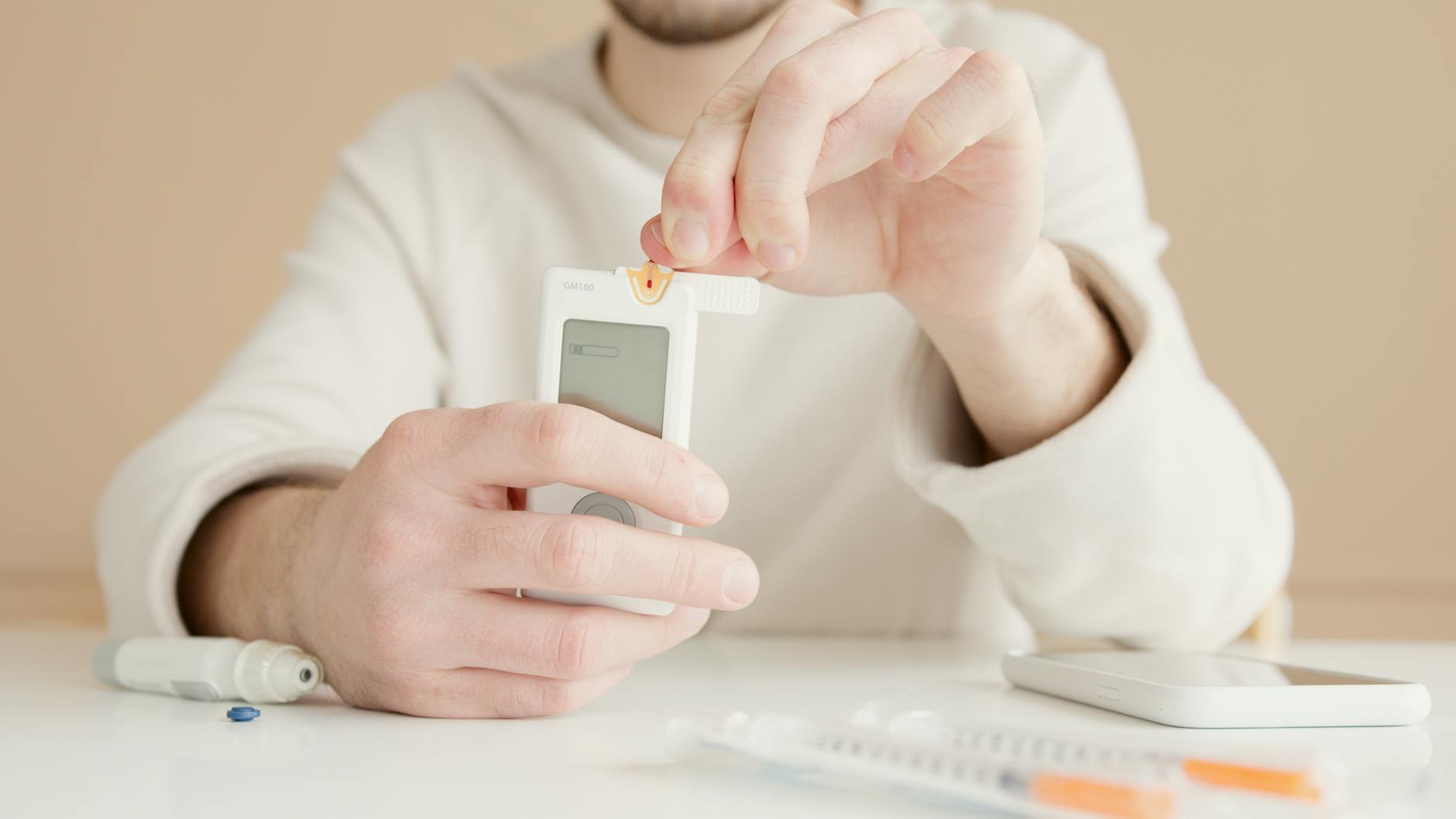
Berberine, a bioactive compound extracted from plants like Berberis and goldenseal, has garnered significant scientific interest for its potential role in glycemic control. Its proposed mechanisms of action are multi-faceted and distinct from conventional pharmaceuticals.
Proposed Mechanisms of Action
Research suggests berberine may influence blood sugar through several pathways:
- AMPK Activation: Berberine is a potent activator of AMP-activated protein kinase (AMPK), a cellular energy sensor. This activation can improve insulin sensitivity in peripheral tissues like muscle and liver, and may reduce hepatic glucose production.
- Gut Microbiome Modulation: Emerging evidence indicates berberine can alter the composition of gut microbiota, potentially increasing short-chain fatty acid production, which is linked to improved metabolic health and insulin sensitivity.
- Incretin Effects: Some studies suggest berberine may inhibit the enzyme dipeptidyl peptidase-4 (DPP-4), thereby prolonging the activity of glucagon-like peptide-1 (GLP-1), an incretin hormone that stimulates insulin release and suppresses glucagon.
Clinical Insight: While these mechanisms are compelling in preclinical models, their relative contribution in humans and at typical supplemental doses is not fully quantified. Berberine's action is likely a synergistic effect across multiple systems, not a single targeted pathway.
Summary of Clinical Evidence
The clinical evidence for berberine in managing blood sugar, primarily in type 2 diabetes and prediabetes, is promising but comes with important caveats.
Stronger Evidence Points:
- Multiple meta-analyses of randomized controlled trials (RCTs) consistently show that berberine supplementation (typically 0.9–1.5 g/day) can significantly reduce fasting blood glucose, postprandial glucose, and HbA1c levels compared to placebo.
- Some studies show its effects on HbA1c may be comparable to first-line medications like metformin, though the evidence base for direct head-to-head comparison is smaller.
Limitations and Gaps:
- Many trials have been relatively short-term (3-6 months) and conducted in specific populations, primarily in Asia. Longer-term safety and efficacy data in diverse global populations are limited.
- Evidence for berberine as a monotherapy in treatment-naïve patients is less robust than for its use as an adjunct to lifestyle changes or other medications.
- Standardization of berberine supplements varies, and the optimal dosing regimen is not definitively established.
Who Should Exercise Caution: Individuals with liver conditions, pregnant or breastfeeding women, those on medications (especially blood sugar-lowering drugs, cyclosporine, or CYP2D6/3A4-metabolized drugs), and individuals with a history of hypoglycemia should consult a physician before use due to risks of interaction, altered metabolism, and potentiation of drug effects.
3. Risks, Side Effects, and Contraindications
While berberine is generally well-tolerated in clinical trials, a thorough understanding of its potential adverse effects and contraindications is essential for safe use. The most commonly reported side effects are gastrointestinal, including abdominal discomfort, diarrhea, constipation, and flatulence. These effects are often dose-dependent and may subside with continued use or by taking the supplement with meals.
Common and Less Common Adverse Effects
Beyond GI distress, other reported side effects include:
- Headache and dizziness, particularly at higher doses.
- A theoretical risk of hypoglycemia (low blood sugar), especially when combined with prescription diabetes medications like metformin, sulfonylureas, or insulin.
- Potential for muscle cramps or fatigue, though evidence is anecdotal.
It is crucial to note that most safety data come from short- to medium-term studies (3-6 months). The long-term safety profile of berberine supplementation beyond one year is not well-established by robust clinical trials.
Clinical Insight: The GI side effects of berberine are its most predictable drawback. In practice, we often advise starting with a low dose (e.g., 500 mg/day) and gradually titrating upward to improve tolerability. The potential for drug interactions, particularly with medications metabolized by the CYP450 enzyme system, requires vigilant monitoring.
Major Contraindications and Drug Interactions
Berberine is contraindicated or requires extreme caution in several populations:
- Pregnancy and Lactation: Berberine may cross the placenta and has been associated with kernicterus (a type of brain damage) in newborns due to its potential to displace bilirubin. It is considered unsafe during pregnancy and breastfeeding.
- Neonates and Young Children: Should be avoided due to the same bilirubin-displacement risk.
- Individuals with Liver Disease: Berberine is metabolized by the liver. While some studies suggest it may benefit liver health, its use in individuals with pre-existing liver conditions should be supervised by a physician.
- Polypharmacy Patients: Berberine is a potent inhibitor of several cytochrome P450 enzymes (notably CYP2D6, CYP2C9, and CYP3A4). This can significantly increase the blood levels and toxicity of many common drugs, including:
- Cyclosporine and tacrolimus (immunosuppressants)
- Metoprolol and other beta-blockers
- Warfarin and other anticoagulants
- Some statins (like simvastatin) and antidepressants.
Key Recommendations for Safe Use
Given these risks, the following precautions are non-negotiable:
- Consult a Healthcare Provider: Anyone with a pre-existing medical condition, especially diabetes, liver disease, or cardiovascular disease, must consult a doctor before use. This is critical for managing potential hypoglycemia and drug interactions.
- Disclose All Supplements and Medications: Provide your physician or pharmacist with a complete list of all prescription drugs, over-the-counter medications, and supplements to screen for dangerous interactions.
- Avoid in Specific Populations: Pregnant, breastfeeding women, and young children should not use berberine supplements.
- Monitor Blood Glucose: Individuals with diabetes or prediabetes should monitor their blood sugar levels closely, especially when initiating berberine, to avoid hypoglycemia.
In summary, while berberine presents a promising adjunct for metabolic health, its use is not without risk. A cautious, medically supervised approach is paramount to mitigate potential adverse effects and dangerous interactions.
4. Practical Evidence-Based Recommendations
Based on the current body of clinical evidence, berberine can be considered a potential adjunctive therapy for blood sugar management, but its use requires a structured and cautious approach. It is not a substitute for prescribed medication or foundational lifestyle interventions.
Establishing a Foundation First
Any discussion of supplementation must begin with established, non-negotiable pillars of metabolic health. Berberine should only be considered after these are addressed:
- Medical Nutrition Therapy: A consistent, balanced diet focused on whole foods, fiber, and controlled carbohydrate intake.
- Regular Physical Activity: Both aerobic exercise and resistance training improve insulin sensitivity.
- Weight Management: Even modest weight loss (5-10% of body weight) can significantly improve glycemic control.
- Adherence to Prescribed Regimens: Do not alter doses of diabetes medications (e.g., metformin, insulin, sulfonylureas) without explicit guidance from your physician.
If Considering Berberine: A Stepwise Protocol
For individuals with prediabetes or type 2 diabetes who, in consultation with their doctor, decide to trial berberine, the following evidence-informed protocol is suggested:
- Consult Your Healthcare Provider: This is mandatory to assess suitability, rule out contraindications, and establish a monitoring plan for blood glucose and potential side effects.
- Select a Quality Product: Choose a supplement from a reputable brand that provides third-party verification (e.g., USP, NSF, ConsumerLab) for purity and labeled potency, typically standardized to ≥97% berberine.
- Start with a Low Dose: Begin with 500 mg per day, taken with a meal, to assess gastrointestinal tolerance (e.g., cramping, diarrhea, which are common).
- Titrate Gradually: If well-tolerated after 1-2 weeks, the dose can be increased to the commonly studied range of 1,000–1,500 mg per day, split into 2-3 doses taken with meals to enhance absorption and minimize GI upset.
- Monitor Systematically: Track fasting and postprandial blood glucose levels regularly. The goal is to observe a supportive effect, not to cause hypoglycemia.
- Allow for an Assessment Period: Clinical trials typically show effects within 2-3 months. Evaluate efficacy and tolerability with your provider at this point.
Clinical Caveat: The strongest evidence for berberine exists for individuals with type 2 diabetes or significant insulin resistance. Its effect in normoglycemic individuals for "metabolic optimization" is not well-substantiated. Crucially, berberine inhibits several cytochrome P450 enzymes (notably CYP2D6 and CYP3A4) and interacts with the P-glycoprotein transporter. This creates a high risk for drug–supplement interactions, potentially altering the blood levels of many common medications, including blood thinners (warfarin), statins, immunosuppressants, and some antidepressants. A comprehensive medication review is essential prior to use.
Who Should Exercise Extreme Caution or Avoid?
- Pregnant or breastfeeding women: Berberine may cross the placenta and is contraindicated.
- Individuals with liver disease or elevated liver enzymes: Requires close hepatologist supervision.
- Those with kidney disease: Elimination may be impaired.
- People on multiple medications: Due to the high interaction potential listed above.
- Children: Safety and efficacy are not established.
The practical takeaway is that berberine has a defined but narrow role within a comprehensive, medically supervised management plan. Its utility is entirely dependent on an individual's specific health context and concurrent therapies.
5. Safety Monitoring and When to Consult a Healthcare Professional
While berberine is generally well-tolerated in clinical trials, its pharmacological activity necessitates a proactive approach to safety monitoring. It is not a benign supplement, and its use should be integrated into your overall health management plan with appropriate oversight.
Essential Safety Monitoring
If you choose to take berberine, particularly for blood sugar management, monitoring key parameters is prudent. This allows you and your healthcare provider to assess both efficacy and safety.
- Blood Glucose Levels: Regular self-monitoring of blood glucose (SMBG) or continuous glucose monitoring (CGM) is crucial. Berberine can potentiate the effects of diabetes medications, increasing the risk of hypoglycemia (low blood sugar). Watch for symptoms like shakiness, sweating, dizziness, and confusion.
- Liver Function: Although rare, there are case reports of berberine-associated liver injury. It is advisable to have baseline liver enzyme tests (ALT, AST) and consider periodic rechecks, especially during the first 3-6 months of use.
- Kidney Function: Berberine is primarily excreted by the kidneys. Individuals with pre-existing kidney disease should exercise extreme caution and only use it under strict medical supervision, as impaired clearance could lead to higher blood levels and increased risk of side effects.
- Drug Interactions: Documented interactions are a primary concern. Berberine can inhibit enzymes (like CYP3A4) responsible for metabolizing many prescription drugs, potentially raising their blood levels to dangerous heights.
Clinical Insight: From a medication safety perspective, berberine is often considered to have a similar interaction profile to some pharmaceuticals. Clinicians are most concerned about its concurrent use with drugs that have a narrow therapeutic index, such as warfarin (a blood thinner), digoxin (for heart conditions), cyclosporine (an immunosuppressant), and many statins. Combining berberine with these requires very close monitoring and likely dosage adjustments.
Who Must Consult a Healthcare Professional First?
You should absolutely consult your doctor or a relevant specialist (e.g., endocrinologist, pharmacist) before starting berberine if you fall into any of the following categories:
- Individuals diagnosed with diabetes (type 1 or type 2) or prediabetes, especially if already on glucose-lowering medications (e.g., metformin, insulin, sulfonylureas).
- Those taking any prescription medications, particularly for heart conditions, cholesterol, mental health, organ transplantation, or blood thinning.
- People with known liver or kidney disease.
- Pregnant or breastfeeding women (berberine is contraindicated due to a lack of safety data and potential risk to the fetus).
- Individuals with a history of gastrointestinal disorders, as berberine can cause constipation, diarrhea, or abdominal discomfort.
The evidence for berberine's efficacy, while promising, comes primarily from short-to-medium term trials. Its long-term safety profile in diverse populations is less established. A healthcare professional can help you weigh the potential benefits against your individual risks, ensure appropriate monitoring is in place, and integrate supplementation safely into your care plan.
6. Questions & Expert Insights
Can berberine supplements replace my diabetes medication?
No, berberine should not be considered a replacement for prescribed diabetes medication. While some clinical trials show berberine can modestly lower fasting and post-meal blood glucose and HbA1c levels—sometimes with an effect size comparable to first-line drugs like metformin in these studies—the evidence is not robust enough to justify substitution. These trials are often smaller, of shorter duration, and conducted in specific populations. Managing diabetes requires a personalized, monitored plan. Abruptly stopping prescribed medication to use a supplement can lead to dangerous hyperglycemia. Berberine may be discussed as a potential complementary approach under strict medical supervision, but it is not an approved pharmaceutical drug for diabetes in most countries, meaning its manufacturing standards, long-term safety, and drug interaction profile are less rigorously defined.
What are the main risks and side effects of berberine, and who should avoid it?
The most common side effects are gastrointestinal, including constipation, diarrhea, cramping, and flatulence, which may subside with time. More serious risks involve drug interactions and specific health conditions. Berberine can inhibit enzymes in the liver (CYP3A4, CYP2D6) that metabolize many common drugs, potentially raising their blood levels to toxic amounts. This is a critical concern for medications like blood thinners (warfarin), certain statins, antidepressants, and immunosuppressants. It may also lower blood pressure. Therefore, individuals with hypotension, liver disease, or kidney disease should avoid it. Pregnant or breastfeeding women must not use berberine, as it may cause uterine stimulation and has been linked to kernicterus in newborns. People with a history of hypoglycemia should also be extremely cautious.
How should I talk to my doctor about trying berberine?
Initiate this conversation during a scheduled appointment, not as an urgent request. Frame it as a question: "I've read about berberine for blood sugar support. Can we discuss the evidence and whether it might be appropriate or risky for my specific situation?" Be prepared to bring key information to the visit: a list of all your current medications and supplements (including doses), your most recent blood glucose or HbA1c readings, and a reliable source of the berberine information you reviewed. This allows your doctor to efficiently assess potential interactions and contextualize the evidence. A responsible physician will want to discuss the quality of the supplements (third-party testing), establish a monitoring plan for your blood sugar and liver/kidney function if you proceed, and set clear expectations about what benefits, if any, are realistic based on your health profile.
Is the evidence for berberine strong enough to recommend it widely?
The evidence is promising but not yet conclusive enough for broad, unconditional recommendation. Systematic reviews and meta-analyses of randomized controlled trials consistently note berberine's favorable impact on glycemic markers. However, they also highlight significant limitations: many studies have a high risk of bias, small sample sizes, short duration (often 3 months or less), and are conducted primarily in Chinese populations with Type 2 Diabetes. There is a notable lack of large, long-term, multi-ethnic trials that meet the gold standard for pharmaceutical drug approval. Furthermore, most studies use berberine as an add-on to existing lifestyle or drug therapy, making it difficult to isolate its standalone effect. The takeaway is that berberine is a compelling candidate for adjunctive support, but more rigorous research is needed to fully understand its long-term efficacy, safety, and place in clinical practice guidelines.
7. In-site article recommendations
8. External article recommendations
9. External resources
The links below point to reputable medical and evidence-based resources that can be used for further reading. Always interpret them in the context of your own situation and your clinician’s advice.
-
healthline healthline.comberberine – Healthline (search)
-
wikipedia wikipedia.orgberberine – Wikipedia (search)
-
drugs drugs.comberberine – Drugs.com (search)
These external resources are maintained by third-party organisations. Their content does not represent the editorial position of this site and is provided solely to support readers in accessing additional professional information.